
AC sales & refrigeration service
AC and refrigeration business: how to start, run, and improve one
A practical operator playbook for starting, running, and improving an AC sales and refrigeration service business in India: what the business really sells, unit margin, service job and AMC formulas, seasonal break-even, technician team, spare parts and warranty rules, local marketing, WhatsApp chatbots for breakdown calls and bookings, and when a website, service web app, technician mobile app, or logo actually helps. Business operations only, not technical, electrical-safety, or legal advice.
 Nyravi AILearn playbookAC dealers, refrigeration and cooling service owners, technicians turning into business owners, and existing shops that want better margin and repeat service work
Who this guide is for
Read this if you sell air conditioners, repair them, or service commercial refrigeration such as display chillers, deep freezers, and cold rooms, or if you are a skilled technician thinking of opening your own shop. It is also for owners whose summer is chaos and whose winter is silence: forty calls a day in May, eight in December, and a team that quits in the off-season because the pay stops.
The playbook covers the business around the compressor: margin on units, service job pricing, annual maintenance contracts, seasonal cash, technicians, spare parts, and trust. If you mostly run on-site repair jobs of many kinds, read the home service business guide too. If you sell appliances more widely, see electronics retail. If you serve bulk cold storage, the cold storage guide covers that world.
What an AC and refrigeration business is
An AC and refrigeration business is a combined sales and service business that sells air conditioners and cooling equipment, installs them, and keeps them running through repair, gas charging, cleaning, annual maintenance contracts, and spare parts, serving homes, shops, offices, restaurants, clinics, and small industries. Revenue comes from unit margin, installation and material margin, one-time service jobs, recurring AMC fees, and parts, and it follows the temperature curve of your city.
Terms you will use daily
- Split AC and window AC: the most common residential products, priced by tonnage and star rating
- VRV or VRF and ducted systems: larger commercial systems sold through design, quotation, and commissioning
- Installation kit: copper piping, drain pipe, wiring, stand, and electrical points added to the unit price
- Gas charging or top-up: adding refrigerant after a leak is found and fixed, not as a repeated fix
- AMC: annual maintenance contract covering scheduled service visits for a fixed fee
- General service and deep or jet service: routine cleaning of filters and coils versus a fuller wash
- Commercial refrigeration: display coolers, deep freezers, bottle coolers, walk-in chillers, and cold rooms
- First-time fix rate: the share of breakdown jobs solved on the first visit
A dealer sells a box. A repair shop sells a fix. A refrigeration and AC business that makes money sells comfort and uptime: the shop that never loses stock to a failed freezer, the clinic whose waiting room is cool all summer, the family that can sleep through May. That promise is carried by service quality and reminders, not by the sticker on the carton.
What customers really buy
A homeowner does not want a refrigerant top-up. They want a cool bedroom tonight, a fair bill, a technician who arrives when promised, and no mystery charges. A restaurant owner does not want a compressor. They want the walk-in cooler to hold temperature through a Saturday dinner service. Your pitch should be speed, honesty, and repeat care.
That is why the shop with a ten-year-old AC repair brand and a clean price list beats the unbranded mechanic who disappears after the sale. People pay for the technician they can find again.
Choose a focus before you stock or hire
The three profit pools are unit sales, one-time service, and recurring AMC, and each needs a different shop. A pure dealer needs stock and credit. A service shop needs technicians and vehicles. An AMC business needs a customer list and reminders. Most small owners do all three, but one should lead.
Decide these before you commit money
- Lead with sales, service, or AMC, and which two you will treat as support
- Authorised dealer for one or two brands, multi-brand shop, or service-only with no showroom
- Residential, commercial small shops and offices, or industrial and refrigeration work
- Brands you will service, and brands you will refuse because of parts or warranty risk
- Shop front on a main road, or a small godown with technicians dispatched by phone
- How far you will travel and the surcharge beyond that radius
- What you will do in November to January, when AC demand drops, such as heater and geyser servicing, water coolers, and refrigeration contracts
Start-up, unit margin, and monthly cost formulas
A service-led AC business can start light, with a few technicians, tools, and a bike or van. A dealership needs display stock, credit from distributors, and a shop. Both must survive an off-season, so start with a cash plan that covers it.
Registration, licences, and safety
AC and refrigeration work combines electricity, pressurised refrigerants, and work at height. Treat this list as a checklist to confirm locally and with qualified advisers, not as legal or technical advice.
Items to confirm
- Business structure, PAN, bank account, and GST registration for sales, installation, and service
- Shop and establishment registration or trade licence, and Udyam registration where it applies
- Dealer or service-partner agreement with brands, including warranty claim and parts processes
- Trained and, where required, certified technicians for refrigerant handling, recovery, and disposal under the rules that apply to you
- Electrical work done by competent persons, with proper earthing, MCB or RCCB, and no work on live circuits
- Safety gear for work at height, such as ladders in good condition, harnesses, and a rule against unsafe outdoor-unit access
- Insurance for tools, vehicle, third-party property damage, and staff injury
- Written warranty terms for installation and repair, and a record of each job
The team an AC and refrigeration business needs
Technicians are your product. A good one can earn the business twice his salary, and a bad one can cost you ten customers in a week. Pay for quality and train for the details customers notice.
Roles that keep jobs moving
- Owner: pricing, brand and supplier terms, AMC sales, cash, and the monthly review
- Lead technician: complex repairs, second opinions on callbacks, and training of juniors
- Technicians and helpers: installation, cleaning, gas work, and basic repair, each with a defined job list
- Dispatcher or coordinator: takes calls, schedules visits, confirms arrival windows, and follows up
- Sales executive: showroom, site surveys for commercial projects, and quotation follow-up
- Accountant or bookkeeper: invoices, receivables, dealer credit, parts purchase, and payroll
- Parts and store keeper: spares, labelling, and return of old parts for warranty claims
In the off-season, keep your best technicians busy with AMC visits, cleaning drives, refrigeration contracts, and training, and let the casual labour go. Skilled people who leave in November rarely come back in April.
Service jobs, spare parts, and warranty rules
Service income is predictable only when jobs are priced and recorded consistently. A technician who decides each price at the door will leave money at the door.
Rules that protect margin and trust
- A published rate card for general service, jet service, gas charging, PCB repair, capacitor, fan motor, and installation or uninstallation
- A visit charge that is adjusted against the repair if the customer approves, to cover diagnosis time
- Photograph the part before and after, and show the failed part to the customer
- Warranty on repairs, such as 30 days on labour and the maker’s warranty on parts, written on the bill
- A rule that repeated gas charging without a leak check is not allowed
- Genuine and alternative parts clearly priced and labelled, with the customer choosing
- Return of old parts to the store for warranty claims and to prevent resale of failed spares
Pricing sales, service, and AMC
Pricing habits that work
- Sell installed packages instead of naked units, so the customer compares the full job and not the cheapest box
- Show good, better, and best options for the same room, with star ratings, tonnage, and running cost explained
- Price installation by standard kit and add clear extra charges for extra pipe length, stand, core cutting, and crane work
- Charge for diagnosis, and waive it if the customer authorises the repair
- Offer AMCs in two tiers: basic service visits and a comprehensive plan with labour and selected parts
- Avoid price wars on the same model with online sellers, and compete on installation quality, response time, and AMC
- Raise rates once a year in line with parts and wages and tell customers why
The customer journey from call to AMC
A repeatable service journey
- 1
1. Call or WhatsApp
Capture name, locality, brand, model, symptom, and a photo of the display or error code, and offer a time window within minutes.
- 2
2. Dispatch and arrival
Send the technician’s name and an expected arrival time, and call if the window changes.
- 3
3. Diagnosis and quote
Explain the cause in plain words, show the part, give a written price, and wait for approval before work.
- 4
4. Repair and test
Fix, test cooling or temperature with the customer present, and clean the work area.
- 5
5. Bill and warranty
Issue a clear bill with warranty terms, and take payment on the spot or by UPI.
- 6
6. Follow-up
Message after 24 hours to check the unit is working and invite a review.
- 7
7. AMC offer
Offer a service plan with reminders, and book the first visit before the next season starts.
A simple weekly rhythm
Run the business on a short scoreboard
- Daily: calls received and answered, jobs booked, jobs completed, callbacks, and cash collected
- Daily: technician routes planned the night before to reduce travel and idle time
- Weekly: first-time fix rate, average ticket, parts used against parts billed, and pending warranty claims
- Weekly: AMC visits due next week and reminders sent
- Monthly: sales margin by brand, service contribution, AMC renewals, receivables, and stock ageing
- Before each season: stock the top ten spares, service the vans, train technicians, and send a reminder to every past customer
Money: the numbers that decide survival
Watch these every week
- Sales and service revenue by week, compared to the same week last year
- Gross margin by unit model, installation job, service job, and AMC
- Receivables from shops, offices, and builders, and days to collect
- Dealer credit and stock days on slow-moving models
- Cash in hand against fixed cost for the next three months
- Callback and warranty cost as a share of service revenue
ROI formulas you can use this month
Marketing an AC and refrigeration business in India
Most AC customers search in a panic: “AC not cooling near me”, “fridge repair today”. Your local presence on Google Maps, WhatsApp, and word of mouth does more than any large advertisement.
What moves calls and sales
- A Google Business Profile with service hours, phone and WhatsApp, service area, photos of your van and team, and reviews
- A short “before summer” campaign to past customers, with a service package and a fixed price
- Tie-ups with builders, interior designers, electricians, and property managers who recommend installers
- AMC pitches to clinics, small offices, restaurants, and cafés that cannot afford downtime
- Society and RWA notice boards, and demonstration days for energy-saving models
- Referral discounts that reward a neighbour who brings a neighbour
- Seasonal offers for exchange, cleaning, and extended warranty, not for blanket price cuts
Reviews and reputation
A review that says “came on time and told me the real problem” brings the next ten calls. A review that says “came back three times for the same problem” loses them. Technicians are the reviews you cannot buy.
A review routine that works
- Ask for a review after a successful job, with a direct link sent by WhatsApp
- Reply to each review by name within two days
- Tag each complaint: late, wrong diagnosis, repeat failure, pricing surprise, or behaviour
- Call the unhappy customer first and fix it, then reply in public
- Reward technicians with the best first-time fix rate and customer feedback
Channels that bring work
Rank them by cost per job
- Repeat customers and AMC reminders: the cheapest source and the highest-margin one
- Google Maps and local search: high intent for urgent breakdown calls
- Brand and dealer referrals for installation and warranty work
- Builders, interior designers, and electricians for new installations
- Commercial relationships with clinics, restaurants, cafés, and pharmacies
- Online marketplaces and service apps: useful for volume, but check commission against your margin
- WhatsApp groups of societies and market associations with an approved price list
Write the source of every job in your job sheet for a month. You will find which channel brings margin and which brings only price shoppers.
Automation that frees the owner
Automate these first
- Booking confirmations with technician name and arrival window
- Reminders for service due, AMC renewals, and warranty expiry
- Quote and bill delivery with job photos and warranty terms
- Post-job follow-up, review request, and a short rating question
- A daily route and job list for each technician
- Parts reorder alerts for the top ten fast-moving spares
- A weekly owner summary: jobs, revenue, callbacks, and renewals due
Where a WhatsApp chatbot helps
Customers message when the AC fails: “Not cooling, Samsung 1.5 ton, can someone come today?”, “What is the service charge?”, “Do you do AMC?”, “Do you cover Andheri?”. When those messages sit on the owner’s personal phone during a May rush, the job goes to the next shop that replied.
What a business WhatsApp chatbot is good for
- Answering service area, hours, rate card, AMC options, and brands from facts you approve
- Collecting brand, model, symptom, photo, address, and preferred time into a job card
- Booking a technician visit and sending a confirmation and arrival update
- Sending service reminders and AMC renewal messages to customers who agreed to receive them
- Collecting reviews after a completed job
- Handing the thread to a person for pricing disputes, complex commercial work, and complaints
Why AC and refrigeration businesses use it
- Customers already use WhatsApp and can send a photo of the error code
- A single inbox for the dispatcher instead of a technician’s personal phone
- Faster first replies in the hot weeks when every minute counts
- Season-start reminder campaigns that fill the diary
Use WhatsApp for conversation, a website for trust and service areas, and a web app when jobs, technicians, and AMC dates need one live board.
Growing an AC and refrigeration business
Growth in this trade is more recurring contracts and fewer feast-or-famine months, not only a bigger shop.
Ways to grow responsibly
- Build an AMC book, with renewal dates and reminders, before adding a second showroom
- Add commercial refrigeration service for restaurants, dairies, pharmacies, and cold rooms, where downtime is expensive
- Add related off-season services such as water coolers, geysers, and ventilation
- Train junior technicians through a lead technician and a written job checklist
- Become an authorised service partner for one or two brands to get leads and warranty work
- Create a small project team for VRV and ducted systems only after a few clean small jobs
- Keep three months of fixed costs in reserve before adding stock or vehicles
If you work with water systems too, the water purifier service and hardware store playbooks show how recurring service and parts stock behave in similar businesses.
Where a website helps
A website tells a customer in one minute that you exist, which areas you serve, what you charge for a standard service, how fast you come, and how to book on WhatsApp. It should list services, brands, service areas, a price guide, AMC plans, photographs of real technicians, reviews, and a button to message you.
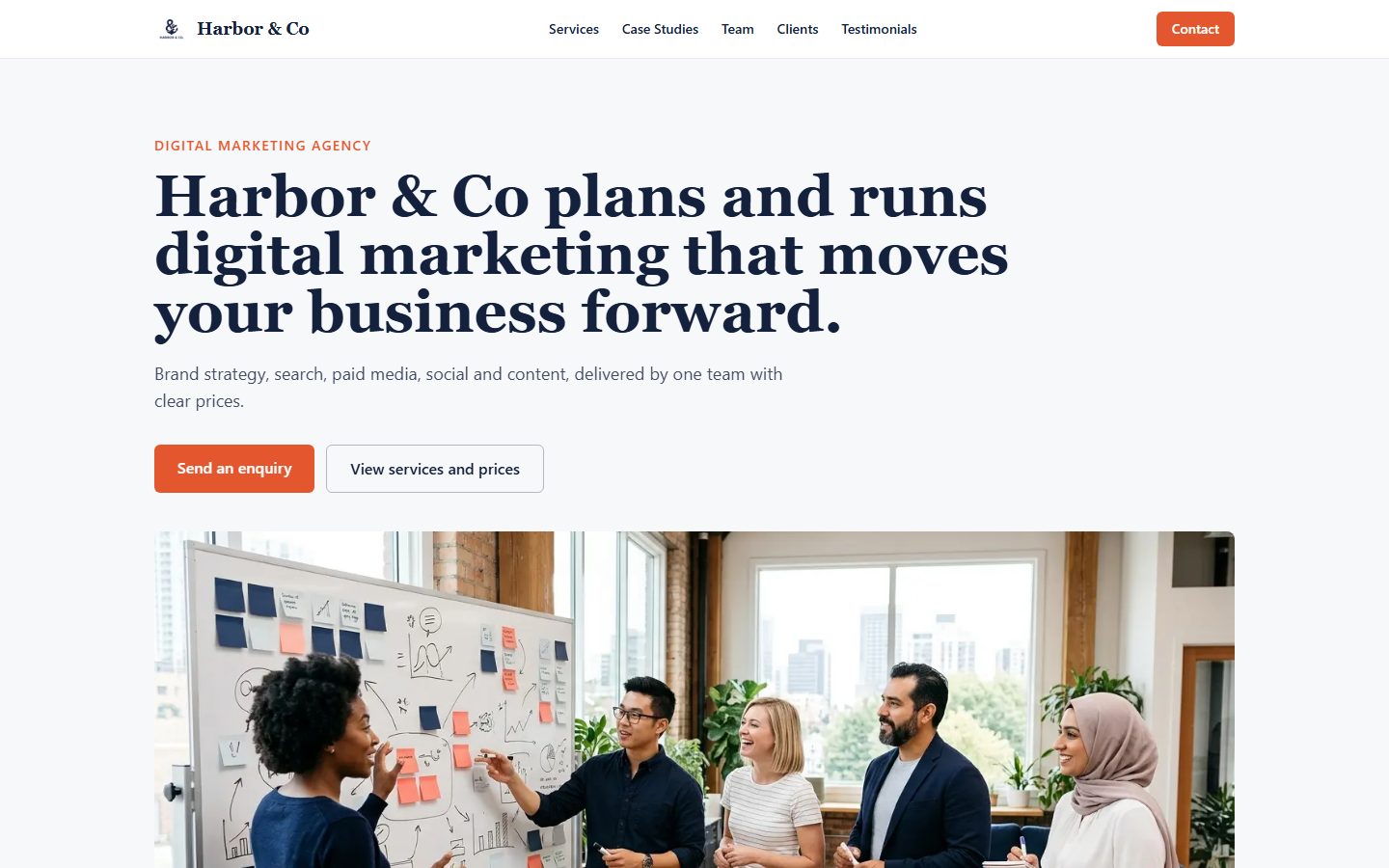
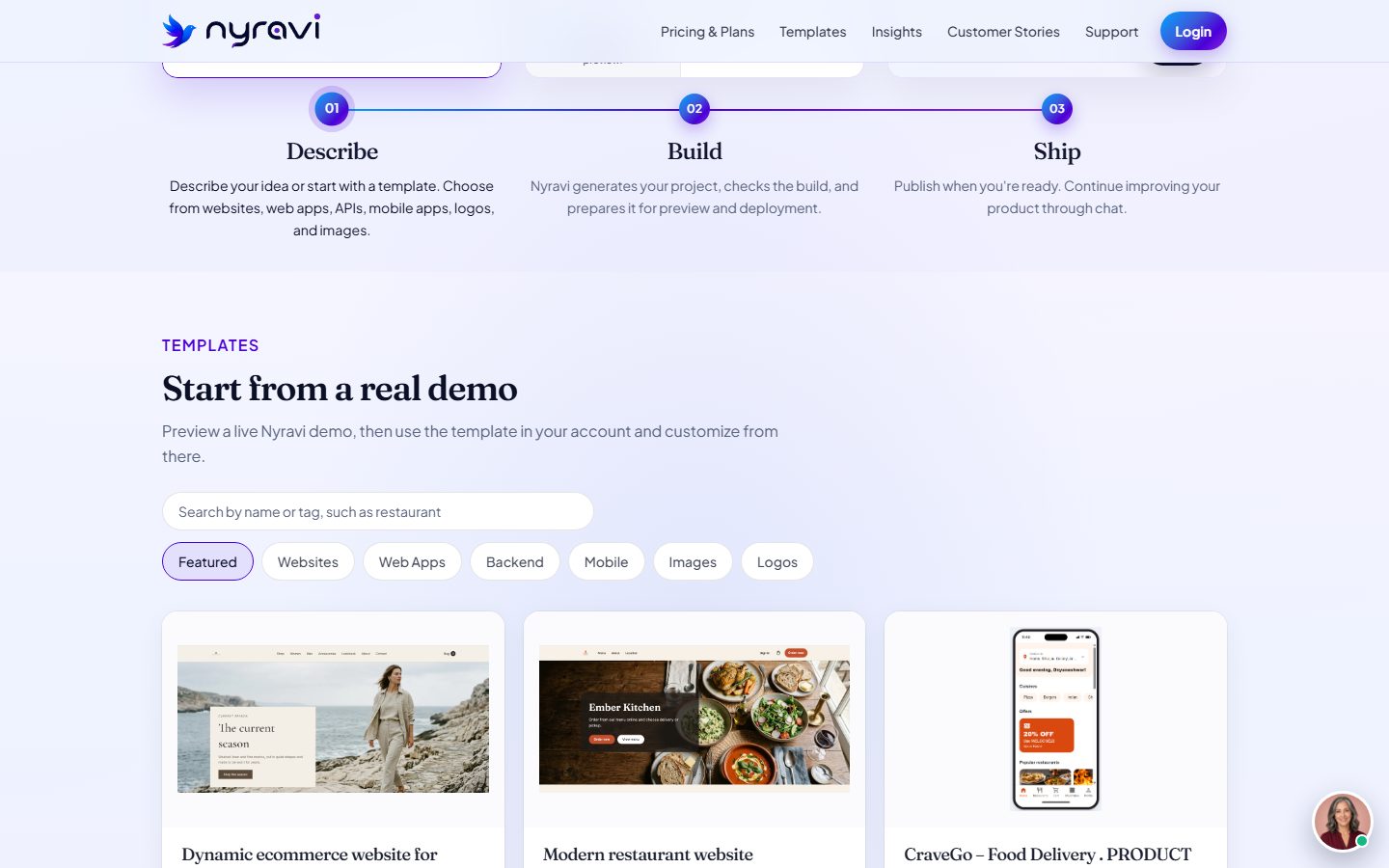
Start from the AI website builder or build a website with AI and describe your services, areas, and the three questions you want the page to answer.
Where a web app helps
A web app helps when jobs, technicians, AMC dates, parts, and invoices are spread across notebooks and chat groups, and when the owner cannot answer “which jobs are open today and who has the van?”. A signed-in board with job cards, assignment, status, AMC renewals, and parts used gives the owner and dispatcher one answer.
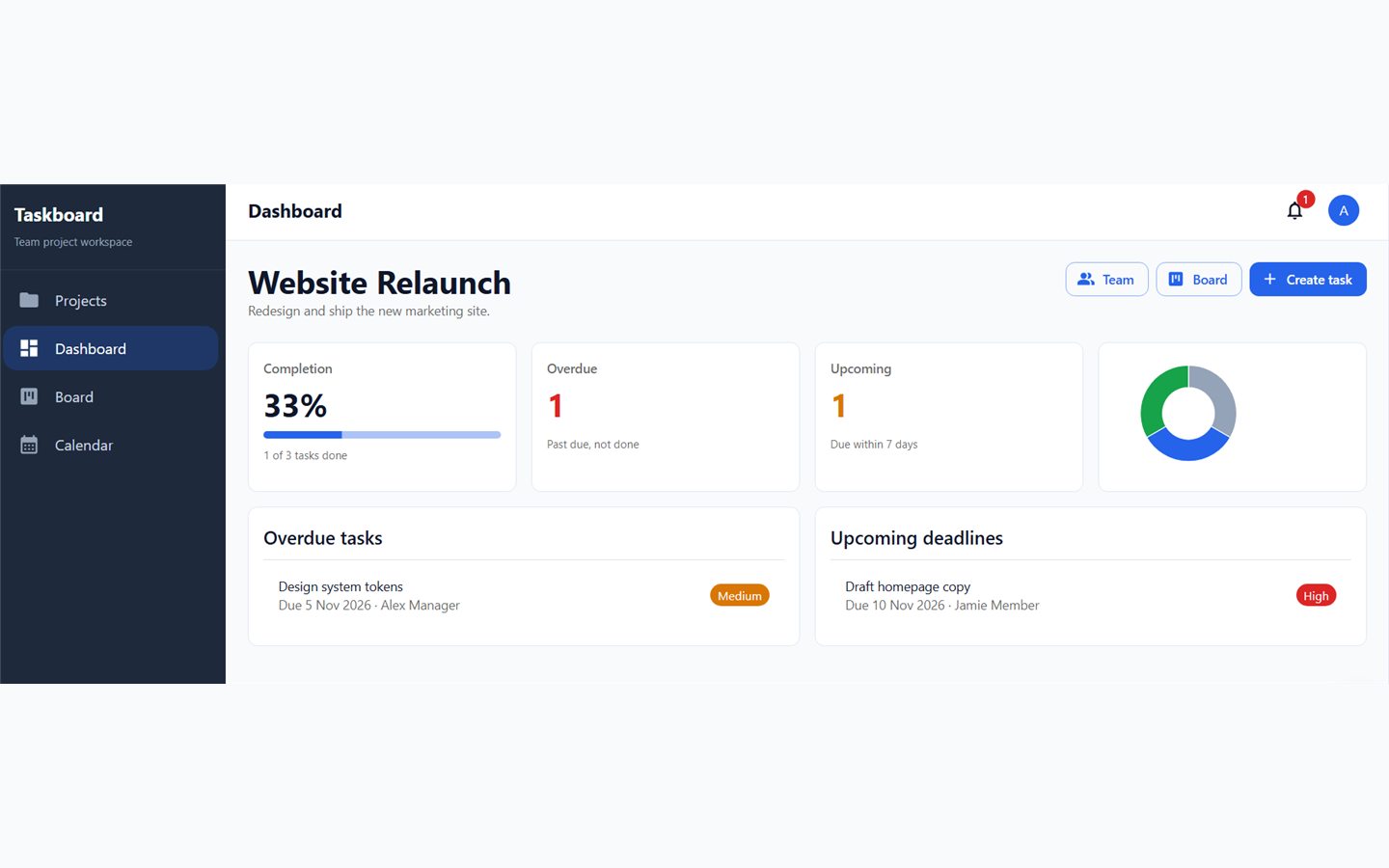
Open the AI app generator, the AI web app builder, or the inventory app builder for spares and stock, and describe job cards, AMC schedule, parts, and daily route as the main screens.
Where a mobile app helps
A mobile app suits technicians who need today’s jobs, customer address and map link, brand and model details, a checklist, photos before and after, a parts-used log, and a way to collect a digital signature. Build it after your paper job card works for a month. Start from the AI mobile app builder.
Where a logo and brand mark help
A recognisable mark appears on your van, uniforms, job cards, WhatsApp profile, and the sticker you leave on the indoor unit with the next service date. A clean mark makes your technician look like a professional, and the sticker keeps your number in the home. Use the AI logo generator and test the result on a van door, a polo shirt, and a small sticker.
A ninety-day plan if you are starting
- 1
Days 1 to 15
Survey the market, list competitors, count shops and offices within 10 km, decide your lead pool, and build your start-up and fixed-cost sheet.
- 2
Days 16 to 45
Hire or partner with two good technicians, buy tools, sign dealer terms, build a rate card, and set your warranty and AMC terms.
- 3
Days 46 to 70
Build your website and Google profile, meet builders and interior designers, and run a pre-season service offer to your first 100 contacts.
- 4
Days 71 to 90
Run the first jobs, track first-time fix rate and callbacks, collect reviews, and sell your first AMCs.
A ninety-day plan if you already operate
- 1
Days 1 to 15
Measure honestly: margin by job type, callbacks, first-time fix rate, AMC count, receivables, and unanswered calls.
- 2
Days 16 to 45
Fix the biggest leak, usually pricing without a rate card, repeat gas charging, or poor routing. Build your customer list with brand, model, and last service date.
- 3
Days 46 to 70
Launch an AMC offer and a reminder campaign, automate booking replies, and meet five commercial prospects.
- 4
Days 71 to 90
Lock the weekly scoreboard, set an off-season plan, and only then consider a second shop or van.
Common failure patterns
- Discounting units until the margin is smaller than one service call
- No rate card, so every technician quotes a different price
- Repeat gas charging that hides a leak and brings the customer back angry
- Unanswered calls and chats in the hottest week of the year
- No customer list, so the next season starts from zero
- Holding heavy stock bought on credit before the season turns
- Sending technicians to unsafe outdoor-unit positions
- Letting skilled technicians leave in the off-season
- Ignoring warranty and callback cost until the month closes thin
When you are ready to build with Nyravi
Use this guide to decide what the business needs. When the next step is a service website, a job and AMC board, a technician mobile app, or a logo for your van and stickers, open Nyravi and describe that product. Keep the brief short: who uses it, what they open first, and what they finish.
If you want help writing that description, ask on Support. Start on the [home page](/), or jump to the product pages linked above. For WhatsApp chatbots, start at cognitivesys.io. The operation comes first. The build carries the system once the system is clear.
Questions
How do I start an AC and refrigeration business in India?+
Start with a service-led model: two skilled technicians, tools, a vehicle, a rate card, and warranty terms, then add dealer margins and AMC contracts as cash allows. Register the business, sign dealer or service terms, build a Google profile and WhatsApp number, and plan cash for the off-season before you open.
How much investment does an AC service and sales shop need?+
A small service-and-sales shop often needs roughly ₹8 lakh to ₹20 lakh depending on stock, location, and vehicles, and a service-only start-up can be much lighter. The worked example in this guide totals ₹15,20,000, including four slow months of working capital. Your figure depends on city and brand terms.
How much profit does an AC dealer and service business make?+
A thin margin on units, often around 8% to 12% after installation costs, means profit comes mostly from service and AMC work. In this guide’s example, 260 units, steady service, and 150 AMCs leave about ₹1,29,000 a year, and growing to 400 AMCs lifts it to about ₹2,94,000. Track contribution by job type every month.
How do I price an AC AMC contract?+
Price an AMC from your cost per visit plus a margin: technician hours times hourly cost, travel, and consumables, multiplied by the number of visits. A two-visit plan at ₹1,500 leaves about ₹660 or 44% in this guide’s example. Offer a basic and a comprehensive tier, and state exactly what is and is not covered.
How do I get more customers for AC repair in India?+
Build a complete Google Business Profile, answer every call and WhatsApp within minutes, send a pre-season reminder to past customers, and tie up with builders, interior designers, and electricians. Ask for a review after every successful job and sell AMCs to clinics, restaurants, and small offices that cannot afford downtime.
How can I improve my AC service business?+
Raise first-time fix rate, cut callbacks, publish a rate card, and build an AMC book with reminders. Improve routing so technicians have more billable hours, price installation as a package instead of discounting units, and plan off-season work such as refrigeration contracts so skilled staff stay.
Can a WhatsApp chatbot help an AC or refrigeration business?+
Yes, a WhatsApp chatbot can collect brand, model, symptom, photo, and address, book a technician visit, send arrival updates, and remind customers about service and AMC renewals, while passing complex or commercial jobs to a person. CognitiveSys, the parent company behind Nyravi, builds WhatsApp chatbots. Start at cognitivesys.io.
Does an AC business need a website or a web app?+
An AC business benefits from a website for trust, service areas, and bookings, and from a web app once jobs, technicians, AMC dates, and parts outgrow notebooks and chat groups. The website helps customers choose you. The web app helps your team run the day. Start with the website and add the app when you handle many jobs.
Is this guide technical or safety advice?+
No, this guide covers business operations only. Refrigerant handling, electrical work, work at height, certifications, and warranty terms follow manufacturer instructions, applicable standards, and your state’s rules, so confirm them with qualified professionals and the authorities before you quote or promise anything.
Can Nyravi help after I read this guide?+
Yes, Nyravi can help you build the digital side: a service website, a job and AMC web app, a technician mobile app, or a logo for vans and stickers. Describe the product in plain language and ask on Support if you want help with the brief. For WhatsApp chatbots, start at cognitivesys.io.