

CA, accounting & bookkeeping firms
Accounting firm business: how to start, run, and improve one
A practical operations playbook for chartered accountancy practices, bookkeeping shops, and small accounting firms. Covers niche focus, engagement scope, retainer pricing, document-chasing, deadline calendars, realisation and utilisation, staff retention, WhatsApp chatbots for client questions, and when a website, client portal app, or logo actually helps. Practice management only, not tax or legal advice.
 Nyravi AILearn playbookNew CA and accounting practice founders and existing firm partners or managers
Who this guide is for
Read this if you are a CA or accountant starting your own practice, a bookkeeper growing into a small firm, or a partner whose firm is busy but never feels profitable. It is for owners who spend deadline weeks chasing documents, fix scope arguments after the work is done, and answer the same client questions on three different apps.
What an accounting firm really sells
Clients do not buy ledgers. They buy the quiet feeling that nothing will go wrong with a filing, a lender, or a notice. The firm that sells this feeling consistently becomes a trusted adviser rather than a once-a-year vendor.
Choose a niche and a service ladder
A generalist who serves everyone from freelancers to manufacturers competes on price. A firm known for restaurants, clinics, startups, e-commerce sellers, or trading businesses wins on understanding, and can systemise the work.
Decide these before you hire or discount
- Which two or three client types will you serve deeply?
- Which services form the core: bookkeeping, compliance, payroll, advisory, audit support?
- What does the ladder look like from a one-off filing to an annual retainer?
- What is your minimum client size that makes the work worthwhile?
- Which services will you refuse or refer out?
Office, tools, and cost reality
Prestige addresses and large offices do not make a practice profitable. Strong small firms start with a modest office or a hybrid setup, reliable software, and tight scope control, then add space only when headcount demands it.
Professional rules, engagement letters, and readiness
Get these in motion early
- Professional registration, firm registration, and any practice certificates your body requires
- Engagement letters that define scope, deliverables, fees, and client responsibilities
- Confidentiality, data-access, and document-retention habits staff follow every day
- A compliance calendar by client and a named owner for each deadline
- Professional indemnity or liability cover matched to your work
The team: partners, seniors, juniors, and a coordinator
Firms burn out when the partner is also the document chaser, the receptionist, and the reviewer of every file. Deadlines then pile up behind a bottleneck that has a signature.
Roles that keep the practice calm
- Partner or principal: client relationships, pricing, review sign-off
- Seniors or managers: planning, quality review, and complex queries
- Juniors or articles: data entry, reconciliations, and schedule preparation
- Client coordinator: onboarding, document requests, reminders, and status updates
- Operations or admin: billing, collections, and software
Pricing, retainers, and scope
Clients dispute bills when scope was never written. Fixed monthly retainers for defined work, plus clear rates for extras, keep both sides honest and give you predictable cash.
Pricing rules that protect margin
- Fixed monthly retainers with a defined list of included work
- Clear rates for out-of-scope work, notices, and rushed requests
- Pricing tied to transaction volume, entities, or complexity, not guesswork
- Advance or staged billing for larger one-off engagements
- Written late-document and payment-delay consequences
The client journey people can feel
A simple client journey
- 1
Discovery
What the business does, current set-up, pain points, deadlines at risk, and who owns what on their side.
- 2
Engagement
Written scope, fees, document list, and a calendar of what you need and when.
- 3
Onboarding
Secure access, history clean-up, opening balances, and a named contact for each task.
- 4
Monthly rhythm
Scheduled document requests, reconciliations, review, and a short summary the owner can read.
- 5
Review and renew
A quarterly conversation on numbers, risks, and whether scope still fits.
A simple weekly operating rhythm
Run the week on a scoreboard
- Daily: tasks due, documents awaited, client queries open, and filings in progress
- Twice weekly: overdue document requests and work stuck waiting on clients
- Weekly: hours by client versus fee, collections, unanswered chats, and review queue
- Monthly: realisation, utilisation, client profitability, scope creep, and staff workload
Money: the numbers that decide survival
Watch these every week
- Revenue and gross margin by client and by service line
- Billable utilisation by person
- Realisation versus standard value of time
- Receivable days and overdue fees by client
- Share of revenue from recurring retainers versus one-off work
ROI formulas you can use this month
Marketing that matches a real practice
Accounting marketing works when it sounds like a calm explanation, not a fear campaign. Business owners want to know who you serve, what you handle, and what a typical month looks like. Avoid guarantees about tax outcomes.
Channels that usually pay
- A website with niches served, services, team, and a book-a-call button
- Google Business Profile with accurate details and replies to reviews
- Referrals from bankers, lawyers, consultants, and business coaches
- Educational notes on deadlines and common mistakes, kept general and clearly non-advisory
- Local business networks and industry associations in your chosen niche
Reviews and reputation
Accounting reviews centre on responsiveness, clarity of communication, deadline reliability, and billing transparency. Reply politely and generally. Never disclose client details, even to defend yourself.
Referrals, marketplaces, and partner channels
Channel rules for accounting firms
- Give referral partners a simple intake path and a prompt reply
- Be selective with low-fee online marketplaces; they can crowd out profitable clients
- Agree written boundaries with bankers or consultants who introduce clients
- Own your client relationship and records, not a platform’s
- Say no to work outside your capacity or competence
Automation that frees the team
Automate these first
- Document-request reminders tied to your compliance calendar
- Status replies such as “received”, “in progress”, or “awaiting your input”
- Appointment booking for discovery and review calls
- Invoice reminders and review requests after a good milestone
Where a WhatsApp chatbot helps
Clients already ask on WhatsApp: “Did you receive my bank statement?”, “What documents do you need this month?”, “Can we have a call tomorrow?”, “What are your fees for a new company?”. When those messages sit across partners’ and juniors’ phones, files get lost and replies lag.
What a business WhatsApp chatbot is good for
- Answering office hours, services, onboarding steps, and document lists from your own facts
- Capturing new enquiry details such as business type, services needed, and urgency
- Sending deadline and document reminders you approve
- Confirming that a file arrived and who on the team owns it
- Handing the full thread to a named person the moment a question needs professional judgement
Why firms use it
- Clients stay on WhatsApp with no new app
- One shared inbox instead of staff’s private phones
- Fewer lost documents and fewer “did you get it?” follow-ups
- A faster first reply on new enquiries, where good clients are won
Use WhatsApp for conversation. Use your website for services and trust. Use a web app when the team needs a signed-in desk for tasks, deadlines, and client documents. See also the law firm and freelancer playbooks for neighbouring professional-service ideas.
Growing beyond one partner
Most firms grow best by becoming the obvious choice for one client type. Adding staff before systems exist multiplies chaos, so earn growth with templates, calendars, and a reliable review layer.
Ways to grow outward
- Productise a monthly bookkeeping and compliance package for a niche
- Add a quarterly advisory review as a paid service
- Hire a client coordinator before another senior
- Build referral relationships with banks and consultants
- Open a second office or add a partner only after realisation and utilisation are steady
Where a website helps
An accounting firm website should state who you serve, what you handle, how onboarding works, and how to book a first call. Real team photos and plain-language service pages build more trust than stock handshake images.
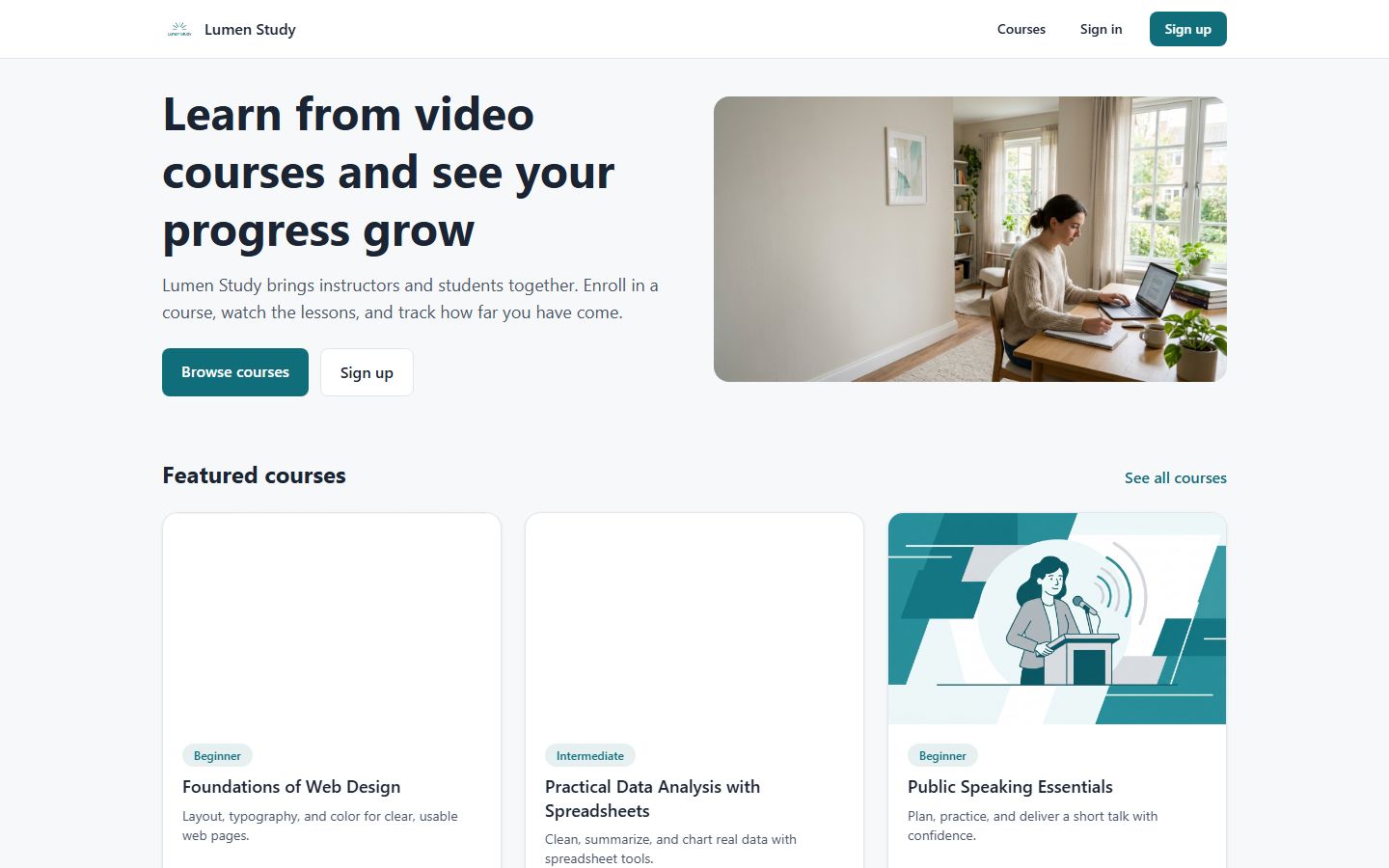
When you are ready to publish, start from the AI website builder or build a website with AI.
Where a web app helps
A web app helps when the team needs a signed-in tool: a client and task tracker, deadline calendar, document-request board, or simple client portal. Use it when spreadsheets, email threads, and chat groups already tell three stories.
Open the AI app generator or the AI web app builder when the internal desk, not the public page, is the bottleneck.
Where a mobile app helps
A mobile app suits owner-clients who want to upload bills, see deadlines, and approve items from a phone, or staff who track tasks while visiting clients. Build it after your document and deadline rhythm works. Start from the AI mobile app builder.
Where a logo and brand mark help
A logo will not fix a missed deadline, but it makes a dependable firm recognisable on letterheads, invoices, reports, and your WhatsApp profile. Keep it restrained and legible. When you need a mark, use the AI logo generator.
A ninety-day plan if you are starting
- 1
Days 1 to 15
Choose your niche, service ladder, and one-sentence promise. Draft an engagement letter and a scope-and-fee sheet.
- 2
Days 16 to 45
Sort registrations, indemnity, software, and a compliance calendar. Win two or three pilot clients through your network.
- 3
Days 46 to 70
Run the monthly rhythm, track hours against fees, collect feedback, and refine templates.
- 4
Days 71 to 90
Review client profitability, drop weak-fit work, and lock a weekly scoreboard before hiring.
A ninety-day plan if you already operate
- 1
Days 1 to 15
Measure honestly: realisation, utilisation, receivable days, overdue documents, response time.
- 2
Days 16 to 45
Fix one leak, usually unwritten scope or late documents, and update engagement letters.
- 3
Days 46 to 70
Add WhatsApp answers for top FAQs, introduce a reminder routine, and reprice the weakest clients.
- 4
Days 71 to 90
Lock standards into checklists and a weekly scoreboard. Only then hire, add services, or open another office.
Common failure patterns
- Taking any client at any price
- No written scope, so every extra is a dispute
- Chasing documents by hand every month
- Partner as bottleneck for every query and review
- Ignoring realisation and utilisation numbers
- Slow replies that push good clients to competitors
- Staff turnover from deadline-week overload
- Weak data-security and access habits
- Over-promising outcomes in marketing
- Adding headcount before systems exist
When you are ready to build with Nyravi
Use this guide to decide what the practice needs. When the next step is a public site, a task and deadline desk, a client app, or a brand mark, open Nyravi and describe that product. Keep the brief short: who uses it, what they open first, and what they finish.
If you want help writing that description, ask on Support. Start on the [home page](/), or jump to the product pages linked above. For WhatsApp chatbots, start at cognitivesys.io. The practice comes first. The build carries the system once the system is clear.
Questions
How do I start a CA or accounting practice with limited capital?+
Choose a niche, open with a modest or hybrid setup, and spend first on registrations, indemnity, reliable software, and a written engagement letter. Win a few well-scoped clients through your network before hiring.
How should an accounting firm price its services?+
Use fixed monthly retainers for defined work, tie pricing to volume and complexity, and set clear rates for out-of-scope or rushed work. Written scope prevents most billing disputes.
How can I stop chasing clients for documents?+
Give each client a calendar of what you need and when, send reminders on a fixed routine, and set an internal deadline earlier than the real one. Charge for rush work when it happens.
What metrics matter most for a small accounting firm?+
Realisation, billable utilisation, receivable days, share of recurring revenue, and client-level profitability. Review them monthly and act on the weakest one.
Should an accounting firm use a WhatsApp chatbot?+
Yes when clients already message for document status, office hours, and bookings, and those chats are spread across personal phones. A CognitiveSys WhatsApp chatbot answers from your own facts, captures new enquiries, sends reminders, and lets staff take over any thread. Start at cognitivesys.io.
Is this guide tax or legal advice?+
No. It covers practice operations only. Tax, audit, accounting, and ethical rules depend on your jurisdiction and change over time, so follow your professional body and take qualified advice where needed.
When does a firm need a web app instead of a website?+
When the team needs a signed-in tool for client tasks, deadlines, document requests, or a portal. A website helps prospects find and trust you. A web app runs the practice behind it.
How can a small firm grow without losing quality?+
Productise a niche package, hire a client coordinator before more seniors, build checklists and review layers, and add partners or offices only after realisation and utilisation stay steady.
Can Nyravi help after I read this guide?+
Yes. When you know whether you need a website, task and deadline web app, mobile app, or logo, open Nyravi and describe that product. Support can help you shape the brief. For WhatsApp chatbots, start at cognitivesys.io.