
Borewell drilling contractor
Borewell drilling business: how to start, run, and improve one
A practical operator playbook for starting, running, and improving a borewell drilling contracting business in India: what the business really sells, rig investment and per-foot contribution formulas, utilisation, seasonal cash, dry-hole policy, crew, enquiry-to-handover journey, local marketing, WhatsApp chatbots for site enquiries and bookings, and when a website, job-tracking web app, crew mobile app, or logo actually helps. Business operations only, not geological, groundwater, safety, or legal advice.
 Nyravi AILearn playbookFirst-time borewell rig owners, drillers turning into contractors, farm and plot owners’ service providers, and existing borewell contractors who want fuller rigs, cleaner contracts, and steadier cash
Who this guide is for
Read this if you are planning to buy a drilling rig and start a borewell business, if you work as a driller on someone else’s rig and want to run your own, or if you already own a rig and the year feels uneven: a rush of calls before the monsoon, idle weeks after it, customers who argue about the final depth, and payments that arrive late or not at all.
The playbook covers the business around the drilling: rig capacity, per-foot pricing, casing and add-ons, advances, dry-hole policy, crew, fuel, and trust. It is written for the contractor who owns the rig. If you also lay pipes and fix fittings in buildings, read the plumbing guide. If you rent out machines by the hour, see equipment rental. If you design rooftop power systems, the solar EPC guide covers that world. A borewell contractor sells a result that the ground controls, which is why the contract matters more than the machine.
What a borewell drilling business is
A borewell drilling business is a contracting business that uses a truck-mounted rig and compressor to drill narrow, deep holes into the ground, line them with casing where needed, test the yield, and hand the bore over to the customer for a pump to be installed. Revenue comes from a per-foot drilling rate, casing and accessories, flushing and yield testing, and often pump installation, and it is capped by rig-days available, diesel and bit costs, and the number of customers who pay promptly.
Terms you will use every week
- DTH rig: a down-the-hole hammer rig, widely used for hard rock, driven by a compressor
- Rotary rig: a rig that drills softer formations using a rotating bit and drilling fluid
- Per-foot rate: the price charged for each foot drilled, often quoted separately for different bore diameters
- Casing: pipe placed in the upper part of the bore to hold loose soil and keep the hole open, priced per foot or per length
- Flushing: blowing the hole clean after drilling and measuring the water that comes out
- Yield test: a measurement of how much water the bore gives, usually in litres per hour or gallons per hour
- Static water level: the depth at which water stands in the bore when it is not being pumped
- Dry bore or failed bore: a hole that gives no usable water at the depth drilled
A plumber connects water inside the building. An equipment rental company hires out machines and operators by the hour. A pump dealer sells the pump. A borewell contractor does the one job nobody else on the site can do: turn a plot of land into a place where water can be drawn, subject to what the ground allows. The thing you manage most carefully is not the rig. It is the written agreement about depth, price, and what happens if the hole is dry.
What a borewell contractor really sells
A farmer or a plot owner does not buy 400 feet of hole. They buy a chance at water, an honest explanation of the risk, and a team that finishes the job without damaging the property. The ground decides the outcome. The contractor decides whether the customer felt respected through the whole process.
A contractor who promises water, quotes low to win the job, and then argues about depth at the end will get a reputation in a week. The contractor who explains the risk, writes down the rate per foot, drills carefully, shows the flushing result, and caps the hole properly is the one the next three neighbours call.
Choose a focus before you buy a rig
Borewell drilling is a capital-heavy contracting business. The rig you buy decides the ground you can work, the diameter you can offer, and the depth you can reach. Choose the segment first and the machine second.
Decide these before you commit money
- Primary customer: farms and orchards, residential plots, housing societies and builders, industry, or public tenders
- Ground type in your area: hard rock, mixed, or softer formations, which sets the rig type and hammer choice
- Typical depth band you will drill, and the maximum depth your rig and permissions allow
- New rig or a well-maintained used one, and who will service it near your base
- Service radius that one crew can cover with a one-day mobilisation
- Pump supply and installation as a second line, or referral to a pump dealer
- Whether you accept tenders and government work with slower payment, or stay with private customers
Start-up and monthly cost formulas
A rig is bought with a loan and paid for with seasons. The rig, the compressor, and the support vehicle are the big numbers. The number that sinks contractors is the idle months, when instalments continue and the rig does not drill.
Per-foot contribution: what one job really earns
The quoted rate per foot is not what you keep. Diesel, hammer and bit wear, crew allowance, transport, and casing cost all come out of it. Calculate contribution per job, not revenue per foot.
Break-even and utilisation
The rig is the business. Every idle rig-day is rent paid for nothing. Because jobs vary in depth and travel, measure break-even in jobs and utilisation in rig-days, and watch both across the year, not only in the busy months.
Permissions, registration, and safety on the business side
Drilling affects groundwater, land, and public safety. The rules depend on state, district, and whether the area is notified for groundwater protection. Treat this section as a checklist of things to confirm, not as instructions.
Confirm each with a qualified professional and the authority
- Business registration, GST, and contractor licence for your firm
- Rig registration or permission to drill where the state or district requires it, including any notified groundwater zones
- Depth limits, spacing rules, and permissions for different land uses, such as irrigation, domestic, and commercial
- Casing, sealing, and sanitary protection practice for the bores you drill
- Fencing, capping, and sealing of any hole left open or abandoned, to prevent accidents, especially to children and animals
- Water-quality testing by an accredited laboratory, which is separate from your yield test
- Insurance for rig, crew, public liability, and third-party property damage
- Overhead power-line clearance, working-at-height practice for mast raising, and a crew briefing at each site
The team a borewell business needs
A contractor who personally operates the rig, quotes the jobs, and chases payments has a ceiling of a few jobs a week and no time for anything else. Past that, drilling, scheduling, site safety, and collections need separate people with written checklists.
Roles that keep rigs working
- Owner: pricing, rig purchase and loan, contract terms, customer relationships, and the monthly review
- Rig operator: drilling, depth log, safe mast handling, and daily rig checks
- Compressor driver and mechanic: compressor, engine, hammer, and bit maintenance
- Helpers: rod handling, casing, flushing, site clearance, and cleanup
- Site supervisor: depth sheet, casing length, safety briefing, and customer sign-off
- Coordinator: enquiries, site-visit scheduling, route clustering, advances, and payment follow-up
- Hydrogeologist or surveyor partner: site assessment on a fee basis where the customer wants one
- Pump installer on call or a tied-up pump dealer for the second stage
Pay the operator and supervisor a fixed salary plus a bonus for safe jobs, clean depth logs, and no rework, not for the number of feet drilled alone. A crew paid only per foot will rush, skip safety checks, and push for depth the customer did not agree to.
Fuel, bits, hammers, and rig maintenance
A rig that breaks down in the middle of a season costs more than a rig that is serviced on schedule. Diesel and bit wear are the largest variable costs, and both are controllable.
Maintenance and cost rules worth writing down
- A daily rig check: oil, coolant, hoses, mast pins, and guards, recorded by the operator before the first bore
- A bit and hammer register that logs feet drilled by each bit and the reason for retirement
- Diesel issued against a job sheet and reconciled each week with feet drilled, so theft and waste show up as a number
- Scheduled servicing of compressor and engine by hours, not by the calendar
- A spares kit for the three failures that happen most in your ground
- A breakdown contact for the rig manufacturer’s dealer, and a note of the nearest workshop for each work area
- A monthly review of cost per foot against the previous three months
Pricing: per foot, casing, flushing, and pumps
Customers compare the per-foot rate and forget the rest. Price the whole job, show the likely range, and explain what the customer pays whether or not water is found.
Build a quote you can explain in a minute
- Per-foot drilling rate for each bore diameter, with a note that the rate applies to the depth actually drilled
- Casing length and rate, with the policy for extra casing if loose strata are found
- Flushing and yield-test fee, and a statement that the yield is measured, not promised
- Mobilisation and transport charge by distance, and what is waived for a cluster of jobs
- Depth plan: an agreed target depth and a maximum depth beyond which the customer must approve in writing
- Pump supply and installation as a separate line, with a clear brand and horsepower, or a statement that the customer arranges it
- Payment schedule: advance at booking, interim payment at a depth milestone, and balance on completion
- A dry-bore policy: what the customer pays, what concession you offer for a second attempt, and what neither of you will claim
Advances, depth agreements, and dry-bore disputes
Most disputes in borewell work come from three words the customer remembered differently: depth, casing, and water. Write them down before the rig moves, and have the customer sign.
Terms worth writing down
- Target depth, maximum depth, and the rate per foot for each stage
- The statement that the contractor does not guarantee water and that the ground determines the result
- Casing length drilled, casing used, and the rate for any extra casing, recorded in the depth sheet at the site
- Advance percentage, what it covers, and how much is refundable if the job is cancelled before mobilisation
- The customer’s duty to provide access, clear the site, mark underground pipes and cables, and confirm ownership and permissions
- Damage responsibility for boundary walls, crops, and overhead lines, and the insurance that covers it
- Handover steps: capping, flushing result, yield reading, and a signed completion sheet
- A clause for stoppage because of rock hardness, tool loss, or safety concerns, drafted with a lawyer
The customer journey from enquiry to handover
Most borewell jobs are won by the contractor who answers first, visits the site, explains the risk plainly, and puts everything in writing. The customer asks three neighbours and often chooses the one who sounded honest.
A standard journey
- 1
1. Enquiry and site details
Reply within the hour. Ask the village or locality, the purpose of the bore, whether neighbours have bores, the access for a truck, and the preferred time.
- 2
2. Site visit and survey option
Visit the plot, check access and overhead lines, and offer a hydrogeologist survey as a paid option, while stating that no survey can guarantee water.
- 3
3. Written quote
Send a one-page quote with rate per foot, casing, test fee, depth plan, dry-bore policy, payment schedule, and a validity of 7 days.
- 4
4. Permission and advance
Confirm any required permission, collect the advance, and fix the date and the access plan.
- 5
5. Mobilisation
Arrive on time, brief the crew, mark the point with the customer, and check clearances before the mast goes up.
- 6
6. Drilling and logging
Record the depth, strata, and water strikes in the depth sheet, and inform the customer at each milestone before going beyond the target depth.
- 7
7. Flushing, test, and capping
Flush, measure yield, cap the hole, clean the site, and complete the handover sheet with photographs.
- 8
8. Pump stage, payment, and follow-up
Quote or refer the pump installation, collect the balance, and ask for a review and a referral after a week.
A simple weekly rhythm
Run the rig on a short scoreboard
- Daily: check tomorrow’s route, access, fuel, bits, and crew attendance, and confirm each customer by call or message
- Before each bore: walk the site with the supervisor, check overhead lines, mark the point, and brief the crew
- After each bore: depth sheet signed, hole capped, site cleaned, diesel reconciled, and photographs filed
- Weekly: enquiries, site visits, quotes sent, jobs booked, jobs done, advances collected, and balances overdue
- Weekly: rig-days used against available, feet drilled, diesel per foot, and bit life per bit
- Monthly: contribution by job type, dry-bore rate, concession cost, utilisation, and a list of customers waiting for a pump quote
Money: the numbers that decide survival
Watch these every week and every month
- Jobs booked for the next 14 and 30 days against rig capacity
- Advance collected against advance promised, and balances due by completion date
- Cash in hand against three months of instalments and crew retainer
- Receivables from builders, societies, and tenders aged 30, 60, and 90 days
- Diesel, bit, and hammer cost per foot compared with the last three months
- Dry-bore rate and the concession cost it creates
- Rig-days lost to breakdown, rain, and permission delays
ROI formulas you can use this month
Marketing a borewell business in India
Farmers and plot owners ask neighbours, village leaders, and pump dealers before anything else. Your marketing should therefore be proof first: real jobs, real references, safe handovers, and clear paper.
What moves bookings
- A complete Google Business Profile with service area, photos of the rig on real jobs, and quick replies to every review
- A written quote template that a customer can show to relatives and neighbours
- Referral ties with pump dealers, electricians, farm suppliers, civil contractors, and plot developers
- Village-level references: ask each happy farmer for two neighbours’ names and visit them with the customer’s permission
- Pre-summer and pre-monsoon outreach to past customers and to areas with falling water levels
- A short Hindi or local-language video explaining the process, your safety practice, and what the customer pays for
- Seasonal messages through WhatsApp groups, farmer cooperatives, and local radio or newspaper, tracked by a question at enquiry time
Reviews and reputation
A single story of a contractor who drilled deeper than agreed or left a hole open travels through a village faster than any advertisement. Reviews and references are not a side task. They are the most important sales tool in a trust business.
A review routine that works
- Ask for a review a week after handover, with a direct link or a recorded voice note for customers who prefer speaking
- Reply to every review within 48 hours, thanking the good ones and offering a call for the bad ones
- Tag each complaint by cause: depth dispute, delay, damage, cleanliness, price, or dry bore
- Fix the cause with the biggest count first and tell the crew what changed
- Never argue publicly and never post a reply that identifies a customer’s land or a family detail
Channels that bring work
Rank them by cost per booked job
- Referrals from past customers, pump dealers, and electricians: usually the cheapest and highest-converting
- Google Maps and local search: high intent when the profile and photos are strong
- WhatsApp groups of farmers, resident welfare associations, and plot owners: strong for seasonal outreach
- Builders, developers, and civil contractors who need bores for projects
- Panchayat, cooperative, and agricultural-supplier tie-ups where permitted
- Tenders and public contracts: useful for volume, but price in the cost of delayed payment
- Newspaper, wall paintings, and village hoardings: occasional, and tracked by a question at enquiry time
Track the source of every enquiry in one column of your booking sheet. After a season you will know which channel gives you booked jobs and which one gives you price-checkers.
Automation that frees the owner
Automate these first
- Acknowledgement and site-visit booking for every new enquiry, with a clear next step
- Quote delivery with the per-foot rate, casing, depth plan, dry-bore policy, and payment schedule
- Advance receipts and the day-before reminder with the access checklist
- Completion sheet and photographs sent to the customer after handover
- Pump quote follow-up two days after handover
- Review and referral requests a week after handover
- A weekly digest to the owner: new enquiries, site visits, jobs booked, rig-days free, balances overdue, and clusters to schedule
Where a WhatsApp chatbot helps
Customers message from a field, a bus, or a plot with a surveyor beside them: “What is the rate per foot?”, “Do you drill in our village?”, “Can the rig come next week?”, “How deep do you go?”. If those messages wait until the rig stops for the day at 7 pm, the customer has already agreed with another contractor.
What a business WhatsApp chatbot is good for
- Answering service area, rate range, process, and payment-schedule questions from facts you approve
- Collecting village, land use, purpose, truck access, and a location pin into one lead sheet
- Booking a site visit and sending a reminder with the supervisor’s name
- Sending quotes, advance receipts, the day-before checklist, and the completion sheet
- Explaining plainly that water cannot be guaranteed and what the customer pays in every case
- Handing the whole thread to a person for negotiation, safety concerns, or any dispute
Why borewell contractors use it
- Customers already live on WhatsApp and prefer sending a location pin to describing a route
- One shared inbox instead of the owner’s personal number
- Fewer repeat calls asking about rate and dates while the crew is on a rig
- Faster first replies, which is where borewell jobs are won
Use WhatsApp for conversation, your website for the proof, and a web app when bookings, depth sheets, and payments need to live in one place.
Growing a borewell drilling business
Growth is not only a second rig. It is more utilisation of the first one, a stronger pump and accessories line, steadier off-season work, and a name that lands the next job through a neighbour.
Ways to grow responsibly
- Raise utilisation with cluster scheduling before buying a second rig
- Add pump supply and installation as a standard second stage, with a clear brand and warranty
- Offer borewell servicing, flushing, and re-drilling for older bores on a fee basis
- Partner with a hydrogeologist and a water-testing lab so the customer gets one point of contact
- Take builder and society framework contracts with defined payment terms
- Train a second operator and supervisor before expanding the radius
- Keep four months of fixed costs in reserve before taking on a second rig loan
Where a website helps
Customers will visit your website before they call, often from a phone in the field. It should show your service area, rig type, depth range, how a job works, photographs of safe handovers, your rate approach, a location-pin enquiry form, and a WhatsApp button, in that order. A website that lists only a phone number loses to the contractor who answers every first question on one page.

Start from the AI website builder or build a website with AI and describe your area, the rig you use, and the three questions you want a customer to answer on the page.
Where a web app helps
A web app helps when bookings, depth sheets, casing used, diesel issues, advances, and balances outgrow a notebook and a spreadsheet, and when two people might promise the same rig on the same day. A signed-in job board that shows today’s route, jobs booked, balances due, and clusters to schedule gives the owner and coordinator the same answer.
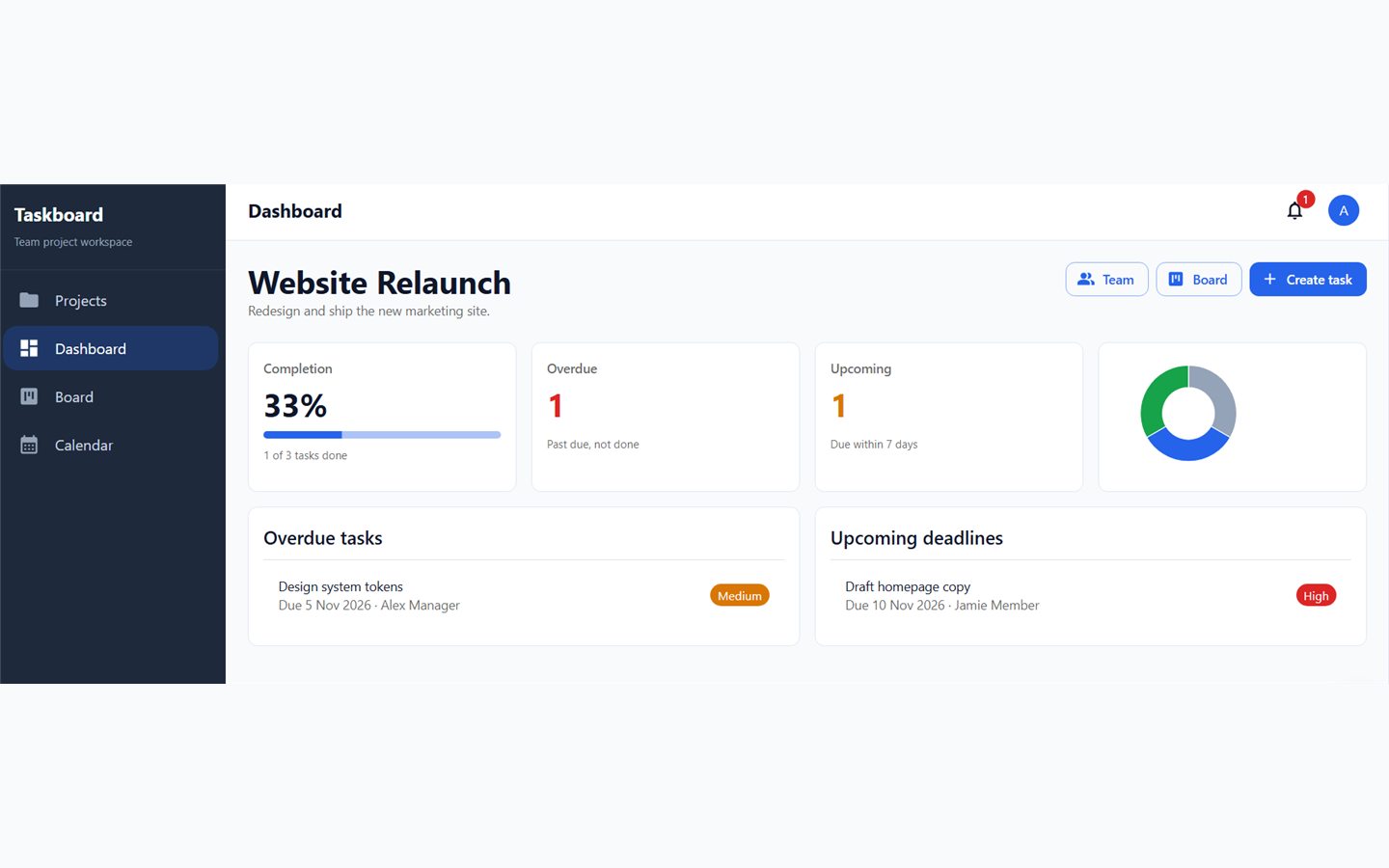
Open the AI app generator or the AI web app builder and describe the screens: booking calendar, job sheet with depth and casing, advance and balance tracker, diesel and bit log, and a customer list. Rig maintenance logs fit well in the inventory app builder.
Where a mobile app helps
A mobile app suits the site supervisor who needs today’s route, a depth-sheet form with photos, a location pin, a customer signature capture, and a push alert for a change of plan. Build it after your paper depth sheet works for a month. Start from the AI mobile app builder.
Where a logo and brand mark help
A clear name and mark appear on your rig, truck, uniforms, quotes, completion sheets, and WhatsApp profile, so they should look good in small sizes and on dark and light backgrounds. A rig with a clear name and phone number parked in a village for a day is a billboard the whole neighbourhood reads. Use the AI logo generator to explore marks, and test each on a truck door and a printed quote before you commit.
A ninety-day plan if you are starting
- 1
Days 1 to 15
Study the ground and demand in your radius, speak to three existing contractors and two pump dealers, confirm permissions with the authority, and write your start-up and fixed-cost sheet.
- 2
Days 16 to 45
Choose the rig, loan, and insurance. Hire the operator and supervisor, and write your quote template, depth sheet, and dry-bore policy with a lawyer.
- 3
Days 46 to 70
Build a simple website and Google profile, meet 20 pump dealers, farmers, and developers, and take a few jobs at a fair introductory price to build references.
- 4
Days 71 to 90
Measure cost per foot, rig utilisation, and break-even jobs, collect reviews, and fix the three biggest gaps before you spend more on advertising.
A ninety-day plan if you already operate
- 1
Days 1 to 15
Measure honestly: jobs by month, contribution per job, cost per foot, utilisation, dry-bore rate, disputes, and overdue balances.
- 2
Days 16 to 45
Fix one leak: a missing depth agreement, diesel waste, or late collections. Introduce a signed depth sheet and a capped-hole photograph on every job.
- 3
Days 46 to 70
Cluster the calendar by village, add a pump quote at handover, and introduce automated replies, reminders, and completion sheets.
- 4
Days 71 to 90
Lock the weekly scoreboard and plan the next off-season. Only then consider a second operator or a second rig.
Common failure patterns
- Buying a rig without budgeting for the idle months
- Quoting low to win the job and arguing about depth at the end
- Promising water, which the contractor cannot control
- No signed depth sheet, so casing and depth become a dispute
- Leaving a hole uncapped or unsealed at the end of the day
- Ignoring permissions and registration in notified areas
- Paying the crew only per foot, which pushes unsafe speed and extra depth
- No diesel and bit tracking, so cost per foot drifts upward unseen
- Taking on a second rig loan before the first runs at healthy utilisation
When you are ready to build with Nyravi
Use this guide to decide what the business needs. When the next step is a contractor website, a booking and depth-sheet board, a supervisor checklist app, or a brand mark for your rig and quotes, open Nyravi and describe that product. Keep the brief short: who uses it, what they open first, and what they finish.
If you want help writing that description, ask on Support. Start on the [home page](/), or jump to the product pages linked above. For WhatsApp chatbots, start at cognitivesys.io. The operation comes first. The build carries the system once the system is clear.
Questions
How do I start a borewell drilling business in India?+
Start by studying the ground and demand in your radius, confirming permissions and registration with the groundwater authority, and building a start-up sheet that includes the rig, compressor, support vehicle, bits, and four months of working capital. Hire an experienced operator and supervisor, write a quote template with a signed depth sheet and dry-bore policy, and meet pump dealers and developers before you advertise.
How much does it cost to start a borewell drilling business?+
A single-rig business can cost roughly ₹60 lakh to ₹1.5 crore in total depending on rig type, new or used, and loan terms, but your figure depends on the machine and state. The worked example in this guide totals ₹90,70,000 including a new truck-mounted rig and four months of working capital. Always add a reserve for the idle season.
How much profit does a borewell contractor make?+
Profit depends on rig utilisation and contribution per job, not on the headline rate per foot. In this guide’s example, a 400-foot job leaves ₹25,800 contribution, about 12 jobs a month cover ₹3,05,000 of fixed cost, and 230 jobs a year leave roughly ₹22,74,000 of profit. Track cost per foot and rig-days used every month.
How do I price borewell drilling?+
Price per foot of depth drilled, separate from casing, flushing and yield-test fees, and mobilisation, and state a target depth and a maximum depth that needs the customer’s written approval. Build the cost of a dry-bore concession into the rate, set an advance, interim, and final payment schedule, and never promise water. Review rates each quarter against diesel and bit cost per foot.
How do I market a borewell drilling business in India?+
Lead with proof and references: photos of safe, capped handovers, a written quote template, and fast replies on WhatsApp with a location pin. Build referral ties with pump dealers, electricians, farm suppliers, and developers, reach past customers before summer and monsoon, and track which source brings each enquiry so you spend only on channels that produce booked jobs.
How can I improve my borewell business?+
Cluster jobs by village to raise rig utilisation, sign a depth sheet with every customer, track diesel and bit cost per foot, and add a pump quote at handover. Collect advances and interim payments, photograph every capped hole, and review complaints monthly to fix the most repeated cause first.
Can a WhatsApp chatbot help a borewell contractor?+
Yes, a WhatsApp chatbot can answer service-area and process questions, collect village, purpose, and location pin, book site visits, and send quotes and completion sheets, while handing negotiation, safety, and disputes to a person. It should never promise water. CognitiveSys, the parent company behind Nyravi, builds WhatsApp chatbots and shared inboxes. Start at cognitivesys.io.
Does a borewell contractor need a website or a web app?+
A contractor benefits from a website for proof and enquiries, and from a web app once bookings, depth sheets, diesel, and payments outgrow a spreadsheet. The website helps customers trust you before they call. The web app helps your team avoid double-booked rig days and forgotten balances. Start with the website, then add the app when the calendar becomes hard to trust.
Is borewell drilling different from plumbing or equipment rental?+
Yes, a borewell contractor sells drilling a hole in the ground per foot and lives on rig utilisation and a written depth agreement, while a plumber works on pipes and fittings in buildings and an equipment rental company earns on machine hours. Read the linked plumbing and equipment rental guides for those sides.
Can Nyravi help after I read this guide?+
Yes, Nyravi can help you build the digital side: a contractor website, a booking and depth-sheet web app, a supervisor mobile app, or a logo for rigs and quotes. Describe the product in plain language and ask on Support if you want help with the brief. For WhatsApp chatbots, start at cognitivesys.io. This guide covers business operations only, not geological, groundwater, safety, or legal advice.