
Career counselling & admissions guidance
Career counselling business: how to start, run, and improve one
A practical operator playbook for starting, running, and improving a career counselling and admissions guidance business in India: what the business really sells, per-student contribution, counsellor capacity and break-even formulas, registration and ethical-practice rules on the business side, a counsellor and admissions team, package pricing, the student and parent journey from first call to admission, school and college partnerships, admission-season cash flow, local marketing, WhatsApp chatbots for enquiries and reminders, and when a website, student web app, counsellor mobile app, or logo actually helps. Business operations only. Not psychological, medical, or therapy advice, and no admission outcome is guaranteed.
 Nyravi AILearn playbookFirst-time career counsellors and admissions consultants, teachers and psychology or HR graduates turning an advisory skill into a business, school and college outreach professionals, and existing counselling firms that want steadier enrolments, better partnerships, and a more ethical, repeatable process
Who this guide is for
Read this if you want to help students and parents choose streams, courses, colleges, and career paths, whether that is Class 9 to 12 stream selection, graduate and postgraduate decisions, entrance-exam route planning, study abroad shortlisting, scholarship searches, or mid-career switches. It is also for a teacher, psychology graduate, HR professional, alumnus of a good institution, or admissions-office veteran who already gives informal advice and wants to turn it into a trusted, paid service. If you answer the same questions on WhatsApp every night and none of it is a business, this playbook is for you.
The playbook covers the business around the advice: assessment and session packages, counsellor capacity, admissions support, school partnerships, and ethics. If you teach subjects for exam scores, read the coach and tutor guide. If you teach a language for IELTS or visa tests, see language institute. If you place people into jobs for employers, the staffing agency playbook is closer. A career counselling business sells decision quality and process, not marks and not placements.
What a career counselling business is
A career counselling business is an advisory service that helps students, parents, and professionals make informed education and career decisions through assessments, structured counselling sessions, and, where offered, admissions and application support, priced as packages or workshops. Revenue comes from student and parent packages, school and college workshops, admissions support fees, and any disclosed institutional partnerships, and it is capped by counsellor hours, admission-season demand, and the trust you hold with families.
Terms you will use every week
- Career assessment: a structured tool that captures interests, aptitudes, and preferences, used as one input to a conversation rather than a verdict
- Counselling session: a scheduled conversation in which the counsellor explores options with the student and, where appropriate, the parents
- Shortlist: a ranked list of courses and institutions based on fit, cost, eligibility, and location
- Admissions support: help with applications, statements of purpose, documents, interviews, and deadlines
- Counsellor capacity: the number of students a counsellor can serve well in a month, based on session hours and preparation time
- Partner disclosure: the written statement to students of any commission or tie-up you have with an institution
- Cohort: students handled in the same admissions cycle, such as post-Class 12 results season
- Referral protocol: the written rule for when you stop and refer a student to a qualified mental-health or medical professional
A tutor sells marks in a subject. A placement agency sells candidates to employers. A career counselling business sells a better decision at a moment when families are anxious, money is at stake, and options are confusing. The product you manage most carefully is not the report. It is the quality and honesty of the advice.
What a career counselling business really sells
A parent does not buy three sessions and a psychometric report. They buy relief from a decision that feels too big: whether their child should take science or commerce, whether a private college is worth the fee, whether going abroad is realistic. A student does not buy a personality chart. They buy the sense that someone listened and showed a path that fits.
A counsellor who steers every student to the institution that pays the highest commission may win a season and lose a reputation across every school in the city. The counsellor who explains options honestly, discloses partnerships, and sometimes says that a cheaper path is better is the one families call again for the younger sibling.
How this differs from tutoring, language training, and recruitment
Owners often borrow models from nearby education businesses, and the borrowing creates the wrong cost sheet. A career counselling business sells advice and process, has few direct costs, and depends on counsellor hours and reputation. That changes how you price, staff, and measure.
Where the lines fall
- Coaching and tutoring: you teach subjects over months for exam results, usually in batches. A counsellor guides decisions in a few sessions. See coach and tutor for that model
- Language institute: you teach a language and prepare students for tests. A counsellor may refer students for test preparation. Read language institute
- Staffing and recruitment: you are paid by employers to place candidates. A career counsellor is paid by the student or family, which changes whose interest you serve. See staffing agency
- Therapy and mental-health counselling: that is a clinical service with its own training and regulation. A career counsellor works on education and work choices and must refer clinical needs onward
- Overseas education consultancy: a specialised version of admissions guidance with destination-country rules, which needs extra care on advertising and outcomes
Choose a focus before you print a brochure
Career guidance is a broad field. A new firm that offers stream selection, MBA coaching, study abroad, and mid-career change all at once serves none well. Pick the student, the stage, and the promise you can deliver every time, and let other requests be occasional referrals.
Decide these before you commit money
- Primary stage: Class 8 to 10 stream selection, Class 11 to 12 course planning, post-12 admissions, graduate and postgraduate choices, study abroad, or working-professional switches
- Client mix: individual students and parents, schools and colleges, or a mix with a clear priority
- Service model: assessment plus counselling only, or counselling plus full admissions support
- Geography: your city, nearby towns, or online across India, and the languages you counsel in
- Assessment tools: which validated tools you license, and which you will not use because you cannot interpret them well
- Partnership stance: fee-only advice, or disclosed institutional tie-ups with a written conflict-of-interest policy
- Which cases you will refer out, such as clinical concerns, legal immigration matters, or exams you do not coach
Start-up and monthly cost formulas
A career counselling business needs less equipment than most, but it needs trust, tools, and time. The big costs are not machines. They are the months before families find you and the months between admission seasons.
Student economics: what one package really earns
The headline fee is not what you keep once tools, reports, and payment fees are paid, and the counsellor’s hours are a limited resource. Calculate contribution per student and per workshop, and then check it against the hours you actually have.
Break-even: students per month and the mix that works
Because fixed cost is steady and admission demand is seasonal, break-even works best when you plan a mix of packages, workshops, and admissions support rather than one product. Know what a normal month looks like and what a quiet one costs you.
Registration, ethics, and compliance on the business side
Career counselling touches business law, consumer protection, advertising rules, data protection, and professional ethics. The framework depends on your structure, the services you offer, and your clients’ ages. Treat this section as a checklist of things to confirm, not as instructions.
Confirm each with a qualified professional and the authority
- Business registration, GST on advisory and education-related services, and any shop or establishment registration for your office
- Any registration or recognition required for the specific services you offer, particularly overseas education or test-related services, checked with the relevant authority
- Licences and permitted use for the assessment tools you deploy, and who is qualified to interpret them
- Consumer-protection and advertising rules, so that you never make guaranteed-admission, guaranteed-scholarship, or guaranteed-placement claims
- Written terms, refund policy, and scope of service that students and parents sign before payment
- Data protection for students’ personal information, with parental consent for minors and secure storage of marks, IDs, and reports
- Written disclosure of any commission, referral fee, or tie-up with colleges, universities, or test providers
- A referral protocol for mental-health concerns, immigration or legal questions, and any situation outside your competence
The team a career counselling business needs
A firm run by one counsellor has a ceiling of about sixteen students a month, and no relief when that counsellor is ill or in a school workshop. Past that, counselling, admissions, sales, and operations need separate hands, written playbooks, and supervision.
Roles that keep advice consistent
- Owner or lead counsellor: method, pricing, partnerships, ethics policy, and the monthly review
- Counsellors: assessments, sessions, shortlists, and written plans, with ongoing training and case review
- Admissions coordinator: applications, documents, deadlines, scholarship searches, and interview preparation
- Student and parent care executive: enquiries, bookings, reminders, and follow-up calls
- School and college relations lead: workshops, parent webinars, and teacher relationships
- Accounts: invoices, refunds, GST, payroll, and the monthly profit sheet
- A mental-health professional on a referral basis, so you know where to send a student who needs more than career guidance
Pay counsellors a fixed salary plus a visible bonus for student feedback, plan adherence, and ethics reviews, never for the number of admissions at a specific institution. A counsellor paid per admission will find reasons to push admissions.
The counselling process: assessment, sessions, and plan
A repeatable process turns a good counsellor into a business and keeps quality consistent when you hire. It also protects students from advice that depends on the counsellor’s mood or the institution’s commission.
A process worth writing down
- Intake: a short form capturing marks, interests, constraints, budget, family expectations, and the decision the student faces
- Assessment: a validated tool, administered and interpreted by a trained counsellor, treated as input and not as a verdict
- First session: listen to the student alone for part of the time, then bring parents in so the student’s voice is heard
- Option mapping: three to five realistic paths with eligibility, entrance routes, total cost, loan or scholarship possibilities, and outcomes data from reliable sources
- Written plan: a short document with the recommended path, alternatives, next steps, deadlines, and open questions
- Follow-up: a check-in after results or the next milestone, with the plan revised as facts change
- Case notes: confidential records of each student’s discussion, stored securely and shared only with consent
Ethics, boundaries, and what counselling is not
Families trust a career counsellor with decisions that shape years of a young person’s life. That trust is the business. Written boundaries protect students and protect you.
Boundaries worth writing down
- Career counselling is guidance on education and work choices. It is not therapy, diagnosis, or treatment of any mental-health condition
- If a student mentions self-harm, severe distress, abuse, or a medical issue, stop the career discussion, encourage them to speak to a trusted adult and a qualified professional, and share the numbers of emergency services and a recognised helpline
- Never promise an admission, a scholarship, a visa, or a job, and say so in the first meeting and in writing
- Disclose every commission, referral fee, or tie-up before you recommend an institution, and be ready to recommend one you earn nothing from
- Respect the student’s voice, and do not let a parent’s or counsellor’s preference override the student’s interests without discussion
- Do not use fear, scarcity, or comparison with other students to sell a package
- Protect student data and never share marks, reports, or case notes without consent
Pricing packages without over-selling
Families compare the fee on a flyer and rarely compare the quality behind it. A very low fee usually means a free assessment that leads to a hard sell for an institution. A fair price with a clear scope protects the family and your ethics.
Build a price sheet you can explain in a minute
- A short intro consultation, free or low-cost, with a clear statement of what it covers and what it does not
- A career clarity package: assessment, a fixed number of sessions, and a written plan, with the price and the hours stated
- An admissions support package: shortlisting, applications, statements of purpose, document checks, and interview preparation, with a defined scope and number of institutions
- Add-ons such as an extra session, parent-only session, scholarship search, or a follow-up check after results
- School and college workshop pricing per student or per session, with minimum size and materials included
- Refund policy: what is refunded if a student withdraws, and at what stage, shown before payment
- A clear statement of what you do not charge for and what you do not sell, such as guaranteed admissions
The student and parent journey from first call to admission
Most counselling decisions are made by the firm that responds kindly, explains clearly, and sounds like a calm voice in a stressful season. The family usually speaks to two or three firms and chooses the one that made them feel understood and not sold to.
A standard journey
- 1
1. Enquiry and listening
Reply within the hour. Ask the student’s class, the decision they face, the timeline, and who will attend, and offer an intro call.
- 2
2. Intro consultation
Explain the process, the scope, the fee, and what counselling cannot do, including the no-guarantee statement, and let the family decide in their own time.
- 3
3. Booking and consent
Collect the fee or first instalment, issue a receipt, and sign the terms, disclosure, and data-consent form, with parental consent for minors.
- 4
4. Assessment and intake
Administer the assessment, collect marks and interests, and prepare for the first session.
- 5
5. Counselling sessions
Hold the sessions, map options, and agree the next steps, with the student’s voice heard in every session.
- 6
6. Written plan and shortlist
Deliver a clear plan with recommended path, alternatives, costs, deadlines, and open questions.
- 7
7. Applications and follow-up
If admissions support is included, track deadlines, review documents, and check in after results and each round.
- 8
8. Outcome check and referral
Ask for feedback after the admission decision, share a review link, and ask for referrals to siblings and friends with consent.
Admissions support: shortlisting, applications, and timelines
Admissions support is where a counselling firm can add the most value and cause the most harm. Missed deadlines, wrong eligibility, and inflated expectations cost families lakhs. A tidy process is both a service and a safeguard.
An admissions discipline
- Build every shortlist from official eligibility, fee, and deadline pages, with the source and date noted, and refresh it before each decision
- Keep a deadline calendar per student with reminders at 30, 14, 7, and 2 days
- Check documents, marks, and certificates against the checklist before submission, never after
- Help students write their own statements, and do not write them in the student’s name or encourage plagiarism
- Share total cost of study, including living cost and loan interest, so that families see the real number
- Describe scholarships and loans honestly, and never promise one before it is awarded
- Record every submission and receipt in a student file, and share a summary with the family
Working with schools, colleges, and parents
Schools and colleges are the most efficient source of students for a career counselling firm, and also the most demanding. They want sessions that fit the timetable, materials that are age-appropriate, and a partner who does not use the school as a sales floor.
Partnership habits worth building
- Offer a clear workshop menu: stream selection for Class 9 to 10, course planning for Class 11 to 12, and a parent webinar for each cohort
- Agree in writing on fees, materials, student data, and whether any follow-up one-to-one sessions will be offered
- Keep school workshops free of institution promotion, and disclose any tie-up you have
- Give teachers and principals a short summary of what students asked, without identifying individuals
- Offer a parent session first, because parents often decide more than the student does
- Follow up after results season with a short guidance clinic for students who need a second look
Admission seasons, results, and cash flow
Counselling demand follows the academic calendar: board and entrance results, counselling rounds, application windows, and the weeks when parents panic. Cash follows the same curve, with quiet months in between when the team still needs to be paid.
Cash-flow rules worth following
- Map your calendar for the year, marking result dates, counselling rounds, and application deadlines for your focus segment
- Prepare marketing, school outreach, and capacity two months before each peak, not during it
- Collect fees in instalments tied to deliverables, such as assessment, sessions, and plan
- Build a quiet-month offer, such as a Class 9 and 10 stream workshop or a parent webinar, to keep revenue steady
- Do not hire before a peak without a plan for the quiet that follows
- Hold a reserve equal to three months of fixed cost before adding a second city, branch, or counsellor
A simple weekly rhythm
Run the business on a short scoreboard
- Daily: reply to every enquiry, check today’s sessions, confirm assessments, and review deadlines due this week
- Before each session: read the intake, assessment, and case notes, and prepare the option map
- After each session: write the case note, update the student file, and send the follow-up message
- Weekly: enquiries received, intro consultations held, packages sold, sessions delivered, counsellor utilisation, and payments due
- Weekly: application deadlines in the next 14 days, documents pending, and any student flagged for referral
- Monthly: contribution by package and workshop, conversion from consultation to package, feedback score, referral share, and a list of past students not contacted in six months
Money: the numbers that decide survival
Watch these every week and every month
- Intro consultations held and the share that convert to a package
- Contribution per package, per admissions student, and per workshop against plan
- Cash in hand against three months of fixed costs, because the quiet months will arrive
- Instalments due, refunds requested, and any fee overdue by more than 15 days
- Counsellor utilisation against capacity, so you know when to hire or to say no
- Receivables from schools and colleges, aged 15, 30, and 60 days
- Feedback score, complaint count, and the share of students who followed the plan
ROI formulas you can use this month
Marketing a career counselling business in India
Families choose a counsellor the way they choose a doctor: through trust, referrals, and the feeling that the person is competent and honest. Your marketing should be proof first: credentials, a clear method, real outcomes described honestly, and the calm tone of someone who has seen many students.
What moves enrolments
- A complete Google Business Profile with services, counsellor qualifications, photos of the office, and a number that is answered
- A clear method page that explains the assessment, sessions, plan, and what you do not promise
- Short, useful content such as stream-selection guides, deadline calendars, and fee comparisons, published on your site and shared in parent groups
- Free parent webinars before results and counselling seasons, with a clear next step for those who want one
- School and college workshops that leave teachers and principals with a useful summary
- Testimonials with consent, described honestly, and never presented as guarantees
- Pre-season outreach to past clients and families with younger siblings
Reviews and reputation
A career counselling firm lives on trust that spreads through school WhatsApp groups and parent circles. One story about a pushy sales pitch or a missed deadline can follow you through a city. Reviews are not a side task. They are the second most important sales tool after a calm, clear reply.
A review routine that works
- Ask for a review after the plan is delivered and again after the admission decision, with a direct link and a gentle prompt
- Reply to every review within 48 hours, thanking the good ones and offering a call for the critical ones
- Tag each complaint by cause: unclear scope, late response, missed deadline, pushy advice, or expectation mismatch
- Fix the cause with the biggest count first and tell the team what changed
- Never argue publicly and never post a reply that discloses a student’s marks, plans, or personal details
Channels that bring students
Rank them by cost per booked package
- Referrals from past families and from school teachers and principals: usually the cheapest and highest-converting
- School and college workshops with an ethical follow-up offer
- Parent webinars and talks in societies, clubs, and community groups
- Google Maps and local search: high intent when the profile and credentials are strong
- WhatsApp forwards of deadline calendars and stream guides within parent groups
- Partnerships with tuition teachers and coaching centres who want to refer students for guidance without losing them
- Educational events, fairs, and results-day clinics, tracked by the number of consultations booked
Track the source of every enquiry in one column of your student sheet. After a quarter you will know which channel gives you real students and which one gives you free-advice seekers.
Automation that frees the counsellor
Automate these first
- Acknowledgement of every enquiry, with the next step and a booking link for an intro consultation
- Intake forms and assessment links sent after booking, with reminders for incomplete forms
- Session reminders to students and parents 1 day and 2 hours before
- Deadline reminders to students at 30, 14, 7, and 2 days before each application date
- Instalment reminders with a link or UPI details and a receipt after each payment
- Post-plan feedback requests and a follow-up check after results
- A weekly digest to the owner: enquiries, consultations, packages, sessions, deadlines in the next 14 days, and payments due
Where a WhatsApp chatbot helps
Parents and students message at night and before results: “Which stream suits my daughter?”, “What is the fee for your package?”, “Can we book a call tomorrow?”, “What is the last date for this college?” If those messages wait until the counsellor finishes a school workshop, the family has already called another firm.
What a business WhatsApp chatbot is good for
- Answering service, package, fee, location, and process questions from facts you approve
- Collecting the student’s class, city, the decision they face, and a preferred time into one booking sheet and alerting a person
- Booking intro consultations and sending reminders with the counsellor’s name
- Sending intake forms, assessment links, session reminders, and deadline alerts
- Sharing payment links and receipts for instalments
- Handing the whole thread to a person for sensitive topics, refunds, complaints, and anything urgent
Why counselling firms use it
- Parents and students already live on WhatsApp and prefer it to calling during school hours
- One shared inbox instead of the counsellor’s personal number
- Fewer repeat questions about fees, dates, and what is included
- Faster first replies, which is where families decide
Use WhatsApp for conversation, your website for the proof, and a web app when student files, sessions, and deadlines need to live in one place.
Growing a career counselling business
Growth is not only more students. It is higher conversion, a stronger school pipeline, better utilisation, and more referrals, all without weakening the ethics that made families trust you.
Ways to grow responsibly
- Raise consultation-to-package conversion with a clearer process page and faster replies
- Build a school and college pipeline with annual workshop calendars and parent sessions
- Add an admissions support package for students who already trust you
- Train and supervise a second counsellor before running parallel peak-season sessions
- Offer a short quiet-month product, such as a Class 9 and 10 stream workshop, to smooth revenue
- Create a verified resource library of eligibility, fees, and deadlines that your whole team uses
- Keep three months of fixed costs in reserve before adding a branch or a second office
Where a website helps
Parents will visit your website before they call. It should show who you serve, your method, counsellor qualifications, packages and fees, a clear statement of what counselling cannot do, a partnership and disclosure page, sample plan outlines, reviews with consent, and a WhatsApp and booking button, in that order. A website with only a phone number and a stock photograph of graduates loses to the firm that answers every first question on one page.

Start from the AI website builder or build a website with AI and describe your students, packages, and the three questions you want a parent to see answered on the page.
Where a web app helps
A web app helps when student files, session notes, assessment links, deadlines, and instalments outgrow a spreadsheet, and when two counsellors might promise the same slot or miss the same deadline. A signed-in board that shows stage, next session, documents pending, and deadlines in the next 14 days gives the owner, counsellors, and coordinator the same answer.
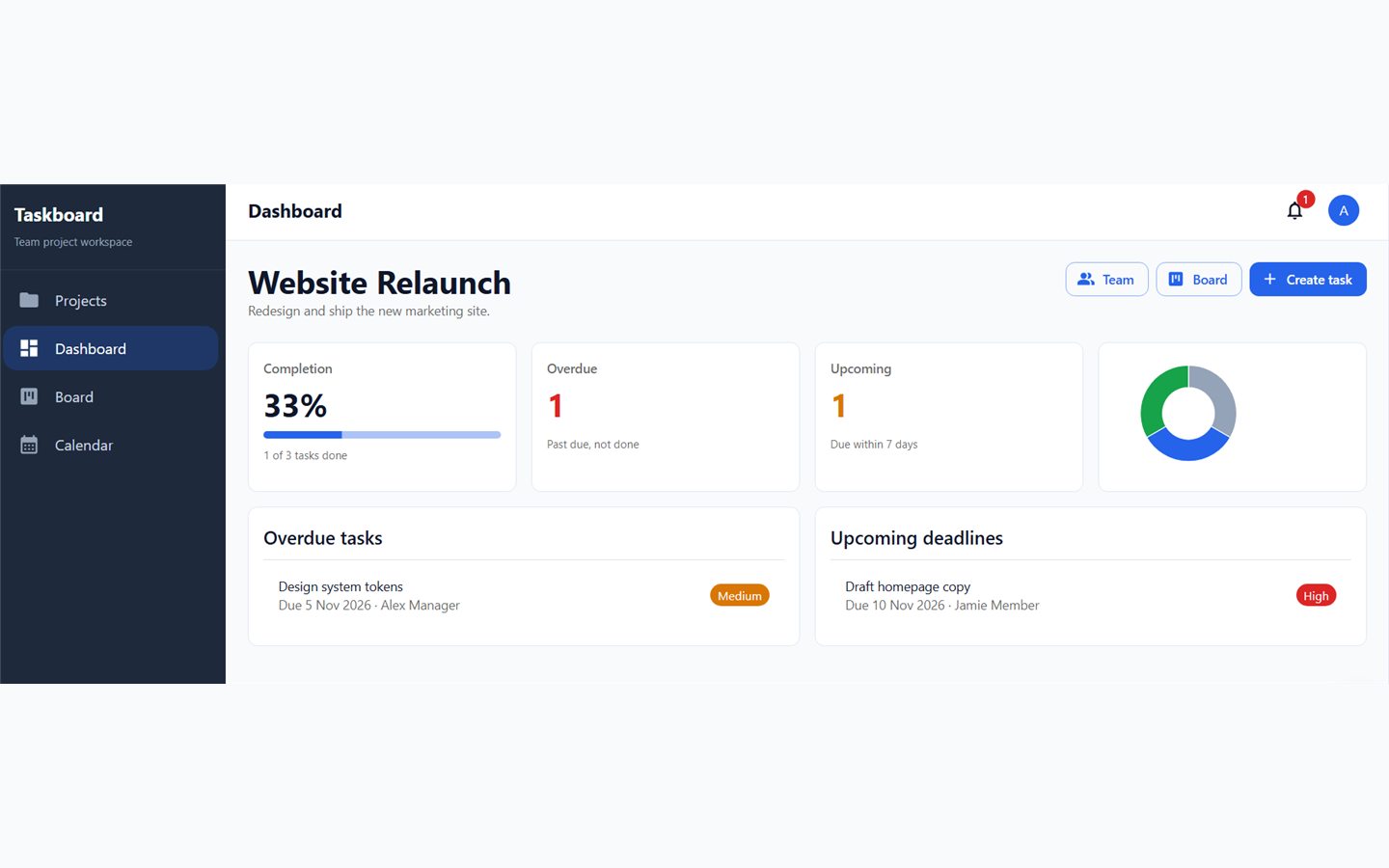
Open the AI app generator or the AI web app builder and describe the screens: student register, session calendar, case notes with access controls, deadline tracker, document checklist, and payments.
Where a mobile app helps
A mobile app suits the counsellor who needs today’s sessions, the student’s plan summary, a quick case-note form, a deadline alert, and a way to message a family between school workshops. It can also give students a simple view of their plan and deadlines. Build it after your tracker works for a full admission season. Start from the AI mobile app builder.
Where a logo and brand mark help
A clear name and mark appear on your signboard, brochures, workshop slides, report covers, and WhatsApp profile, so they should look good in small sizes and on dark and light backgrounds. A calm, credible mark suits a service built on trust better than a loud one. Use the AI logo generator to explore marks, and test each on a report cover and a school-workshop slide before you print.
A ninety-day plan if you are starting
- 1
Days 1 to 15
Study three nearby firms as a mystery enquirer, pick one student stage and one service model, shortlist licensed assessment tools, and write your start-up and fixed-cost sheet.
- 2
Days 16 to 45
Confirm registration and GST, write your process, scope, terms, disclosure, referral protocol, and price sheet, and run pilot sessions with ten students at a low or no fee.
- 3
Days 46 to 70
Build a simple website and Google profile, meet 15 principals, teachers, and tutors, and publish a deadline calendar and stream guide for your area.
- 4
Days 71 to 90
Sell your first packages, measure conversion, session hours, and feedback, collect reviews, and fix the three biggest gaps before you advertise more.
A ninety-day plan if you already operate
- 1
Days 1 to 15
Measure honestly: consultation conversion, contribution per package, counsellor utilisation, plan adherence, deadlines missed, and top three complaints.
- 2
Days 16 to 45
Fix one leak: unclear scope, slow replies, or missed deadlines. Clean up your student tracker and your terms and disclosure page.
- 3
Days 46 to 70
Contact past families with younger siblings, pitch school and parent workshops for the next cycle, and introduce automated reminders and deadline alerts.
- 4
Days 71 to 90
Lock the weekly scoreboard and plan the next two admission seasons. Only then consider a second counsellor, a second city, or new services.
Common failure patterns
- Budgeting for the office and tools but not for the quiet months between seasons
- Promising admissions, scholarships, visas, or placements that no counsellor controls
- Steering students to the institutions that pay the highest commission without disclosure
- Treating an assessment as a verdict and skipping the conversation
- Stepping into therapy territory instead of referring distress to a qualified professional
- Missing application deadlines because there is no single tracker
- Relying on one school or one season for most of the revenue
- Replying to enquiries the next morning
- Hiring several counsellors before the process is written and the first one runs well
When you are ready to build with Nyravi
Use this guide to decide what the business needs. When the next step is a counselling website, a student file and deadline board, a counsellor session app, or a brand mark for your reports and workshop slides, open Nyravi and describe that product. Keep the brief short: who uses it, what they open first, and what they finish.
If you want help writing that description, ask on Support. Start on the [home page](/), or jump to the product pages linked above. For WhatsApp chatbots, start at cognitivesys.io. The operation comes first. The build carries the system once the system is clear.
Questions
How do I start a career counselling business in India?+
Start by choosing one student stage and one service model, licensing validated assessment tools, and writing a process, terms, disclosure policy, and referral protocol. Build a start-up sheet that includes four slow months of working capital, confirm registration and GST, pilot with ten students, and meet principals, teachers, and tutors before you advertise. No admission, scholarship, visa, or job can be guaranteed.
How much does it cost to start a career counselling business?+
A small counselling firm can start with roughly ₹5 lakh to ₹15 lakh in total depending on the office, tools, and marketing, but your figure depends on the city and services. The worked example in this guide totals ₹10,60,000, including ₹60,000 of licences and training and ₹5,80,000 of working capital. Always add the quiet months to your plan.
How much profit does a career counselling business make?+
Profit depends on counsellor capacity, conversion, and the mix of packages, admissions support, and workshops. In this guide’s example, a blended month of 10 clarity students, 3 admissions students, and 1 school workshop contributes ₹2,02,100 and leaves about ₹57,100 after ₹1,45,000 of fixed cost. Track contribution per package and counsellor utilisation every month.
How much should a career counsellor charge?+
Charge from your cost per student, counsellor hours, local market, and the scope you promise, not from a guess. In this guide’s example, a ₹12,000 package with an assessment, three sessions, and a written plan leaves ₹10,960 per student and about 16 students a month per counsellor. State the scope, the hours, and the refund policy before payment.
How do I market a career counselling business in India?+
Lead with trust: a complete Google Business Profile, a clear method page, counsellor credentials, honest testimonials with consent, and fast WhatsApp replies. Build school and college workshops, run free parent webinars before results season, share deadline calendars and stream guides, and track which source brings each consultation so you spend only on channels that fill packages.
How can I improve my career counselling business?+
Raise consultation-to-package conversion with a clear process and fast replies, keep counsellor utilisation near 70% to 85%, and track deadlines in one tracker so none are missed. Build a school workshop pipeline for quiet months, ask every family for feedback, contact past clients with younger siblings, and review contribution, complaints, and plan adherence every month.
Can a WhatsApp chatbot help a career counselling firm?+
Yes, a WhatsApp chatbot can answer service, fee, and process questions, collect student details, book intro consultations, and send session and deadline reminders, while handing sensitive topics, refunds, and any distress to a person and never giving therapy or medical advice. CognitiveSys, the parent company behind Nyravi, builds WhatsApp chatbots and shared inboxes. Start at cognitivesys.io.
Does a career counselling business need a website or a web app?+
A counselling firm benefits from a website for trust, clear scope, and bookings, and from a web app once student files, session notes, and deadlines outgrow a spreadsheet. The website helps parents understand what you do and do not promise. The web app helps your team avoid missed deadlines and double-booked sessions. Start with the website, then add the app when the tracker becomes hard to trust.
Is career counselling different from coaching or therapy?+
Yes, career counselling guides education and work decisions through assessments, sessions, and plans, while coaching and tutoring teach subjects for exam results and therapy treats mental-health conditions. A career counsellor must refer clinical needs to a qualified professional and never promises admissions. Read the linked coach and tutor and language institute guides for the teaching businesses.
Can Nyravi help after I read this guide?+
Yes, Nyravi can help you build the digital side: a counselling website, a student file and deadline web app, a counsellor mobile app, or a logo for reports and workshop slides. Describe the product in plain language and ask on Support if you want help with the brief. For WhatsApp chatbots, start at cognitivesys.io. This guide covers business operations only, not psychological, medical, or legal advice.