
Electrical contractors
Electrical contractor business: how to start, run, and improve one
A practical operator playbook for starting, running, and improving an electrical contracting business in India: what an electrical contractor really sells, job costing and quote formulas, working capital and retention, licences and safety discipline, crew and supervisor roles, estimating, local marketing, WhatsApp chatbots for site enquiries and service calls, and when a website, project web app, site mobile app, or logo actually helps. Business operations only, not electrical engineering, safety-code, or legal advice.
 Nyravi AILearn playbookElectricians becoming contractors, small electrical contracting firms, wiring and maintenance contractors, and owners who want steadier margin and faster payments
Who this guide is for
Read this if you are a skilled electrician who wants to stop working for a contractor and win jobs yourself, if you already run a small crew and every month ends with a quotation that lost money, or if you have projects on hand but your own cash is stuck waiting for a builder’s payment. It is also for owners who do the wiring, the estimating, the buying, and the billing, and cannot take a day off without a site stopping.
The playbook covers the business around the cable: costing, quoting, crews, materials, cash, safety discipline, and reputation. If you work mainly through builders, read the builder and contractor business guide as well. For ongoing home repair calls, read home service business. For solar and automation lines, see solar EPC and industrial automation.
What an electrical contractor business is
An electrical contractor business is a project and service business that designs, installs, tests, and maintains electrical systems for homes, offices, shops, factories, and construction projects, billing for labour and materials either as a fixed contract or on measured work. Revenue comes from contracts and service calls, and profit depends on estimating accurately, controlling material waste, keeping crews productive, and collecting what you have earned.
Terms you will use daily
- Point or light point: a priced unit of wiring for one outlet such as a light, fan, switch, or socket
- Concealed and surface wiring: wiring in the wall in conduit versus on the wall in casing, with different cost and labour
- DB and MCB or RCCB: the distribution board with protective devices that make a circuit safe and serviceable
- Earthing: the protective connection that carries fault current safely away
- BOQ: bill of quantities, the itemised list of work and materials that a client or consultant sends for pricing
- Running bill: a staged invoice raised as work progresses, usually certified by the client or consultant
- Retention: a share of each bill held back by the client until the defect period ends
- Variation or extra: any work outside the original scope, to be agreed in writing before you do it
An electrician fixes a fault for a fee. An electrical contractor carries a scope, a schedule, a team, and a warranty, and gets paid at the end of it. A contractor who thinks like an electrician underprices, overworks, and runs out of cash. A contractor who thinks like a small business owner earns the margin on the whole job.
What clients really buy
A homeowner does not buy a hundred metres of wire. They buy a house where nothing trips, nothing sparks, nothing is hot to touch, and every switch is where they expect it to be. A builder buys a team that finishes on the date the plasterer and plumber need. A factory buys a plant that does not stop. Technical competence is the minimum. Reliability, neat work, and honest records are what win repeat jobs.
That is why the contractor with labelled DBs, a drawing set, test records, and a handover file earns more per job than the cheaper quote that leaves a mess of loose wires behind a false ceiling. Documentation is a product.
Choose a focus before you buy a tool
Electrical contracting covers a wide range, from a single flat to an industrial substation, and each segment needs different skills, licences, and cash. Chasing every enquiry is a fast way to take a job you cannot do safely or profitably.
Decide these before you commit money
- Residential wiring, commercial fit-outs, industrial maintenance, or a mix with a clear lead segment
- New-build contracts through builders versus retrofit and service work for end clients
- Which scopes need licences or qualified engineers that you do not yet hold, and which you will decline or subcontract
- Lump-sum, rate-per-point, or measured-work contracts, and the one you price best
- Materials supplied by you or by the client, and how you earn on each
- Service and AMC contracts for shops, clinics, and small factories that give steady cash between projects
- How far you will travel and the crew size you can supervise properly
Start-up and monthly cost formulas
Electrical contracting looks cheap to start because the main asset is skill. The real costs arrive in tools, testing equipment, vehicle, materials purchased ahead of payment, and the months you wait for a builder to release a running bill.
Licences, competency, and safety
Electrical work carries a risk of fire, shock, and death. Treat licensing and safe practice as part of the business, not as paperwork. Requirements vary by state, so treat this list as a checklist to confirm with the licensing authority and a qualified engineer, not as legal or engineering advice.
Items to confirm
- Contractor licence or registration and the supervisory competency certificates required in your state for the voltage and scope you handle
- Engineers or supervisors with the required qualification for jobs that need them, and a clear record of who signs off
- Business structure, PAN, GST registration, bank account, and MSME registration where it applies
- Labour rules for contract workers, provident fund and ESI where applicable, and insurance for site accidents
- Isolation, lock-out, and tag-out rules so no one works on a live circuit
- Earthing, RCCB protection, correct cable sizing, and testing records for each installation
- Personal protective equipment, insulated tools, and ladder and height-work safety
- Handover documents: circuit schedule, test readings, drawings, and warranty note
The team an electrical contractor needs
Crew quality is the product. A supervisor who checks every circuit before the plaster goes on saves a day of breaking walls later.
Roles that keep sites moving
- Owner: estimating, client relationships, cash, safety standards, and the monthly review
- Site supervisor or foreman: crew allocation, daily progress, quality checks, and material issue
- Electricians and helpers: wiring, fixing, termination, and testing, each with a defined skill grade
- Estimator or office coordinator: BOQ, quotations, drawings, and variation records
- Store keeper or purchase assistant: material receipts, issue register, and returns
- Accountant: running bills, retention, supplier payments, and payroll
- Safety lead: toolbox talk, PPE checks, and incident record, which may be the supervisor on a small team
Pay skilled electricians above the casual rate, give them a clear grade ladder, and keep them through slow months with service contracts. The best people leave for the contractor who pays on time.
Estimating, scope, and variation control
Most losses come from vague scope. A quote that says “full wiring” invites a dispute. A quote that lists points, brands, cable sizes, DB ratings, exclusions, and what the client must do before you arrive invites a clean job.
Scope habits that protect margin
- Do a site visit with a measuring tape and a checklist, not an estimate by phone
- List brands and cable sizes in the quote so the client compares like with like
- State exclusions, such as chasing and plaster repair, false ceiling work, or earthing pit civil work
- Fix a price for each extra point so variations are quick to agree
- Get every variation approved in writing or on WhatsApp before the crew starts
- Hold a pre-start meeting with the builder or interior designer to agree the work sequence
- Keep a single drawing set and mark changes, so you can prove what was done
Pricing, payment terms, and retention
Pricing and terms that protect cash
- Take a mobilisation advance, commonly 20% to 30%, before material is bought
- Raise running bills at agreed stages: conduiting complete, wiring complete, fittings complete, handover
- Keep payment terms in writing, and add a rule for interest or a stop-work notice on late payments
- Negotiate retention terms and defect liability period before signing, not after
- Price service calls with a visit charge, labour, and parts margin, and run AMCs for steady cash
- Offer good, better, and best material packages so the client chooses quality rather than haggling on price
- Refuse jobs from clients with a record of unpaid bills unless advance covers the exposure
The client journey from enquiry to handover
A repeatable job journey
- 1
1. Enquiry and qualification
Ask for location, type of work, area, timeline, and whether drawings exist, and decline jobs outside your licence and scope.
- 2
2. Site visit and measurement
Visit with a checklist, photograph the site, record the existing supply and load, and note risks.
- 3
3. Quotation
Send a written scope, brands, price, exclusions, payment stages, and warranty within two days.
- 4
4. Agreement and advance
Sign terms, collect the mobilisation advance, and share the work schedule.
- 5
5. Execution and checks
Run daily supervision, check conduits and cable sizes before the walls close, and record progress photos.
- 6
6. Testing and handover
Test insulation, continuity, earthing, and RCCB operation, label DBs, and give the client a handover file.
- 7
7. Final bill and warranty
Raise the final bill, agree the retention release date, and book a follow-up visit for any defects.
- 8
8. Referral and service
Ask for a review and offer a service plan, so the client calls you for the next fault.
A simple weekly rhythm
Run the business on a short scoreboard
- Daily: crew attendance, site progress, material issued, safety toolbox talk, and any site problems
- Twice weekly: material stock against upcoming sites and pending supplier deliveries
- Weekly: quotes sent, quotes won, running bills raised, payments received, and payments overdue
- Weekly: material issued against the BOQ, to catch waste or leakage early
- Monthly: margin by job, crew productivity, retention outstanding, and receivables ageing
- Quarterly: safety review, tool calibration, licences, and client feedback
Money: the numbers that decide survival
Watch these every week
- Cash in hand against the next four weeks of wages and supplier payments
- Receivables by client and number of days overdue
- Gross margin by job, compared to the quoted margin
- Material waste and unreturned stock by site
- Retention outstanding and the date each tranche is due
- Order book: confirmed work for the next 60 and 90 days
ROI formulas you can use this month
Marketing an electrical contractor business in India
Electrical work sells on recommendation. Builders recommend contractors who finish on time, interior designers recommend those who respect the design, and neighbours recommend whoever left the house tidy. Your marketing is reliability made visible.
What moves enquiries
- A Google Business Profile with service area, photos of labelled DBs and tidy work, reviews, and a WhatsApp number
- A portfolio of completed projects with before-and-after photographs and testimonials from builders and designers
- Relationships with architects, interior designers, builders, and plumbers who need a dependable electrical partner
- Society and RWA presence for service calls and upgrade work such as DB replacement and inverter wiring
- An annual safety-check offer for homes and shops: testing, tightening, and a written report
- Supplier relationships with distributors who recommend contractors for projects
- A short brochure with your licence details, scope, and sample projects
Reviews and reputation
A review from a builder that says “handed over on time and the panel was neat” is worth more than any pamphlet. A review that says “left a mess and charged extra” can cost a year of leads.
A review routine that works
- Ask for a review at handover, with a direct link and a short request
- Collect testimonials from builders and designers that mention timelines and neatness
- Reply to every review within 48 hours, and call unhappy clients before replying in public
- Tag complaints: delay, extra charges, mess, defect, or behaviour, and fix the most common cause first
- Keep photographs of your cleanest sites for the portfolio, with client permission
Channels that bring work
Rank them by cost per job
- Repeat clients and referrals from builders, architects, and designers
- Google Maps and local search for homeowners who need quick service
- Supplier and distributor recommendations for project leads
- Society and market association relationships for recurring service calls
- Online service marketplaces: useful for volume, but check commission against your margin
- Tender and consultant lists for commercial and industrial work, if you hold the required credentials
- Direct outreach to new apartment projects, clinics, and shop owners with a safety-check offer
Record the source of every lead in a single sheet for a quarter. You will see which channel brings high-value jobs and which brings only price comparisons.
Automation that frees the owner
Automate these first
- Replies to common questions: service area, licence, brands, quote process, and visit charge
- Site-visit booking with a calendar and a reminder to the client and the supervisor
- Quotation and invoice delivery with a clear payment link or bank detail
- Payment reminders at due date, three days late, and a week late
- Daily crew and material report to the owner from the site supervisor
- Maintenance and safety-check reminders for past clients
- A weekly owner summary: leads, quotes, wins, receivables, and open snags
Where a WhatsApp chatbot helps
Clients message while the crew is on site: “Need rewiring for a 2 BHK, what is the cost?”, “MCB keeps tripping, can someone come today?”, “Do you do shop fit-outs?”, “Can you send the quotation format?”. If the owner is on a ladder, those messages wait, and clients message the next contractor on the list.
What a business WhatsApp chatbot is good for
- Answering service area, scope, visit charge, and quote process from facts you approve
- Collecting location, type of work, area, photos, and preferred visit time into a lead sheet
- Booking a site visit and sending a reminder with the supervisor’s name
- Sending quotation, invoice, and payment reminders
- Sending service and safety-check reminders to past clients who agreed to receive them
- Handing the thread to a person for pricing, safety-critical, or urgent fault calls
Why electrical contractors use it
- Clients already prefer WhatsApp and can send photos of the panel or the fault
- One shared inbox instead of the owner’s personal number
- Fewer missed leads during site hours
- Faster first replies, which decide who gets the site visit
Use WhatsApp for conversation, a website for your portfolio and credentials, and a web app when jobs, crews, material, and bills need one live board.
Growing an electrical contracting business
Growth means more profitable projects and steadier cash, not only more sites at once. The risk is taking on too many sites with thin supervision, so quality drops and payments slow.
Ways to grow responsibly
- Promote a supervisor to site manager before taking on a second large project
- Build a service and AMC base for shops, clinics, and small factories to smooth cash
- Specialise in a profitable niche such as home automation, EV charger wiring, or LED retrofits, after you can do the basics well
- Partner with builders and designers who value reliability and pay on time
- Standardise estimating sheets, checklists, and handover files
- Keep two months of fixed cost and wages in reserve before bidding for a larger contract
- Review payment history before every new contract, and drop slow-paying clients
The interior design and hardware store playbooks show how neighbouring trades think about supplier terms, project sequence, and client expectations.
Where a website helps
A website helps a builder, designer, or homeowner decide whether to call you. It should show the types of work you do, your licences and certificates, completed projects with photographs, a short process, service areas, a quote request form, and a WhatsApp button. Clean photographs of labelled panels do more for your reputation than any claim of quality.

Start from the AI website builder or build a website with AI and describe your services, area, and the questions a builder would ask first.
Where a web app helps
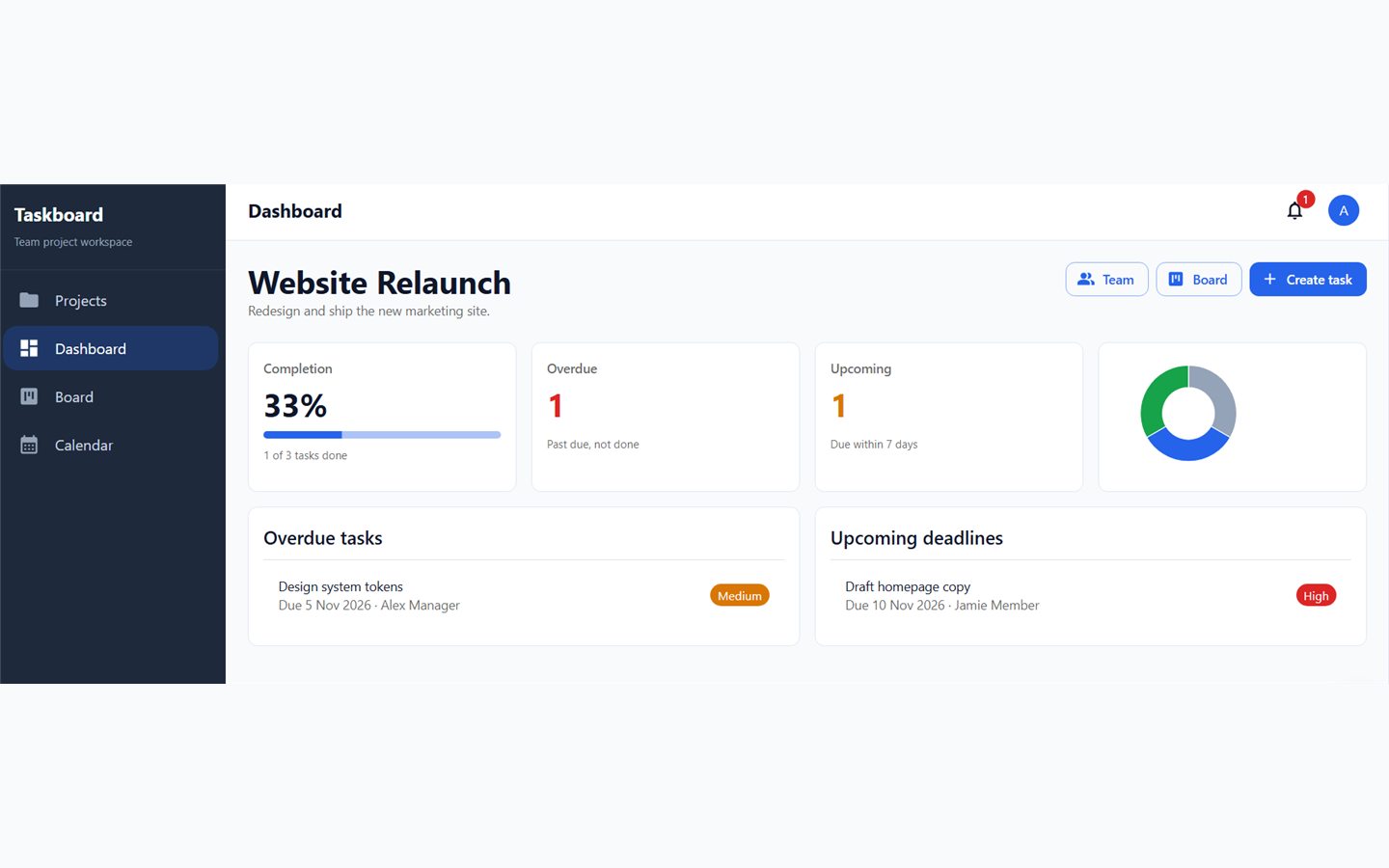
A web app helps when two or more sites run at once and the owner cannot answer “which crew is where, what material is issued, and what bill is pending?”. A signed-in board with sites, crews, material issue, running bills, retention, and snag lists gives the owner and supervisor one version of the truth.
Open the AI app generator or the AI web app builder, and use the inventory app builder for the material store, issue, and return register.
Where a mobile app helps
A mobile app suits supervisors and electricians who need today’s site list, a checklist for each stage, a photo upload for concealed work, material issue and return, attendance, and a way to capture a client sign-off. Build it after your paper checklist works for a month. Start from the AI mobile app builder.
Where a logo and brand mark help
A clean mark appears on your uniform, van, quotation, DB labels, and the sticker you leave on the panel with your service number. Builders and clients notice contractors whose paperwork looks organised. Use the AI logo generator and test the result on a shirt pocket, a van door, and a small panel sticker.
A ninety-day plan if you are starting
- 1
Days 1 to 15
Confirm your licence and competency requirements, choose your lead segment, collect rate data from three suppliers, and build your start-up and fixed-cost sheet.
- 2
Days 16 to 45
Buy tools and testers, build your quotation and handover templates, hire a supervisor or experienced lead, and define a rate card for points, DB work, and service calls.
- 3
Days 46 to 70
Meet 20 builders, designers, and distributors, publish a simple website and Google profile, and bid for your first jobs at a margin you have costed.
- 4
Days 71 to 90
Run your first sites, measure margin against the quote, collect testimonials, and fix your biggest cost leak before taking a larger contract.
A ninety-day plan if you already operate
- 1
Days 1 to 15
Measure honestly: margin by job, material waste, receivables, retention, win rate, and unanswered leads.
- 2
Days 16 to 45
Fix the biggest leak, usually underpriced points, late billing, or free variations. Introduce a written variation rule and a payment-stage schedule.
- 3
Days 46 to 70
Start a service and AMC offer, automate enquiry replies and payment reminders, and meet five builders or designers.
- 4
Days 71 to 90
Lock the weekly scoreboard, collect overdue payments, and only then bid for a larger project.
Common failure patterns
- Quoting without a site visit and finding the extra work after the price is agreed
- Pricing points below cost to win a job
- Doing variations as favours
- Taking materials on credit with no advance from the client
- Letting a builder’s payment run to 90 days with no stop-work rule
- Skipping earthing, testing, or labels to save time
- Taking a licence-dependent job you are not qualified to sign off
- Running three sites with one supervisor
- No handover file, so the same questions return as warranty calls
When you are ready to build with Nyravi
Use this guide to decide what the business needs. When the next step is a contractor website, a site and billing board, a supervisor mobile app, or a logo for your van and panel labels, open Nyravi and describe that product. Keep the brief short: who uses it, what they open first, and what they finish.
If you want help writing that description, ask on Support. Start on the [home page](/), or jump to the product pages linked above. For WhatsApp chatbots, start at cognitivesys.io. The operation comes first. The build carries the system once the system is clear.
Questions
How do I start an electrical contracting business in India?+
Confirm the contractor licence and supervisory competency your state requires, choose a lead segment such as residential or commercial wiring, buy tools and testing instruments, and build a costed rate card for points, DB work, and service calls. Win your first jobs through builders, designers, and neighbours, and keep three months of working capital for material and wages.
How much does it cost to start an electrical contractor business?+
A small contractor often needs roughly ₹5 lakh to ₹12 lakh for tools, testers, a vehicle, deposit, licences, and working capital, and the figure depends on city and scope. The worked example in this guide totals ₹8,80,000, including three months of working capital. Materials bought ahead of payment are the cost most new contractors underestimate.
How do I price an electrical job?+
Add materials, wastage, labour, and travel to get direct cost, then divide by one minus your target margin: for example ₹80,180 ÷ 0.75 gives about ₹1,07,000 at a 25% margin. Quote per point using the same method, list brands and exclusions, and price extras separately before the crew starts.
What profit margin should an electrical contractor aim for?+
Many contractors aim for a gross margin of roughly 20% to 30% on jobs, enough to cover fixed cost and leave a profit after retention and slow payments. In this guide, a 24% blended margin needs about ₹4,46,000 of work a month to cover ₹1,07,000 of fixed cost. Measure the actual margin on each completed job against the quote.
How do I get more electrical contracting work?+
Build relationships with builders, architects, designers, and distributors, keep a portfolio with clear photographs of labelled panels, and maintain a strong Google profile with reviews. Reply to enquiries quickly, visit sites with a checklist, send a written quote within two days, and offer annual safety checks to past clients.
How can I improve cash flow as an electrical contractor?+
Take a mobilisation advance, raise running bills at agreed stages, set late-payment terms in writing, and negotiate retention terms before you sign. Track receivables weekly, stop work on overdue invoices, and avoid buying large material lots on credit without a client advance.
Can a WhatsApp chatbot help an electrical contractor?+
Yes, a WhatsApp chatbot can answer service area and quote-process questions, collect job details and photos, book site visits, and send quotation and payment reminders, while routing urgent or safety-critical faults to a person. CognitiveSys, the parent company behind Nyravi, builds WhatsApp chatbots. Start at cognitivesys.io.
Does an electrical contractor need a website or a web app?+
An electrical contractor benefits from a website that shows licences, projects, and a quote request form, and from a web app once sites, crews, material, and running bills outgrow notebooks and chat groups. The website wins the enquiry. The web app keeps multiple sites on one board. Start with the website and add the app when you run several sites.
Is this guide electrical or legal advice?+
No, this guide covers business operations only. Licensing, competency certificates, testing, earthing, and inspection requirements come from the electricity rules and the licensing board in your state, so confirm them with the authority and a qualified electrical engineer before you accept any job.
Can Nyravi help after I read this guide?+
Yes, Nyravi can help you build the digital side: a contractor website, a site and billing web app, a supervisor mobile app, or a logo for vans and panel labels. Describe the product in plain language and ask on Support if you want help with the brief. For WhatsApp chatbots, start at cognitivesys.io.
Related
- All Learn guides
- Builder and contractor playbook
- Home service business playbook
- Solar EPC playbook
- Industrial automation playbook
- Interior design playbook
- Hardware store playbook
- AI website builder
- AI app generator
- Inventory app builder
- AI mobile app builder
- AI logo generator
- WhatsApp chatbot (CognitiveSys)
- Support