
Franchise unit operations
Franchise unit business: how to buy, run, and improve one
A practical operator playbook for people who buy or already run a franchise unit in any category. Covers choosing a brand and unit model, due diligence on a franchisor, royalty and total-investment maths, territory and lease, hiring and training to the brand manual, supply and stock rules, weekly scorecards, local marketing inside brand limits, WhatsApp chatbots for enquiries and bookings, and when a website, unit app, or logo actually helps. Business operations only, not legal, tax, or investment advice.
 Nyravi AILearn playbookFirst-time franchise buyers, multi-unit franchisees, and existing franchise outlet owners who want better unit profit
Who this guide is for
Read this if you are about to sign a franchise agreement and want to know what the unit will really cost to run, or if you already operate an outlet and the month keeps closing thinner than the brand’s sales pitch promised. It is also for multi-unit franchisees who add a second shop before the first one has a stable manager, and for owners who spend every evening chasing stock, staff, and head-office circulars.
The playbook is about the business around the brand: choosing a franchisor, reading the numbers, running the unit day to day, and protecting cash. It works for any category, whether the unit sells food, fitness, education, retail, healthcare services, or home services, because every franchise unit shares the same trade-off: you rent a proven name and system, and you pay for it every month.
What a franchise unit business is
A franchise unit business is a single outlet that you own and operate under a franchisor’s brand, systems, and supply arrangements in return for an upfront fee and ongoing royalties. You carry the lease, the staff, the stock, and the local risk. The franchisor carries the trademark, the playbook, the buying power, and, if the brand is healthy, the national marketing.
The terms you will meet in every agreement
- Franchisor: the brand owner who licenses the name, manuals, and systems
- Franchisee: you, the operator who funds and runs the unit
- Unit franchise: one outlet in one agreed location or territory
- Master franchise or area developer: a larger right to open or sub-franchise many units in a region
- Royalty: a recurring payment, usually a percentage of sales or a fixed monthly amount
- Marketing or brand fund: a percentage of sales pooled for brand-level advertising
- Franchise fee: the one-time payment for the right to open, often separate from fit-out and stock
- Term, renewal, and transfer: how long the agreement lasts, what renewal costs, and whether you can sell the unit
A franchise is not a job and not a guaranteed income. It is a small business with a borrowed brand, and the quality of your outcome depends far more on location, manager, cost control, and local reputation than on the logo outside.
What you are really buying
You are not buying sales. You are buying a shorter learning curve, supplier terms you could not negotiate alone, and a name customers already recognise. Everything else, from footfall to staff attendance to the last rupee of margin, you still have to earn. A franchise with a strong name and a weak unit manager loses to an independent shop with a stubborn owner behind the counter.
That is why the best franchisees treat the franchisor’s manual as a minimum standard and their own unit routine as the real product. The brand brings customers through the door once. The unit brings them back.
Choose a brand and unit format you can run well
Brands offer a ladder of formats: kiosk, small outlet, flagship store, cloud or delivery-only unit, and shop-in-shop. Each has a different investment, a different staffing need, and a different failure mode. A cheap kiosk that depends on a mall’s footfall can fail the day the mall changes its layout. A flagship with a big lease can fail on rent alone.
Decide these before you shortlist a brand
- Will you work in the unit yourself for the first year, or hire a manager from day one?
- How much can you invest in total, including the first six months of losses, not just the fee?
- Which categories do you understand well enough to spot a bad supplier, a bad hire, or a bad month?
- Is the brand growing units in your city, or already crowding your catchment?
- Do you want one unit done well, or a plan for several units under a single manager structure?
- Which format gives the best sales per square foot at the rent your area charges?
- Can you tolerate the royalty and brand-fund drag if sales are flat for a year?
Due diligence on the franchisor
Franchisors present their best unit. Your job is to visit the median one and the failed one. A brand that will not give you the numbers and the phone numbers is telling you something. A brand that lets you spend a day behind the counter in three units is telling you something better.
Ask for these and verify them yourself
- A list of all current franchisees, plus units that closed or were transferred in the last three years, with reasons
- Unit-level profit and loss statements for typical units, not only the top performers
- Time from signing to opening, and the typical months to break-even for units opened in your city
- Registered trademarks and who owns them, plus any open disputes or legal notices
- Mandatory supply terms: which items you must buy from the franchisor, at what margin, and with what lead time
- Territory rights: exclusive, protected, or non-exclusive, and what happens when the brand opens a delivery-only unit near you
- Training, opening support, and the field team’s response time after launch
- Financial health of the franchisor, including how many units are company-owned versus franchised
The numbers: investment, royalty, and payback
Franchise pitches quote the fee and the fit-out. Real investment is bigger: deposits, opening stock, signage, deposits for utilities, licences, pre-opening salaries, launch marketing, and working capital until the unit stops losing money. Royalty and brand-fund payments also come off the top of sales, so they bite before you take a rupee of profit.
Reading the agreement like an operator
Points to check with your lawyer before you sign
- Term, renewal conditions, renewal fee, and what happens if the brand refuses renewal
- Territory definition, protection from nearby units, and the franchisor’s right to sell online or through delivery in your area
- Royalty basis: percentage of gross sales or net sales, minimum monthly royalty, and any technology or software fees
- Mandatory purchases and the franchisor’s mark-up, plus your right to use alternative suppliers for non-core items
- Pricing control: whether you can set local prices and whether you must run national offers at your cost
- Transfer and exit: can you sell the unit, to whom, at what transfer fee, and what the non-compete after exit looks like
- Termination triggers, cure periods, and what happens to your deposit, stock, and fit-out if the agreement ends early
- Dispute resolution, jurisdiction, and who pays when the brand’s own mistake costs you sales
Location, lease, and fit-out
Franchisors approve sites. They do not guarantee them. A site that meets the brand’s checklist can still sit on the wrong side of a flyover. Spend a full week standing near the site at different hours and count real passers-by, not the broker’s average.
Site and lease checks
- Count footfall and likely buyers at breakfast, midday, evening, and weekend for at least five days
- Check the competing and complementary shops within a walking radius, including other franchises
- Negotiate the rent as a percentage of expected sales, and aim for a ceiling the unit can carry at break-even sales
- Get lock-in, escalation, and notice terms in writing, and match the lease term to the franchise term
- Confirm signage, visibility, parking, loading access, and any restrictions on hours or noise
- Obtain fit-out quotes from at least two contractors, and keep the franchisor’s design approval in writing
The team: manager, staff, and the franchisor’s field team
The unit’s profit sits in the manager’s hands. A franchisee who hires a strong unit manager and pays for performance often earns more than an owner who stands behind the counter all day and never sees the numbers.
Roles that keep a unit steady
- Owner: capital, cash discipline, supplier terms, and the monthly review with the manager
- Unit manager: daily opening and closing, roster, stock, customer escalations, and the brand audit checklist
- Frontline staff: trained to the brand manual, with a short local script for the questions your area asks
- Trainer or senior staff member: onboarding for new hires within the franchisor’s required training schedule
- Franchisor’s field or area manager: audits, new-product rollouts, and escalation for supply issues
- Accountant or bookkeeper: daily sales reconciliation, royalty statements, GST, and payroll
Supply, stock, and brand standards
Franchisors often require that core items come through their supply chain. That keeps quality consistent, but it also lets the supply side set your margin. Know exactly which lines are mandatory, which can be sourced locally, and what each costs you on a landed basis.
Stock and standards rules that protect margin
- Order from a par-level sheet, not from instinct, and review it every week against sales
- Track wastage, expiry, and damaged stock by category, and report supply errors to the field team in writing
- Check each delivery against the invoice at the door before the driver leaves
- Keep the brand-standard checklist visible to staff and score yourself before the auditor does
- Confirm local purchase rules for non-core items so you do not breach the agreement to save a few rupees
- Hold the minimum stock the brand requires, not a shelf more, because slow stock is cash tied up
Pricing, offers, and mandated promotions
Franchisors frequently run national offers: combo prices, festival discounts, and coupon campaigns. Those offers lift head-office sales and brand awareness, but the discount often lands on the unit’s margin. Learn the rules for when a promotion is optional and when it is compulsory, and calculate what each one costs you.
Pricing habits that protect unit profit
- Model every promotion against your fixed costs and royalty before agreeing to join
- Track average ticket, items per bill, and repeat visits so you can see which offer changes behaviour
- Price local add-ons and services that the brand allows, with a clear margin target
- Keep a simple price board and make sure the menu or rate card matches what your billing system charges
- Escalate to the franchisor when a mandated promotion pushes your margin below break-even for the month
A simple daily and weekly operating rhythm
Run the unit on a short scoreboard
- Daily: opening checklist done, sales against target, wastage logged, cash reconciled, and one customer complaint reviewed
- Twice weekly: stock count on the top-moving lines, roster against expected footfall, and open orders with the franchisor’s supply desk
- Weekly: sales by day and hour, average ticket, labour cost percentage, wastage percentage, and one local marketing action
- Monthly: full unit profit and loss, royalty statement reconciliation, stock days, repeat customer share, and manager review
- Quarterly: brand audit readiness, staff training refresh, lease and supplier review, and a candid look at whether to expand, hold, or fix
Money: the numbers that decide survival
Watch these every week
- Sales against break-even sales, by day of the week
- Gross margin after wastage, not only the margin on paper
- Labour cost as a share of sales, with overtime shown separately
- Royalty and brand-fund payments against the statement the franchisor sends
- Cash in hand and receivables, if you take bulk or corporate orders
- Stock days on the top twenty lines, and a count of dead stock
ROI formulas you can use this month
Local marketing inside brand limits
Franchisees often assume the brand fund will bring customers. It builds name recognition. It rarely tells people in your lane that you exist, are open, and have the product they need today. Local marketing is the gap, and the franchisor’s guidelines usually allow it if you follow logo, tone, and approval rules.
Channels that usually pay for a franchise unit
- Google Business Profile with correct hours, photos of your own unit, and replies to every review
- A short local landing page or the brand’s unit page, kept accurate with your phone number and WhatsApp link
- Nearby offices, schools, societies, and gyms where a small tie-up can bring recurring orders
- In-store sign-ups for reminders or loyalty, collected with consent
- Referral cards for existing customers, with a clear benefit and limit
- Local events and sponsorships that the franchisor approves, with a way to track what they bring
Reviews and reputation
Customers rate the unit, not the franchisor. A shop with a famous name and a sour manager collects the same one-star reviews as any independent. Reply with courtesy, fix what you can, and escalate genuine supply or product issues to the franchisor without arguing in public.
Automation that frees the owner
Automate these first
- Hours, price lists, offers, address, and parking directions for repeat customer questions
- Order and booking confirmations with a clear next step and a reschedule option
- Daily sales summary sent to the owner from the billing system
- Low-stock and expiry alerts against par levels
- Feedback requests after a visit or order, sent only to customers who agreed to hear from you
Where a WhatsApp chatbot helps
Customers already message: “Are you open now?”, “Is this offer valid at your outlet?”, “Can I reserve a slot or place a bulk order for tomorrow?”, “Where exactly are you?”. When these land on a counter phone or the owner’s personal number, orders are missed, prices are quoted inconsistently, and the manager spends the afternoon repeating the same answers.
What a business WhatsApp chatbot is good for
- Answering hours, location, menu or service list, current offers, and delivery or booking areas from facts you approve
- Collecting a bulk order, appointment request, or enquiry with name, quantity or service, and preferred time
- Sending order, booking, and ready-for-pickup messages with a clear next step
- Asking for a review after a completed visit, only to customers who agreed to receive messages
- Handing the full thread to a human for complaints, refunds, or brand-policy questions
Why franchise units use it
- Customers already live on WhatsApp, so there is no extra app to install
- One shared inbox instead of the manager’s personal phone
- Fewer repeat calls during the busiest hours of the day
- Faster first replies on bulk orders and bookings, which is where unit revenue is won
Use WhatsApp for conversation. Use your website for the unit page and booking. Use a web app when you run several units and need a signed-in board for stock, rosters, and daily sales. See also the logistics, hardware store, and laundry playbooks for neighbouring ideas on stock, routes, and repeat customers.
Growing from one unit to several
Franchisors love multi-unit operators, and some agreements reward them with better terms. The risk is the same as in any small business: the second unit steals the owner’s attention from the first, and both start to slip. Add a unit only when the first runs well without you for a month.
Ways to grow responsibly
- Promote a unit manager into an area manager before you sign for a second site
- Standardise the weekly scoreboard so each unit reports the same numbers every Monday
- Keep one finance and stock process across units, with a single owner for royalty reconciliation
- Negotiate multi-unit terms: territory, royalty tiers, and support, before you sign for the next unit
- Open the next unit in a different catchment, not next to the first, to avoid cannibalising your own sales
- Keep a cash reserve equal to at least three months of fixed costs per unit
Where a website helps
The brand’s site shows the national offer. Your own unit page, or a simple local site where the franchisor allows it, shows what customers actually need: exact address, hours, parking, phone and WhatsApp number, local offers, and a way to book or order. A named manager and real photos of your unit build more trust than a brand-wide stock picture.
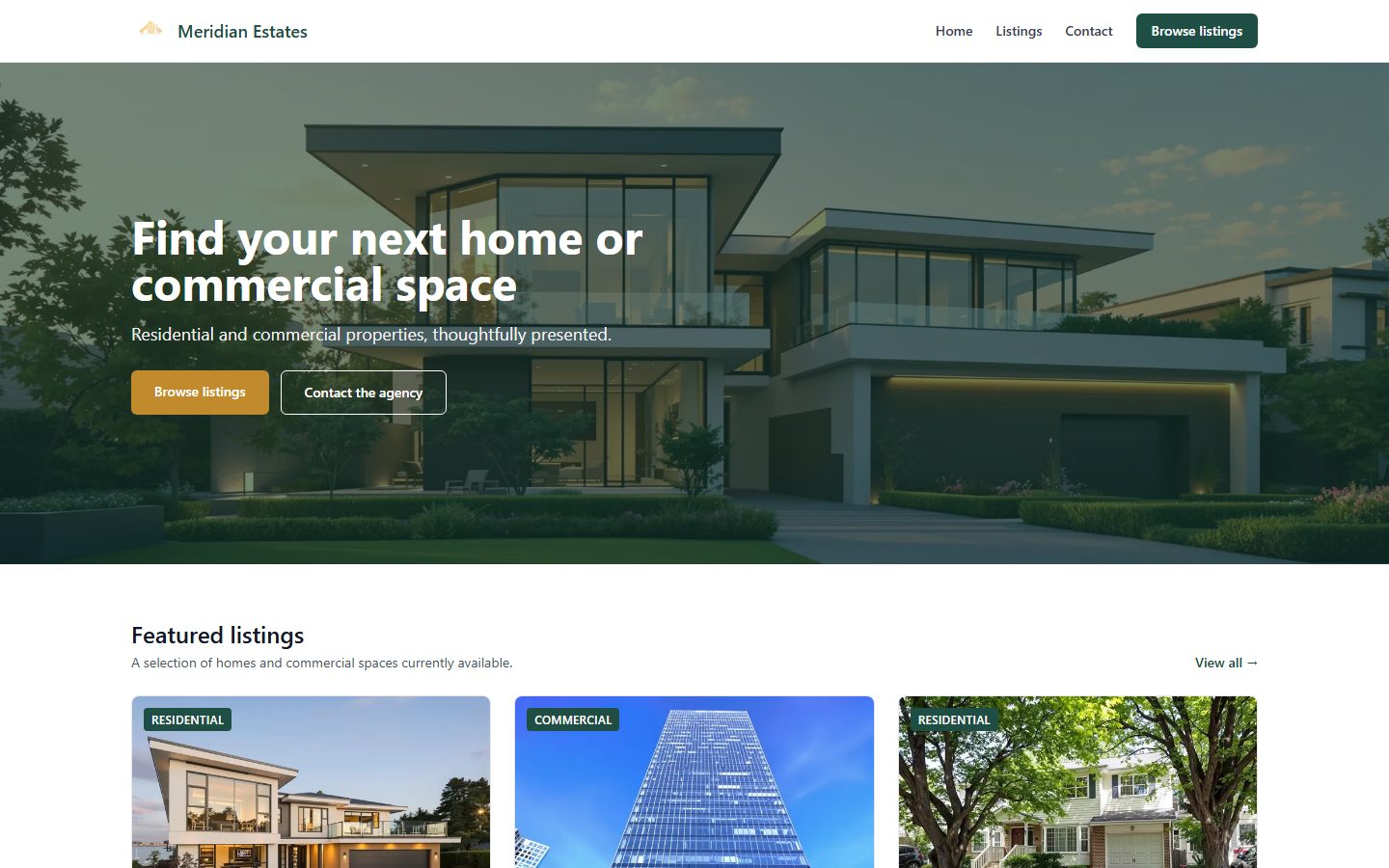
Check the franchise agreement for rules on domains and branding first. When you are ready to publish, start from the AI website builder or build a website with AI.
Where a web app helps
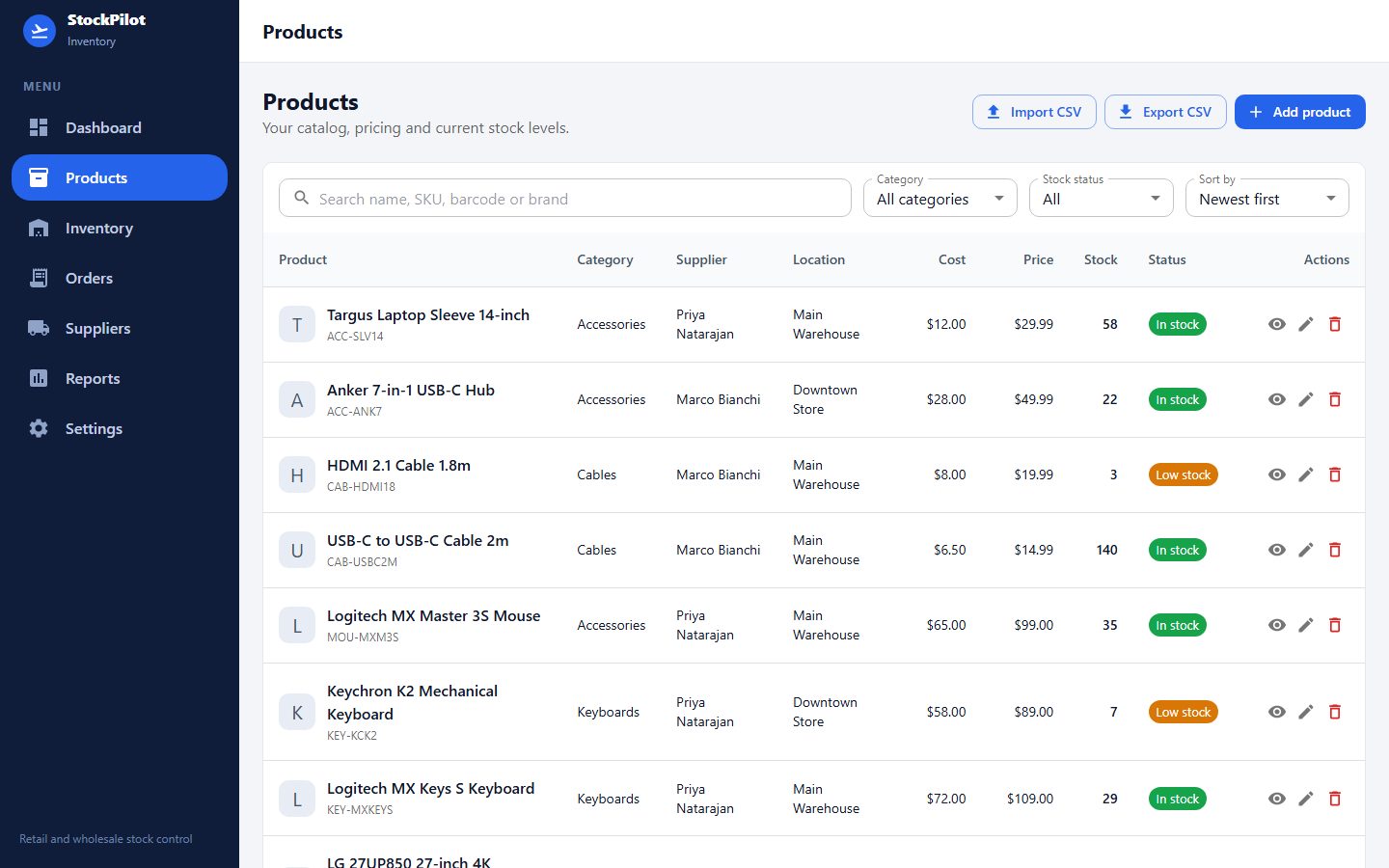
A web app helps when you run two or more units, or one busy unit with a manager and a bookkeeper, and need a signed-in board for daily sales, stock counts, rosters, royalty reconciliation, supplier orders, and manager checklists. Use it once spreadsheets and chat groups start giving two answers to the same question about what sold or what is in stock.
It sits beside the franchisor’s required billing or reporting system, not in place of it. Open the AI app generator, the inventory app builder for par levels and stock days, or the AI web app builder when the back office, not the public page, is the bottleneck.
Where a mobile app helps
A mobile app suits unit managers who need an opening and closing checklist, a wastage log with a photo, a stock count at the shelf, a daily sales number on their phone, and a push alert when the field team schedules an audit. Build it once your routine works on paper. Start from the AI mobile app builder.
Where a logo and brand mark help
A franchisee usually cannot change the brand logo, and should not. A mark still helps for things the franchisor allows you to own: a local loyalty card, an in-house service line, a group name if you run several units, or a separate brand for a sister business. When you need that mark, use the AI logo generator, and check the agreement before putting anything beside the franchisor’s logo.
A ninety-day plan if you are buying
- 1
Days 1 to 15
Shortlist two or three brands. Spend a day in a median unit of each, call five franchisees per brand, and build your own total-investment and break-even sheet.
- 2
Days 16 to 45
Have a lawyer and accountant review the draft agreement and the disclosure documents. Walk three possible sites at different hours and negotiate rent and lock-in.
- 3
Days 46 to 70
Sign only after the numbers hold at 70% of the brand’s projected sales. Start fit-out, order stock against a par sheet, and hire a manager before opening.
- 4
Days 71 to 90
Soft-launch, track daily sales against break-even, score yourself against the brand checklist, and fix the biggest leak every week.
A ninety-day plan if you already operate
- 1
Days 1 to 15
Measure honestly: unit profit after royalty, labour percentage, wastage, stock days, average ticket, and unanswered chats and calls.
- 2
Days 16 to 45
Fix the single biggest leak, usually wastage, rosters, or a slow-moving offer, and reconcile royalty statements against your own records.
- 3
Days 46 to 70
Add booking and enquiry messages, start one local tie-up, and review rent, supplier terms, and the manager’s incentives.
- 4
Days 71 to 90
Lock the routine into a weekly scoreboard. Only then discuss a second unit, a larger format, or a renewal with the franchisor.
Common failure patterns
- Budgeting the fee and fit-out but not six months of ramp-up losses
- Signing a lease longer than the franchise term, or with rent the unit cannot carry at break-even
- Believing the franchisor’s average unit figures without visiting a median or a failed unit
- Hiring a manager late and running the unit alone until burnout
- Ignoring wastage, expiry, and unrecorded discounts until the month-end shock
- Joining every national promotion without checking its effect on unit margin
- Letting royalty statements go unchecked for months
- Opening a second unit before the first can run without the owner
- Having no exit plan, no transfer clause, and no cash reserve when sales dip
When you are ready to build with Nyravi
Use this guide to decide what the unit needs. When the next step is a local unit page, a stock and sales web app, a manager checklist app, or a mark for a loyalty programme, open Nyravi and describe that product. Keep the brief short: who uses it, what they open first, and what they finish.
If you want help writing that description, ask on Support. Start on the [home page](/), or jump to the product pages linked above. For WhatsApp chatbots, start at cognitivesys.io. The operation comes first. The build carries the system once the system is clear.
Questions
How do I buy a franchise unit with limited capital?+
Start with a smaller format such as a kiosk or small outlet from a brand whose median unit you have visited, and budget for the total investment, not just the fee. Add six months of working capital for ramp-up losses, keep rent under the level the unit can carry at break-even sales, and avoid borrowing so much that one slow quarter ends the business.
How do I calculate franchise royalty and real unit profit?+
Subtract cost of goods, royalty, brand fund, staff, rent, and other costs from monthly sales. For example, ₹8,00,000 in sales with 6% royalty and 2% brand fund leaves roughly ₹1,42,000 once other costs are paid. Always check the royalty basis, minimum payments, and technology fees in the agreement.
What is a good payback period for a franchise unit?+
Most operators aim for roughly two to four years, but the right figure depends on category, city, and lease. Divide total investment by average monthly cash profit after paying a manager, then add ramp-up months. A payback you can only reach with the franchisor’s best-case sales is not a safe payback.
What should I check before signing a franchise agreement?+
Check term and renewal, territory protection, royalty basis, mandatory supplier terms, pricing and promotion control, transfer and exit rights, and termination triggers. Call five existing franchisees independently and have a lawyer and accountant review every schedule before you pay anything.
Should a franchise unit use a WhatsApp chatbot?+
Yes for repeat logistics such as hours, offers, booking and bulk-order requests, and ready-for-pickup notices, as long as the franchisor’s messaging rules allow it. A CognitiveSys WhatsApp chatbot answers from facts you approve, collects order details, and lets staff take over any thread. Start at cognitivesys.io.
Is this guide legal, tax, or investment advice?+
No. It covers business operations only. Franchise agreements, trademarks, consumer rules, tax treatment, and category licences differ by brand and state, so confirm them with a qualified lawyer, chartered accountant, and the relevant authorities before you commit money.
How can I improve sales at my franchise unit?+
Raise average ticket and repeat visits rather than chasing footfall alone. Track sales by hour, fix the slowest daypart, run one local tie-up each month, reply quickly to enquiries, and ask every happy customer for a review. Check each national offer’s effect on unit margin before joining.
When does a franchise unit need a web app instead of a website?+
When you run several units or a busy single unit and need a signed-in board for daily sales, stock, rosters, and royalty reconciliation. A website helps customers find and contact you. A web app runs the back office, alongside any reporting system the franchisor requires.
How do I grow from one franchise unit to several?+
Grow only when the first unit runs well without you for a month. Promote a manager, standardise one weekly scoreboard, negotiate multi-unit terms, open in a different catchment, and keep three months of fixed costs in reserve for each unit.
Can Nyravi help after I read this guide?+
Yes. When you know whether you need a local unit page, stock and sales web app, manager mobile app, or logo for a loyalty programme, open Nyravi and describe that product. Support can help you shape the brief. For WhatsApp chatbots, start at cognitivesys.io.