

Honey & beekeeping
Honey and beekeeping business: how to start, run, and improve one
A practical operator playbook for starting, running, and improving a honey and beekeeping business in India: what the business really sells, colony-level yield and cost formulas with checked ₹ examples, bee species and migratory versus stationary models, extraction and testing, FSSAI and labelling basics, apiary safety and colony health, bulk versus branded pricing, weekly and seasonal routines, WhatsApp chatbots for repeat and gift orders, and when a website, apiary dashboard web app, field mobile app, or logo actually helps. Business operations only, not beekeeping, food-safety, or legal advice.
 Nyravi AILearn playbookFirst-time beekeepers and honey-brand founders, farmers adding hives to orchards and mustard or sunflower fields, FPO and women self-help group members, small packers who buy bulk honey, hobby beekeepers moving to commercial scale, and existing apiaries that want steadier yields, fewer colony losses, and a better price per kilo
Who this guide is for
Read this if you want to start or grow a honey business built on managed bee colonies: a stationary apiary beside a farm or orchard, a migratory operation that moves boxes to follow mustard, eucalyptus, litchi, or sunflower, or a small brand that buys honey from beekeepers and packs it under its own label. It is also for a farmer who wants pollination and honey from the same land, a woman’s self-help group with a few boxes, a hobbyist who has 20 colonies and wants to know what 200 would cost, and an owner whose honey sells in bulk for little while shop shelves show it at three times the price. If your bees are healthy but your margin, trust, or cash cycle is not, this playbook is for you.
The playbook covers the business around the bees: colony economics, seasons, extraction and testing, packing, channels, and trust. If you grow crops on land, read the agribusiness farm guide. If you keep cattle for milk, see dairy farm. If you sell natural and organic foods in a shop, the organic store guide fits. If your plan is a branded range of jars and gifting packs, the pickle and papad and dry fruits guides show a similar brand-and-packing model. A honey business is judged on yield per colony, the purity of every jar, and whether a buyer trusts the label.
What a honey and beekeeping business is
A honey and beekeeping business is an agribusiness that keeps managed bee colonies in boxes, harvests surplus honey and related products during nectar flows, tests and packs the honey, and sells it in bulk to packers or in labelled jars to retailers and households, often adding crop pollination as a paid service. Revenue comes from kilos of honey sold at a net price per kilo, plus pollination and by-products, and it is capped by the number of healthy colonies, the flowers within reach, the weather, and the trust a buyer places in your label.
Terms you will use every week
- Colony: one bee family living in a hive box, the basic unit of production and cost
- Langstroth hive: the common movable-frame box system used with Apis mellifera, where frames can be lifted for inspection and extraction
- Honey flow: the weeks when a crop or tree gives heavy nectar and colonies store surplus honey
- Dearth: the weeks with little nectar when colonies may need feeding or may abscond or weaken
- Capped honey: honey that bees have sealed with wax once it is ripe enough to store, normally the only honey worth extracting
- Extraction: spinning frames in an extractor to remove honey without destroying the comb
- Moisture content: the water share of the honey, which affects fermentation, shelf life, and standards
- Migratory beekeeping: moving colonies by truck to follow flowering crops, which lifts yield and adds transport, risk, and permissions
A honey business is closer to a small livestock-and-food operation than to a shop. The colonies are alive, the season is short, and the buyer cannot judge purity by looking. The skill you manage most carefully is colony health and honest, documented quality.
Honey business at a glance: the worked example in this guide
Key figures, all illustrative and to be replaced with your own season data
- Scale: 200 colonies in Langstroth boxes, partly migratory, with a small packing room
- Yield: about 25 kg of honey per colony in a good year, 15% lost to weak colonies, dearth feeding, and honey left for the bees, so about 21.25 kg saleable per colony and 4,250 kg a year
- Price: a blended net price near ₹424 a kilo from 35% bulk at ₹220, 40% retail packs at ₹480 net, and 25% direct sales at ₹620 net, which is ₹18,02,000 of annual sales
- Variable cost: about ₹4,14,750 a year for jars, feed, treatments, migration, tests, and frames
- Fixed cost: about ₹9,60,000 a year, which is ₹80,000 a month including a ₹25,000 monthly owner draw
- Break-even: about 139 colonies, or about 2,950 kg of saleable honey a year
- Profit at 200 colonies: about ₹4,27,250 a year after the owner’s draw
- Start-up investment: about ₹20,40,000, so payback is about 4.8 years on profit alone, or about 2.8 years counting the owner’s draw as return
Treat these as a template for your own sheet, not as a promise. Yield per colony swings widely with flora, weather, and bee species, and many hobby units harvest far less than the figures above. Honey is a patient business, so start small and learn before you buy 200 boxes.
What a honey business really sells
A customer does not buy a kilo of honey. A customer buys honey that is pure, clearly sourced, correctly labelled, and safe for a child’s breakfast, from someone who can say which flowers and which month it came from. The taste gets the first jar. Honest labels and a consistent jar get the fifth.
Honey is one of the most commonly questioned foods in India because adulteration stories are common and a buyer cannot test a jar at home. A brand that publishes lab results, batch numbers, floral source, and harvest month, and that treats crystallisation as normal, starts with an advantage over a shelf of identical bottles. Trust is the product, and the bees are the supply chain.
How a honey business differs from farming, dairy, and a brand-only packer
Owners often assume honey is a side income that needs no system, then discover they have livestock, a food-safety obligation, and a retail brand in one. A honey business is a seasonal, weather-exposed, quality-sensitive business with a long path from flower to jar.
Where the lines fall
- Crop farm: fields, inputs, and a harvest once or twice a year. A bee business needs flowers within about three kilometres of the boxes, often on other people’s land. See agribusiness farm for the crop model and for a pollination partner
- Dairy farm: daily animal care, milking, and chilled supply. Bees need less daily time but short, intense seasonal workloads. See dairy farm for livestock economics
- Plant nursery: you sell plants that bees may also visit. See plant nursery if you want forage near the apiary
- Organic and natural store: a likely retail buyer and a place to learn what the trade expects. See organic store
- Brand-only packer: someone who buys bulk honey and sells jars. That model has no colonies to manage but carries a larger purity and sourcing risk. See the pickle and papad guide for a similar brand-and-packing model
- Gifting and hampers: honey is a natural gift product, as covered in the gift shop and sweet shop guides
Choose a bee type and a model before you buy boxes
A beekeeper can keep several kinds of bee and run several models, which is why new beekeepers often buy the wrong boxes for the wrong flowers. Pick the species, the model, and the location that fit together, and treat anything else as a small trial.
Common bee choices and what they ask of you
- Apis mellifera (the European or Italian bee): higher honey yield and widely used in migratory beekeeping, but more sensitive to disease, mites, and heat, and in need of strong management
- Apis cerana indica (the Indian hive bee): well adapted to local conditions and lower in yield, more prone to absconding, and a better fit for small stationary apiaries
- Stingless bees: tiny honey yields from very small hives at a premium price, with special handling and a niche market
- Wild rock-bee honey: harvested from wild colonies, not from managed boxes, and outside the scope of this playbook
Decide these before you commit money
- Species, hive type, and a supplier who will give you a written colony description with frames, brood, and queen age
- Stationary or migratory, and which flowering crops and months you will follow, based on a survey of what actually blooms near you
- A map of flowers within about three kilometres of each site, the owners’ permission, and the pesticide spraying calendar of nearby farms
- A winter, rainy-season, and dearth plan for each site, including feeding and shelter
- Whether you will sell bulk, packed honey, or both, and whether pollination rental will be a second income
- Start size: 10 to 30 colonies in the first season, 50 to 100 in the second, and more only when your loss rate and yield are known
How a beekeeping year works, from nucleus to jar
Every apiary follows the same shape: build strong colonies before the flow, place them on good forage, harvest ripe honey without starving the bees, keep the colonies healthy through dearth, and prepare for the next season. The calendar differs by region and flora, so this is a map, not a method.
A typical annual cycle
- 1
1. Prepare and build up
Check every colony, replace old queens or combs where needed, feed if the stores are low, and bring colonies to full strength before the main flow.
- 2
2. Site and migrate
Place or move boxes to flowers with permission, at night where required, with ventilation and straps, and note the site on a log.
- 3
3. Manage the flow
Inspect on a fixed rhythm, add supers before colonies run out of space, and watch for swarming, weak colonies, and robbing.
- 4
4. Harvest capped honey
Remove frames that are mostly capped, extract in a bee-proof, clean room, and keep unripe honey for the bees.
- 5
5. Filter, settle, and test
Strain, settle, and check moisture before packing, and send a sample to an accredited lab each season or batch.
- 6
6. Pack and label
Fill clean, dry jars or drums, apply compliant labels with batch and best-before details, and record the lot.
- 7
7. Sell and deliver
Move bulk to buyers, jars to retailers and direct customers, and pollination colonies to farms by agreement.
- 8
8. Protect through dearth
Feed only as needed and never during a honey flow, treat only with approved methods, and consolidate weak colonies.
Start-up and annual cost formulas
A honey business needs hive boxes and frames, bees, extraction and settling equipment, a clean packing space, protective gear, and cash to carry colonies through months before the main sale. Honey income arrives in a few months and costs arrive all year, so the seasonal cash gap is the line founders most often underestimate.
Colony economics: what one colony and one kilo earn
Honey is sold by the kilo but earned by the colony. Work out what a colony yields after losses, what each kilo costs to pack and move, and what price you actually realise by channel, and run the apiary from those numbers rather than from a brochure’s best-case yield.
Break-even and profit: colonies and kilos
Because helper wages, rent, and marketing are paid whether 100 or 200 colonies produce, the number of healthy colonies you need is the most important number on the wall. Put it where the whole team can see it.
Registration, licences, and compliance basics
A honey business touches agriculture and horticulture schemes, food-safety law, labelling and packaging rules, transport and land-use permissions, and tax law. The framework differs by state, scale, and product form. Treat this section as a checklist of things to confirm, not as instructions.
Confirm each with a qualified professional and the authority
- Udyam (MSME) registration, which often helps with bank credit and scheme eligibility
- FSSAI registration or licence for processing and selling honey, with the licence number printed on every label and displayed at the premises
- GST registration and the correct treatment of bulk and packed honey, confirmed with a chartered accountant
- Legal Metrology rules for packaged commodities, including net quantity declarations and manufacturer details
- State horticulture department, National Bee Board, National Beekeeping and Honey Mission, and National Horticulture Board schemes, whose subsidies, eligibility, and registration or traceability portals change, so verify them before you rely on them
- Permission from landowners, panchayats, or forest and local authorities for apiary sites and migratory stops, and written site agreements for each one
- Vehicle and transport rules for moving hives, including night transport, load safety, and insurance
- Insurance for colonies, equipment, stock, and workers, and for third-party liability where hives sit near people
- Agmark or other voluntary quality grading if your buyers or export plans ask for it
- Trademark checks on your brand name and label design before you print
Honey purity, testing, and labelling
Purity is the strongest asset a honey brand can build and the quickest to lose. A single feeding mistake, a mixed batch, or a vague label can end the trust of a customer who told ten friends about you.
Rules that protect the brand
- Extract only capped, ripe honey, and check moisture with a calibrated refractometer or meter before packing, because high-moisture honey can ferment
- Never feed sugar syrup or other feed during a honey flow, and never sell feed-converted product as honey from flowers
- Do not use antibiotics or unapproved chemicals in colonies, because residues in honey can break food-safety rules and destroy a batch
- Keep honey, drums, and jars in clean, dry, covered, food-grade containers away from smoke, fuel, and chemicals
- Do not mix batches, floral sources, or other people’s honey without recording and declaring it as the rules require
- Test each season or batch at an accredited laboratory, such as an NABL-accredited lab, for moisture and the parameters your buyers or the standards require, and keep the reports
- Print batch number, harvest month, floral source where you can prove it, net quantity, and best-before on every pack, following FSSAI and Legal Metrology rules
- Educate customers that crystallisation is a normal behaviour of many raw honeys and does not mean the honey is fake
- Add the commonly given advice that honey should not be fed to infants under 12 months, in line with the labelling rules that apply to you
Apiary safety and colony health
Bees are alive and, in the wrong place, a risk to people and animals. Colony health is also the biggest source of loss. This section lists the systems that keep people safe and colonies strong. It is not a veterinary or medical protocol, so work with a trained beekeeper and your state’s apiculture or horticulture officer.
Apiary and worker safety basics
- Site hives away from schools, paths, cattle sheds, and crowded areas, with a flight-path barrier such as a fence or hedge and a water source
- Use protective suits, veils, gloves, and a smoker, and keep a clean first-aid kit
- Anyone with a known bee-venom allergy should not handle hives, and the team should know the nearest hospital and the local emergency number
- Train workers to open hives calmly, avoid working in rain or at dusk, and keep bystanders away during extraction
- Keep the extraction and packing room bee-proof, clean, and separate from fuel, pesticide, and animal areas
- Lift heavy supers with two people or a lifting aid, and secure hives on trucks with straps and ventilation
- Keep smoker fuel and fire under control, and never leave a lit smoker near dry grass
Colony health basics to confirm with a trained adviser
- Inspect on a fixed rhythm and record brood pattern, queen status, stores, and signs of disease, mites, or pests
- Know the common problems for your species, such as Varroa mites and wax moths in Apis mellifera and viral disease and absconding in Apis cerana
- Use only approved treatments at the right time, follow the label and withdrawal rules, and keep supers off when treating
- Quarantine and, where advised, report suspected notifiable diseases such as foulbrood, rather than moving the boxes
- Avoid sites with heavy pesticide spraying during bloom, and agree spray timing with nearby farmers in writing
- Protect against heat, rain, and robbing with shade, stands, reduced entrances, and neat handling of honey and wax
- Consolidate weak colonies rather than feeding them endlessly, and replace queens on a schedule
The team a honey business needs
A honey business works when each person owns a task and a checklist, not when everyone opens hives. Train each helper on one task at a time, keep the packing team separate from the field team where you can, and treat every worker as a safety responsibility.
Roles that keep colonies healthy and jars trusted
- Owner or head beekeeper: site plan, colony health decisions, flow timing, buyers, and the weekly review
- Apiary helpers: inspections, supering, feeding when approved, and moving boxes under supervision
- Extraction and packing lead: clean-room routine, moisture checks, jars, labels, and batch records
- Sales and customer care: orders, WhatsApp replies, reviews, and wholesale calls
- Driver or transport partner for migration and deliveries
- Accounts: seasonal cash tracking, supplier bills, GST, and payroll, usually a part-time accountant
- A trusted mentor or retired apiculture officer for an annual health and process review
Pay helpers a base plus a visible bonus for low colony loss and clean batch records. A bonus on kilos alone teaches people to extract unripe honey and strip the bees’ stores, which costs more next season.
Pricing, jars, and channel mix
Bulk honey is priced by the market, and a packed jar is priced by trust. A beekeeper who sells everything in drums takes the lowest price and the longest wait. A beekeeper who packs a part of the crop, proves its quality, and sells directly keeps more of each kilo but must also carry packaging, stock, and customer care.
Pricing habits worth keeping
- Show the price per 100 g on the label and the website so a buyer can compare jars fairly
- Keep two or three jar sizes, such as 250 g, 500 g, and 1 kg, and one gifting pack
- Price the floral variety by what it costs you and what it is worth, not by the cheapest bottle on the shelf
- Re-cost every season, because feed, glass, transport, and labour prices move
- Agree bulk prices and payment dates in writing, and avoid long credit to packers
- Never discount below the full variable cost of a jar, and end each offer on a date
The customer journey from the first search to the next jar
Most honey buyers have been disappointed before. They search, read the label, look for a lab report or a story, and decide in a few minutes whether to try one small jar. The journey from that doubt to a repeat order is where a small honey brand is won or lost.
A standard journey
- 1
1. Notice and doubt
A clear label, a floral source, a batch number, and a harvest month answer the first questions.
- 2
2. Check
A page with the lab report summary, the apiary photos, and an honest explanation of crystallisation builds trust.
- 3
3. Try
Offer a small jar or a trio of 250 g jars at a fair price, with clear shipping charges.
- 4
4. Order and pay
Take UPI, cards, or cash on delivery quickly, and confirm the order by WhatsApp or SMS.
- 5
5. Pack and ship
Use padded cartons and tamper-evident seals, ship promptly, and send a tracking link.
- 6
6. Open and use
Include a card that explains storage, crystallisation, and the infant advice, and invite questions.
- 7
7. Review
Ask for a review a week after delivery and route any complaint to a person immediately.
- 8
8. Reorder
Send a reorder reminder after the jar is likely to be finished, with a gifting or larger-jar offer.
A simple weekly and seasonal rhythm
Run the apiary and the brand on a short scoreboard
- In season, weekly: inspect every colony on a fixed rotation, record brood, stores, space, and health, and add supers before the boxes are full
- Daily during extraction: moisture reading, kilos extracted by site and floral source, kilos packed by batch, and a clean-down photo
- Weekly: orders received and shipped, jars in stock, reviews, and enquiries not yet answered
- Monthly: colony count by site, colonies lost and why, feed used, treatments used, and cost per kilo so far
- Monthly: bulk and retail price check, supplier prices for jars and cartons, and receivables
- Before each season: equipment check, new queens and frames, site permissions, and flow forecast
- After each season: yield per colony by site, lab results, buyer margins, and a written plan for next year
Money: the numbers that decide survival
Watch these every month and every season
- Colonies by site, losses, and replacements, as a share of colonies at the start of the season
- Yield per colony and per site, and kilos sold by channel and net price by channel
- Cost per saleable kilo and margin per kilo after packaging and shared variable cost
- Cash in hand against six months of fixed cost, because honey income arrives in a few months
- Receivables from packers, retailers, and gift buyers, and days outstanding
- Glass, label, and carton prices, and the breakage rate in shipping
- Pollination and nucleus income as a share of total income
ROI formulas you can use this month
Marketing a honey brand in India
Honey is bought on trust, so marketing is mostly proof. Show the apiary, name the flower, show the lab report, and explain what a customer should expect when the jar crystallises. A short video of an extraction day does more than a discount.
What moves orders
- A complete Google Business Profile with location, photographs of the apiary and packing room, a phone, and a WhatsApp number that is answered
- A page for each honey variety with the floral source, the harvest month, the lab summary, and the price per 100 g
- Farm-visit days and live extraction demonstrations in season, with permission and a safe viewing area
- Local gifting for festivals, weddings, and corporate hampers with a clear minimum order and a lead time
- Tie-ups with organic stores, millet cafes, wellness studios, and gift shops that care about sourcing
- Short educational posts on crystallisation, storage, and how to read a label, with no medical claims
- Referral and subscription offers for households who finish a jar every month
Reviews, reputation, and handling doubt
A honey brand lives with doubt. A reviewer may say “crystallised, so fake” or “too thin, so adulterated” whether or not it is true. A calm, evidence-based reply is part of your marketing, because it is read by every future buyer.
A review routine that works
- Ask for a review a week after delivery with a link in WhatsApp, never as a condition of a discount
- Reply within 48 hours, thank the good reviews, and answer doubt with the batch number, lab summary, and storage advice
- Tag each complaint by cause: crystallisation question, breakage, leak, late delivery, taste, or purity doubt
- Replace a broken or leaking jar without argument, and fix the packing cause the same week
- Offer to share the lab report and batch record with any customer who asks
- Never argue publicly and never post a customer’s name or address
Channels that bring orders
Rank them by contribution per kilo, not by volume alone
- Your own website and WhatsApp catalogue: the best price and the best customer data, with packaging and shipping to manage
- Organic stores, gourmet shops, and neighbourhood retailers: steady volume at a retailer margin. See organic store and kirana and grocery
- Gifting, festival, and corporate hampers: larger orders in a short season. See gift shop and sweet shop for how those buyers plan
- Online marketplaces: reach and discovery with fees, returns, and price pressure, so use them as a shop window rather than your only channel
- Bulk sales to packers and exporters: the lowest price per kilo, but quick cash and low packaging work
- Pollination services to orchards and seed farms: a second income that uses the same colonies. See agribusiness farm
- Cafes, hotels, and bakeries that want a local, named honey for menus
Log the source of every order. After a season you will know which channel gives profit and which one gives volume that leaves you with nothing.
Automation that frees the owner
Automate these first
- Inspection reminders for each site and hive group, with a one-line log and photo for each visit
- Batch and lot records that link site, floral source, extraction date, moisture reading, lab report, and jar labels
- Stock deduction for jars, labels, and cartons, with a reorder alert when stock falls below a set level
- Order confirmations, shipping updates, and review requests sent on a fixed schedule
- Reorder reminders for customers about 30 and 45 days after a jar, with an offer you approve
- Seasonal reminders for permits, lab tests, licence renewals, and insurance
- A weekly digest to the owner: colonies by site, kilos extracted, orders, stock, and reviews
Where a WhatsApp chatbot helps
Customers message at all hours: “Is this raw honey?”, “Why has my jar turned thick?”, “Can you send 30 gift packs to Pune by Diwali?”, “Where is my order?” If those messages wait until you are in the apiary or the packing room, the customer has already bought a bottle from a shelf.
What a business WhatsApp chatbot is good for
- Answering floral source, jar size, price, shipping, and storage questions from facts you approve
- Taking repeat orders from known customers and sending them to the packing sheet
- Collecting gifting and bulk enquiries with quantity, date, address, and budget, then alerting a person
- Sending order confirmations, tracking links, and delivery updates
- Explaining crystallisation and storage with an approved message and photo
- Asking for a review after delivery and sending bad ratings to the owner
- Handing the whole thread to a person for purity doubts, allergy or health questions, damaged parcels, refunds, and anything medical
Why honey brands use it
- Buyers already live on WhatsApp and prefer it to email
- One shared inbox instead of the owner’s personal number
- A direct channel that avoids marketplace commission on repeat orders
- Faster first replies, which is where gifting orders are won
Use WhatsApp for conversation, your website for proof and a catalogue, and a web app when orders, batches, and stock need to live in one place.
Growing a honey and beekeeping business
Growth is not only more colonies. It is a lower loss rate, a higher yield per colony, a better channel mix, and a cash cycle that lets you add boxes from profit rather than from debt.
Ways to grow responsibly
- Cut colony losses and raise yield per colony before you buy more boxes, because both lift profit without new capital
- Shift part of the crop from bulk to packed and direct sales, with batch records and lab reports behind every jar
- Add pollination services and nucleus sales as second incomes that use the same bees
- Build a range of two or three honey varieties by flow, each with its own floral source and story
- Add gifting packs and subscription jars, as in a gift shop range
- Add beeswax, honeycomb, and other by-products only where you have the licence, equipment, and market
- Partner with farmers and an FPO or self-help group for forage, sites, and a shared packing room
- Open a second site only after the first has held target losses and yield for two seasons
Where a website helps
People search “raw honey near me”, “buy honey online”, or “pure honey with lab report” before they buy. Your website should show each honey with photographs, floral source, harvest month, price per 100 g, a lab-report summary, storage and crystallisation advice, shipping charges, an FSSAI licence number, a gifting and bulk enquiry form, and a WhatsApp button, in that order. A site that shows only a logo and a phone number loses to the brand that answers the first three doubts on one page. Add clear headings and structured product data so search engines and AI assistants can quote your products and details correctly.
Start from the AI website builder or build a website with AI and describe your varieties, apiary story, shipping, and the three doubts you want a buyer to resolve on the page.
Where a web app helps
A web app helps when colonies, inspections, batches, orders, and stock outgrow a notebook and a spreadsheet, and when two helpers might promise the same drum to two buyers. A signed-in board that shows colonies by site, inspection due dates, batches with lab reports, stock by jar size, and open orders gives the owner, the packing lead, and the customer-care executive the same answer.
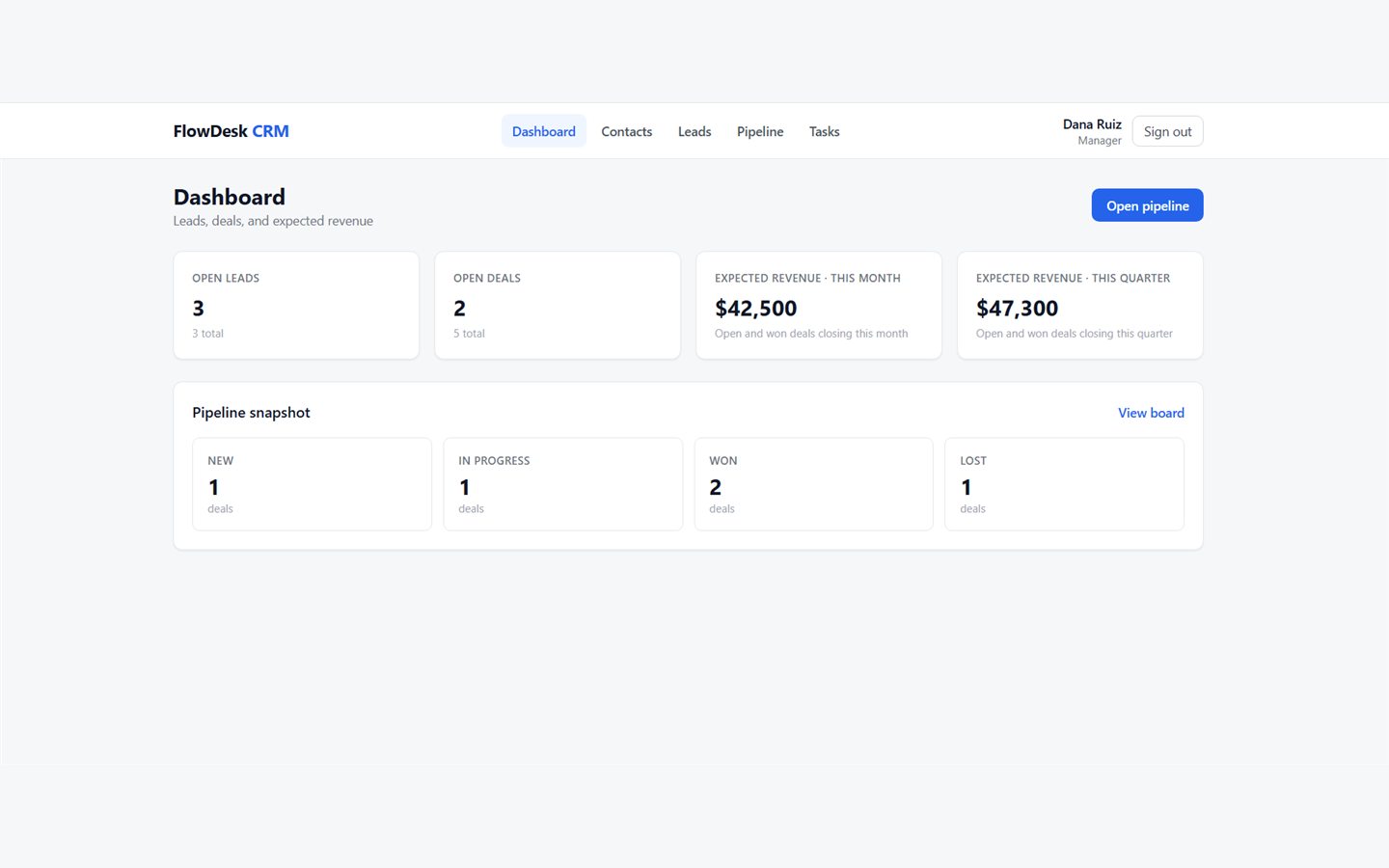
Open the AI app generator or the AI web app builder and describe the screens: colony and inspection register, batch and lab-report log, stock by jar size, and orders with shipping status.
Where a mobile app helps
A mobile app suits the field team who need a hive-by-hive inspection checklist, a photo of each colony, a site and GPS note, a feed and treatment log, and an extraction record, all from a phone at the edge of a mustard field with weak signal. Build it after your paper checklist has worked for a full season. A consumer app is rarely worth it for a single honey brand. Start from the AI mobile app builder.
Where a logo and brand mark help
A honey mark appears on a jar lid, a front label, a carton, a gift box, a stall banner, a marketplace thumbnail, and a WhatsApp profile, so it should read on a small round lid and at thumbnail size. Choose a short, easy-to-say name, a warm mark in a few colours that does not copy a known brand, and a label that tells the shopper the floral source and the batch in one glance. Use the AI logo generator to explore marks, and test each on a lid and a small circle before you print.
A ninety-day plan if you are starting
- 1
Days 1 to 15
Take a hands-on beekeeping course, visit two working apiaries, survey flowers within three kilometres of a site, pick a species and a model, and cost boxes, bees, and extraction.
- 2
Days 16 to 45
Secure sites with written permission, register with the relevant bodies, buy 10 to 30 colonies from a supplier who shows you the brood, and set up an inspection log and a protective-gear routine.
- 3
Days 46 to 70
Run the first inspections and a first small harvest, test the honey, design a compliant label, apply for FSSAI, and build a simple website and WhatsApp catalogue.
- 4
Days 71 to 90
Sell a first batch to friends, retailers, and a few direct buyers, record losses and yield, and fix the three biggest gaps before you buy more boxes.
A ninety-day plan if you already keep bees
- 1
Days 1 to 15
Measure honestly: yield per colony by site, loss rate, treatments used, buyer margins by channel, stock held, and your top three complaints.
- 2
Days 16 to 45
Fix one leak: weak colonies, a poor site, a packing breakage, or a bulk buyer who pays late. Add a moisture check and a batch record to every lot.
- 3
Days 46 to 70
Build a direct customer list, a gifting range, and a reorder reminder, and book pollination rentals for the next bloom.
- 4
Days 71 to 90
Lock the seasonal scoreboard and plan the next two seasons. Only then consider more colonies, a new site, or a second variety.
Common failure patterns
- Buying 200 boxes before one full season of hands-on learning
- Placing hives where there are few flowers or where farms spray during bloom
- Extracting unripe honey that ferments, then losing the batch and the buyer’s trust
- Feeding sugar during a flow or using unapproved chemicals, which can ruin purity and break the rules
- Ignoring Varroa, foulbrood, or absconding until half the colonies are gone
- Selling everything in bulk at the lowest price and never building a direct list
- Weak cartons and cheap jars, so breakage eats the margin of every online order
- Printing health claims or absolute purity claims that the rules and tests do not support
- Hiding a mixed batch or an unknown source, which one lab test can expose
- Moving to a second site before the first holds target yield and loss for two seasons
When you are ready to build with Nyravi
Use this guide to decide what the business needs. When the next step is a honey website with a lab-report page and online orders, an apiary and batch dashboard, a field inspection app, or a brand mark for your jars and gift boxes, open Nyravi and describe that product. Keep the brief short: who uses it, what they open first, and what they finish.
If you want help writing that description, ask on Support. Start on the [home page](/), or jump to the product pages linked above. For WhatsApp chatbots, start at cognitivesys.io. The operation comes first. The build carries the system once the system is clear.
Questions
What is a honey and beekeeping business?+
A honey and beekeeping business is an agribusiness that keeps managed bee colonies, harvests ripe honey during nectar flows, tests and packs it, and sells it in bulk or in labelled jars, often with crop pollination as a second income. It earns the margin between the cost per saleable kilo and the net price per kilo, and it is limited by healthy colonies, flowers within reach, weather, and buyer trust.
How do I start a beekeeping business in India?+
Start by learning hands-on at a recognised training centre or with an experienced beekeeper, then survey flowers within about three kilometres, pick a species and a stationary or migratory model, and secure sites with written permission. Buy 10 to 30 colonies from a supplier who shows you the brood and queen, keep an inspection log, test your first honey, apply for FSSAI, and scale only after you know your loss rate and yield.
How much does it cost to start a beekeeping business in India?+
A small hobby apiary can start with a few thousand to a few lakh rupees, while a commercial unit of about 200 colonies with extraction and a packing room can cost roughly ₹10 lakh to ₹25 lakh depending on region and scale. The worked example in this guide totals ₹20,40,000, including ₹7,60,000 of hive sets, ₹3,50,000 of starter colonies, and ₹3,50,000 of working capital.
How much profit can a honey business make?+
Profit depends on healthy colonies, yield per colony, channel mix, and packaging cost, not on the number of boxes alone. In this guide’s example, 200 colonies at 21.25 kg of saleable honey each and a ₹424 blended net price earn about ₹13,87,250 of contribution a year, so after ₹9,60,000 of fixed cost the profit is about ₹4,27,250, and break-even is about 139 colonies.
Which bee and honey type should I choose for business?+
Apis mellifera gives higher yields and suits migratory operations but needs stronger disease and mite management, while Apis cerana is better adapted locally, yields less, and suits small stationary apiaries. Stingless bees give tiny yields at a premium price. Choose by the flowers near you, your skill, and your buyers, and start with a small trial before you buy many boxes.
What licence do I need to sell honey in India?+
Most honey sellers need an FSSAI registration or licence matching their turnover, GST where applicable, Udyam registration for scheme access, and compliant labelling under FSSAI and Legal Metrology rules, with the licence number on every pack. Site permissions, transport rules, and state scheme registrations may also apply. Rules vary by state and change over time, so confirm with the authority and a qualified adviser.
How do I price and sell honey online in India?+
Work backwards from each channel: bulk sells at the lowest price, retail jars net you the shelf price less the retailer’s margin, and direct sales keep the most. In this guide’s example, a 500 g jar nets about ₹240 through a retailer at a ₹349 shelf price and about ₹310 directly, so show the price per 100 g, publish lab-report summaries, use strong cartons, and track the margin of each channel.
How can I improve honey yield and colony health?+
Place colonies on strong forage, build them up before the flow, add supers on time, and inspect on a fixed rhythm with a one-line record per hive. Use only approved treatments, avoid sites with heavy spraying during bloom, and replace old queens on schedule. In this guide’s example, 3 kg more honey per colony adds about ₹2,28,600 a year and halving losses saves about ₹70,000.
Can a WhatsApp chatbot help a honey business?+
Yes, a WhatsApp chatbot can answer floral source, jar size, price, and storage questions, take repeat orders, collect gifting and bulk enquiries, send tracking updates, and ask for reviews, while handing purity doubts, allergy or medical questions, and refunds to a person. CognitiveSys, the parent company behind Nyravi, builds WhatsApp chatbots and shared inboxes. Start at cognitivesys.io.
Does a honey business need a website, an app, or Nyravi?+
A honey business benefits most from a simple website with varieties, floral source, lab-report summaries, prices, and an enquiry form, then from a web app once colonies, batches, and orders outgrow a spreadsheet. A field mobile app helps after the paper checklist works. Nyravi can build the website, dashboard, inspection app, or logo from a plain-language description. For WhatsApp chatbots, start at cognitivesys.io. This guide covers business operations only, not beekeeping or legal advice.