
Hotels & resorts
Hotel and resort business: how to start, run, and improve one
A practical playbook for boutique hotels, resorts, and guesthouses. Covers concept, rooms and occupancy, staffing, F&B, channel mix, reviews, WhatsApp chatbots for bookings, and when a website, property app, or logo actually helps.
 Nyravi AILearn playbookNew hoteliers and existing property owners / GMs
Who this guide is for
Read this if you want to open a boutique hotel, resort, homestay, or guesthouse and do not want the first season to teach every lesson in empty rooms. Read it also if you already operate and feel stuck: soft midweeks, OTA dependence, slow front-desk replies, weak reviews, or a WhatsApp that runs every booking.
What a hotel or resort really sells
Guests do not only buy a bed. They buy arrival calm, clean sleep, food that matches the promise, and help when plans change. Rooms produce inventory. The team sells trust.
Choose a concept the property can fill
City business hotel, boutique leisure, beach resort, hill property, wedding venue-led stay, and long-stay serviced rooms each need different staffing and channel mix. Pick the concept your catchment and season can fill — not only the look that photographs well.
Decide these before you scale inventory
- Who books Tuesday nights versus Saturday nights?
- Are you leisure-led, corporate-led, wedding-led, or mixed?
- What is realistic occupancy in soft months?
- Can front desk and housekeeping run peak arrivals without chaos?
Rooms, rent, and cost reality
Hospitality rent and debt fail when you pay for room count the market cannot fill. Count demand by season, event calendar, and competing supply. Design rooms for the rate band you can actually sell.
Licenses, safety, and opening readiness
Get these in motion early
- Trade, fire, and hospitality permissions that apply where you open
- Food safety if you run F&B
- GST and payment readiness before soft opening
- Housekeeping and maintenance routines written before day one
- Clear cancellation and deposit policies guests can understand
The team: front desk, floor, and close
Hotels fail when arrivals pile up and nobody owns the minute-by-minute. Role clarity beats heroic overtime.
Roles that keep stays calm
- Front desk: bookings, greetings, upsells, problem recovery
- Housekeeping lead: room turns, standards, linen, lost & found
- F&B / kitchen lead: breakfast and outlet timing
- Maintenance: tickets that protect reviews (AC, water, Wi-Fi)
- Night / close: cash, arrivals list, tomorrow’s first rooms
Rates and packages that protect occupancy
Too many confusing plans slow the desk and train guests to wait for discounts. Clear rate types with honest inclusions convert better.
Rate rules that protect quality
- BAR / flexible and non-refundable options with clear cancel windows
- Breakfast and package inclusions stated before payment
- Wedding / group blocks with deposits and cut-off dates
- Soft-night offers that fill rooms without training forever discounts
- OTA parity decisions written — not reinvented every Friday
Guest experience standards people can feel
A simple guest journey
- 1
Confirm clearly
Dates, rate, inclusions, arrival window, how to reach you.
- 2
Arrive with calm
Ready room, honest wait if early, water or welcome that matches brand.
- 3
Stay without friction
Wi-Fi, hot water, quiet hours, and fast recovery when something fails.
- 4
Checkout cleanly
Bill clarity, feedback ask, next-stay offer once.
- 5
Follow up
Review request after a strong stay — not after a fight.
A simple weekly operating rhythm
Run the week on a scoreboard
- Daily: occupancy, arrivals, on-the-books, maintenance tickets
- Twice weekly: housekeeping quality walk and F&B timing check
- Weekly: ADR/RevPAR, OTA vs direct mix, review replies, unanswered chats
- Monthly: channel costs, wedding/group pipeline, soft-night strategy
Money: the numbers that decide survival
Watch these every week
- Occupancy and ADR by daypart / day of week
- RevPAR and contribution after variable costs
- OTA commission versus direct booking share
- No-show and late-cancel rate
- Labor hours versus peak arrivals
ROI formulas you can use this month
Marketing that matches a real hotel
Hotel marketing works when photos match the stay guests get tonight. Heavily filtered rooms that look different on arrival create refunds of trust.
Channels that usually pay
- A fast website with rooms, rates path, location, and book / WhatsApp CTA
- Google Business Profile with real photos and review replies
- OTA presence with honest content — plus a reason to book direct
- Corporate, wedding, and travel-agent partnerships with clear allotments
- One soft-night package that fills rooms without destroying BAR forever
Reviews and reputation
Hotel reviews cluster around cleanliness, staff tone, Wi-Fi, AC, noise, and breakfast honesty. Reply with facts and a fix. Do not argue a guest in public.
OTA, direct, and group mix
Channel rules for hotels
- Know cost per booking by channel before you renew blindly
- Protect a direct path that is as easy as WhatsApp or web book
- Wedding/group blocks need deposits and release dates
- Never overbook hoping for no-shows
Automation that frees the front desk
Automate these first
- Availability, rate basics, and location answers
- Booking confirmations and pre-arrival messages
- Reminder and cancel / amend paths
- Review requests after a strong stay
Where a WhatsApp chatbot helps
Guests already message on WhatsApp: “Do you have a room this Friday?”, “Is breakfast included?”, “Can we late checkout?”, “Send the location”. When those chats live on one personal phone, bookings are missed during check-in rush.
What a business WhatsApp chatbot is good for
- Answering rooms, amenities, location, and rate basics from your own facts
- Capturing stay dates and guest count for a clean booking follow-up
- Sending confirmations, pre-arrival notes, and payment steps you approve
- Sharing approved offers for soft nights to opted-in guests
- Handing the full thread to the desk when the guest needs judgment
Why hotels use it
- Guests stay on WhatsApp — no new app required
- One shared inbox instead of a receptionist’s private phone
- Fewer missed booking chats during peak arrivals
- Faster first reply without inventing a 24/7 call center
Use WhatsApp for conversation. Use your website for rooms and direct book. Use a web app when the team needs a signed-in property desk. See also the travel agency, restaurant, and wedding playbooks for nearby demand.
Going beyond one property
Most hotels win by becoming unmistakably good in one place first. Growth beyond that is earned with standards and people, not only more keys.
Ways to grow outward
- A second property with the same housekeeping and reply standards
- Wedding or corporate packages that use existing rooms well
- Training juniors so growth does not depend on one GM
- Direct-booking habits that reduce OTA dependence over time
Where a website helps
A hotel website should show rooms, real photos, location, amenities, and a clear next step: book, call, or WhatsApp. Keep galleries honest. Guests compare the site to the first five minutes at arrival.
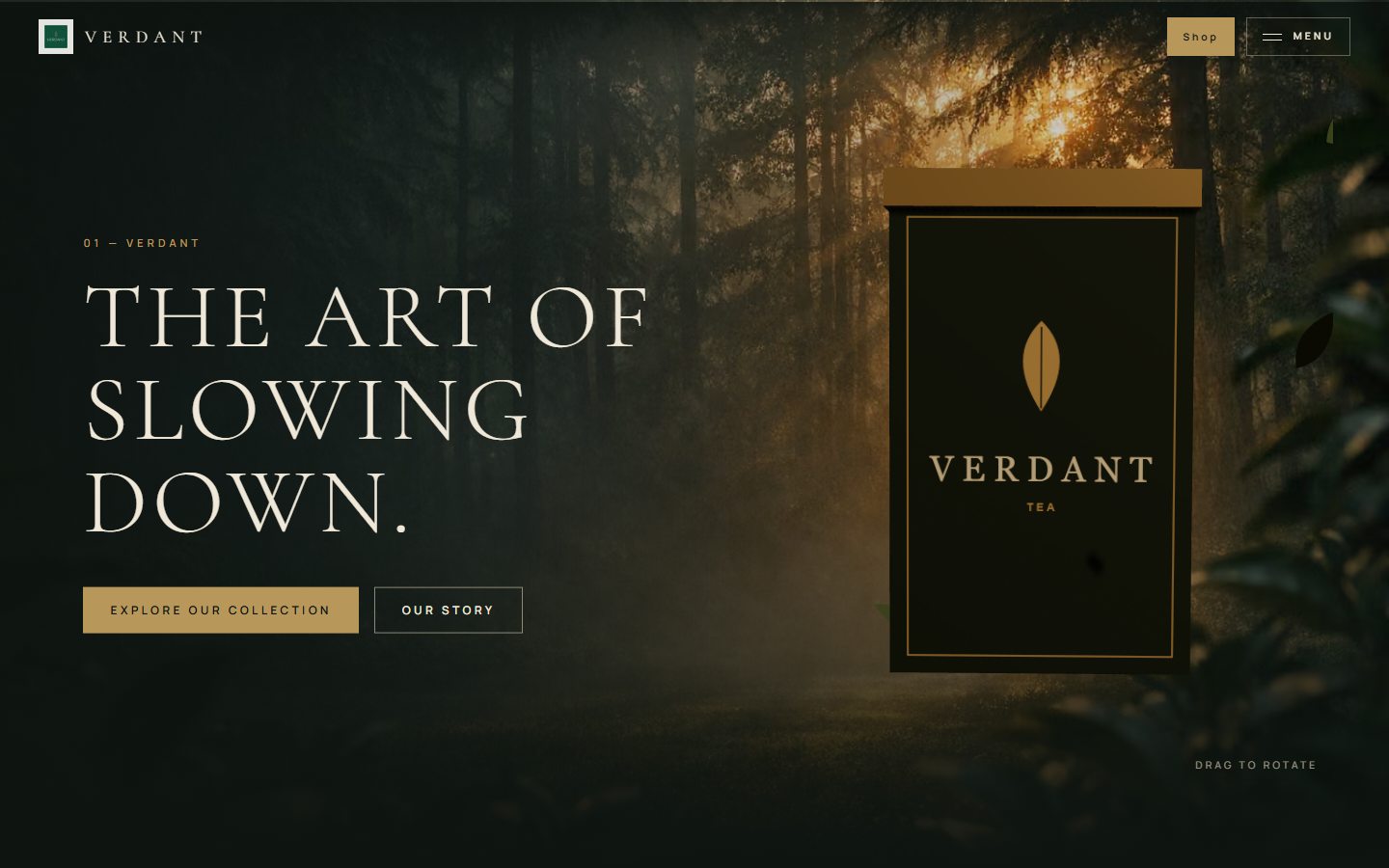
When you are ready to publish, start from the AI website builder or build a website with AI. For a strong visual stay story, see the cinematic Verdant website.
Where a web app helps
A web app helps when the team needs a signed-in tool: reservations board, housekeeping tickets, maintenance log, or group allotments. Use it when chats and notebooks are already lying to two people.
Open the AI app generator when that desk is the bottleneck. A property operations desk is a common hospitality build.
Where a mobile app helps
A mobile app makes sense when staff or guests need live room status, requests, and offers on the phone. Build it after booking and housekeeping rhythm works. Start from the AI mobile app builder.
Where a logo and brand mark help
A logo will not fix weak housekeeping. It will make a strong property recognizable on keys, linen, maps, and WhatsApp profile. Keep the name readable at small sizes. When you need a mark, use the AI logo generator.
A ninety-day plan if you are starting
- 1
Days 1 to 15
Lock concept, rate band, and a one-sentence promise. Sketch a soft-season occupancy plan.
- 2
Days 16 to 45
Permissions, staffing plan, housekeeping standards, and a booking + reply habit.
- 3
Days 46 to 70
Soft openings, mystery stays, fix arrival friction, publish a simple public page.
- 4
Days 71 to 90
Public opening, daily occupancy review, one improvement meeting each week.
A ninety-day plan if you already operate
- 1
Days 1 to 15
Measure honestly: occupancy, ADR, channel mix, review themes, unanswered chats.
- 2
Days 16 to 45
Fix one arrival bottleneck and one housekeeping bottleneck. Clarify rates and cancel rules.
- 3
Days 46 to 70
Fill soft nights with one focused offer, improve Google presence, add WhatsApp answers and pre-arrival notes.
- 4
Days 71 to 90
Lock standards into checklists and a weekly scoreboard. Only then add rooms or a second property.
Common failure patterns
- Building more rooms than soft season can fill
- OTA dependence with no easy direct path
- Running bookings from one personal WhatsApp
- Photos that do not match arrival reality
- Ignoring midweek emptiness until cash feels tight
- Overbooking hoping for no-shows
- Slow recovery on AC, Wi-Fi, or cleanliness complaints
- Discounting so hard that BAR never recovers
- Wedding blocks without deposits or release dates
- Opening a second property while arrivals are still chaotic
When you are ready to build with Nyravi
Use this guide to decide what the property needs. When the next step is a public site, a reservations desk, a phone app, or a brand mark, open Nyravi and describe that product. Prefer a short brief: who uses it, what they open first, and what they finish.
If you want help writing that description, ask on Support. Start on the [home page](/), or jump to the product pages linked above. For WhatsApp chatbots, start at cognitivesys.io. The business comes first. The build carries the system once the system is clear.
Questions
How do I start a hotel or guesthouse with limited capital?+
Start with a focused concept and room count the soft season can support, clear rates, and a reply habit guests can trust. Soft-open before selling every room. Keep fixed costs inside a forecast that assumes uneven occupancy.
How can I improve hotel occupancy on weekdays?+
Measure occupancy by day. Then pick one lever: corporate rates, longer-stay offers, local partnerships, or a soft-night package. Fix arrival and reply speed so booking feels easy.
How do hotels reduce OTA dependence?+
Make direct booking as easy as WhatsApp or web book, offer a fair reason to book direct, and track commission saved. Do not remove OTAs before direct conversion is real.
Should I open a website before I open the hotel?+
Yes. A simple public page with rooms, location, photos, and a way to book or message helps people find you and trust you. Keep photos real.
Should a hotel use a WhatsApp chatbot?+
Yes when guests already message for availability, inclusions, and arrival help, and those chats interrupt the desk or live on one personal phone. A CognitiveSys WhatsApp chatbot answers from your own facts, captures booking requests, sends pre-arrival notes, and lets the team take over any thread. Start at cognitivesys.io.
When does a hotel need a web app instead of a website?+
When the team needs a signed-in tool for reservations, housekeeping, or maintenance. A website is for guests. A web app is for the desk behind the scenes.
How can a local hotel grow beyond one property?+
Become excellent locally first. Then package what scales: a second property with the same standards, wedding/corporate blocks, or stronger direct booking.
What ROI should I expect from fewer missed WhatsApp bookings?+
Estimate unanswered chats each week times booking rate times average stay value. Recovering even part of that pipeline often pays for a clearer reply system quickly.
Can Nyravi help after I read this guide?+
Yes. When you know whether you need a website, property web app, mobile app, or logo, open Nyravi and describe that product. Support can help you shape the brief. For WhatsApp chatbots, start at cognitivesys.io.