
Kids play zone
Kids play zone business: how to start, run, and improve an indoor play area
A practical operator playbook for starting, running, and improving an indoor kids play zone or soft-play centre in India: what the business really sells, start-up, cost, break-even and birthday-party formulas with checked ₹ examples, licences and insurance to confirm, floor-attendant ratios and incident routines, age zones, session pricing and passes, weekly scoreboards, parent reviews, WhatsApp chatbots for slot and party bookings, and when a website, booking web app, staff mobile app, or logo actually helps. Business operations only, not child-safety, structural, fire, or legal advice.
 Nyravi AILearn playbookFirst-time kids play zone and soft-play founders, mall and standalone indoor playground owners, trampoline and activity-park operators, parents who want to turn a children’s business idea into a safe venture, and existing play zones that want fuller weekdays, more birthday parties, and calmer weekends
Who this guide is for
Read this if you want to open an indoor play zone for children and want to understand the money, the floor rules, and the weekday gap before you buy a single slide. It is also for an owner whose weekends are packed and whose Tuesday looks like an empty hall, a parent who has been asked for a party venue once too often, and a mall tenant who is paying rent on a bright play area that no longer pays its way.
The playbook covers the business around the equipment: sessions, tickets, parties, staffing ratios, cleaning routines, repeat visits, and reviews from parents. If you teach children over many months, read the preschool and daycare guide. If your core business is screens and consoles, see gaming cafe. If you coach a sport, read sports academy. If you sell toys rather than play time, the toy store guide fits better. A play zone is judged by parents on safety, cleanliness, and how calm the floor feels, long before they look at the price.
What a kids play zone business is
A kids play zone business is a supervised indoor facility where children play on soft-play structures, ball pits, slides, climbing frames, and activity areas for a paid session, and where the operator earns from entry tickets, passes and memberships, birthday parties, group and school visits, socks and add-ons, and a small café counter. Revenue is capped by the safe number of children on the floor at one time and the number of sessions you can sell in a day.
Terms you will use every week
- Session: a fixed block of play time, for example 90 minutes or two hours, after which the child exits or buys a top-up
- Safe floor capacity: the maximum number of children the operator allows on the floor at once, set from the equipment maker, insurer, and local rules
- Utilisation %: visits sold divided by visits you could sell if every session ran to safe capacity
- Revenue per visit: entry ticket plus add-ons plus café spend, divided by the number of child visits
- Attach rate: the share of visits that also buy socks, a snack, or a top-up
- Party contribution: package price ex-GST less food, decor, host time, and fees
- Attendant ratio: children on the floor per floor attendant, written into your own safety plan
- Waiver: a signed guardian consent and rules acknowledgement kept for every child, drafted by a lawyer
A play zone is closer to a small theatre with sessions than to a shop. Every empty slot at four on a Tuesday is stock that expires, and every overfull slot on Saturday is a safety risk and a bad review. The skill you manage most carefully is filling the weak hours without overcrowding the strong ones.
What a kids play zone really sells
Parents do not buy a slide. They buy an hour in which their child is happy, tired, and safe while they sit down, finish a coffee, or speak to another adult. The equipment gets the first visit. A clean floor, attentive staff, and a calm exit get the tenth.
A zone that crams in every structure the supplier can fit looks exciting on opening day and feels chaotic by the second month. A zone with clear age areas, wide sight lines for staff, and a smaller number of well-kept structures feels safer and turns over better. Visible calm is a product feature.
How a play zone differs from a preschool, gaming cafe, sports academy, and event venue
Owners often borrow a cost sheet from a neighbouring business and then wonder why the numbers do not fit. A play zone is a drop-in, parent-supervised or staff-supervised, session-based venue. That changes the space, the staff, the licences, and the way you sell.
Where the lines fall
- Preschool and daycare: ongoing care with a curriculum and fixed fees, and tighter rules on staff and records. A play zone sells sessions and does not take over care of the child. See preschool and daycare for the care model
- Gaming cafe: seated screen time for older children and adults, paid by the hour. A play zone sells physical play for younger children. See gaming cafe for that model
- Sports academy: coached training over weeks with fees and batches. A play zone is unstructured play that does not need a coach. See sports academy for the coaching model
- Event management: you plan and deliver events at other venues. A play zone hosts parties on its own floor with a fixed package. See event management if you plan to travel to the venue
- Banquet hall: large-format celebrations for adults and families. A play zone sells a short, child-centred party room. See banquet hall for the hall model
- Toy store: you sell objects. A play zone sells supervised time. See toy store if retail is your plan
Choose a format and a guest before you sign a lease
A play zone can be a toddler corner, a trampoline hall, a full soft-play maze, or an activity park, and each needs different space, insurance, and staff. Pick one guest and one format that fit together, and treat the rest as later additions.
Decide these before you commit money
- Age band: toddlers under three, ages three to eight, or eight and above, since each needs a separate zone and different rules
- Format: soft play and ball pit, trampoline and climbing, mixed activity, or a small toddler-and-café format
- Location: a mall with footfall and high rent, or a residential high street with lower rent and more repeat visits
- Floor area and ceiling height, because many structures have a minimum height and clear zone set by the maker
- Parent seating and café: seats that give a line of sight to the floor, and whether you will serve food at all
- Weekday engine: school groups, toddler mornings, passes, or birthday parties on weekday evenings
- Own the equipment or lease it, and whether the supplier gives installation, inspection, and spare-parts cover in writing
- Footfall test: count families passing at your target hours for three days, including a weekend, before you sign
Start-up and monthly cost formulas
A play zone is capital heavy at the start and fixed-cost heavy every month. The deposit, the equipment, the flooring, and the first-quarter reserve are the lines founders most often shorten, and the ones they most often regret.
Unit economics: what one visit and one party earn
Rent is paid by the month, but the business earns by the visit. Work out what each child visit and each party leaves after payment fees, socks, snacks, and host time, and price and promote from that, not from what the next play zone charges.
Break-even: visits per day and utilisation
Because rent and salaries are paid whether ten or a hundred children walk in, the number of visits you need each day is the most important number on the wall. Put it where the team can see it, next to the safe capacity.
Registration, licences, insurance, and safety basics
A play zone touches building rules, fire rules, equipment standards, child-safeguarding duties, hygiene rules, labour and tax law, and often food rules for the café. The framework differs by place, building, and equipment type. Treat this section as a checklist of things to confirm, not as instructions.
Confirm each with a qualified professional and the authority
- Shop and establishment registration and a municipal trade licence for the premises, where required
- Fire safety clearance or no-objection certificate, exits, extinguishers, alarm, and signage for the occupancy you plan, where the local rules ask for them
- Building and structural suitability, including floor loading and any mezzanine or elevated structures, signed off by a qualified engineer
- Equipment manufacturer’s installation, age and height limits, clear zones, maintenance schedule, and inspection records, kept on file
- Public liability and accident insurance for visitors and staff, with the insurer told exactly what equipment and age group you serve
- GST registration and the correct rate and invoicing for tickets, parties, and food, confirmed with a chartered accountant
- FSSAI registration or licence if you prepare or serve food in the café, and allergen handling for parties
- Staff background and police verification, safeguarding training, and first-aid training with refresher dates tracked
- CCTV placement and retention that respects privacy, with no cameras in toilets or changing areas, and a written policy on children’s photos
- Music or public performance licences if you play recorded music in the zone where the law requires it
- A waiver and terms of entry drafted by a lawyer, covering supervision rules, medical disclosures, and photography consent
The team a play zone needs
A play zone is run by floor attendants who see everything, not by a reception that watches a screen. Hire for patience and alertness, train every person on the incident routine before the first shift, and give each attendant a zone to watch.
Roles that keep the floor safe and busy
- Owner or centre manager: safety plan, rota, supplier and insurer relationships, cash, and the weekly review
- Shift lead: opens and closes, counts children in and out, signs the checklists, and decides when to pause a zone
- Floor attendants: each owns a zone, enforces the rules, and keeps eyes on children instead of phones
- Front desk: check-in, waiver, wristbands, payments, and the party desk, and the first friendly face parents meet
- Party host: runs the party room, the timing, the cake moment, and the clean-up
- Café staff: simple, labelled, allergen-aware food and drink for parents and children, if you have a café
- Cleaning and sanitising owner: runs the cleaning schedule for structures, floor, toys, and toilets
- Accounts: daily reconciliation, supplier bills, GST, and payroll, usually a part-time accountant
Pricing sessions, passes, and parties
Parents compare the weekend ticket and rarely compare what is behind it. A low price that crowds the floor loses families quietly. A fair price with a clear cap on children per session and an honest pass wins them back every week.
Pricing habits worth keeping
- Cap children per session, and show the cap and the session length on the ticket and the website
- Price weekday mornings and afternoons lower than weekend evenings to move demand, and never discount the peak
- Make adults free or low-cost, but set a clear rule that an adult must stay on site for children under a stated age
- Offer two or three party packages at fixed prices, with a clear child count, extra-child price, and time limit
- Put the pass terms, expiry, and transfer rules in plain words on the pass and the website
- Review prices each quarter against rent, power, and wages, and test a change on one slot for two weeks first
The family journey from the doorstep to the next visit
Parents decide on first impression: the entrance, the smell, the noise, the staff, and whether they can see their child. The journey from that glance to the next booking is where the business is won or lost.
A standard journey
- 1
1. Find and decide
A clear Google listing with photographs of the real floor, the age bands, session times, price, and rules. Parents read the rules before they read the price.
- 2
2. Book
A slot booked on the website or WhatsApp with a child count, which also protects you from overcrowding on a peak slot.
- 3
3. Check in
The guardian signs the waiver once, children get wristbands with a guardian number, socks are bought or checked, and the rules are read aloud.
- 4
4. Play
Attendants watch their zones, count children at the start of each session, and step in early when a rule is broken.
- 5
5. Rest
Parents sit with a line of sight to the floor, drinks and snacks arrive without crowding the play area, and the toilets are checked every thirty minutes.
- 6
6. Exit
Wristbands are matched to the guardian at the door, a pick-up rule is applied, and no child leaves with an adult who does not match the record.
- 7
7. Feedback
A WhatsApp message the same evening asks one question, such as “how was today’s visit?”, and routes any safety concern to a person.
- 8
8. Return
A pass offer, a weekday reminder, or a birthday note a month before the child’s date brings the family back.
Floor safety, hygiene, and incident systems
Safety is not a poster. It is a checklist signed before opening, a count of children on every session, a rule that is enforced calmly every time, and an incident log that someone reads. The goal is a floor that feels relaxed because nothing is left to chance.
Systems worth writing down
- An opening checklist: walk every structure, check nets, bolts, padding, joins, and flooring, and photograph anything unusual before the first guest enters
- A closing checklist: lock off damaged items, clean, sanitise, and record what was done and by whom
- A rule board at the entrance and on the floor in simple words and pictures: socks, no food on the floor, age and height limits, and no climbing up slides
- A children count at the start, the middle, and the end of every session, written or tapped into the system
- A lost-child routine practised by every staff member: lock the door, check the zones, use the wristband record, and call the guardian and, if needed, the authorities
- An incident and first-aid log with date, time, what happened, who attended, and what the parent was told, reviewed weekly by the manager
- A rule for taking a structure out of use immediately when a defect is found, with a visible “closed” sign and a repair record
- A cleaning schedule for structures, ball pits, mats, toys, handles, and toilets, with times and a name against each line
- A hot-drink and food rule that keeps cups and hot items away from the play floor, and an allergen plan for party food
- A tested emergency drill for fire and evacuation, with exits clear, signs lit, and staff roles assigned
A simple weekly rhythm
Run the zone on a short scoreboard
- Daily open: complete the safety walk, check cash float, air-conditioning, toilets, and café, and confirm attendants for each zone
- Daily close: reconcile cash and digital payments with the POS, review the incident log, sanitise, and lock off any damaged item
- Daily: visits, revenue per visit, sessions by utilisation, parties booked, and the three emptiest and three fullest slots
- Weekly: break-even progress, contribution per visit, attach rate for socks and café, party enquiries won and lost, and pass usage
- Weekly: a five-minute huddle on one thing, such as a repeated rule break, a complaint, or a near miss
- Weekly: review ratings and replies, and a list of pass holders who have not visited in 21 days
- Monthly: equipment inspection against the maker’s schedule, insurance and licence calendar check, supplier price check, and staff safety refresher
Money: the numbers that decide survival
Watch these every week and every month
- Visits, revenue per visit, and contribution per visit by day of the week and by session
- Utilisation by slot, with the peak kept at your safe capacity and the weak slots targeted by offers
- Party count, party contribution, and the share of enquiries that became bookings
- Pass sales, pass usage, and unused-visit balance, which is a liability to honour
- Payroll against the rota, and the cost of an unfilled attendant slot against the cost of an incident
- Cash in hand against three months of fixed cost, because school holidays, exams, and monsoon change footfall
- Rent as a share of revenue, kept under about 25 to 30% for a mall-based play zone where possible
ROI formulas you can use this month
Marketing a kids play zone in India
A play zone is marketed within a short drive. Your first families live in the same few societies and send their children to the same few schools. Win them with a clean, honest floor, a visible safety routine, and photographs that look like the real space.
What moves visits
- A complete Google Business Profile with real photographs, age bands, session times, rules, and a phone that is answered
- A parents’ message group or society tie-in with a weekday offer, a toddler morning, and a birthday-party pack
- School and day-camp visits in the holiday season, with a fixed group price and a short handout for teachers
- Short videos of the real floor, the safety walk, and the cleaning routine, without exaggerated claims
- Tie-ups with nearby paediatric clinics, preschools, and photographers for referral offers, only where those partners agree and the offer is clear
- A birthday follow-up: a gentle message a month before each regular child’s birthday with the party packages
- Mall activations, only if the cost per new family is lower than your other channels
Reviews and reputation
Parents read reviews more carefully for a child venue than for almost any other business. One review that says “overcrowded and no staff on the floor” will outweigh twenty cheerful ones. Reviews are your second entrance.
A review routine that works
- Ask for a review after a calm visit, with a QR code at the exit or a WhatsApp link, never as a condition of a discount
- Reply to every review within 48 hours, thanking the good ones and inviting a call about the bad ones
- Tag each complaint by cause: crowding, cleanliness, rules, staff attention, price, party timing, or food
- Fix the cause with the biggest count first, tell the team, and measure again next week
- Never argue publicly, and never post a reply that names a child or reveals a family’s details
- Respond to any safety concern immediately and privately, record it in the incident log, and review the structure or rule involved
Channels that bring visits
Rank them by contribution and by how well they fill weak slots
- Walk-in families from the mall or neighbourhood, the highest margin and driven by location and visible calm
- Advance slot bookings on the website or WhatsApp, which also let you cap a session
- Birthday parties, the largest ticket and the strongest source of new families from the guests
- School and day-camp groups on weekday slots, with a fixed group price and a booked date
- Passes and memberships for repeat families, sold with honest terms
- Apartment-society and parents’ group tie-ups with a clear offer and a named contact
- Social media and local creators, tracked by a code or a question at check-in
Record the source of every booking and walk-in. After a quarter you will know which channel gives you full weekday slots and which gives you only a crowded Saturday.
Automation that frees the owner
Automate these first
- Online slot booking with a cap per session, a payment link, and an automatic confirmation message
- A one-time digital waiver that is stored against the guardian and child and re-confirmed on a schedule
- Reports sent to the owner’s phone at close: visits, revenue, utilisation, parties, and incidents logged
- Reminder messages the day before a slot or party, with rules, socks, and arrival time
- Pass-balance reminders and a nudge to holders who have not visited in 21 days
- Review requests sent after a visit, with low ratings and any safety concern routed to a person
- Maintenance and inspection reminders, so the maker’s schedule is never missed
- A weekly digest to the owner: visits, contribution, utilisation by slot, party pipeline, and reviews
Where a WhatsApp chatbot helps
Parents message at all hours: “Is there a toddler area?”, “Can we book Saturday at 5 for a birthday of 18 kids?”, “What is the pass price?”, “Do you allow outside cake?” If those messages wait until the front desk is free, the family has already booked the venue that replied first.
What a business WhatsApp chatbot is good for
- Answering price, session, age band, rules, location, and timing questions from facts you approve
- Showing open slots and taking slot bookings within the cap you set
- Collecting party enquiries with date, number of children, age, and budget, then alerting a person to confirm
- Sending the waiver link, arrival reminders, and party details
- Reminding pass holders of their balance and expiry, and nudging inactive families
- Asking for a review after a visit and sending low ratings to the owner
- Handing the thread to a person for any safety concern, injury, complaint, refund, or custody and pick-up question
Why play zone owners use it
- Parents already live on WhatsApp and prefer it to calling
- One shared inbox instead of the owner’s personal number
- Fast first replies, which is where party bookings are won
- A direct channel to families that costs less than repeated ads
Use WhatsApp for conversation, your website for rules and proof, and a web app when slots, waivers, passes, and incident logs need to live in one place.
Growing a kids play zone business
Growth is not only a second centre. It is a fuller Tuesday, a higher revenue per visit, more parties, and families who return every week.
Ways to grow responsibly
- Fill weak slots with a toddler hour, a school offer, and a pass before you add another structure
- Lift revenue per visit with socks, a simple café menu, and a party add-on, never with pressure on parents
- Build a party calendar with fixed packages and deposits so the party room earns every weekend
- Add a holiday camp or a weekday activity hour using the same floor and staff
- Document the safety plan, the opening checklist, and the training so a second centre can run to the same standard
- Open a second centre only after the first has run at target contribution for six months and held steady for two weeks with the owner away
- Consider a franchise later, with written standards, equipment specifications, inspection rules, and a tested unit model
Where a website helps
Parents search “kids play zone near me” and “birthday party venue for kids” before they visit. Your website should show real photographs, age bands, session times and prices, rules and safety routine, party packages, address and map, a booking button, and a WhatsApp button, in that order. A site with only a logo and a phone number loses to the venue that answers the first question on one page.
Start from the AI website builder or build a website with AI and describe your age bands, sessions, packages, and the three questions you want a parent to answer on the page.
Where a web app helps
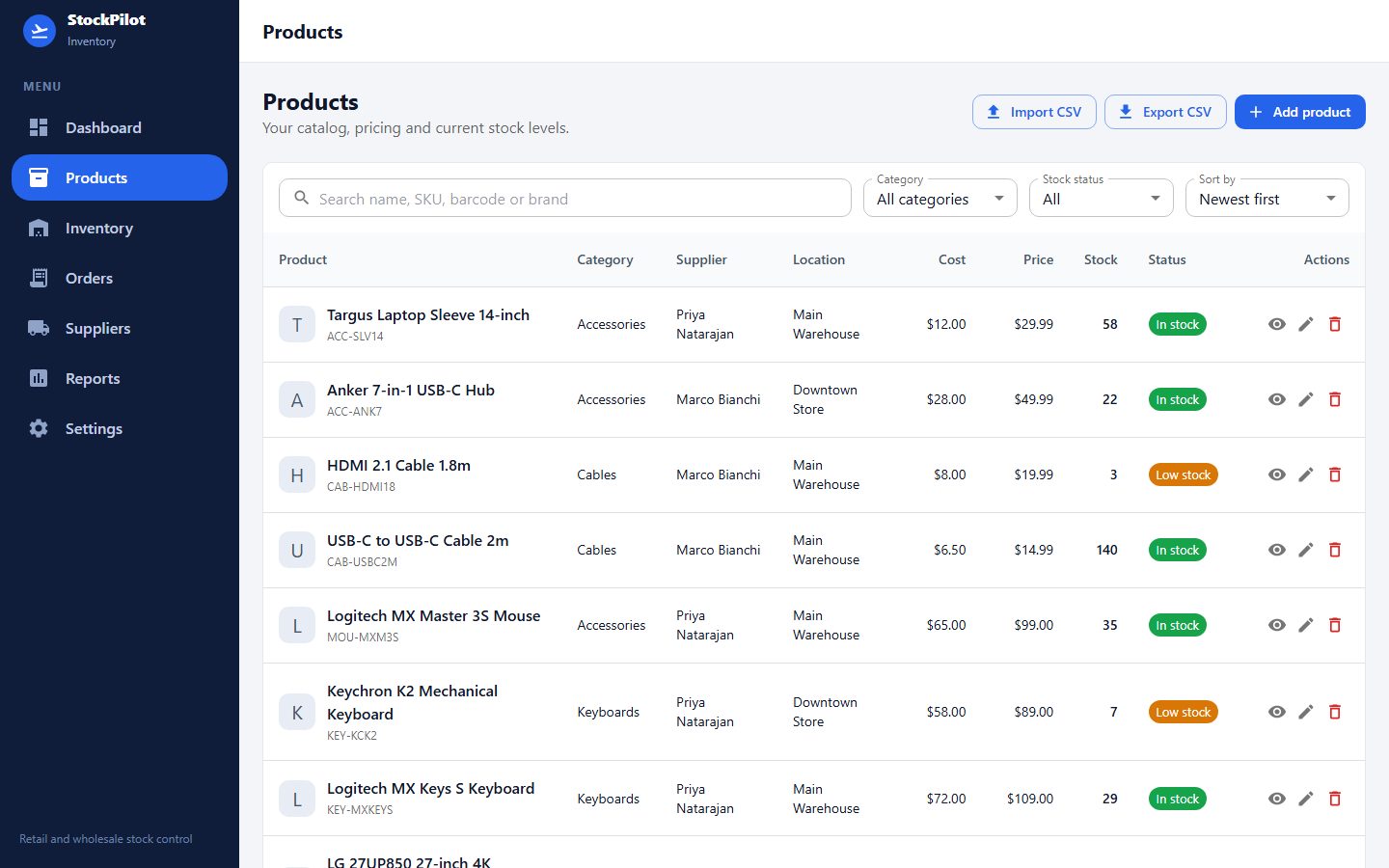
A web app helps when slot bookings, waivers, passes, party deposits, and incident logs outgrow a spreadsheet and a register, and when you run more than one centre. A signed-in board that shows today’s sessions against capacity, waivers on file, party pipeline, pass balances, and open maintenance items gives the owner and the managers the same answer.
Open the AI app generator or the AI web app builder and describe the screens: slot calendar with a cap, check-in and waiver, party bookings with deposits, pass balances, and an incident and maintenance log.
Where a mobile app helps
A mobile app suits two cases: a staff app for opening and closing checklists, child counts, incident photos, and cleaning logs on the floor, and a parent app for passes, bookings, and reminders once you have hundreds of repeat families. Most single centres are served better by WhatsApp and a good website first. Build an app after your paper checklist works for three months. Start from the AI mobile app builder.
Where a logo and brand mark help
A play zone mark appears on a signboard, a wristband, a sock pair, a party invitation, a staff T-shirt, and a Google profile thumbnail, so it should read at small size and in one colour. Pick a name that children can say and parents can spell, and a mark that looks friendly but not noisy. Use the AI logo generator to explore marks, and test each on a wristband and a sock label before you print.
A ninety-day plan if you are starting
- 1
Days 1 to 15
Count footfall at three locations, choose an age band and format, collect written equipment quotes with installation and inspection terms, and build the cost sheet and break-even.
- 2
Days 16 to 45
Sign the lease with a clear lock-in and exit, confirm building, fire, and insurance requirements, order equipment, draft the waiver and rule board with a lawyer, and hire the manager and attendants.
- 3
Days 46 to 70
Install, inspect, and photograph every structure, set up the POS, booking, and waiver system, train staff on the incident and lost-child routines, and run a soft opening for friends’ families.
- 4
Days 71 to 90
Open fully, measure visits, utilisation, revenue per visit, parties, and reviews daily, and fix the three biggest gaps before spending more on marketing.
A ninety-day plan if you already operate
- 1
Days 1 to 15
Measure honestly: visits by slot, utilisation, revenue per visit, party conversion, incident log, and your top three complaints.
- 2
Days 16 to 45
Fix the safety and cleanliness gaps first, then launch a toddler hour, a school offer, and a pass with clear terms for the empty slots.
- 3
Days 46 to 70
Fix party packages and deposits, move bookings to WhatsApp and the website with a session cap, and negotiate supplier and maintenance rates.
- 4
Days 71 to 90
Lock the weekly scoreboard and plan the next quarter. Only then consider a holiday camp, a new structure, or a second centre.
Common failure patterns
- Buying more equipment than the floor and the attendants can safely supervise
- Choosing a premium mall rent without a footfall count at the hours you plan to open
- No equipment reserve, so worn padding and nets are replaced only after a complaint
- Allowing a Saturday crowd above the safe capacity because the till is busy
- Skipping the opening safety walk, the incident log, or staff training because the floor is full
- Selling passes without clear terms, then arguing with parents about expiry
- Letting weekday slots stay empty instead of building a school, toddler, or party engine
- Opening a second centre before the first runs without the owner at the door
When you are ready to build with Nyravi
Use this guide to decide what the zone needs. When the next step is a booking website, a slot and waiver dashboard, a staff checklist app, or a brand mark for your wristbands and signage, open Nyravi and describe that product. Keep the brief short: who uses it, what they open first, and what they finish.
If you want help writing that description, ask on Support. Start on the [home page](/), or jump to the product pages linked above. For WhatsApp chatbots, start at cognitivesys.io. The operation comes first. The build carries the system once the system is clear.
Questions
What is a kids play zone business?+
A kids play zone business is a supervised indoor facility where children play on soft-play structures, ball pits, and activity areas for a paid session, and the operator earns from tickets, passes, birthday parties, group visits, and a café. It differs from a preschool, which provides ongoing care, and from a sports academy, which coaches over weeks. Read the linked preschool, gaming cafe, and sports academy guides for those models.
How do I start an indoor kids play area in India?+
Start by choosing an age band and format, then count footfall at your target hours before you sign a lease. Get written equipment quotes with installation and inspection terms, confirm building, fire, insurance, and licence requirements with the authorities, draft a waiver with a lawyer, hire and train floor attendants, and run a soft opening before you advertise. This guide is not safety or legal advice.
How much does it cost to start a kids play zone in India?+
A small to mid-size play zone can cost roughly ₹20 lakh to ₹50 lakh depending on city, area, and equipment. The worked example in this guide totals ₹31,40,000, including a ₹3,00,000 deposit, ₹12,00,000 of equipment, and ₹6,00,000 of working capital. Get written quotes for equipment and fit-out, and keep a reserve for the first quarter.
How much profit does a kids play zone make?+
Profit depends on visits, revenue per visit, parties, and rent rather than on the ticket price alone. In this guide’s example, a zone with ₹451.80 contribution per visit and ₹5,60,000 of monthly fixed cost breaks even at about 1,240 visits a month and earns about ₹2,53,240 a month at 1,800 visits, or ₹3,95,200 with 14 parties. Track visits, utilisation, and party conversion weekly.
What licences and insurance does a kids play zone need?+
Most play zones need shop and establishment registration, a municipal trade licence, GST, fire safety clearance, FSSAI if food is served, and public liability and accident insurance, with structural and equipment checks where the rules or insurer ask for them. Requirements vary by city and building, so confirm each with the authority, your insurer, and a qualified adviser. This guide is not legal or safety advice.
How many staff does a kids play zone need?+
A play zone needs a manager, a front desk, floor attendants, a cleaner, and a party host, with attendants sized to the number of children on the floor. In this guide’s example, a ratio of 12 children per attendant needs 5 attendants for 60 children and 7 for 84. Set your own ratio from the equipment maker’s guidance, your insurer, and local rules, and use a lower ratio for toddlers.
How do I get more kids to a play zone on weekdays?+
Fill weekday slots with a toddler hour, school and day-camp group visits at a fixed price, a pass for repeat families, and birthday parties on weekday evenings. In this guide’s example, four school groups of 40 children at ₹260 add ₹34,400 a month on empty slots. Track visits by slot and price weekdays lower than weekend evenings.
How do I price birthday parties at a kids play zone?+
Price a party as a fixed package with a stated child count, extra-child price, and time limit, then check the contribution after food, decor, host time, and fees. In this guide’s example, a ₹18,000 package for 20 children leaves ₹10,140 per party. Take a deposit, confirm allergens in advance, and make sure a party does not displace more floor visits than it earns.
Can a WhatsApp chatbot help a kids play zone?+
Yes, a WhatsApp chatbot can answer price, session, and rules questions, show open slots, take bookings within a cap, collect party enquiries, send waiver links and reminders, and ask for reviews, while handing injuries, complaints, refunds, and pick-up questions to a person. CognitiveSys, the parent company behind Nyravi, builds WhatsApp chatbots and shared inboxes. Start at cognitivesys.io.
Does a kids play zone need a website, an app, or Nyravi?+
A play zone benefits most from a simple website with photographs, age bands, prices, rules, party packages, and a booking button, then from a web app once slots, waivers, passes, and incident logs outgrow a spreadsheet. A staff or parent mobile app comes last. Nyravi can build the website, dashboard, staff app, or logo from a plain-language description. For WhatsApp chatbots, start at cognitivesys.io. This guide covers business operations only, not safety or legal advice.