

Milk parlour & dairy retail
Milk parlour business: how to start, run, and improve one
A practical operator playbook for starting, running, and improving a milk parlour or dairy retail outlet in India: what the business really sells, category-margin, break-even, and subscription formulas with checked ₹ examples, cold chain and stock ordering, FSSAI, Legal Metrology, and local licence basics, a small counter-and-delivery team, curd, paneer, ghee, lassi, and shake ranges, home-delivery subscriptions, weekly scoreboards, reviews, WhatsApp chatbots for subscriptions and top-up orders, and when a website, dashboard web app, delivery mobile app, or logo actually helps. Business operations only, not food-safety or legal advice.
 Nyravi AILearn playbookFirst-time milk parlour and dairy retail founders, dairy-farm families who want their own outlet, distributors and cooperative agents opening a branded counter, kirana and sweet-shop owners adding a dairy corner, and existing parlours that want better margins, fewer expiry losses, and steadier daily subscriptions
Who this guide is for
Read this if you want to open a milk parlour that sells milk, curd, buttermilk, paneer, ghee, lassi, flavoured milk, and sweets, with or without home delivery. It is also for a dairy farmer who wants to sell directly instead of through a collection centre, a distributor who wants a branded retail counter, a kirana owner who sees milk drawing customers every morning, and a parlour owner who is busy at seven and quiet at noon. If your counter has queues but your profit is thin, this playbook is for you.
The playbook covers the business around the product: cold chain, ordering, spoilage, category margins, subscriptions, and credit. If you keep and milk animals yourself, read the dairy farm guide first and come back for retail. If you sell mainly groceries with milk as one line, see kirana grocery. If your core product is mithai, the sweet shop guide fits. For fresh-juice and shake counters, read juice bar. A milk parlour is judged on freshness, honest quality, and whether the fridge is full at six in the morning.
What a milk parlour business is
A milk parlour business is a dairy retail outlet that buys milk and milk products from dairies, cooperatives, distributors, or its own farm, stores them in a cold chain, and sells them over the counter and by home delivery, earning a thin margin on staple milk and a higher margin on curd, paneer, ghee, lassi, shakes, and sweets. Revenue comes from daily walk-in sales, monthly delivery subscriptions, and bulk orders from tea stalls, caterers, and households, and it is capped by cold-chain space, spoilage, and customer credit.
Terms you will use every week
- Average bill: net sales ex-GST divided by the number of bills, for example ₹140
- Category margin: the gross margin on a group of products, such as pouch milk or curd, as a share of selling price
- Blended margin: the combined margin across all categories, weighted by each category’s share of sales
- Spoilage: stock that expires, sours, or is damaged and has to be written off, counted in rupees
- Cold chain: the unbroken chain of refrigeration from supplier to counter to customer
- Subscription: a household that takes a fixed quantity of milk every day, paid monthly
- Fat and SNF: milk fat and solids-not-fat, the quality figures a milk analyser reports
- Credit days: the number of days customers take to pay on account
A milk parlour is closer to a fresh-food clinic than a grocery shop. The products are perishable, the hours are early, the margin on the biggest item is small, and the fridge is the biggest asset you own. The skill you manage most carefully is ordering the right quantity and keeping the product cold.
What a milk parlour really sells
A customer does not buy a litre of milk. A customer buys a household’s morning tea, a child’s breakfast, and a worry-free start to the day, from a counter they trust. The milk gets them through the door every day. The curd, paneer, ghee, lassi, and shakes get you paid for the trust.
Pouch milk is often a third or more of the sales and a small slice of the gross margin. It is a traffic builder, not a profit centre. An owner who counts only litres sold feels busy and stays poor. An owner who tracks margin by category feeds the high-margin shelf, keeps the milk fridge full, and watches spoilage every week.
How a milk parlour differs from a dairy farm, kirana, sweet shop, and juice bar
Owners copy a model from the next shop and the copying produces the wrong cost sheet. A milk parlour is a retail business with a farm-fresh promise, a cold chain, and a thin margin on its anchor product. That changes the shop you rent, the fridge you buy, and the numbers you track.
Where the lines fall
- Dairy farm: you keep animals, feed them, milk them, and sell raw milk in bulk. A parlour buys, stores, and retails. See dairy farm for the production model
- Kirana grocery: a wide range of dry goods with milk as one line. A parlour is narrow and deep on dairy. See kirana grocery for the general store
- Sweet shop: mithai, namkeen, and festival boxes with long-shelf-life items. A parlour sells chilled, short-life products. See sweet shop for the mithai model
- Juice bar: made-to-order drinks with a fixed counter and a drink menu. A parlour can add shakes, but the base is packaged and delivered milk. See juice bar for the drinks model
- Ice-cream parlour: a freezer-led, impulse-led, seasonal product. See ice cream parlour if frozen desserts are your focus
- Tea stall: a small counter that buys milk in bulk every day. Tea stalls are among your best bulk customers. See tea stall for their model
Choose a focus before you sign a lease
A parlour can stock anything that comes from milk, which is exactly why new owners fill the fridge with items that expire. Pick the supply source, the customer, and the range that fit together, and let everything else be a trial rather than a permanent line.
Decide these before you commit money
- Supply source: a cooperative or branded dairy’s pouch milk, loose milk from local farms, your own farm, or a mix, each with a different quality and risk profile
- Customer: households on a morning route, office and shop workers, tea stalls and caterers, or highway and market passers-by
- Hero range: toned or full-cream pouch milk, A2 or desi-cow milk, buffalo milk, curd, paneer, ghee, or a flavoured and shake counter
- Format: a small shop with a visible fridge, a kiosk, a franchise outlet of a dairy brand, or a home-delivery-first model with a pickup counter
- Delivery: none, early-morning routes only, or morning and evening, with a clear radius and minimum order
- Add-ons: lassi, buttermilk, flavoured milk, shakes, tea, sweets, bread, eggs, or breakfast items, chosen for margin and shelf life
- Catchment test: count households, tea stalls, and passers-by in the 6 to 9 am window for three days, including a Sunday, before you sign
Start-up and monthly cost formulas
A milk parlour needs less space than a restaurant and more refrigeration than a grocery shop. The cold equipment, the power backup, the opening stock, and the first quarter of thin sales all need cash. The power backup and the working capital are the lines founders most often cut and the ones they most often regret.
Category margins: what each shelf really earns
The margin on branded pouch milk is usually set by the supplier and is small. The margin on curd, buttermilk, lassi, paneer, ghee, shakes, and sweets is higher but comes with more spoilage and more handling. Work out what each category contributes in rupees, and manage the shop from that.
Break-even: bills and sales per day
Because rent, power, and salaries are paid whether you sell 100 bills or 250, the number of bills you need each day is the most important number on the wall. Put it where the staff can see it, and remember that most of the sales arrive in two windows, morning and evening.
Cold chain, ordering, and spoilage
A parlour makes or loses money in the fridge. Order too little and the morning queue goes to the next shop. Order too much and the stock sours in the cooler. The skill is to order from real demand, keep the cold chain unbroken, and write off every loss so you see it.
Cold-chain habits worth writing down
- Accept deliveries only from a clean vehicle, check the temperature and the date on arrival, and refuse stock that arrives warm or damaged
- Move new stock to the back and old stock to the front, so the first in is the first out
- Keep milk and milk products at the temperature your supplier and the food-safety guidance state, and log fridge temperatures at opening, midday, and close
- Keep raw and cooked, and cut and sealed, products apart, and keep strong-smelling items away from milk and curd
- Never refreeze or re-chill stock that has been out of the cold chain for long, and write it off in your register
- Mark the date and time on every opened container, and use a short, strict rule for how long it may stay on sale
- Clean the fridge gaskets, drains, and condenser every week, because a dirty coil raises power use and failures
Registration, licences, and food-safety basics
A milk parlour touches food-safety law, weights and measures law, municipal rules, labour rules, and tax law. The framework differs by place and turnover. Treat this section as a checklist of things to confirm, not as instructions.
Confirm each with a qualified professional and the authority
- FSSAI registration or licence for the premises and for milk and milk-product activities, depending on turnover and category, with the certificate and number displayed
- GST registration and the correct rates and invoicing for each product, confirmed with a chartered accountant
- Shop and establishment registration, and a municipal trade or health licence where required
- Legal Metrology compliance for weighing scales and measures, and for packaged goods that you pack or relabel yourself
- Quality checks for milk you buy loose, with test results kept for each supplier, and a clear rule about what you will not sell
- Labelling rules for any product you pack yourself, such as curd cups or paneer, including date marking and the licence number
- Fire safety and electrical safety for refrigeration, inverters, and wiring in the shop
- Staff hygiene training and medical fitness records, which food-safety rules may require you to keep
- Any franchise or distributor agreement, with its quality, display, and pricing conditions
The team a milk parlour needs
A parlour works when each person owns a task and a checklist, not when everyone does everything. Hire for honesty, early starts, and cleanliness, because staff handle cash, perishable stock, and keys. Train every new person on stock rotation and fridge checks before the cash drawer.
Roles that keep the shop running
- Owner or parlour manager: ordering, supplier relationships, pricing, cash, subscriptions, and the weekly review
- Counter staff: serve, bill, suggest an add-on once, and keep the shelves faced and full
- Fridge and stock owner: receives deliveries, rotates stock, logs temperatures and spoilage, and checks dates
- Delivery boy: runs the morning route, collects empty crates or bottles where used, and confirms each delivery
- Made-to-order helper: lassi, shakes, and flavoured milk during busy hours, where you offer them
- Accounts: daily cash reconciliation, supplier bills, subscription ledger, GST, and payroll, usually a part-time accountant
Pay counter staff a base plus a visible bonus for spoilage, short-cash, and subscription retention. A bonus on sales alone teaches a team to push slow-moving, short-dated stock onto a customer who does not want it.
Pricing the range
Customers know the price of a litre of milk to the rupee and rarely know the price of curd, paneer, or lassi. A fair milk price brings them through the door every day. A fair margin on the rest of the range pays for the shop. Never cheat on the staples, and never give away the margin on the shelves that earn it.
Pricing habits worth keeping
- Show prices clearly, and charge the printed MRP on branded packs
- Keep a visible, fair price on staples such as milk and curd and compete on freshness, not on a price war
- Price loose milk by fat and SNF band, not by a single rate, so quality is visible and fair
- Run short-dated stock through a clearly labelled offer, well inside its date, instead of hiding it at the back
- Re-cost paneer, ghee, and butter each month, because their prices move with milk and season
- Offer a pre-paid monthly plan at a small, fixed saving that is cheaper than the cost of chasing dues
- Never mix, dilute, or relabel to hit a price. Raise the price or drop the item
Subscriptions and home delivery
A subscription turns a walk-in customer into a daily, predictable sale. It also brings delivery cost, early starts, and the risk of unpaid dues. Done well, it is the most stable part of a parlour. Done badly, it is a free delivery service with a thin margin.
Subscription rules that protect the margin
- Set a delivery radius, a minimum monthly basket, and a delivery window, and publish them
- Take payment in advance, or on a fixed date each month, and send a payment reminder on WhatsApp
- Record every delivery and every missed day in a ledger or an app, and confirm vacation holds in advance
- Stop or pause a subscription once dues cross a stated limit, and tell the customer in writing
- Ask each subscriber once a month if they want curd, paneer, or ghee with tomorrow’s milk
- Use clean, sealed, labelled packs and a clear returns routine for any reusable crates or bottles
Quality, hygiene, and trust
Milk is a trust product. A single case of sour milk, a doubt about adulteration, or a dirty fridge can empty a parlour in a week through word of mouth. Quality is not a brochure line. It is a routine of testing, rotation, cleaning, and honest answers.
Systems worth writing down
- Test every batch of loose milk on arrival with a milk analyser or the tests your adviser recommends, and record fat, SNF, and the result
- Reject and record any batch that fails, and tell the supplier why, with a written warning policy for repeat failures
- Show your FSSAI number, your supplier names where you can, and your test records near the counter, to build trust
- Wash and sanitise containers, taps, scoops, and counters on a schedule, with a sign-off sheet
- Handwashing, apron, hair-cover, and no-bare-hand rules for anyone who handles open product
- A pest-prevention routine for the shop and storage area, with sealed bins and a daily waste removal
- A written complaint log with the batch, the date, the customer’s problem, and what you did
- A clear promise on freshness, such as a stated cut-off for how long any opened or made-to-order item stays on sale
A simple weekly rhythm
Run the parlour on a short scoreboard
- Daily open: check fridge temperatures, receive and test milk, rotate stock, set the cash float, and clean the counter before the first customer
- Daily close: reconcile cash and digital payments with the bills, log spoilage, record tomorrow’s order, and photograph the clean shop
- Daily: bills, average bill, and sales by category, with the three best and three slowest items
- Weekly: spoilage in rupees, blended margin %, subscription count, missed deliveries, dues outstanding, and power use
- Weekly: five-minute team huddle on one thing, such as spoilage, a complaint, or a short-dated item
- Weekly: review ratings and replies, and a list of subscribers or regulars not seen in 30 days
- Monthly: category-margin review, supplier price check, fridge and inverter servicing, and a licence and training calendar check
Money: the numbers that decide survival
Watch these every week and every month
- Net sales, bills, and average bill by hour, category, and day of the week
- Blended margin % and margin in rupees by category, compared with the plan
- Spoilage in rupees and as a share of sales, by category
- Dues outstanding, in rupees and in days of sales, and the oldest unpaid bill
- Power cost as a share of sales, because a fridge fault or a dirty condenser shows up here first
- Cash in hand against three months of fixed costs, because slow months arrive
- Supplier payables and the credit terms of each dairy or distributor
ROI formulas you can use this month
Marketing a milk parlour in India
A parlour is marketed within a short walking and delivery radius. Your first customers live within a kilometre or two. Win them with a clean, visible fridge, honest quality, a fair price, and the early-morning habit of showing up on time.
What moves orders
- A bright, simple signboard that says milk, curd, paneer, and the hours, readable from the road
- A complete Google Business Profile with hours, photos, a phone that is answered, and a WhatsApp button
- A one-week free trial or a small first-month saving for new subscription households
- Flyers and a short message in housing-society groups, with the society’s permission
- Sample cups of lassi or buttermilk in the evening, and a free test of milk on request
- Tie-ups with tea stalls, caterers, small restaurants, and tiffin services for bulk supply
- Short videos of the real fridge, the real test, and the real counter, free of exaggerated claims
- A visible FSSAI number and a clean open counter, which build trust more than any slogan
Reviews and reputation
A parlour is judged in public, every morning, by neighbours who talk to each other. One post saying “milk turned sour” in a society group is seen by hundreds of your target customers. Reviews and word of mouth are your second shopfront.
A review routine that works
- Ask happy subscribers for a Google review with a QR code on the bill or a WhatsApp link, never as a condition of a discount
- Reply to every review within 48 hours, thanking the good ones and offering a call to fix the bad ones
- Tag each complaint by cause: sour or spoiled product, late delivery, short quantity, wrong item, billing error, or behaviour
- Fix the cause with the biggest count first, tell the team, and measure again next week
- Never argue publicly and never post a reply that discloses a customer’s address or phone number
- Respond to any quality or food-safety complaint quickly and privately, replace the product, record the batch, and review the supplier and the fridge
Channels that bring orders
Rank them by contribution per order, not by order count
- Walk-in counter: the highest contribution per bill, driven by location, freshness, and add-ons
- Home-delivery subscriptions: stable daily sales, with delivery cost and credit risk to manage
- Bulk accounts: tea stalls, caterers, tiffin services, and small restaurants, with firm payment terms
- Quick-commerce and grocery delivery apps: reach and convenience, with commission and tight rules on margin, packaging, and stock
- Own phone and WhatsApp top-up orders from regulars, such as an extra litre or paneer for a festival, where you keep the margin and the contact
- Festival and event orders: curd, paneer, ghee, and milk in volume, known in advance and lower in waste
- Local offices, schools, and housing societies: group orders at a fixed time and price
Track the source of every order. After a quarter you will know which channel gives you profit and which one gives you volume that leaves you with nothing.
Automation that frees the owner
Automate these first
- Billing and POS reports sent to the owner’s phone at close: sales, bills, average bill, and category mix
- Stock levels with reorder alerts for milk, curd, paneer, and packaging, so the order is set from numbers
- A subscription ledger that records daily delivery, holds, extras, and the monthly bill
- Payment reminders sent on a fixed day to subscribers with dues, with a friendly and consistent tone
- Review requests sent after a delivered order, with bad ratings routed to a person
- Reminders for subscribers who have paused or not ordered in 14 days
- A weekly digest to the owner: sales, blended margin, spoilage, dues, and reviews
Where a WhatsApp chatbot helps
Customers message at the hours you are busiest: “Please send one extra litre tomorrow”, “I am travelling till Friday, pause my milk”, “Do you have paneer today?”, “Please share the bill for last month.” If those messages wait until the counter is free, the household has already tried another supplier.
What a business WhatsApp chatbot is good for
- Taking extras, holds, and cancellations for tomorrow’s delivery, and writing them to the delivery list before the cut-off
- Answering price, stock, timing, area, and plan questions from facts you approve
- Collecting new subscription enquiries with address, quantity, start date, and a preferred time, then alerting a person
- Sending bills, payment links, and polite payment reminders on a fixed day
- Sending a festival or special-stock message, such as paneer and ghee before a festival, to opted-in customers
- Asking for a review after a delivery and sending bad ratings to the owner
- Handing the whole thread to a person for quality complaints, refunds, and anything food-safety related
Why parlour owners use it
- Households already live on WhatsApp and prefer it to calling a busy counter
- One shared inbox instead of the owner’s personal number
- A direct channel that avoids platform commission on repeat orders
- Faster replies, with fewer missed holds and fewer wasted deliveries
Use WhatsApp for conversation, your website for the range and proof, and a web app when subscriptions, stock, and dues need to live in one place.
Growing a milk parlour business
Growth is not only more shops. It is a denser delivery route, a higher share of high-margin products in every bill, lower spoilage, and a bigger share of daily demand that is committed in advance.
Ways to grow responsibly
- Lift the share of curd, lassi, paneer, ghee, and shakes in each bill before you add a new product line
- Fill the dead afternoon with a snack, lassi, or tea combo, or with a bulk delivery run to offices and tea stalls
- Densify your delivery route before you add a new one, because the cost per household falls as the route fills
- Move regulars to pre-paid plans and WhatsApp top-ups to reduce dues and improve margin
- Add a small made-to-order counter for lassi, flavoured milk, and shakes, as in a juice bar, only when the fridge and the staff are steady
- Document ordering, rotation, and cleaning routines so a second counter can run without you standing there at five in the morning
- Open a second outlet only after the first has run at target margin for six months and held steady for two weeks with the owner away
- Consider your own packed curd, paneer, or ghee under a brand later, with proper licences and labelling, as an extension of a dairy farm or a partner supplier
Where a website helps
People search “fresh milk delivery near me” and “paneer near me” before they walk in. Your website should show what you sell, your delivery area and plans, your quality and testing routine, prices on key items, your FSSAI number, a subscription enquiry form, and a WhatsApp button, in that order. A site that shows only a logo and a phone number loses to the parlour that answers the first question on one page.
Start from the AI website builder or build a website with AI and describe your range, your delivery area, and the three questions you want a household to answer on the page.
Where a web app helps
A web app helps when subscriptions, deliveries, stock, spoilage, and dues outgrow a notebook and a billing machine, and when you run two or more counters. A signed-in board that shows tomorrow’s delivery list, holds and extras, dues by customer, stock below reorder level, and spoilage gives the owner and the delivery boy the same answer.
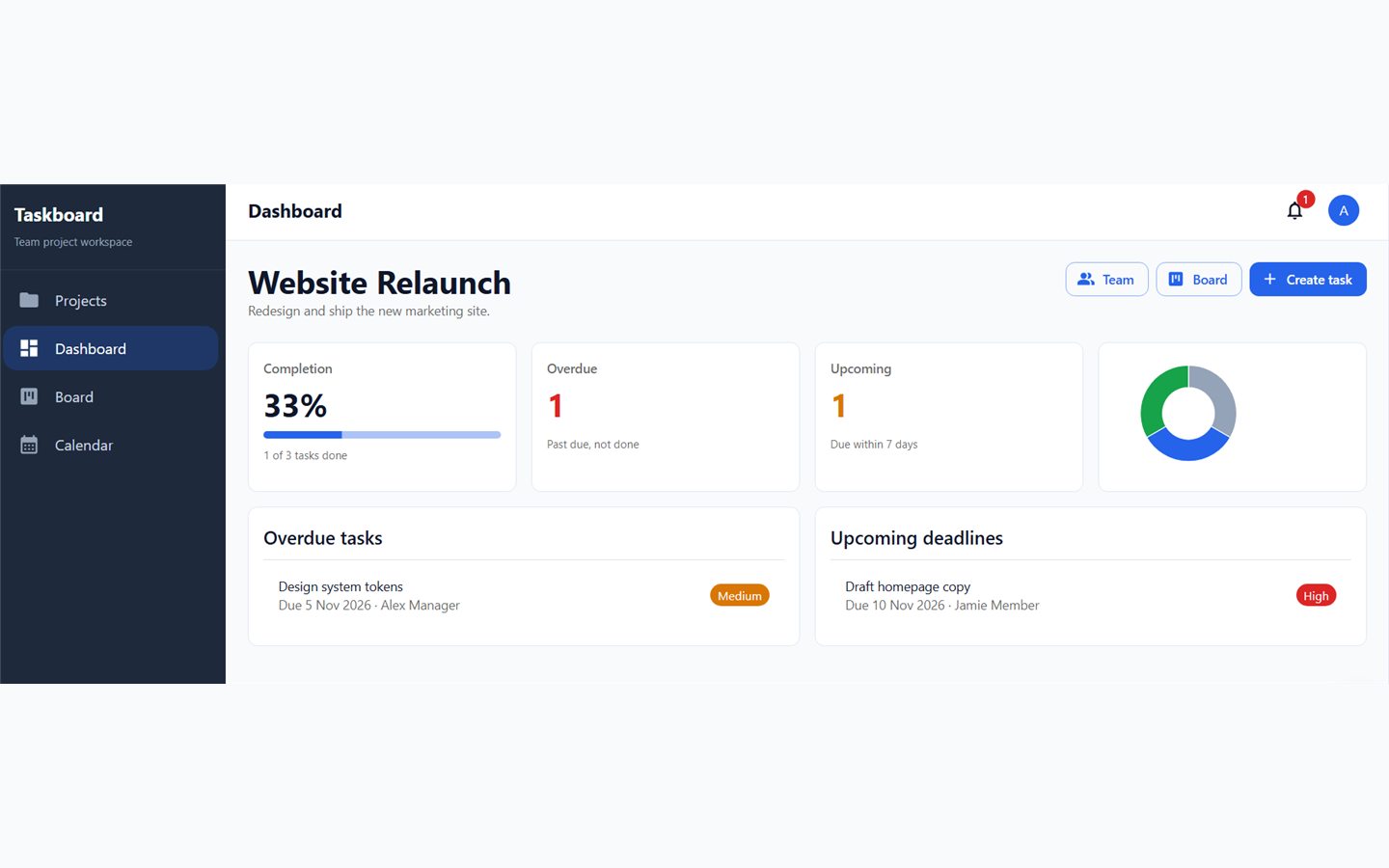
Open the AI app generator or the AI web app builder and describe the screens: tomorrow’s delivery list, subscriber ledger, dues tracker, stock and spoilage log, and supplier orders.
Where a mobile app helps
A mobile app suits two cases: a delivery app for the route list, one-tap delivered and missed marks, and cash and UPI collection, and a customer app for holds, extras, and payment once you have hundreds of subscribers. Most single parlours are served better by WhatsApp and a good website first. Build an app after your paper ledger works for three months. Start from the AI mobile app builder.
Where a logo and brand mark help
A parlour mark appears on a shopfront board, a delivery bag, a crate, a pouch or cup label, a uniform, and a WhatsApp profile, so it should read at thumbnail size and in one colour. Pick a name that is easy to say in a morning rush and a mark that signals freshness and trust. Use the AI logo generator to explore marks, and test each on a cup sleeve, a delivery bag, and a small circle before you print.
A ninety-day plan if you are starting
- 1
Days 1 to 15
Run a catchment count at three locations in the 6 to 9 am window, choose a supply source and a customer, and cost your range sheet and two or three refrigeration quotes.
- 2
Days 16 to 45
Sign the lease with a clear lock-in and exit, apply for FSSAI and other licences, buy refrigeration and backup power, agree supplier terms, and hire and train the first team.
- 3
Days 46 to 70
Fit out, set up billing, Google, and WhatsApp, run a free-trial week with neighbours and tea stalls, and test your ordering and cold-chain routines.
- 4
Days 71 to 90
Open fully, measure bills, average bill, category margins, spoilage, subscriptions, and reviews daily, and fix the three biggest gaps before you spend more on marketing.
A ninety-day plan if you already operate
- 1
Days 1 to 15
Measure honestly: margin by category, spoilage in rupees, dues, subscriptions, delivery cost per household, and your top three complaints.
- 2
Days 16 to 45
Cut slow, short-dated lines, set ordering from a four-week average, fix the fridge and power backup, and collect every overdue due.
- 3
Days 46 to 70
Launch a lassi or shake add-on, a pre-paid plan, and a regular-customer reminder, and start two bulk accounts with firm payment terms.
- 4
Days 71 to 90
Lock the weekly scoreboard and plan the next quarter. Only then consider a denser delivery route, a new category, or a second counter.
Common failure patterns
- Counting litres sold and ignoring margin by category
- Over-ordering perishables and writing nothing off, so spoilage hides in the average
- No power backup, so one long outage spoils a week of margin
- Giving credit to households and stalls with no limit, no reminder, and no stop rule
- Delivery routes that are long and thin, so delivery cost eats the margin
- Buying loose milk without testing, then losing trust after a single bad batch
- Skipping fridge cleaning and temperature logs until a failure or an inspection arrives
- Opening a second counter before the first runs without the owner at five in the morning
When you are ready to build with Nyravi
Use this guide to decide what the parlour needs. When the next step is a range and delivery website, a subscription and dues dashboard, a delivery-route app, or a brand mark for your crates and pouches, open Nyravi and describe that product. Keep the brief short: who uses it, what they open first, and what they finish.
If you want help writing that description, ask on Support. Start on the [home page](/), or jump to the product pages linked above. For WhatsApp chatbots, start at cognitivesys.io. The operation comes first. The build carries the system once the system is clear.
Questions
What is a milk parlour business?+
A milk parlour business is a dairy retail outlet that buys milk and milk products from dairies, cooperatives, or its own farm, stores them in a cold chain, and sells them at a counter and by home delivery. It earns a thin margin on staple milk and a higher margin on curd, paneer, ghee, lassi, and shakes. It differs from a dairy farm because it retails rather than produces.
How do I start a milk parlour in India?+
Start by counting households, tea stalls, and passers-by in the 6 to 9 am window at three locations, then choose a supply source and a range. Apply for FSSAI and other local licences, buy refrigeration and a power backup against written quotes, agree supplier terms, hire and train a small team, and run a free-trial week for neighbours before you advertise.
How much does it cost to start a milk parlour in India?+
A small milk parlour can cost roughly ₹5 lakh to ₹15 lakh depending on city, shop size, and brand. The worked example in this guide totals ₹9,10,000, including a ₹1,80,000 refrigeration set-up, ₹50,000 of power backup, and ₹2,00,000 of working capital. A franchise adds a franchise fee, so ask for the full figure in writing.
How much profit does a milk parlour make?+
Profit depends on the mix of products, spoilage, and dues, not on litres sold alone. In this guide’s example, a parlour with a 19.5% contribution margin and ₹1,27,000 of monthly fixed cost breaks even at about 156 bills a day and earns about ₹48,500 a month at ₹9,00,000 of sales after the owner’s draw. Track margin by category weekly.
What licences do I need for a milk parlour in India?+
Most milk parlours need an FSSAI registration or licence, GST where applicable, shop and establishment registration, and a municipal trade or health licence, plus Legal Metrology compliance for weighing scales and any packaged goods you pack yourself. Rules vary by state, city, and turnover, so confirm each with the authority and a qualified adviser. This guide is not food-safety or legal advice.
Why is the margin on milk so low, and how do parlours make money?+
The margin on branded pouch milk is small and usually set by the supplier, so parlours earn their profit from curd, paneer, ghee, lassi, shakes, and sweets. In this guide’s example, pouch milk is 35% of sales but only about 13% of gross margin. Use milk to bring customers daily, and manage the shop on category margin and spoilage.
How do I reduce spoilage in a milk parlour?+
Order each day from the average of the last four same weekdays plus a small buffer, rotate stock first in, first out, and log fridge temperatures and every write-off. Keep a power backup for outages, move short-dated items through a clear offer, and review spoilage weekly. In this guide’s example, halving a ₹1,920 monthly spoilage line saves ₹960.
How can I improve my milk parlour business?+
Rank categories by rupees of gross margin, feed the high-margin shelves, and add a lassi or shake counter. Densify your delivery route, move subscribers to pre-paid plans, stop credit that passes a set limit, and add bulk accounts such as tea stalls with firm payment terms. Fix the complaint that appears twice in your reviews before you add outlets.
Can a WhatsApp chatbot help a milk parlour?+
Yes, a WhatsApp chatbot can take extras, holds, and cancellations for tomorrow’s delivery, answer price and stock questions, collect subscription enquiries, and send bills and payment reminders, while handing quality complaints and refunds to a person. CognitiveSys, the parent company behind Nyravi, builds WhatsApp chatbots and shared inboxes. Start at cognitivesys.io.
Does a milk parlour need a website, an app, or Nyravi?+
A milk parlour benefits most from a simple website with the range, delivery area, plans, and a WhatsApp button, then from a web app once subscriptions, stock, and dues outgrow a notebook. A delivery or customer mobile app comes last. Nyravi can build the website, dashboard, delivery app, or logo from a plain-language description. For WhatsApp chatbots, start at cognitivesys.io. This guide covers business operations only, not food-safety or legal advice.