

Painting & waterproofing contractors
Painting contractor business: how to start, run, and improve one
A practical operator playbook for starting, running, and improving a painting and waterproofing contractor business in India: what a painting contractor really sells, area-based costing and rate-per-square-foot formulas, waterproofing warranty reserve, crew productivity, material control, site safety, local marketing, WhatsApp chatbots for site-visit and quote requests, and when a website, estimate web app, supervisor mobile app, or logo actually helps. Business operations only, not structural, chemical-safety, or legal advice.
 Nyravi AILearn playbookPainters becoming contractors, small painting and waterproofing firms, interior finishing contractors, and owners who want fewer disputes and better margin per site
Who this guide is for
Read this if you are a skilled painter who wants to move from daily wages to winning jobs under your own name, if you already run a crew and quotes keep coming in below cost, or if you do both painting and terrace or bathroom waterproofing and cannot tell which line earns the money. It is also for owners who measure by eye, buy paint on the day, argue about extra coats at handover, and spend the festival season short of labour and long on complaints.
The playbook covers the business around the brush: measuring, costing, quoting, crews, materials, cash, warranties, and reputation. If you work with designers, read the interior design business guide too. If you work for builders, see builder and contractor business. For ongoing repairs after the paint dries, read home service business, and for the counter that sells your materials, hardware store.
What a painting contractor business is
A painting contractor business is a finishing-trade business that prepares, paints, and protects interior and exterior surfaces and often applies waterproofing systems for terraces, bathrooms, and walls, selling labour and materials as fixed-price or measured jobs for homes, offices, shops, and buildings. Revenue comes from area-based contracts, and profit depends on measuring correctly, controlling paint and putty usage, keeping crews productive, and standing behind a durable finish.
Terms you will use daily
- Paintable area: the wall and ceiling area to be coated, usually measured on site, not guessed from carpet area
- Putty and primer: the surface preparation layers that decide how smooth and durable the finish looks
- Emulsion, enamel, and texture: common finish types with different cost, coverage, and labour
- Coat and coverage: each layer applied and the area one litre covers, as stated on the product data sheet
- Surface preparation: scraping, crack repair, sanding, and damp treatment before any paint is applied
- Waterproofing: a membrane or coating system that stops water entering a terrace, bathroom, or wall
- Warranty: a written period during which you repair defects caused by workmanship or material failure
- Snag list: the list of small defects a client notes at handover for correction
A paint dealer sells paint. A painting contractor sells a result: smooth walls, a consistent shade, a protected terrace, and a site left clean. Most disputes in this trade come from the preparation no one sees and the extra coat no one agreed on. Contractors who write down the stages, the number of coats, and the products earn better margin and fewer arguments.
What clients really buy
A homeowner does not buy litres of paint. They buy a house that looks cared for on Diwali eve, no drips on the tiles, furniture covered and returned, a shade that matches the sample, and a team that finishes when promised. A builder buys a finish that passes inspection and does not peel in the first monsoon. A housing society buys a quote it can defend to its committee.
That is why a contractor who shows the stages of work, uses named products, protects floors, and clears the site earns recommendations that a cheaper, careless painter never gets.
Choose a focus before you buy scaffolding
Painting and waterproofing are related trades with very different risks. Painting is volume work with thin per-foot margin. Waterproofing has higher margin per foot and a warranty tail. Exterior work needs scaffolding and height safety. Interior work needs tidy crews and furniture handling.
Decide these before you commit money
- Interior painting, exterior painting, waterproofing, texture and decorative work, or a mix with one lead line
- Residential repaint, new-building finishing for builders, or commercial and society work
- Labour-only contracts versus supplying materials, and how you earn on each
- Brands you stock or specify, and tie-ups with dealers for credit and shade matching
- Waterproofing systems you will apply, and the warranty you can honestly support
- Scaffolding owned, rented, or avoided by declining high-rise exterior work
- How far you will travel and the crew size you can supervise properly
Start-up and monthly cost formulas
Painting contractors can start with brushes, rollers, a crew, and a phone. The costs that surprise new owners are the working capital for paint bought ahead of payment, wages paid weekly while clients pay at handover, and the warranty cost of a poor waterproofing job.
Waterproofing costing and warranty reserve
Waterproofing earns more per square foot than painting and carries a longer tail. A bad terrace job comes back in the next monsoon, when your crew is busiest and the client is angriest. Price the warranty as a real cost, not as a hope.
Waterproofing rules that protect you
- Inspect for structural cracks, expansion joints, and slope before you quote, and say in writing what the coating will and will not fix
- Test the surface, apply the system as the maker specifies, and cure for the stated time before loading it
- Run a water ponding test where the client agrees, and photograph each layer
- Give a written warranty with start date, scope, exclusions, and a claim process
- Decline a job where the problem is structural, and recommend a structural engineer instead of a membrane
Registration, safety, and site permissions
Painting involves height, fumes, dust, and other people’s property. Treat this list as a checklist to confirm locally and with qualified advisers, not as legal or technical advice.
Items to confirm
- Business structure, PAN, bank account, GST registration where required, and Udyam registration where it applies
- Shop or establishment registration and any contractor registration needed for builder or government work
- Society permissions and work-hour rules for apartments, including entry, lift use, and debris disposal
- Labour rules for contract workers, provident fund and ESI where thresholds apply, and site accident insurance
- Safe work at height: sound scaffolding or access equipment, harnesses where required, and a rule against unsafe ladders
- Ventilation and protective gear for solvents, sprays, and sanding dust, following product safety data sheets
- Proper storage and disposal of leftover paint, thinners, and rags, with fire precautions
- Care for floors, furniture, windows, and fittings, with a signed handover note
The team a painting contractor needs
Crews make or break the job. A good supervisor who checks the putty before the first coat saves the day you would spend repainting.
Roles that keep sites moving
- Owner: estimating, client relationships, supplier terms, cash, and the monthly review
- Supervisor or site foreman: crew allocation, stage checks, shade matching, and daily progress
- Painters, putty and surface-prep workers, and helpers, each with a defined skill grade
- Waterproofing applicators trained for the systems you offer
- Estimator or coordinator: measurement, quotes, material lists, and variation records
- Store keeper: paint, putty, and consumables issue and return register
- Accountant: running bills, supplier payments, payroll, and retention
Pay skilled painters above the casual rate, link a bonus to snag-list results, and keep them busy in the slow months with society repaints, touch-up contracts, and waterproofing work. People who leave in July rarely return in September.
Measuring, scope, and variation control
Most losses begin at the measuring tape. A rough area guess, a vague scope, and an unwritten shade promise can erase a month of profit on one job.
Scope habits that protect margin
- Measure walls, ceilings, and exclusions such as large windows and doors on site, and record the paintable area
- Name the brand, product line, shade, finish, and number of coats for each area
- List preparation steps: scraping, crack filling, putty coats, sanding, and primer
- State exclusions such as furniture shifting, wood polish, or damp that needs a separate treatment
- Agree the price for extra work before the crew starts, and confirm by WhatsApp
- Use a shade sample on a small patch before the main work begins
- Photograph each stage and the final result for the client and for your portfolio
Pricing, payment terms, and shade promises
Pricing and payment habits that work
- Offer a few packages: standard emulsion, premium washable, and textured or designer finish, each with a clear rate
- Take a mobilisation advance of 20% to 30% before materials are bought
- Bill in stages: preparation complete, first coat complete, handover
- State a payment rule and a snag-list period, such as three days after handover
- Charge separately for furniture moving, scaffold, and difficult access
- Offer annual touch-up contracts for shops, clinics, and societies
- Raise rates once a year in line with material cost and wages, and tell clients why
Shades look different under daylight, tube light, and warm bulbs. Show a patch in the actual room, record the shade code in your quote, and have the client sign off before the full coat. It saves more arguments than any discount.
The client journey from enquiry to handover
A repeatable job journey
- 1
1. Enquiry and qualification
Ask for location, number of rooms, interior or exterior, existing damp or cracks, preferred dates, and a few photos.
- 2
2. Site visit and measurement
Measure, inspect for damp and cracks, photograph problem areas, and discuss shades and finish.
- 3
3. Written quotation
Send the area, rate, products, coats, preparation steps, exclusions, payment stages, and warranty within two days.
- 4
4. Agreement and advance
Sign terms, collect the advance, and agree start date, working hours, and furniture handling.
- 5
5. Preparation and protection
Cover floors and furniture, repair surfaces, apply putty and primer, and inspect before the first coat.
- 6
6. Painting and checks
Apply coats, check shade on site, supervise edges and corners, and clear dust daily.
- 7
7. Handover and snag list
Walk through with the client, record snags, fix them within an agreed period, and give the warranty note.
- 8
8. Referral and follow-up
Ask for a review and photograph permission, and offer a touch-up check after three months.
A simple weekly rhythm
Run the business on a short scoreboard
- Daily: crew attendance, progress by area, material issued, safety check, and site cleanliness
- Twice weekly: paint and putty stock against upcoming sites and dealer deliveries
- Weekly: quotes sent and won, advances collected, bills raised, and payments received
- Weekly: material used against the plan, with variance by site
- Monthly: margin by job, crew productivity, snag count, warranty claims, and receivables
- Before festival and monsoon seasons: book crews, order materials, and confirm waterproofing slots
Money: the numbers that decide survival
Watch these every week
- Cash in hand against the next four weeks of wages and supplier payments
- Receivables by client and days overdue
- Gross margin by job, compared to the quoted margin
- Material variance: litres and kilograms used against the plan
- Warranty reserve balance and open claims
- Order book: confirmed work for the next 30, 60, and 90 days
ROI formulas you can use this month
Marketing a painting contractor business in India
Painting is bought before festivals, weddings, and house moves, and after the monsoon shows where the roof leaks. Clients ask neighbours, then check Google and Instagram for proof. Your marketing is before-and-after evidence and a clear, honest quote.
What moves enquiries
- A Google Business Profile with service area, photos of finished rooms and tidy crews, reviews, and a WhatsApp number
- A portfolio of before-and-after photographs with the products and areas listed
- Relationships with interior designers, architects, builders, and dealers who recommend finishers
- Society and RWA presence for repaint cycles and waterproofing drives before monsoon
- Seasonal campaigns: pre-Diwali repainting, pre-monsoon waterproofing, and post-monsoon damp checks
- Paint dealer and hardware shop tie-ups for referrals and shade matching
- A short brochure with packages, process, warranty, and sample projects
Reviews and reputation
A review that says “clean, on time, and the shade was exactly right” brings the next ten calls. A review that says “paint peeled in six months” takes them away. Reviews and photographs are your shop window.
A review routine that works
- Ask for a review at handover and a week later, with a direct link and a short request
- Collect testimonials from designers and builders that mention timeline and neatness
- Reply to every review within 48 hours, and call unhappy clients before replying in public
- Tag each complaint: delay, mess, shade, peeling, leak, or extra charge, and fix the biggest cause first
- Photograph finished work with client permission for the portfolio
Channels that bring work
Rank them by cost per job
- Repeat clients and referrals from neighbours, designers, and builders
- Google Maps and local search for homeowners ready to book a site visit
- Paint dealers, hardware shops, and tile shops that recommend finishers
- Society and RWA committees for repaint and waterproofing cycles
- Builders and developers for new-building finishing, with strict payment terms
- Online service marketplaces: useful for volume, but check commission against your margin
- Instagram and short videos of transformation work for design-led clients
Record the source of each enquiry for a quarter. You will see which channels bring full-scope jobs and which bring only price comparisons.
Automation that frees the owner
Automate these first
- Replies to common questions: service area, packages, process, warranty, and visit scheduling
- Site-visit booking with a reminder to the client and the estimator
- Quotation delivery with an area table, products, stages, and terms
- Advance, stage-bill, and payment reminders
- Daily progress photos and a short report to the client during a long job
- Touch-up and waterproofing check reminders for past clients
- A weekly owner summary: leads, quotes, wins, receivables, and open snags
Where a WhatsApp chatbot helps
Clients message at all hours: “What is the rate per square foot for repainting a 2 BHK?”, “Do you do terrace waterproofing?”, “Can you come on Sunday?”, “Can you send photos of previous work?”. If the owner is on a scaffold, those messages wait, and the client messages the next painter.
What a business WhatsApp chatbot is good for
- Answering service area, packages, process, warranty, and visit scheduling from facts you approve
- Collecting location, rooms or area, interior or exterior, damp or cracks, photos, and preferred dates into a lead sheet
- Booking a site visit and sending a reminder with the estimator’s name
- Sending quotations, stage bills, and payment reminders
- Sending touch-up and waterproofing check reminders to past clients who agreed to receive them
- Handing the thread to a person for pricing, structural doubts, or complaints
Why painting contractors use it
- Clients already use WhatsApp and can send photos of walls, damp, and cracks
- One shared inbox instead of the owner’s personal number
- Fewer missed leads before festivals and after the monsoon
- Faster first replies, which decide who gets the site visit
Use WhatsApp for conversation, a website for your portfolio and packages, and a web app when quotes, crews, and materials need one live board. The furniture store playbook shows how a neighbouring home trade handles delivery dates, advances, and finish disputes.
Growing a painting contractor business
Growth is more profitable sites, steadier off-season work, and a stronger reputation, not only more crews. The risk is taking too many sites with thin supervision, so quality drops and snags rise.
Ways to grow responsibly
- Promote a lead painter to supervisor before running a second site at the same time
- Build society, office, and shop touch-up contracts to smooth the quiet months
- Develop a waterproofing line with trained applicators and a warranty you can afford
- Add decorative finishes such as texture and designer walls after the basics run cleanly
- Partner with interior designers and builders who value neat work and pay on time
- Standardise estimate sheets, stage checklists, and handover notes
- Keep two months of fixed costs in reserve before taking a large contract
Where a website helps
A website helps a homeowner, builder, or designer decide whether to call you. It should show finished rooms and terraces, before-and-after photographs, packages and rate guides, your process, the warranty, service areas, reviews, a quote request form, and a WhatsApp button. A page of clear before-and-after photographs sells better than any claim of quality.

Start from the AI website builder or build a website with AI and describe your services, areas, and the questions a client asks first.
Where a web app helps
A web app helps when several sites run at once and the owner cannot answer “which crew is where, how much paint is issued, and which bill is pending?”. A signed-in board with sites, areas, crews, material issue, stage bills, snag lists, and warranty dates gives the owner and supervisor one version of the truth.
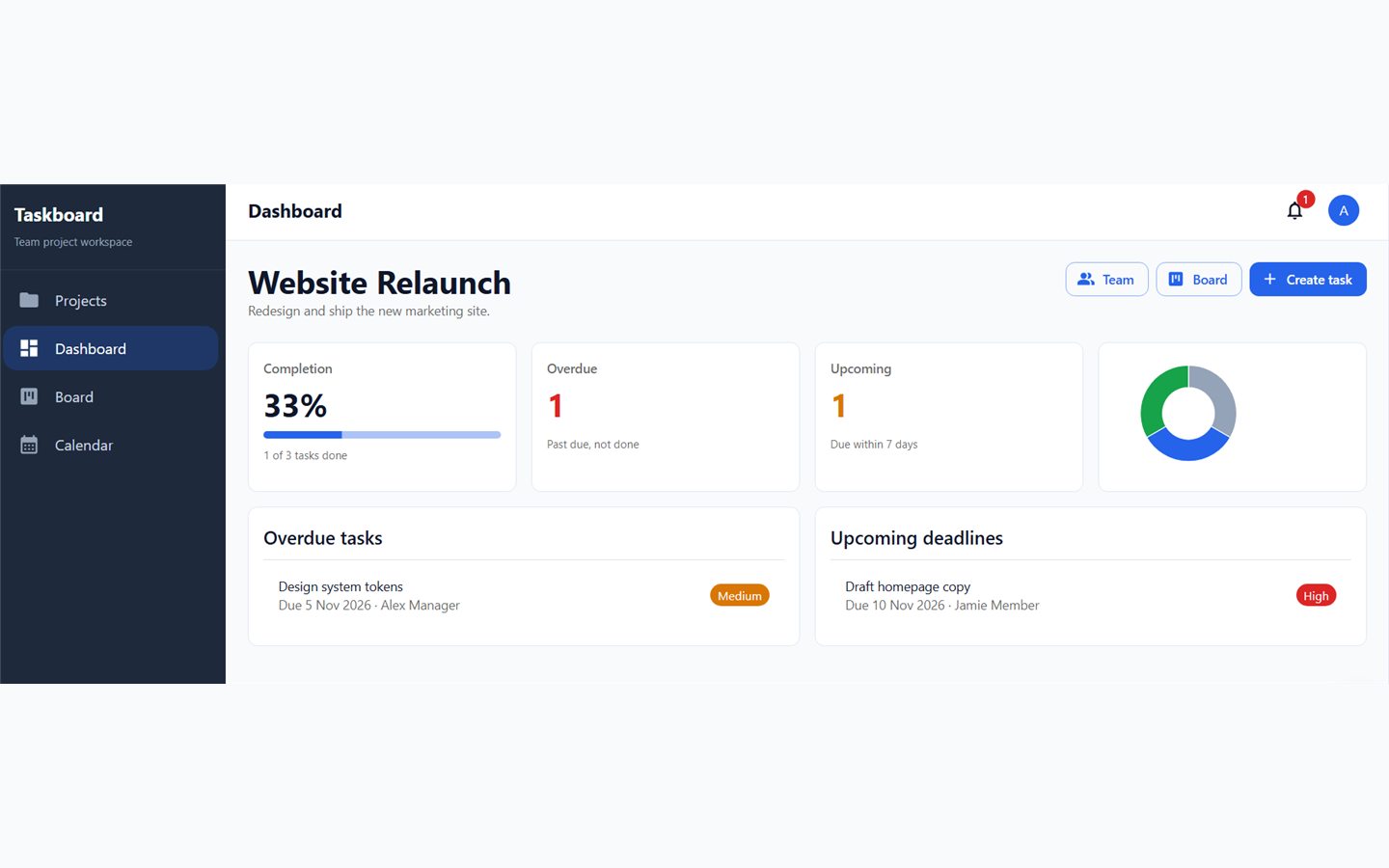
Open the AI app generator, the AI web app builder, or the inventory app builder for the paint and consumables store, and describe sites, estimates, material issue, and snags as the main screens.
Where a mobile app helps
A mobile app suits supervisors and painters who need today’s site list, an area and stage checklist, a photo upload for each stage, a material issue and return log, attendance, and a client sign-off screen. Build it after your paper checklist works for a month. Start from the AI mobile app builder.
Where a logo and brand mark help
A clear mark appears on your uniform, vehicle, quotation, site board, and the warranty card you leave on the finished wall. Clients notice contractors whose paperwork looks organised and whose crews look the part. Use the AI logo generator and test the result on a shirt pocket, a vehicle door, and a site board.
A ninety-day plan if you are starting
- 1
Days 1 to 15
Survey the area, collect rates from three dealers, decide your lead line, study competitors’ quotes, and build your start-up and fixed-cost sheet.
- 2
Days 16 to 45
Buy tools and access gear, hire a supervisor and a small crew, build your quote template and stage checklist, and define your warranty.
- 3
Days 46 to 70
Photograph your first jobs, publish your website and Google profile, meet 20 designers, builders, and dealers, and offer a pre-season repaint or waterproofing check.
- 4
Days 71 to 90
Run the first sites, measure margin against the quote, collect testimonials, and fix your biggest cost leak before you take a larger job.
A ninety-day plan if you already operate
- 1
Days 1 to 15
Measure honestly: margin by job, material variance, snag count, warranty claims, win rate, and unanswered leads.
- 2
Days 16 to 45
Fix the biggest leak, usually rough measurement, free extra coats, or unpriced scaffold. Introduce a measured quote and a written variation rule.
- 3
Days 46 to 70
Start touch-up contracts, automate enquiry replies and payment reminders, and meet five designers or builders.
- 4
Days 71 to 90
Lock the weekly scoreboard, plan the next festival and monsoon seasons, and only then add a crew.
Common failure patterns
- Quoting by carpet area without a site measurement
- Skipping putty and primer to win on price, then repainting in a year
- Giving free extra coats and shade changes after the quote
- Taking waterproofing jobs without a warranty reserve or a method statement
- Buying paint on credit with no client advance
- Letting site mess and damaged floors erase a good finish
- Using unsafe ladders or scaffolds
- Accepting every enquiry in festival season and delivering late
- Ignoring structural cracks that a coating cannot fix
When you are ready to build with Nyravi
Use this guide to decide what the business needs. When the next step is a contractor website, a quote and site board, a supervisor mobile app, or a logo for your uniform and warranty cards, open Nyravi and describe that product. Keep the brief short: who uses it, what they open first, and what they finish.
If you want help writing that description, ask on Support. Start on the [home page](/), or jump to the product pages linked above. For WhatsApp chatbots, start at cognitivesys.io. The operation comes first. The build carries the system once the system is clear.
Questions
How do I start a painting contractor business in India?+
Start with a clear lead line such as interior repainting or waterproofing, build a small skilled crew, buy tools and access gear, and write a costed rate per square foot with named products and coats. Win your first jobs through neighbours, designers, builders, and dealers, and keep three months of working capital for paint and wages.
How much does it cost to start a painting contractor business?+
A small painting contractor often needs roughly ₹3 lakh to ₹8 lakh for tools, access gear, a vehicle, deposit, material float, and working capital, depending on city and scope. The worked example in this guide totals ₹6,20,000, including three months of working capital. Paint bought before the client pays is the cost new owners underestimate.
What is the painting rate per square foot in India?+
Rates vary widely by city, brand, surface, and finish, so calculate your own: add paint and primer, putty, wastage, labour, and consumables, then divide by one minus your target margin. In this guide’s example, a direct cost of ₹23.2 per sq ft at a 30% margin gives about ₹33 per sq ft. Use your own supplier rates.
How much profit does a painting contractor make?+
Many painting contractors work at a gross margin of roughly 25% to 35%, and net profit depends on fixed cost, material control, and crew productivity. In this guide, an ₹85,000 monthly fixed cost at a 30% margin needs about ₹2,83,000 of work a month to break even. Track margin by job against the quote.
How do I price waterproofing work?+
Add material, labour, surface preparation, and consumables for the area, then add a warranty reserve equal to the claim rate times the average repair cost, and divide by one minus your target margin. In this guide’s example an 800 sq ft terrace costs ₹54,000 including reserve and quotes at about ₹79,500. Decline structural problems that a coating cannot fix.
How do I get more painting jobs in India?+
Build a portfolio of before-and-after photographs, keep a complete Google Business Profile with reviews, and tie up with interior designers, builders, and paint dealers. Reply to enquiries quickly, visit sites with a tape and checklist, send a written quote within two days, and run pre-Diwali and pre-monsoon campaigns.
How can I improve my painting contractor business?+
Measure every site, write named products and coats into every quote, and track material use against the plan. Take advances, bill in stages, price scaffold and extras separately, and add touch-up contracts to smooth the quiet months. Fix the most repeated snag first.
Can a WhatsApp chatbot help a painting contractor?+
Yes, a WhatsApp chatbot can answer service area, package, and process questions, collect rooms, photos, and preferred dates, book a site visit, and send quotations and payment reminders, while handing pricing, structural, and complaint threads to a person. CognitiveSys, the parent company behind Nyravi, builds WhatsApp chatbots. Start at cognitivesys.io.
Does a painting contractor need a website or a web app?+
A painting contractor benefits from a website with before-and-after photographs, packages, and a quote request form, and from a web app once sites, crews, materials, and stage bills outgrow notebooks and chat groups. The website wins the enquiry. The web app keeps several sites on one board. Start with the website and add the app as the job count rises.
Can Nyravi help after I read this guide?+
Yes, Nyravi can help you build the digital side: a contractor website, a quote and site-board web app, a supervisor mobile app, or a logo for uniforms and warranty cards. Describe the product in plain language and ask on Support if you want help with the brief. For WhatsApp chatbots, start at cognitivesys.io. This guide covers business operations only, not structural or safety advice.