
Perfume & cosmetics retail
Perfume and cosmetics store business: how to start, run, and improve one
A practical operator playbook for starting, running, and improving a perfume, makeup, and cosmetics retail store in India: what the shop really sells, landed-cost, margin-mix, tester-cost, discount-break-even, expiry-exposure, and open-to-buy formulas with hand-checked ₹ examples, authenticity and Cosmetics Rules basics, fragrance consultation, gifting seasons, WhatsApp chatbots for stock questions and gift reminders, and when a website, stock web app, advisor mobile app, or logo actually helps. Business operations only, not legal, tax, medical, or product-safety advice.
 Nyravi AILearn playbookFirst-time perfume and cosmetics store founders, beauty-retail entrepreneurs, owners of multi-brand fragrance and makeup stores, gift-shop and boutique owners adding a fragrance counter, sellers of attars and niche perfumes, and existing stores that want higher conversion, lower tester and expiry losses, better margin mix, and steadier gifting seasons
Who this guide is for
Read this if you want to open or run a store that sells designer and niche perfumes, attars, body mists, makeup, skincare, and gift sets to walk-in shoppers, gift buyers, brides, and regular beauty customers. It is also for a salon or boutique owner who wants a fragrance counter, a young entrepreneur who loves perfumes and wants to turn the interest into a shop, an owner who bought a hundred designer bottles in September and still has half of them in March, and a seller who has been burned by a fake-bottle complaint. If your footfall is fine but your margin, tester losses, expiry write-offs, or the October-to-December rush are not, this playbook is for you.
The playbook covers the business around the bottle and the lipstick: authentic sourcing, consultation, margin mix, tester discipline, expiry control, gifting seasons, and growth. If you make and sell your own skincare range, read the skincare brand guide. If you sell fashion and a few fragrances as an add-on, see boutique and clothing. If you serve brides and offer makeup as a service, the makeup artist guide fits better. If you sell mostly gifts and hampers, read gift shop. A perfume and cosmetics store is judged on whether the product is genuine, whether the shopper leaves with the right scent or shade, and whether your shelf holds fresh stock instead of last year’s batches.
What a perfume and cosmetics store business is
A perfume and cosmetics store business is a retail business that buys authentic fragrances, makeup, skincare, and gift sets from brands, authorised distributors, or licensed importers and sells them to shoppers at a margin, with the consultation, sampling, and gifting help that turn a hesitant browser into a confident buyer. Revenue comes from bills per month at an average bill value, and profit is limited by the share of walk-ins who buy, the gross margin on the mix sold, the cost of testers and expiries, and how quickly stock turns back into cash.
Terms you will use every week
- Eau de parfum, eau de toilette, and parfum: fragrance strengths with different oil concentration, price, and longevity
- Top, heart, and base notes: the stages of a scent from first spray to dry-down, which is why a shopper should wait before deciding
- Tester: an opened bottle or product used for sampling on the shop floor, which has a real cost
- Authorised distributor: a seller licensed by the brand or importer, the only safe source of authentic stock
- Grey-market stock: genuine or fake goods bought outside the brand’s authorised chain, often cheaper and often without warranty or traceability
- Batch code and expiry: markings that let you trace a product and remove it before it ages out
- Landed cost: your real cost of a unit after freight and allowances, before GST
- Stock turn and GMROI: how fast stock sells and how much gross profit each rupee of stock earns
- Attach rate: the share of buyers who add a body mist, a mini, a gift wrap, or a skincare item to the main product
- Shade matching: choosing a makeup tone against a shopper’s skin, which sells the product and prevents returns
A perfume and cosmetics store is a trust and consultation retail business. The shopper cannot judge a scent from a label or a shade from a box, so they buy from the person and the shop they believe. The skill you manage most carefully is authenticity.
Perfume and cosmetics store at a glance: the worked example in this guide
Key figures, all illustrative and to be replaced with your own bills
- Shop: a 450 sq ft street-front or mall store with a manager and three beauty advisors
- Traffic: about 2,000 walk-ins a month, 20% conversion, 400 bills at an average of ₹3,000, so ₹12,00,000 of monthly sales before GST
- Margin: a blended gross margin of 32%, variable costs of 6.2% including testers, and a 25.8% contribution
- Fixed cost: about ₹2,35,000 a month including a ₹40,000 owner draw and ₹80,000 of rent
- Break-even: about ₹9,10,853 of monthly sales, roughly 304 bills
- Profit: about ₹74,600 a month on average, about ₹12,680 in the leanest month (July) and about ₹1,82,960 in November
- Stock: about ₹24,48,000 at cost on average, four turns a year, and a stock return on margin of 1.88
- Start-up investment: about ₹36,03,000, with a payback of about 48 months on profit after the owner’s draw
Treat these as a template for your own sheet, not as a promise. Brand terms, rent, and city change everything. The point is to see which numbers move profit most: authenticity, conversion, margin mix, and the losses hiding in testers and expiries.
What a perfume and cosmetics store really sells
A shopper does not buy a liquid or a pigment. A shopper buys a feeling: the scent that earns a compliment at a wedding, the lipstick that suits a skin tone without a second try, the gift that looks considered. The store that guides the shopper to that feeling and guarantees the product is genuine wins the bill. The store that only displays brands wins a comparison with a marketplace.
A store that carries every designer label, fifty makeup brands, and a drawer of sample vials feels impressive and runs badly. Each extra line adds stock, expiry risk, a tester, and a salesperson who cannot explain it. A store that is known for one clear promise, such as “authentic designer and niche fragrances with proper guidance”, “Arabic and oud specialists”, or “a curated makeup and skincare edit with shade matching”, is easier to stock, easier to describe on a phone, and easier to defend.
How a perfume and cosmetics store differs from a skincare brand, boutique, salon, and pharmacy
Owners often borrow numbers from a clothes shop or a chemist and get the wrong cash and risk plan. A perfume and cosmetics store sells branded, shelf-life-limited, trust-sensitive goods, with heavy testers, strong gifting seasons, and a constant fake-product risk. That changes how you source, how you train, and what you track.
Where the lines fall
- Skincare brand: you own the formula, manufacture, and claims. A store resells other people’s products. See skincare brand if you create your own range
- Boutique and clothing: fashion cycles and alterations, with fragrance an accessory. See boutique and clothing for the fashion-retail model
- Salon: a service business that retails a few products. See salon if appointments, not shelves, drive your income
- Makeup artist: sells the application and sometimes products. See makeup artist for the bridal and event model
- Pharmacy: a licensed medicines business with prescription rules. See pharmacy if you sell medicines or dermatology products that need a drug licence
- Gift shop: gifts across many categories, with a fragrance corner. See gift shop for the hamper model
Choose a store model and a range before you sign a lease
A perfume and cosmetics store can look like many things, which is why new owners try to be all of them. Pick the model that fits your location, capital, and the shoppers within a short drive, and treat every other model as an add-on to test later.
Common models and what they ask of you
- Designer fragrance boutique: the widest shopper appeal, with high stock value, strict authenticity checks, and fierce online price comparison
- Arabic, oud, and attar specialist: higher margin, a loyal gifting crowd, and a stronger story, but a smaller shopper pool and a need for consultation skill
- Multi-brand cosmetics and makeup store: high footfall and more categories, but many testers, shade ranges, and expiry dates to control
- Beauty-and-wellness curated store: skincare, bath, and gifting edits, with a strong brand story and lower fragrance depth
- Mall counter or kiosk: high footfall and high rent, a small range, and a strong dependence on brand promotions
- Online-plus-store: a shop as showroom and a website for reach, with courier rules for flammable goods and return risks to manage
Decide these before you commit money
- The one or two categories that will carry the first six months, such as designer fragrance and attars
- The authorised sources you will buy from, and the written proof of authenticity you will keep
- A price ladder with real steps, such as under ₹1,500, ₹1,500 to ₹5,000, and above ₹5,000
- How many testers you will buy, and which brands will supply them free with stock
- The shelf-life rule for skincare and makeup stock, and the stock cover you will hold
- The rent ratio you can carry, which for a 450 sq ft store at ₹12,00,000 of sales is 6.7%
How the store works: consultation, sampling, and the season
A perfume sale is a conversation that takes ten to twenty minutes and ends with a bottle, a gift set, or a promise to return. A cosmetics sale is a shade and skin-type match. The store makes money when advisors can run that conversation well and when the shelf has the right stock before the gifting rush.
A simple consultation flow
- 1
1. Ask first
Ask who it is for, the occasion, the climate, the budget, and scents they already like, before spraying anything.
- 2
2. Narrow to three
Choose three fragrances from different families, such as fresh, woody, and sweet, and spray them on strips.
- 3
3. Let it settle
Suggest the shopper smells the strips again after a few minutes and, if they wish, tries one on skin and walks around the shop while it settles.
- 4
4. Compare value
Show the same scent in a 30 ml, a 50 ml, a 100 ml, or a set, explaining the cost per ml honestly.
- 5
5. Offer the match
Suggest a body mist, a mini travel spray, or a gift wrap after the main choice, not before.
- 6
6. Close with authenticity
Show the batch code, offer a printed authenticity note, and register the shopper for a follow-up message.
- 7
7. Follow up
Ask after a week how the scent lasted, and remind the shopper before the next gifting date.
Start-up and monthly cost formulas
A perfume and cosmetics store needs a deposit, an inviting fit-out with good lighting, secure display, tester stations, a stock of costly items, and enough cash to carry that stock through the first lean months. Founders most often under-count two lines: the stock they must pay for and the working capital to survive a slow July.
Unit economics: landed cost, margin mix, testers, and discounts
Beauty margins look generous on the price tag and shrink at the till. Work out the landed cost of each product, the margin you earn on the mix you really sell, what testers and expiries take, and what each festival discount quietly costs, and run the shop from those numbers rather than from a brand’s suggested margin.
Break-even, seasonality, and profit
Because rent and salaries are paid whether you bill ₹9 lakh or ₹16 lakh, the sales you need each month is the most important number in the shop. Put it where the whole team can see it, and test it against your leanest month, not your average one.
Inventory: stock turns, expiry exposure, and open-to-buy
Perfume and cosmetics are costly to hold and they age. Fragrance suffers from heat and light, skincare and makeup carry expiry dates, and a shade or scent that was popular in March can slow by October. The stock you carry is the biggest cheque in the business.
Registration, authenticity, and cosmetics rules
A perfume and cosmetics store touches tax law, local trade rules, cosmetics law, trademark law, consumer law, fire rules, and courier rules. The framework differs by state, product, and turnover. Treat this section as a checklist of things to confirm, not as instructions.
Confirm each with a qualified professional and the authority
- GST registration, the correct rate for each product type, and invoice and HSN requirements, confirmed with a chartered accountant
- Shop and establishment registration and any trade licence or signage permission required by the local body
- Udyam (MSME) registration, which can help with bank credit
- The Drugs and Cosmetics Act and the Cosmetics Rules, including labelling, batch, and expiry requirements, and whether any licence applies to a cosmetics retailer in your case
- For imported cosmetics, whether the importer holds the required registration, and a written proof from the supplier before you stock it
- A rule to buy only from authorised distributors or brand-appointed sources, with invoices kept, and never to stock counterfeit or look-alike branded goods, which can lead to legal action under trademark law
- Rules on alcohol-based and flammable products, including fire safety for storage and display, and any limit on quantities, confirmed with the fire department
- Courier and aviation rules for sending perfume, which is often treated as dangerous goods and may be refused or charged extra
- Legal Metrology rules for pre-packaged goods, and a rule against decanting or relabelling a brand’s product for sale without the brand’s written permission
- Consumer-protection obligations on honest MRP display, return policy for opened cosmetics, and complaint handling
- Insurance for stock against fire, water damage, and theft, with a plan for summer heat in the stock room
The team a perfume and cosmetics store needs
A perfume and cosmetics store works when each person can run a consultation and finish the sale. A good advisor asks before spraying: who is it for, what occasion, what do they already wear. Hire for curiosity and honesty, and train on fragrance families, shade matching, and hygiene so that no shopper feels pushed.
Roles that keep the shelves fresh and the bills moving
- Owner or store manager: sourcing, authenticity, price, stock plan, cash, and the weekly review
- Senior fragrance advisor: consultation, gifting guidance, and handling the busiest hours
- Beauty advisors: shade matching, skincare basics without medical claims, demonstrations, and billing support
- Stock and display person: receiving, batch and expiry logging, shelf rotation, tester register, and cleaning
- Gifting and order desk: gift wrapping, hamper orders, bulk enquiries, and delivery coordination
- Accounts: daily cash, GST, supplier credit payments, and payroll, usually a part-time accountant
- Online and social support, if you go beyond the shop: photos, catalogue, and reply duty
Pay a base plus an incentive on contribution, not on bottle price. An incentive on price teaches staff to push the costliest bottle, which loses honest shoppers. An incentive that includes attach rate, repeat buyers, and a customer-feedback score builds the habit that lifts every bill.
Pricing, offers, and gifting
Shoppers compare the same bottle online before they buy in store, and some of those online prices are for grey-market or fake stock. A shop that fights on price alone loses margin. A shop that sells authenticity, guidance, sampling, and gift wrapping can hold price and still win the bill.
Pricing habits worth keeping
- Know the authorised-channel price of your top thirty products each week and decide in advance which you will match
- Price attars and own-label lines on value and story, not on cost
- Use a free mini, a gift wrap, or a set in preference to a straight percentage cut
- Set a rule for the maximum discount a salesperson may give without the manager, and keep a log
- Retire slow SKUs by stage, at 120, 180, and 240 days, and move near-expiry skincare early into bundles
- Sell gift sets for price bands, such as ₹1,000, ₹2,500, and ₹5,000, so a gift buyer can decide in one minute
The shopper journey from the first scent question to the follow-up
A perfume buyer is often unsure, buying for someone else, and comparing three screens. The journey from the first question to the follow-up message is where a shop turns a browser into a regular who sends the neighbour.
A standard journey
- 1
1. Greet and ask
Welcome within thirty seconds, and ask who the product is for, the occasion, and the budget before showing a bottle.
- 2
2. Sample
Offer three strips or shades, with a gentle reminder to let the scent settle or to test a shade on the jaw or wrist.
- 3
3. Advise honestly
Explain longevity, strength, and cost per ml, and say plainly when a cheaper bottle will do the job.
- 4
4. Offer the match
Suggest a mini, a body mist, a matching skincare item, or a gift wrap after the choice is made.
- 5
5. Quote and bill
State the price, the offer, and the return policy for opened cosmetics, and bill with the correct GST invoice.
- 6
6. Prove authenticity
Show the batch code, hand over the invoice, and offer a printed authenticity note on request.
- 7
7. Follow up
Send a thank-you after three days, ask how the scent lasted after a week, and invite a review.
- 8
8. Remind and repeat
Remember birthdays, anniversaries, and festivals with opted-in reminders and a simple gift suggestion.
A simple weekly rhythm
Run the shop on a short scoreboard
- Daily open: shelf and tester check, temperature and sunlight check on the display, and a look at the top ten sellers
- Daily close: bills, cash, UPI and card totals, walk-ins counted at the door, tester register, and the unanswered WhatsApp list
- Weekly: footfall, conversion %, average bill, attach rate, and sales by category
- Weekly: gross margin %, discount given as a share of sales, and returns or exchanges
- Weekly: five fastest and five slowest SKUs, and an open-to-buy check for the next month
- Weekly: batches within six months of expiry, and what will be done about each
- Monthly: stock turn by category, tester cost, authorised-price gaps, supplier credit due, and loyalty-list growth
Money: the numbers that decide survival
Watch these every week and every month
- Sales, gross margin %, and contribution against the monthly break-even of about ₹9,10,853
- Stock at cost, stock turns, tester cost, and stock close to expiry
- Supplier credit due dates and any scheme or target-linked rebate you are owed
- Cash in hand against three months of fixed cost, because July arrives every year
- Conversion and average bill, as two numbers that move profit before any ad spend does
- Discount given as a share of sales, by advisor
- Complaints about authenticity, allergy, or shade, and how each was settled
ROI formulas you can use this month
Marketing a perfume and cosmetics store in India
People search for a fragrance before a wedding, a birthday, or a festival, and for a lipstick shade before an event. Marketing for a perfume and cosmetics store is mostly about being the shop that answers “which scent for him, for her, for a gift” clearly, with proof that the product is genuine.
What moves bills
- A complete Google Business Profile with photos of the shop and top products, opening hours, a phone number, and a WhatsApp number that is answered
- A simple fragrance-family guide, printed in the shop and posted online, that helps a gift buyer choose in a minute
- Short videos of a consultation, a shade match, or a gift-wrapping, which build trust more than a model photo
- A calendar of gifting offers for Valentine’s Day, Raksha Bandhan, Diwali, weddings, and Christmas, planned two months ahead
- Tie-ups with salons, bridal planners, boutiques, and corporate HR teams for referral and bulk gifting
- A discovery set of minis for first-time niche buyers, sold at a fair price and credited toward a full bottle
- Honest comparison with online prices, and a clear explanation of authenticity, batch codes, and the return policy
Reviews, relationships, and reputation
A perfume and cosmetics store is judged by a few thousand shoppers each year who tell their families and colleagues where they bought. A review is often triggered by a single question: whether the product is real, whether the advice was honest, and whether the shop fixed a problem.
A routine that works
- Ask each buyer for a Google review three days after the bill, with a direct link on WhatsApp, never as a condition of a discount
- Reply to every public review within 48 hours, thank the good ones, and offer a call to fix the bad ones
- Tag every complaint by cause: authenticity doubt, scent longevity, shade mismatch, allergy report, staff behaviour, or return policy
- Fix the cause with the biggest count first and tell the team what changed
- Handle an allergy or reaction report with care: stop selling the batch if needed, note the batch code, and advise the shopper to see a doctor, without giving medical advice
- Never argue publicly and never post a customer’s name or number without permission
Channels that bring bills
Rank them by contribution per bill and by repeatability, not by volume alone
- Walk-in footfall: the main source, driven by location, window display, and Google Maps visibility
- Phone and WhatsApp enquiries: price, stock, and gift questions that turn into visits if answered fast
- Gift and festival buyers: high bills and short decision windows, best won by clear price-band gift sets
- Salons, boutiques, and bridal planners: referral and bulk gifting with a small commission or discount
- Corporate gifting and wedding return gifts: large orders at lower margin, with a planned lead time
- Brand stores and shopping apps: brand-led traffic with strict price policy, and a risk of grey-market undercutting
- Repeat and referral buyers: the cheapest bills you will ever win, driven by follow-up and occasion reminders
Log the source of every bill for a quarter. You will see which channel gives profit and which gives volume that leaves you with nothing.
Automation that frees the owner
Automate these first
- A stock sheet by SKU, size, batch, and expiry, updated at every bill and every receiving entry
- An expiry and ageing report that flags batches at 180, 120, and 60 days to expiry
- A tester register with open and retire dates and a reorder alert
- A seasonal reorder alert that fires when stock falls below the open-to-buy plan
- An automatic thank-you and review request message after each bill
- Opted-in birthday, anniversary, and festival reminders with a simple gift suggestion
- A weekly owner digest with sales, margin, conversion, discounts, tester cost, expiry exposure, and top and bottom SKUs
Where a WhatsApp chatbot helps
Shoppers message the night before a gift is due, during a lunch break, or while an advisor is with another customer: “Do you have this perfume in 100 ml?”, “What is the price of the gift set?”, “Is it original?”, “What shade will suit me?” If those messages wait until closing time, the shopper has already bought somewhere else.
What a business WhatsApp chatbot is good for
- Answering price, size, availability, and store-hours questions from a catalogue you approve
- Sharing photos and short videos of in-stock products and holding an item for a stated time
- Suggesting gift sets by budget and occasion from a list you approve
- Sending birthday, anniversary, and festival reminders to opted-in contacts
- Asking for feedback after a purchase and routing complaints to the owner
- Taking a bulk gifting enquiry with quantity, budget, and date, then alerting a person
- Handing the whole thread to a person for authenticity doubts, allergy reports, refunds, and anything about skin or health
Why perfume and cosmetics stores use it
- Shoppers already live on WhatsApp and prefer a photo to a phone call
- One shared inbox instead of the owner’s personal number
- Opted-in reminders bring back gift buyers before the festival, without a paid ad
- Faster first replies, which is where most walk-in visits are won

Use WhatsApp for conversation, your website for a catalogue and proof, and a web app when stock, batches, expiry, and gift orders need to live in one place.
Growing a perfume and cosmetics store
Growth is not only another shop. It is a higher conversion rate, a better category mix, a calendar that sells stock before it ages, and repeat buyers who return for the next occasion. Open a second location only after the first runs smoothly without you on the floor.
Ways to grow responsibly
- Raise conversion and attach rate before adding space, because both lift profit without new rent
- Shift part of the mix toward higher-margin attars, niche, and own-label lines, as the mix check above shows
- Build a loyalty list with opted-in birthdays and occasions, and send one useful message each month
- Build corporate and wedding gifting relationships with a simple quote sheet and a lead-time promise
- Add a discovery-set and refill programme for repeat fragrance buyers
- Add a second brand category only when the first has clean sell-through and advisors can explain both
- Test an online catalogue for your city first, checking courier rules for perfume before you promise delivery
- Open another store only after six months of target stock turns, positive profit in the lean months, and a manager who can run the shop for two weeks alone
Where a website helps
Shoppers search “perfume shop near me”, “original perfume store in my city”, “gift sets for her”, or “oud perfume price” before they walk in. Your website should show the main categories and price ranges with photographs, a fragrance guide by occasion, the brands you stock with an authenticity promise, your return policy for opened cosmetics, your address, opening hours and map, and a WhatsApp button, in that order. A site that shows only a logo and a phone number loses to the store that answers the first three questions on one page. Add clear headings and structured data for a local business so search engines and AI assistants can quote your location, products, and contact details correctly.

Start from the AI website builder or build a website with AI and describe your categories, brands, price bands, authenticity promise, and the three questions you want a shopper to answer on the page.
Where a web app helps
A web app helps when stock by SKU and batch, expiry dates, testers, gift orders, and loyalty lists outgrow a notebook and a spreadsheet, and when a second shop or a larger team makes one person’s memory unreliable. A signed-in board that shows stock by batch and expiry, tester status, open-to-buy by month, and gift orders by stage gives the owner, the manager, and the advisors the same answer.
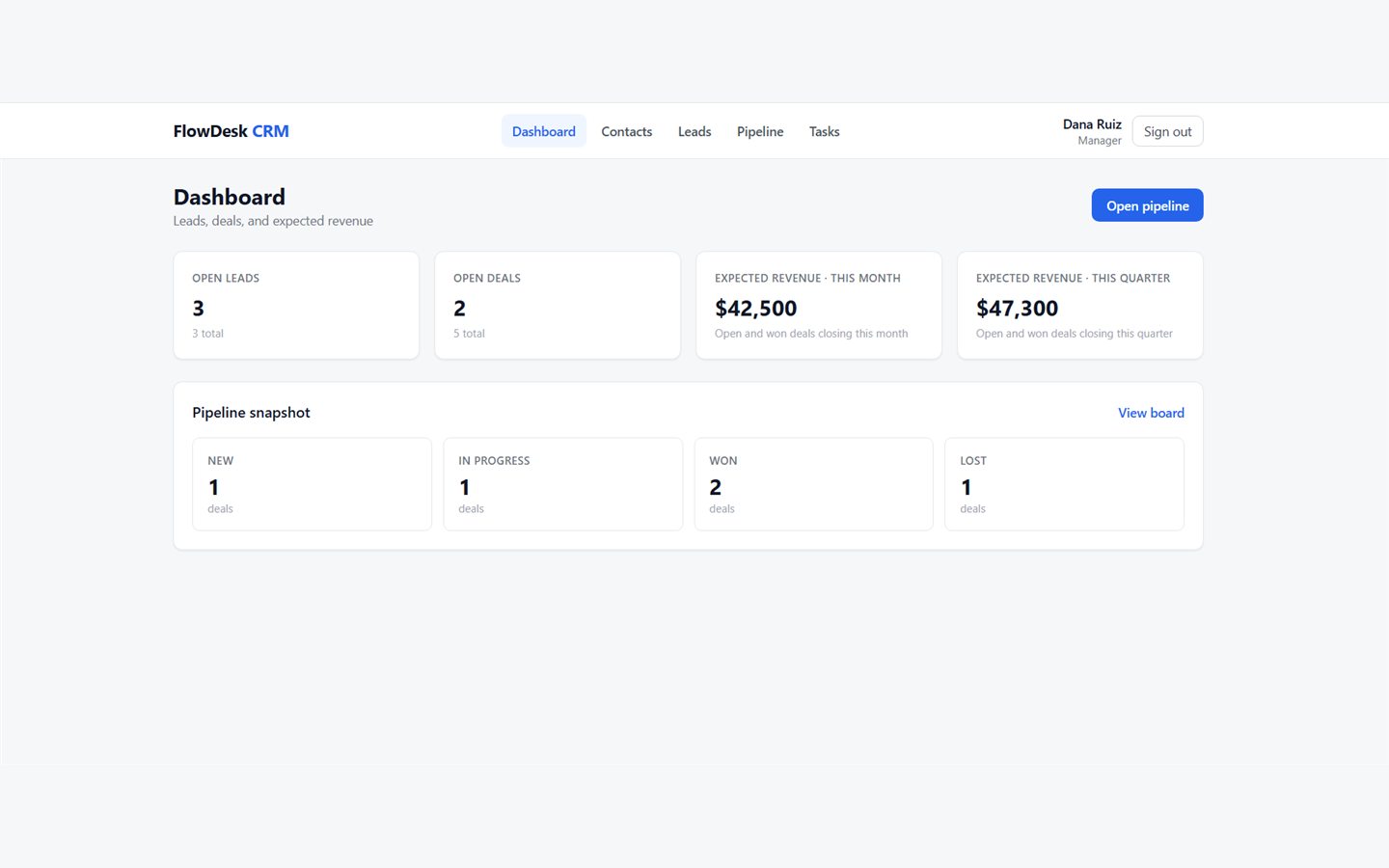
Open the AI app generator or the AI web app builder and describe the screens: stock by SKU and batch, expiry watch, tester register, gift and bulk orders, and a loyalty list with occasions.
Where a mobile app helps
A mobile app suits the manager and advisors who need a stock check by scanning a barcode, a batch and expiry entry at receiving, a tester entry, a quick stock count at close, and a gift-order note, all from a phone on the shop floor. Build it after your spreadsheet has worked for three months. A consumer shopping app is rarely worth it for a single store. Start from the AI mobile app builder.
Where a logo and brand mark help
A perfume-store mark appears on a shopfront board, a gift bag, a gift box ribbon, a tissue sticker, a WhatsApp profile, and a festival banner, so it should read on a small sticker and in one colour. Pick a short name that is easy to say on a phone, a simple mark that suggests elegance without copying a famous house, and a gift bag that shoppers are happy to carry, since your name travels with every gift. Use the AI logo generator to explore marks, and test each on a sticker and a small circle before you print.

A ninety-day plan if you are starting
- 1
Days 1 to 15
Spend two Saturdays in the best fragrance store in your city, pick your model and categories, list your authorised sources, and cost rent, fit-out, and stock.
- 2
Days 16 to 45
Secure the lease with rent near 7% of planned sales, sign distributor terms in writing, ask for testers as part of the first orders, apply for GST and local registrations, and plan the fit-out and the gifting calendar.
- 3
Days 46 to 70
Fit out, log batches and expiry at receiving, train advisors on consultation, shade matching, and hygiene, set up billing and the loyalty list, and begin a local launch with Google profile, WhatsApp, and salon and planner outreach.
- 4
Days 71 to 90
Open, count walk-ins and conversion daily, review the weekly scoreboard, fix the three biggest gaps in service or stock, and plan the next gifting season’s orders before the current one ends.
A ninety-day plan if you already trade
- 1
Days 1 to 15
Measure honestly: footfall, conversion, average bill, margin by category, tester cost, expiry exposure, ageing stock, and authorised-channel price gaps on your top thirty products.
- 2
Days 16 to 45
Fix one leak: clear stock older than 180 days in stages, bundle near-expiry skincare, tighten the tester register, or retrain advisors on the consultation flow, and set a maximum discount rule.
- 3
Days 46 to 70
Rebuild the range around a clear price ladder, shift part of the mix toward attars and own-label, set up an open-to-buy sheet, and start two salon, planner, or corporate gifting relationships.
- 4
Days 71 to 90
Lock the weekly scoreboard and plan the next two gifting seasons. Only then consider a new brand category, a second counter, or an online catalogue.
Common failure patterns
- Buying grey-market or unverified stock to beat a price, and then facing a fake-bottle complaint and a lost reputation
- Stocking every designer label, so that half the shelf is last year’s fashion by March
- Matching every online discount until the margin on a designer bottle is lower than the rent per bottle
- Ignoring testers, which evaporate, walk away, and go stale in sunlight, costing about 2% of sales
- Keeping makeup and skincare past a safe shelf life, and writing off stock that could have been bundled earlier
- Placing bottles in a sunny window, where heat and light spoil the fragrance
- Selling decants or relabelled products without the brand’s permission, which can breach trademark and packaging rules
- Sending perfume by courier without checking dangerous-goods rules, and having parcels refused or lost
- Paying incentives on bottle price, so advisors push the costliest bottle and lose honest repeat shoppers
- Opening a second shop before the first can run without the owner on the floor
When you are ready to build with Nyravi
Use this guide to decide what the store needs. When the next step is a store website with a fragrance guide and authenticity promise, a stock and expiry dashboard, an advisor app for batch entry and tester logs, or a brand mark for your gift bags and stickers, open Nyravi and describe that product. Keep the brief short: who uses it, what they open first, and what they finish.
If you want help writing that description, ask on Support. Start on the [home page](/), or jump to the product pages linked above. For WhatsApp chatbots, start at cognitivesys.io. The operation comes first. The build carries the system once the system is clear.
Questions
What is a perfume and cosmetics store business?+
A perfume and cosmetics store business is a retail business that buys authentic fragrances, makeup, skincare, and gift sets from brands, authorised distributors, or licensed importers and sells them to shoppers at a margin, with consultation, sampling, and gifting help. It earns the margin between landed cost and selling price on the bills it closes, and it is limited by authenticity, conversion, margin mix, tester and expiry losses, and stock turns.
How do I start a perfume and cosmetics shop in India?+
Start by studying a strong store in your city, then choose a model such as a designer fragrance boutique, an Arabic and attar specialist, or a multi-brand cosmetics store, and list the authorised distributors you will buy from. Secure a lease with rent near 7% of planned sales, sign supplier terms in writing, register for GST and local licences, ask for testers with each order, log batch and expiry at receiving, and train advisors on consultation and hygiene.
How much does it cost to start a perfume and cosmetics store?+
A small perfume or cosmetics shop can start with ₹10 lakh to ₹15 lakh, while a 450 sq ft store like the worked example in this guide needs about ₹36,03,000, including ₹4,80,000 of deposit, ₹4,50,000 of fit-out, ₹19,48,000 of opening stock net of supplier credit, and ₹4,00,000 of working capital. Rent, deposit months, brand terms, and city change the total, so cost your own plan.
How much profit can a perfume and cosmetics store make?+
Profit depends on conversion, margin mix, rent, tester and expiry losses, and stock turns, not on the number of brands. In this guide’s example, a 32% gross margin, 6.2% variable cost, and ₹2,35,000 of fixed cost break even at about ₹9,10,853 of monthly sales and earn about ₹74,600 a month after the owner’s draw on ₹12,00,000 of sales, about ₹12,680 in July and ₹1,82,960 in November.
What is the margin on perfumes and makeup?+
Designer perfumes often earn a gross margin in the mid-twenties per cent, makeup and skincare around the low thirties, attars and own-label lines about 50%, and gift sets and accessories higher than designer bottles, though the exact figure depends on your distributor price and landed cost. In this guide’s example a ₹4,000 bottle with a ₹2,960 landed cost earns 26%, and a 12% discount needs about 85.7% more bottles to earn the same profit.
How do I avoid fake perfumes and grey-market stock?+
Buy only from brand-appointed or authorised distributors, keep every invoice and batch code in a scanned folder, and never stock look-alike or unverified branded goods. In this guide’s example a grey source saves about ₹348 on a ₹2,900 bottle, but one fake-bottle complaint costs about ₹9,108 in refund and lost customer value, which wipes out the saving on about 26 bottles. Selling counterfeit goods can also lead to legal action.
Do I need a licence to sell cosmetics and perfume in India?+
You will usually need GST registration and a shop and establishment registration or local trade permission, while Udyam registration is optional, and you should check how the Drugs and Cosmetics Act and the Cosmetics Rules apply to your products, including labelling, batch, and expiry requirements and importer registration. Perfumes are alcohol-based, so fire-safety and courier rules also matter. Rules vary by state and change over time, so confirm with a chartered accountant and the authority.
How do I reduce tester losses and expiry write-offs?+
Keep a tester register, ask brands for free testers with stock orders, log batch and expiry at receiving, sell first-expiry-first-out, and bundle near-expiry skincare early. In this guide’s example, testers cost about ₹24,000 a month, brand-supplied testers save about ₹7,200, and ₹51,408 of stock within six months of expiry can be cleared at roughly cost instead of written off.
Can a WhatsApp chatbot help a perfume and cosmetics store?+
Yes, a WhatsApp chatbot can answer price, size, availability, and store-hours questions, share photos of in-stock products, suggest gift sets by budget, send birthday and festival reminders to opted-in contacts, and ask for feedback, while handing authenticity doubts, allergy reports, and refunds to a person. CognitiveSys, the parent company behind Nyravi, builds WhatsApp chatbots and shared inboxes. Start at cognitivesys.io.
Does a perfume and cosmetics store need a website, an app, or Nyravi?+
A perfume and cosmetics store benefits most from a simple website with categories, price bands, a fragrance guide, an authenticity promise, and a WhatsApp button, then from a web app once stock, batches, expiry, and gift orders outgrow a spreadsheet. A staff mobile app helps after the spreadsheet works. Nyravi can build the website, dashboard, staff app, or logo from a plain-language description. For WhatsApp chatbots, start at cognitivesys.io. This guide covers business operations only, not legal or medical advice.