

Shoe repair & polish
Shoe repair business: how to start, run, and improve one
A practical operator playbook for starting, running, and improving a cobbler, shoe repair, and polish business in India: what a shoe repairer really sells, start-up and monthly cost formulas, polish, stitching, sole and heel, bag and zip pricing, materials sourcing, tickets and pick-up and drop, team, customer journey, profit maths, local marketing, WhatsApp chatbots for status updates and pick-up slots, and when a website, job-tracking web app, mobile app, or logo actually helps. Business operations only, not legal, tax, or workplace-safety advice.
 Nyravi AILearn playbookFirst-time cobblers moving from a roadside spot to a shop, family shoe-repair owners, and existing repair counters that want more repeat work, premium restoration jobs, and steadier profit
Who this guide is for
Read this if you are planning to open a shoe repair and polish shop, if you are a skilled cobbler who has worked from a roadside spot or under a flyover and now wants a proper counter, or if you already run a repair shop and the bench is busy all day but the cash at the end of the week is thin. It is also for owners who are tired of pairs that nobody collects, customers who argue about what the price “should have been”, and glue and soles that were bought in bulk and have turned useless on the shelf.
The playbook covers the business around the bench: jobs, tickets, materials, time, quality, and reputation. It is written for the repair-shop operator. If you also sell new sports footwear, read the sports goods store playbook, if you repair leather bags and wallets as a bigger line, read the boutique and luxury fashion guides for the premium side, and if you offer garment pick-up and drop, read laundry. A shoe repair shop is a different business from all of them, and mixing them up is where owners lose money.
What a shoe repair business is
A shoe repair business is a skilled service business that repairs, restores, polishes, and cleans footwear and small leather goods, and sells small consumables such as laces, insoles, polish, and protector sprays. Revenue comes from quick counter jobs (shine, glue, lace), bench jobs (stitching, heel and sole replacement, zip and strap repair), premium jobs (restoration, dyeing, sneaker cleaning, resoling of good leather shoes), and a modest margin on accessories. It is capped by the number of bench hours and the volume of pairs you can handle with good quality.
Terms you will use every week
- Resoling: removing a worn sole and fitting a new one by stitching or strong adhesive and pressing
- Heel tip or heel block: the part of a heel that wears fastest and is cheap to replace
- Stitch-down and welted construction: construction types that can be resoled many times, compared with cemented shoes that are harder to resole
- Skiving and finishing: thinning leather edges and polishing the finished edge of a sole or strap
- Dye and recolour: restoring or changing the colour of leather with the right finish
- Job ticket or claim token: a numbered receipt that ties one pair to one customer and one job
- Shoe spa or sneaker clean: a deep cleaning and deodorising service, often sold at a premium
- Pick-up and drop: collecting pairs from homes and offices and returning them on a promised day
A shoe shop sells new footwear. A laundry cleans garments. A boutique sells and sometimes alters clothes. A shoe repair shop sells the one thing a new pair cannot: a comfortable, worn-in favourite that lasts another two years. That is why the product you manage most carefully is not the polish or the sole. It is the pair the customer hands you and the day you promise to return it.
What a shoe repair shop really sells
A customer does not buy a sole. A customer buys a pair that fits like a glove, a pair that was expensive, a school shoe that must be ready by Monday, or an office shoe that must look sharp for tomorrow’s meeting, plus the confidence that it will not come back stained, misshapen, or lost. The best shops sell reliability first, and speed and price second.
A cobbler who stitches beautifully but loses one shoe of a pair, over-glues a sole, or keeps saying “come tomorrow” will not get a referral. The cobbler who is slightly slower but writes everything down, tells the customer honestly whether a pair is worth repairing, and returns it clean and on time is the one people recommend to their families.
Choose a focus before you build or rent
Shoe repair shops drift into doing everything: polish, stitching, bags, luggage, umbrellas, belts, and keys. Each has a different tool set, margin, and failure mode. Pick a primary line that pays the bills every month and a secondary line that adds margin, and let everything else be an opportunistic job at a fair price.
Decide these before you commit money
- Volume counter work (polish, glue, stitch) in a busy market or station, or premium work (resoling, restoration, sneaker spa) near offices and affluent colonies
- Footwear only, or footwear plus bags, wallets, belts, and luggage zips
- Whether you will take in high-value brands for resoling, and how you will quote and insure them
- A roadside stall or kiosk, a small shop, or a shop-in-shop inside a mall, laundry, or tailor’s
- Whether you will sell laces, insoles, polish, and protector sprays, and how much stock you will carry
- Pick-up and drop for offices, residential societies, and schools on fixed days
- Your premium offers: sneaker spa, leather conditioning, dye and recolour, and orthopaedic modifications you are skilled to do
Start-up and monthly cost formulas
A shoe repair shop is light on stock but needs a few sturdy machines. The machines, bench, and first materials are paid for before the first pair arrives, and rent and the cobbler’s salary continue in the weeks of heavy rain or a market holiday when footfall drops. Most failures are not caused by bad stitching. They are caused by pricing that ignores bench time and a start-up budget that ignored slow weeks.
Registration, safety, and local permissions
A shoe repair shop is a small service and retail business, so the permissions are usually simple. The practical risks are fumes from adhesives and dyes, dust from grinding, and sharp tools. Treat this list as a checklist to confirm locally, not as legal advice, because requirements for trade licences, GST thresholds, and signage differ by city and state.
Items to confirm with the local authority and your advisers
- Business structure, PAN, current bank account, and GST registration if you cross the turnover threshold or sell accessories
- Shop and establishment registration or trade licence from the municipal body
- Rent or ownership documents and, for markets and malls, the association’s rules for signage and counters
- Insurance for the shop and for customers’ goods in your care, including theft and fire, and a clear liability limit on the ticket
- Ventilation, safe storage of adhesives, solvents, and dyes, and a rule against smoking or flames near them
- Dust control, eye protection, and gloves for grinding and finishing, and a small first-aid kit
- Electrical safety for machines, and a fire extinguisher suitable for the shop
- Staff registrations such as provident fund and ESI where thresholds apply
The team a shoe repair shop needs
A shop with one cobbler doing everything, from greeting to billing, has a ceiling of about twelve jobs a day. Past that, intake, bench work, finishing, and delivery need separate people and written checklists, so the skilled hands are not interrupted by every enquiry.
Roles that keep pairs moving
- Owner: pricing, materials buying, quality decisions, premium estimates, and the monthly review
- Senior cobbler: stitching, resoling, restoration, and training the junior
- Junior or finisher: polishing, cleaning, lace and insole fitting, and preparing pairs for the bench
- Counter and intake person: ticketing, photographing the pair, estimates, billing, and calls
- Pick-up and delivery person if you serve offices and societies
- Part-time bookkeeper or accountant: GST, daily cash, supplier payments, and monthly statements
Train every new person on one simple rule: no pair leaves the counter without a ticket, a tag tied to the pair, and the customer’s phone number. A tag on the shoe is cheaper than a lost pair.
Materials, suppliers, and what to stock
Materials are where shoe repair quietly leaks money. Stock too much and glue dries up, soles curl, and cash sits on shelves. Stock too little and a customer waits a week for a size that was never bought. Treat stock like a small grocery: a few fast-moving items always on the shelf, and everything else bought against an approved estimate.
A sensible stocking policy
- Always in stock: common rubber and TPR sheet soles, heel tips, laces in standard lengths, insoles, polish in black, brown, and tan, and basic adhesives
- Stocked in small numbers: leather soles and heels in common sizes, zippers, buckles, and snap fasteners
- Ordered against an approved estimate: brand-specific soles, specialty dyes, premium leather soles, and orthopaedic parts
- Two or three reliable suppliers, plus one fallback, with price and lead time noted for the parts you use most
- Quality grades explained in plain words, such as a cheaper sole that lasts three months versus a better one that lasts a year, with the price difference stated
- Adhesives labelled with the date opened and discarded after the supplier’s recommended period
- A monthly stock check and a rule to sell off or return anything unused for twelve months
Never keep a customer’s pair waiting only because a sole is on order without telling them. One message on the day the material is ordered, and another on the day it arrives, turns a delay into a visible process.
Pricing polish, stitching, soles, bags, and restoration
Shoe repair pricing works best as a clear board with a few bands, not as a number made up at the counter. Small jobs earn your reputation and walk-in footfall. Resoling and restoration earn the profit. Treat them as one system.
Build a price board you can explain in one minute
- Counter jobs: polish, shine, lace change, and small glue repairs at a flat displayed price
- Stitching jobs: sole stitching, strap repair, and seam repair, priced by length or by pair
- Heel and sole jobs: heel tips, heel blocks, half soles, and full soles, priced by material grade
- Bag, wallet, belt, and zip jobs: priced by type with a minimum, since a zip may take more time than a sole
- Premium jobs: restoration, dye and recolour, leather conditioning, and sneaker spa, priced on estimate with a deposit
- A minimum charge per pair, and a clear rate for rush jobs that jump the queue
- Pick-up and drop fee for orders below a certain value, and free service above it
The customer journey from counter to review
Most shoe repair customers come with a doubt, not a request. They wonder whether a pair is worth repairing, whether the price will rise, and whether it will come back in the same shape. A calm, visible process converts those doubts into trust.
A standard journey
- 1
1. Greeting and inspection
Look at the pair with the customer, point out the damage and any pre-existing wear, and say honestly if the pair is worth repairing.
- 2
2. Ticket and tag
Write the ticket, tie a numbered tag to the pair, take a quick photo, and note the promised day.
- 3
3. Estimate
Quote the price, the material grade, and the time. For premium jobs, take a deposit and a written approval.
- 4
4. Repair
Do the work in the order of the promised day, using the agreed material, and set glued pairs aside for the right curing time.
- 5
5. Quality check
Check that the sole is level, the stitching is tight, the edge is smooth, and the pair is clean and polished.
- 6
6. Ready message
Tell the customer the pair is ready, with the amount, the opening hours, and the ticket number to bring.
- 7
7. Handover
Match the tag, show the work done, take payment, and explain how long the repair should last and how to care for it.
- 8
8. Follow-up
A week later, ask how the pair feels, and request a review while the pair is on their feet.
Tickets, deposits, and unclaimed pairs
Shoe shops lose more to disputes and unclaimed pairs than to difficult repairs. A clear rule, explained at intake and printed on the ticket, turns an argument into a conversation. Have a local lawyer review the wording of your ticket terms.
Terms worth writing down
- The quoted price is valid for the job described, and any extra work is done only with the customer’s approval
- Deposit for premium jobs, what it covers, and what happens if the customer cancels after materials are bought
- Warranty period for each job type, such as stitching, glued soles, and zips, and what it does not cover, such as misuse and normal wear
- A note that older or cheaply made shoes may fall apart during repair, and that you will tell the customer before you proceed if you see a risk
- Customer’s responsibility to bring the ticket for collection
- Collection deadline after the ready message, and the storage charge or disposal policy for unclaimed pairs, drafted with a lawyer
- Liability limit for loss or damage in your care, and a declared value for high-value pairs at intake
A simple weekly rhythm
Run the shop on a short scoreboard
- Daily: check open tickets, pairs promised for today, glued pairs curing, and any customer who has not yet approved an estimate
- Daily: close the day with a count of tickets in, pairs delivered, cash in the drawer, and tags still on the shelf
- Before each handover: match the tag to the pair, check both shoes are clean and of the same finish, and test the repaired area
- Weekly: enquiries received, estimates sent, premium jobs approved, ready pairs not collected, and returns or complaints
- Weekly: job mix by type, average ticket, and the longest-waiting pair on the shelf
- Monthly: profit and loss, materials spent against used, rework log, supplier prices, and reviews
Money: the numbers that decide survival
Watch these every week and every month
- Jobs in, jobs delivered, and pairs on the shelf for more than seven days
- Average ticket and job mix between polish, stitching, soles, bags, and premium work
- Contribution per job after materials and consumables
- Fixed cost covered by contribution so far this month
- Estimate approval rate for premium jobs, and how many estimates were abandoned
- Cash in hand against two to three months of fixed costs
- Materials and accessories stock value and the share unused for twelve months
ROI formulas you can use this month
Marketing a shoe repair shop in India
People search for a cobbler the day a heel breaks, a sole peels, or a favourite bag zip jams, and again before a wedding, a school term, or a monsoon. Your marketing should therefore be proof first: real before-and-after photographs, a visible price board, a named cobbler, and reviews from people nearby.
What moves jobs
- A complete Google Business Profile with accurate hours, a price board in the photos, and quick replies to every review
- Before-and-after photographs of restored pairs, shot on a clean background, with the customer’s permission
- A visible price board for polish, stitching, and standard heel and sole jobs at the counter and online
- Tie-ups with footwear retailers, laundries, tailors, and dry cleaners that do not repair shoes and send work to a trusted bench
- Corporate and society outreach for pick-up and drop and regular polish contracts
- A short video of a sneaker spa or a resoling job, which builds trust with owners of better pairs
- A reminder card in every returned bag or box before the school, wedding, and monsoon seasons
Reviews and reputation
A single negative post about a lost shoe or a sole that peeled in a week travels through family and office groups quickly. Reviews are not a side task. They are the second most important sales tool after the bench itself.
A review routine that works
- Ask for a review a week after handover, with a direct link, when the customer has walked in the repaired pair
- Reply to every review within 48 hours, thanking the good ones and offering a call for the bad ones
- Tag each complaint by cause: delay, price, rework, damage, communication, or lost pair
- Fix the cause with the biggest count first and tell the team what changed
- Never argue publicly, and never share a customer’s name or photographs of a pair without permission
Channels that bring work
Rank them by cost per job
- Referrals from past customers and from footwear and bag retailers: usually the cheapest and highest-converting
- Walk-in footfall from a good counter, a clear price board, and a window display of restored pairs
- Google Maps and local search: high intent when the profile, hours, and price board are clear
- WhatsApp forwards of a price list and a photo of the shop among office and family groups
- Instagram and short videos: useful for restoration stories and sneaker owners
- Corporate, school, and society tie-ups for polish contracts and bulk repair days
- Listings on local service directories: useful for reach, but track the cost of each lead and the share that become jobs
Track the source of every job in one column of your register. After a quarter you will know which channel costs the least per completed job and which one only brings people asking for a price.
Automation that frees the owner
Automate these first
- Ticket confirmation with the job number, date promised, and a photo of the pair at intake
- Estimate delivery for premium jobs with price, material grade, time, and a one-tap approve or decline
- Ready message with amount, opening hours, and the ticket number to bring
- Reminders for unclaimed pairs on day 7, day 14, and day 30, in a polite and consistent tone
- Seasonal reminders before school reopening, wedding season, and monsoon to past customers
- Feedback and review requests a week after handover
- A weekly digest to the owner: jobs in, jobs out, premium estimates waiting, unclaimed pairs, and materials running low
Where a WhatsApp chatbot helps
Customers message in the middle of the day while the cobbler has glue on his hands: “Do you do sole replacement for formal shoes?”, “How much for a zip on a laptop bag?”, “Is my pair ready?”, “Can someone pick up from my office?”. If those messages wait until the evening, the customer has already walked into the next shop.
What a business WhatsApp chatbot is good for
- Answering opening hours, location, and standard price board questions from facts you approve
- Collecting a photo of the pair, the problem, and the customer’s name before they visit
- Sending the ticket number, estimate, and approval link, and recording the approval
- Sending ready messages, unclaimed-pair reminders, and seasonal reminders
- Booking a pick-up slot for offices and societies and sending a reminder
- Handing the whole thread to the cobbler for premium estimates, difficult repairs, or complaints
Why shoe repair shops use it
- Customers already live on WhatsApp and prefer a photo and a message to a phone call
- One shared inbox instead of the owner’s personal number
- Fewer “is it ready?” calls that interrupt the bench
- Faster first replies, which is where small repair jobs are won
Use WhatsApp for conversation, your website for the proof, and a web app when the job register, premium estimates, and unclaimed pairs need to live in one place.
Growing a shoe repair business
Growth is not only a second counter. It is more premium jobs from the first one, a higher average ticket, and more repeat customers who return before each season.
Ways to grow responsibly
- Add a sneaker spa and leather conditioning line with before-and-after proof and a clear price
- Introduce a restoration menu for good leather shoes and bags with deposit-based estimates
- Sell a small range of quality laces, insoles, polish, and protector sprays with a visible price board
- Offer pick-up and drop for offices and residential societies on fixed days a week
- Sign polish and repair contracts with offices, schools, and clubs
- Sign a tie-up with two or three retailers, laundries, and tailors who send you their repair work
- Standardise the ticket and tag system and a one-page quality checklist before opening a second counter or kiosk
Where a website helps
Customers will check your website before they trust you with an expensive pair. It should show the services and price bands, a few before-and-after photographs, hours, a map pin, a way to send a photo of the pair, and a WhatsApp button, in that order. A website that lists only a phone number and one stock photograph loses to the shop that answers the first question on one page.

Start from the AI website builder or build a website with AI and describe the shop, the services, and the three questions you want a customer to answer on the page.
Where a web app helps
A web app helps when the job register, premium estimates, deposits, pick-up routes, and unclaimed pairs outgrow a notebook and a spreadsheet, and when two people might hand over the wrong pair by accident. A signed-in job board that shows tickets by status, estimates waiting for approval, pick-ups scheduled, and pairs ready gives the owner, cobbler, and counter the same answer.
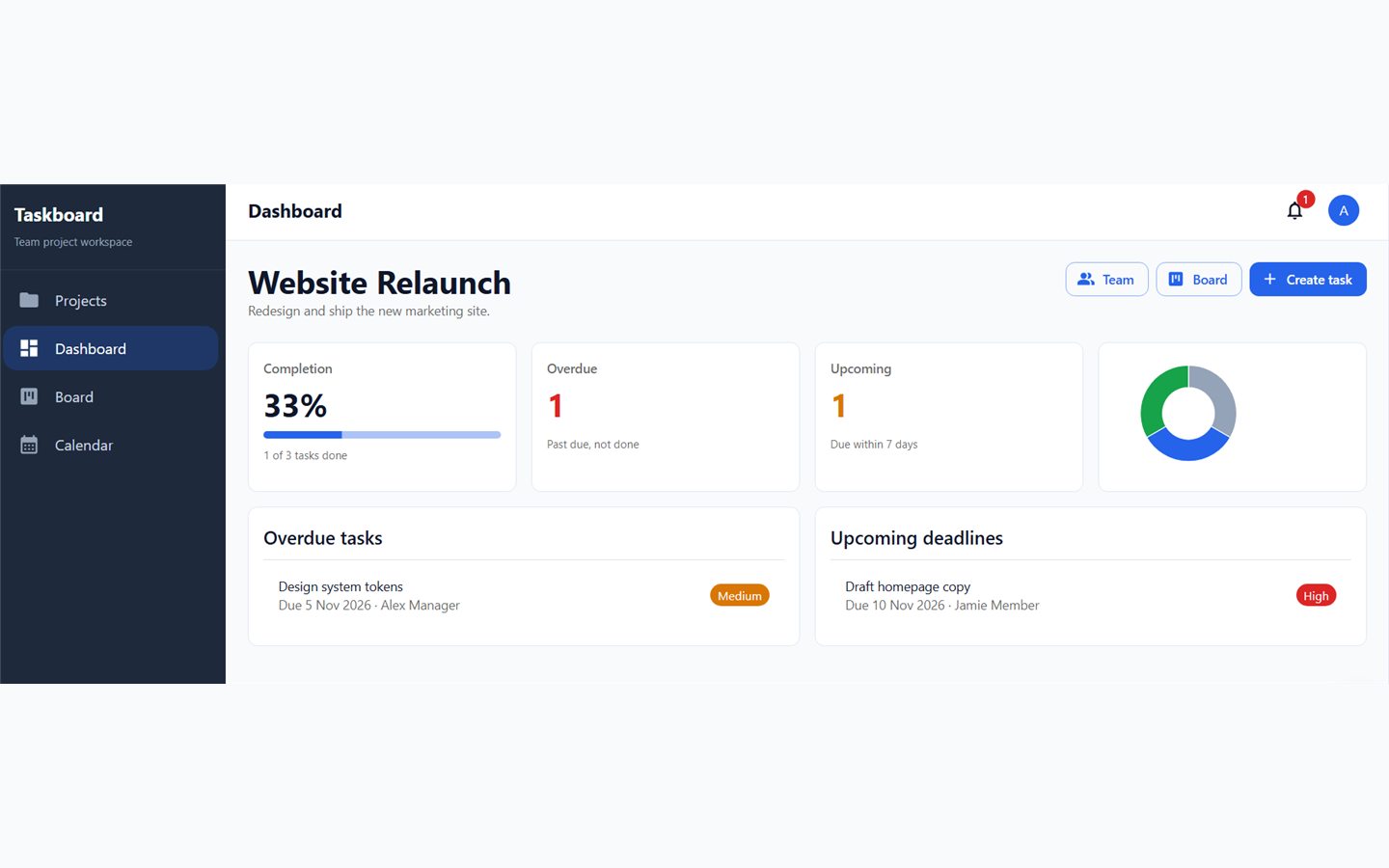
Open the AI app generator or the AI web app builder and describe the screens: new ticket, estimate approval, status board, pick-up route, and a reminder list. If you also track soles, adhesives, and accessories, the inventory app builder is a close fit.
Where a mobile app helps
A mobile app suits the counter person and the pick-up rider who need a ticket list in their pocket, a camera for intake photos, a quick estimate screen, a route list, and a push alert for ready pairs. Build it after your paper ticket system works for a month. Start from the AI mobile app builder.
Where a logo and brand mark help
A clear name and mark appear on your signboard, ticket book, tag, shoe bag, WhatsApp profile, and a small sticker on every returned box, so they should look good at small sizes and on dark and light backgrounds. A shop that looks professional on a printed ticket and a clean shoe bag is easier to trust with a good pair.
Use the AI logo generator to explore marks, and test each on your signboard and a WhatsApp profile picture before you print.
A ninety-day plan if you are starting
- 1
Days 1 to 15
Visit three nearby cobblers as a customer, count offices, schools, and housing societies in your catchment, confirm permissions, and write your start-up and fixed-cost sheet.
- 2
Days 16 to 45
Set up the bench, machines, counter, and shelves. Decide your price board, ticket terms, and warranty with an accountant and a lawyer, and source two materials suppliers.
- 3
Days 46 to 70
Photograph your first jobs, build a simple website and Google profile, meet ten retailers, laundries, and offices, and open with a few introductory polish and stitching prices.
- 4
Days 71 to 90
Run the shop for a full month, measure average ticket and break-even jobs, collect reviews, and fix the three biggest delays before you spend more on advertising.
A ninety-day plan if you already operate
- 1
Days 1 to 15
Measure honestly: jobs per day, average ticket, premium job share, unclaimed pairs, rework rate, and top three complaints.
- 2
Days 16 to 45
Fix one leak: missing tags, weak adhesive, or unclaimed pairs. Clean up the job register and re-price the lowest-earning bench job.
- 3
Days 46 to 70
Add a visible price board, a ready-message routine, and automated reminders. Meet five offices and one retailer for tie-ups.
- 4
Days 71 to 90
Lock the weekly scoreboard and plan the next season’s reminders. Only then consider a second counter or a bigger machine purchase.
Common failure patterns
- Budgeting for machines and a counter but not for four slow months
- Starting premium work without a deposit and a written estimate
- Losing a shoe of a pair because there is no tag or register
- Under-pricing restoration because bench hours were never counted
- Using weak adhesive or rushing curing, and paying for the same repair twice
- Letting unclaimed pairs and dried-out materials pile up for years
- Replying to enquiries the next morning
- No review routine, so the same complaint repeats
- Opening a second counter before the first runs without the owner
When you are ready to build with Nyravi
Use this guide to decide what the shop needs. When the next step is a repair-shop website, a job register and pick-up board, a counter app for intake photos, or a brand mark for your tags and bags, open Nyravi and describe that product. Keep the brief short: who uses it, what they open first, and what they finish.
If you want help writing that description, ask on Support. Start on the [home page](/), or jump to the product pages linked above. For WhatsApp chatbots, start at cognitivesys.io. The bench comes first. The build carries the system once the system is clear.
Questions
How do I start a shoe repair business in India?+
Start by building real cobbling skill, then choose a focus such as volume polish and stitching or premium resoling and restoration, confirm local permissions, and build a start-up sheet that includes four slow months of working capital. Set up a safe, ventilated bench, write a price board and ticket terms, source two materials suppliers, and visit three nearby cobblers as a customer before you open.
How much does it cost to start a shoe repair shop?+
A small shoe repair shop can cost roughly ₹2.5 lakh to ₹8 lakh in total when you include deposit, machines, counter, materials, registrations, launch marketing, and working capital, but your figure depends on city, location, and machine quality. The worked example in this guide totals ₹4,45,000. Always add four months of fixed costs before you open.
How much profit does a shoe repair shop make?+
Profit depends on jobs per day, job mix, and fixed cost, not on how busy the bench looks. In this guide’s example, 416 jobs a month at about ₹210 contribution each, less ₹60,000 of monthly fixed cost, leaves roughly ₹27,360 a month. A shop that only polishes can struggle, so track average ticket and break-even jobs every month.
How do I price shoe repair and polish services?+
Price with a clear board: flat prices for polish, laces, and small glue jobs, banded prices for stitching, heels, and soles by material grade, and estimate-based pricing with a deposit for restoration and sneaker spa. Add a minimum charge per pair, state the warranty for each job type, and re-check the bench-hour value of your slowest jobs every quarter.
How do I market a shoe repair shop in India?+
Lead with proof: a complete Google Business Profile, a visible price board, before-and-after photographs, and fast replies on WhatsApp. Build referral ties with footwear retailers, laundries, and tailors, offer pick-up and drop to offices and societies, ask every customer for a review, and track which source brings each job so you spend only on channels that produce completed repairs.
How can I improve my shoe repair shop sales?+
Reply to every enquiry within the hour, give a written price and a clear ready day, and follow up on premium estimates the same day. Raise the attach rate for laces, insoles, and sprays with a price board, send seasonal reminders before school, wedding, and monsoon seasons, and fix the most repeated complaint in your reviews first.
Can a WhatsApp chatbot help a shoe repair shop?+
Yes, a WhatsApp chatbot can answer price and timing questions, collect a photo and the problem, send tickets, estimates, and ready messages, and book pick-ups, while handing premium estimates and complaints to the cobbler. CognitiveSys, the parent company behind Nyravi, builds WhatsApp chatbots and shared inboxes. Start at cognitivesys.io.
Does a shoe repair shop need a website or a web app?+
A shoe repair shop benefits from a website for proof and enquiries, and from a web app once tickets, estimates, deposits, pick-up routes, and unclaimed pairs need one shared source of truth. The website helps customers decide to visit or book a pick-up. The web app helps your team avoid lost pairs and chase approvals. Start with the website, then add the app when the register outgrows a notebook.
Is a shoe repair shop different from a shoe shop or a laundry?+
Yes, a shoe repair shop sells skilled bench time and materials to extend the life of footwear and bags, while a shoe shop sells new pairs and a laundry cleans garments. Some owners combine them through tie-ups, but the economics differ: repair runs on bench hours and trust, retail on stock and margin. Read the linked sports goods store and laundry guides for those sides.
Can Nyravi help after I read this guide?+
Yes, Nyravi can help you build the digital side: a repair-shop website, a job register and pick-up web app, a counter mobile app, or a logo for tags and signage. Describe the product in plain language and ask on Support if you want help with the brief. For WhatsApp chatbots, start at cognitivesys.io. This guide covers business operations only, not legal, tax, or workplace-safety advice.