
Tiffin, mess & meal subscriptions
Tiffin and mess business: how to start, run, and improve one
A practical playbook for home-style tiffin services, hostel and PG messes, office lunch subscriptions, and diet-meal plans. Covers cost per meal, subscriber churn and menu fatigue, skip and pause rules, prepaid wallet liability, delivery run density, daily cooking and dispatch timeline, WhatsApp chatbots for menus and skips, and when a website, subscriber and route app, or logo actually helps. Operations only, not food-safety advice.
 Nyravi AILearn playbookNew tiffin service founders, home cooks scaling up, hostel and PG mess operators, and office-lunch and diet-meal subscription owners
Who this guide is for
Read this if you cook well, your neighbours keep asking for a tiffin, and you want to turn that into a dependable business without cooking for forty people at five in the morning and discovering at month-end that you have worked for free. It is equally for operators who already deliver a few hundred meals a day yet feel the margin leak through unsold food, skipped meals, late delivery, unpaid monthly dues, and customers who leave quietly after three weeks of the same dal.
What a tiffin business really sells
Subscribers do not buy rice, dal, roti, and sabzi. They buy relief from the daily question of what to eat, a taste that feels like home, and the certainty that lunch will arrive before the meeting starts. For a student away from home, it is a feeling of being looked after. For a working couple, it is an hour of evening returned. When the meal is late, cold, or unrecognisably different from last week, you break exactly that promise.
Choose the subscriber and meal format you can serve every day
A student mess with fixed thalis, an office lunch box with a rotating menu, a diet plan with measured calories, a Jain meal service, a senior citizen soft-food tiffin, and a premium regional thali each need a different kitchen rhythm, packaging, price, and customer service. Operators who promise customisation for everyone discover that every extra roti count and spice level becomes a separate task in a morning that has only three hours.
Decide these before you scale up the kitchen
- Which customer first: students and PG residents, office workers, families, seniors, or fitness-focused subscribers?
- Lunch only, dinner only, or both, and on how many days a week?
- A fixed monthly menu, a weekly rotation, or an à la carte choice per day?
- Veg only, veg and non-veg, Jain, regional focus, or diet-specific plans?
- How much customisation is allowed, such as roti count, spice level, and no-onion-garlic, and at what extra price?
- Which two or three pin codes or buildings will you serve densely before you expand your delivery area?
Cost per meal and the true price of a subscription
A tiffin priced by comparing a neighbour’s rate is a business waiting to discover its own costs the hard way. Vegetables, grains, oil, commercial gas, cook and helper wages, packaging, delivery, rent, and the plain waste of food that was cooked but not delivered all enter the cost of one meal. Operators who count only ingredients feel profitable until the month ends.
Registrations, hygiene, and opening readiness
Get these in motion early
- Food business registration or licence required for your size and type of operation where you work
- Business, tax, and local establishment requirements as applicable
- Kitchen hygiene routines: handwashing, hair covering, clean water, cooked-food storage, and pest control
- Packaging suited to hot meals and safe for food contact, with leak-proof lids and clear labelling
- Cold and dry storage practices, and separate handling for veg and non-veg if both are offered
- Written terms: skip and pause rules, prepaid balances, refund policy, and delivery timing windows
The team: head cook, prep crew, packers, riders, and the subscriber desk
A tiffin kitchen runs on a tight clock with very little slack. If one cook is sick, the whole day shifts. If the only rider knows every building and leaves, you lose routes along with a rider. A durable team has a kitchen lead, a trained second cook, a person who owns dispatch and routes, and someone who answers subscribers calmly during the lunch rush.
Roles that keep the day on time
- Kitchen lead or head cook: menu, recipes, taste consistency, and kitchen discipline
- Prep and roti crew: cutting, gravies, rotis, and rice to the daily count
- Packer and dispatcher: portion check, labelling, route sheets, and handover to riders
- Delivery riders: on-time delivery, hand-off, empty-box pick-up, and customer courtesy
- Purchasing and stock owner: daily and weekly buying, supplier follow-up, and wastage logs
- Subscriber desk: enquiries, skips, pauses, complaints, and renewals
- Accounts: monthly dues, prepaid wallets, wages, and supplier payments
Plans, skips, pauses, and the prepaid wallet
The hardest operational question in this trade is what happens when a subscriber is not at home. Travel, fasting days, office holidays, and sudden meetings all create skipped meals. If a skip is credited without a rule, you give away margin. If it is refused, you lose goodwill and the customer. A clear, short policy with a fixed cut-off time and a limited number of credits per month usually works for both sides.
Rules that protect margin and goodwill
- A skip cut-off time, such as 9 p.m. the night before for lunch and 11 a.m. the same day for dinner
- A fixed number of skip credits per month and a rule for longer pauses with a minimum notice period
- Plans by length, such as weekly, fortnightly, or monthly, with a small discount for longer ones
- A prepaid wallet or advance payment option, with a stated expiry or carry-forward rule
- Clear holiday rules: festivals, long weekends, and kitchen closure days announced in advance
- A price review clause for large ingredient or gas cost changes, so a sudden vegetable spike does not erase margin
The subscriber journey
A simple subscriber journey
- 1
Trial meal
A single meal or a three-day trial at a small price, so the customer can test taste, packaging, and timing before committing.
- 2
Plan and preferences
Choice of plan, veg or non-veg, roti count, spice level, delivery address, and slot, recorded once and shared with kitchen and rider.
- 3
Daily rhythm
The weekly menu is shared in advance, skips are accepted until the cut-off, food is cooked to the count, and delivery follows a fixed route and window.
- 4
Mid-month check
A short message asking whether portions, taste, and timing are right, and noting any dislikes or allergies.
- 5
Renewal
A reminder a few days before the plan ends with a simple payment link, and a small thank-you for long-term subscribers.
- 6
Pause or leave
A smooth route for pausing, with a short question about why, so churn teaches you something instead of just disappearing.
The daily timeline: from market to doorstep
A tiffin business is run on a clock more than on a menu. The afternoon deliveries fail not because the food was bad but because the vegetables arrived late, the roti station was understaffed, or the packers waited for a rider. A simple, written timeline, rehearsed daily, makes the difference between a calm kitchen and a daily emergency.
A sample lunch day
- Previous evening: skip cut-off, headcount, route sheets printed, vegetables ordered
- 5:30 to 7:00: market or supplier delivery, receiving, cleaning, and cutting
- 7:00 to 10:00: gravies, rice, dal, and sabzi cooked to the day’s count, with a taster check
- 10:00 to 11:15: roti station running while packaging is staged by route
- 11:15 to 11:45: portion check, labelling, sealing, and handover to riders with route sheets
- 11:45 to 1:15: deliveries in order of office timings, with live status shared with the desk
- 1:30 to 3:00: empty-box collection, cleaning, wastage log, and next-day planning
Delivery routes and rider density
Delivery is the quiet killer of tiffin margin. A rider who drives six kilometres for four meals is expensive. A rider who drops thirty meals along a compact loop of three societies and two office towers is almost free. Density, not distance, makes this business pay, which is why serving a few buildings deeply beats spreading thin across a district.
Ways to improve route density
- Accept new subscribers first inside buildings and societies you already serve
- Offer a small discount for pickup from a nearby collection point for outlying customers
- Create fixed delivery windows per building so a rider’s loop is predictable
- Keep spare riders or a backup arrangement for monsoon days and sick leave
- Record rider routes and customer landmarks so a replacement rider can follow them
A simple weekly operating rhythm
Run the week on a scoreboard
- Daily: meals cooked versus delivered, late deliveries, complaints, and skips received after the cut-off
- Twice weekly: ingredient cost against the menu budget, packaging stock, and rider route timings
- Weekly: wastage rate, cost per meal, new trials and conversions, dues collected, and unanswered chats
- Monthly: churn, subscriber lifetime value, margin per plan type, wallet liability, and menu feedback
Money: the numbers that decide survival
Watch these every week
- Cost per delivered meal and gross margin by plan type
- Subscribers added, lost, and paused, with reasons
- Dues collected versus due, and the amount sitting in prepaid wallets
- Delivery cost per meal by route
- Commercial gas, vegetable, and oil price trends against your menu price
ROI formulas you can use this month
Marketing that matches a real tiffin kitchen
People choose a tiffin service the way they choose a neighbour: by trust and by the first meal. Honest photos of the real thali, the kitchen, and the packing station do more than a poster. A cook who explains why the dal is made fresh each day is more convincing than a promise of the “best homestyle food”.
Channels that usually pay
- A website with the weekly menu, plans, delivery areas by pin code, and a trial meal button
- Google Business Profile with kitchen photos, delivery area, and subscriber reviews
- Direct outreach to PGs, hostels, co-living spaces, and small offices within your delivery loop
- Referral credits for subscribers who bring a colleague or flatmate for a full month
- Housing-society groups, where one satisfied family often leads to several
- A weekly special posted to a status or broadcast list that keeps the kitchen top of mind
Automation that frees the kitchen
Automate these first
- The next day’s menu sent at a fixed time each evening, written once and approved once
- Skip and pause requests accepted until the cut-off, with the count flowing straight into tomorrow’s cooking headcount
- A polite after-cut-off reply that explains the rule instead of leaving the request unanswered
- Wallet-balance and renewal reminders when a subscriber has only a few days of meals left
- Route sheets per rider by locality with skips already removed
- A trial-meal follow-up the next day asking for feedback and offering a simple way to subscribe
Where a WhatsApp chatbot helps
A tiffin business may be the most WhatsApp-native trade there is. Subscribers already message: “Skip tomorrow’s lunch”, “What is today’s menu?”, “Please add one extra roti”, “My payment is done, can you check?”, “Do you deliver to Wakad?”. When all of these land on the owner’s phone while she is cooking, skips are missed, extra meals are mis-counted, and payments get lost.
What a business WhatsApp chatbot is good for
- Sharing the weekly and daily menu, plans, prices, and delivery areas from your own facts
- Accepting skips and pauses before the cut-off and confirming them to the subscriber
- Collecting trial meal requests with address, preferences, and a preferred slot
- Sending payment reminders, receipts, and renewal prompts
- Handing any complaint, allergy concern, or special request to a human immediately
Why tiffin operators use it
- Subscribers already use WhatsApp daily and need no new app
- One shared inbox instead of the cook’s personal phone and several family groups
- Accurate daily counts from confirmed skips, which cuts wastage
- Faster first reply to new enquiries, which is where trial meals are won
Use WhatsApp for conversation. Use your website for menus, plans, and delivery areas. Use a web app when your kitchen needs a signed-in board for subscribers, daily counts, routes, and wallets. See also the restaurant, cafe, and logistics playbooks for neighbouring trades.
Growing beyond one kitchen
A tiffin kitchen grows by adding density before it adds distance. A second shift, a dinner service, or a new plan for the same buildings usually pays better than a delivery area ten kilometres wider. A second kitchen should wait until taste, timing, and wastage are steady and a kitchen lead can run the day without you.
Ways to grow outward
- Add dinner service to subscribers who already take lunch
- Introduce a diet or high-protein plan for fitness-focused subscribers at a higher price
- Sign two or three hostel, PG, or office contracts with fixed counts and clear terms
- Offer weekend special thalis or festive boxes as add-ons to existing subscribers
- Document recipes and portion standards so a second cook produces the same taste
- Open a second kitchen only after wastage, delivery punctuality, and churn are steady for a quarter
Where a website helps
A tiffin website should show the weekly menu, plan prices, delivery areas by pin code, and a clear trial meal button. Real photographs of the thali and the kitchen, a few honest reviews, and a short explanation of skip and pause rules turn a curious visitor into a first-day customer.
When you are ready to publish, start from the AI website builder or build a website with AI.
Where a web app helps
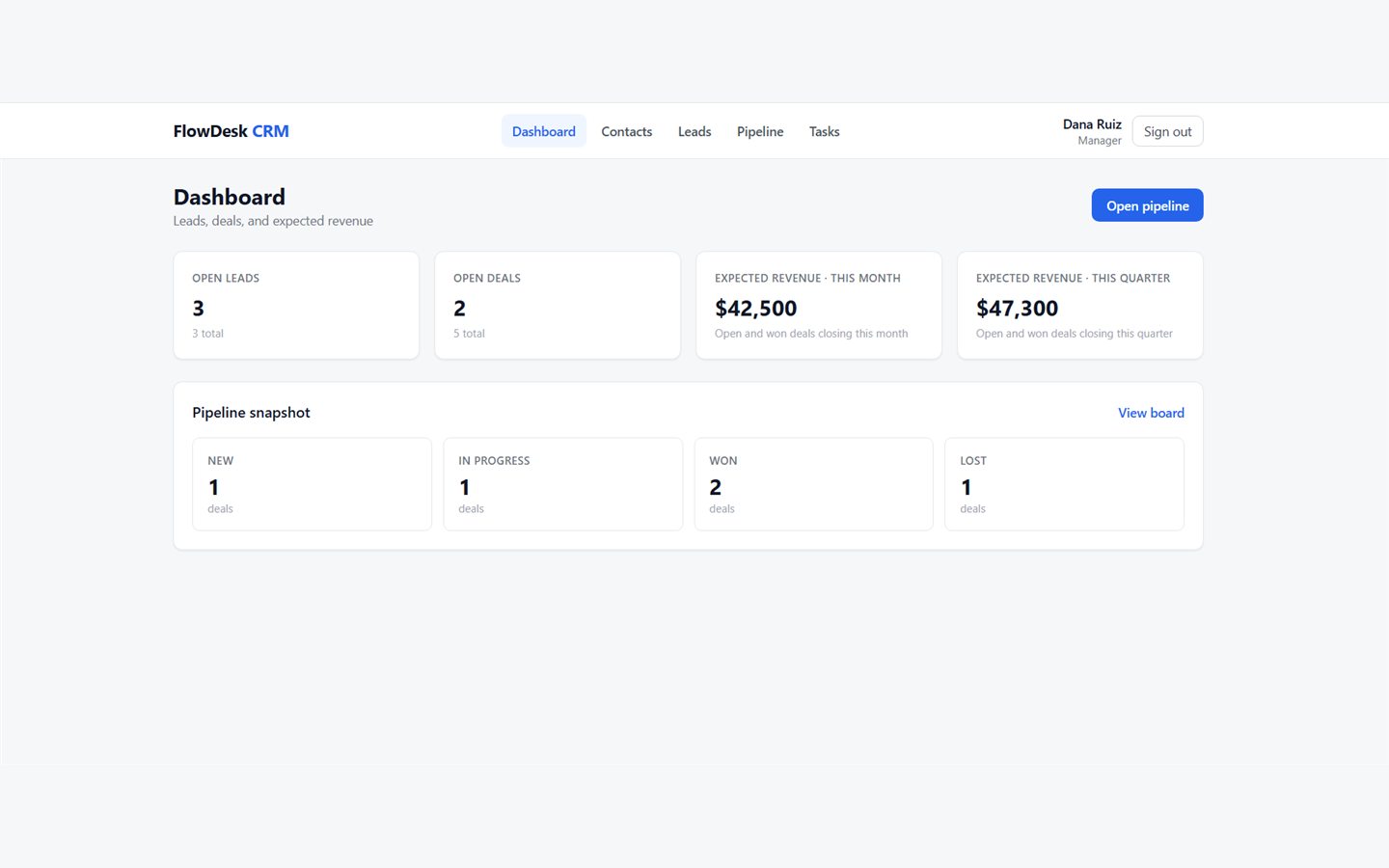
A web app helps when the kitchen needs one signed-in place for subscribers, plans, skips, daily meal counts, route sheets, wallet balances, and dues. Use it once notebooks, WhatsApp groups, and spreadsheets begin to give different counts for tomorrow’s lunch.
Open the AI app generator, the inventory app builder, or the AI web app builder when the kitchen desk, not the public page, is the bottleneck.
Where a mobile app helps
A mobile app suits riders who need today’s route, building notes, a delivery confirmation, and empty-box pick-up on one screen, and subscribers who want to skip, pause, or pay without a message. Build it after your route and skip routine works on paper. Start from the AI mobile app builder.
Where a logo and brand mark help
A logo will not fix a late lunch, but on a steel dabba sticker, a delivery bag, a menu card, and a WhatsApp profile it makes a dependable kitchen recognisable in an office pantry. Keep it warm, simple, and readable on a small label. When you need a mark, use the AI logo generator.
A ninety-day plan if you are starting
- 1
Days 1 to 15
Choose your customer, meal format, and delivery area. Cost one meal honestly, draft a four-week menu, and write skip, pause, and payment rules.
- 2
Days 16 to 45
Sort food registrations and kitchen hygiene, hire a helper and a rider, set up packaging, and offer trial meals to twenty people inside one building cluster.
- 3
Days 46 to 70
Run live days with a headcount cut-off, track wastage, lateness, and complaints daily, and ask subscribers for honest taste feedback.
- 4
Days 71 to 90
Review cost per meal and delivery cost, adjust portion and menu, set a weekly scoreboard, and only then add dinner or a second route.
A ninety-day plan if you already operate
- 1
Days 1 to 15
Measure honestly: cost per meal, wastage, delivery cost per route, churn, dues outstanding, and unanswered chats.
- 2
Days 16 to 45
Fix the biggest leak, usually wastage or late dues, with a skip cut-off, daily headcount, and advance payment for new subscribers.
- 3
Days 46 to 70
Rotate the menu, tighten routes, publish a clear plan and skip policy, and set up quick replies for menu and trial questions.
- 4
Days 71 to 90
Write recipes, portions, and the daily timeline into checklists, train a second cook, and only then add a new plan or area.
Common failure patterns
- Pricing from a neighbour’s rate without counting wastage, delivery, and gas
- Cooking to a guess instead of a confirmed headcount
- Accepting skips at any time, so cooked food is wasted
- Spending prepaid money without tracking the meals still owed
- Delivering across too many scattered buildings
- The same menu for weeks, causing quiet churn
- A single rider or a single cook who holds all the knowledge
- Ignoring monsoon, festival, and holiday planning
- Unclear billing and late reminders that sour a good relationship
- Expanding to a second kitchen while taste and timing are still inconsistent
When you are ready to build with Nyravi
Use this guide to decide what the kitchen needs. When the next step is a public site with menus and trial meals, a subscriber and route web app for the desk, a rider or subscriber mobile app, or a brand mark, open Nyravi and describe that product. Keep the brief short: who uses it, what they open first, and what they finish.
If you want help writing that description, ask on Support. Start on the [home page](/), or jump to the product pages linked above. For WhatsApp chatbots, start at cognitivesys.io. The kitchen comes first. The build carries the system once the system is clear.
Questions
How do I start a tiffin or mess business with limited capital?+
Start from a clean, compliant kitchen with a helper and a rider or your own deliveries, serve one compact cluster of buildings, and offer trial meals first. Spend on hygiene, packaging, and a clear plan and skip policy rather than a large kitchen or extra vehicles.
How do I price a tiffin subscription?+
Add ingredients, gas and power, wages, packaging, delivery, and overheads, then divide by meals actually delivered rather than cooked. Price above that figure with a margin that survives a bad month, and review the price if ingredient or gas costs change sharply.
How do I handle skips and pauses without losing money?+
Set a fixed cut-off time, limit skip credits per month, require notice for longer pauses, and tell subscribers the rules at sign-up. Use confirmed skips to prepare tomorrow’s headcount so the kitchen cooks only what it will deliver.
How can I reduce wastage in a tiffin kitchen?+
Use a clear skip cut-off, build a daily headcount, cook to that count, keep portion sizes consistent, and log wastage every day. Review dishes that return uneaten and refine the menu around what people actually finish.
Should a tiffin service use a WhatsApp chatbot?+
Yes when subscribers already message for menus, skips, payments, and trial meals. A CognitiveSys WhatsApp chatbot shares menus, accepts skips before the cut-off, sends payment reminders, and hands complaints to a person. Start at cognitivesys.io.
Is this guide legal, tax, or food-safety advice?+
No. It covers operations only. Food licensing, hygiene standards, tax, and consumer rules vary by place and by scale, so confirm them with qualified advisers and the relevant food-safety authority.
How is a tiffin business different from a cloud kitchen or a restaurant?+
A tiffin or mess business runs on recurring subscriptions with forecastable daily demand, fixed routes, and a tight cooking-to-delivery clock. A cloud kitchen depends on app orders with unpredictable volume, and a restaurant depends on walk-in traffic and table turns.
When does a tiffin business need a web app instead of a website?+
When the kitchen needs a signed-in board for subscribers, plans, skips, daily counts, routes, wallets, and dues. A website helps people find you and request a trial. A web app runs the kitchen behind it.
How can a small tiffin kitchen grow without losing quality?+
Add density in buildings you already serve, introduce dinner or a premium plan for existing subscribers, document recipes and portions, train a second cook, and open a second kitchen only after wastage, punctuality, and churn are steady.
Can Nyravi help after I read this guide?+
Yes. When you know whether you need a website, subscriber and route web app, rider mobile app, or logo, open Nyravi and describe that product. Support can help you shape the brief. For WhatsApp chatbots, start at cognitivesys.io.