

Car rental
Car rental business (self-drive and chauffeur): how to start, run, and improve one
A practical operator playbook for starting, running, and improving a self-drive and chauffeur-driven car rental business in India: what the business really sells, fleet utilisation, per-day contribution, break-even and payback formulas with checked ₹ examples, owned fleet versus asset-light attached-vehicle models, KYC, deposits, inspections and damage handling, permits, insurance and GPS basics, pricing by weekday and weekend, a small ops and driver team, weekly scoreboards, WhatsApp chatbots for availability and bookings, and when a website, booking and fleet web app, inspection mobile app, or logo actually helps. Business operations only, not legal, insurance, or road-safety advice.
 Nyravi AILearn playbookFirst-time self-drive and chauffeur car rental founders, owners of a few cars who want to rent them out properly, travel agents and tour operators adding their own fleet, hotel and wedding transport providers, taxi owners moving to rentals and corporate contracts, and existing rental operators that want fuller utilisation, fewer damage disputes, better rates, and steadier cash
Who this guide is for
Read this if you want to open or run a business that rents cars to customers either as a self-drive rental, where the customer drives, or as a chauffeur-driven rental, where your driver does: airport and railway pickups, outstation trips, wedding and event transport, corporate monthly cars, tourist packages, and weekend getaways. It is also for a person who owns three cars and wants them earning, a travel agent who is tired of paying other fleets, a taxi owner who wants higher-value work, a garage owner with spare cars, and an operator whose cars are always busy on Saturday and parked on Tuesday. If your cars run but your profit does not, this playbook is for you.
The playbook covers the business around the car: utilisation, per-day contribution, financing, deposits, inspections, damage, permits, drivers, and trust. If you sell new and used vehicles, read the automobile guide. If you sell tour packages and tickets, see travel agency. If you provide hotel stays, the hotel and resort guide fits. If you wash and detail cars, read car wash and detailing. A car rental business is judged on whether the car is clean, safe, and ready, on how fairly the deposit and damage are handled, and on how many days a month each car earns.
What a car rental business is
A car rental business is a vehicle-hire business that owns or manages a fleet of cars and rents them for hours, days, kilometres, or months, either to customers who drive themselves or with a trained chauffeur, and earns from rental days or duty days sold at a net rate, add-ons, and extra kilometres. Revenue comes from the number of days each car is rented, multiplied by the realised rate, and it is capped by fleet size, the share of days each car is actually on rent, the cost of keeping the car on the road, and how quickly a returned car is cleaned, checked, and rented again.
Terms you will use every week
- Self-drive rental: the customer drives the car after KYC, deposit, and an inspection, usually by the day or the week
- Chauffeur-driven rental: your driver drives, priced by hours and kilometres, a package, or a monthly contract
- Utilisation %: rented or on-duty days divided by available days, the single most important fleet health number
- Rented day or duty day: one day a car earns revenue, the basic unit of income
- Contribution per day: the realised rate minus variable costs such as cleaning, wear, fuel, driver, and payment fees
- Security deposit: money held against damage, fines, fuel, and late returns, released after the return inspection
- Attached vehicle: a car owned by someone else that works under your brand and bookings for a commission
- Telematics: GPS and tracking devices that show where the car is, how fast it is moving, and whether it leaves an agreed area
- Idle day: a day a car is available but not earning, which still carries EMI, insurance, and parking
A car rental business is closer to an asset-utilisation business than to a travel service. The car is expensive, the loan and the insurance are paid every month, and the profit is in how many of the days the car is actually on rent. The skill you manage most carefully is utilisation.
Car rental at a glance: the worked example in this guide
Key figures, all illustrative and to be replaced with your own booking data
- Owned fleet: 10 cars, 6 self-drive cars at ₹7,00,000 each and 4 chauffeur-driven cars at ₹10,00,000 each, which is ₹82,00,000 of vehicles with 20% down and a ₹65,60,000 loan
- Self-drive: a realised ₹2,100 per rented day, about ₹907.50 of variable cost, so ₹1,192.50 of contribution per rented day
- Chauffeur: a realised ₹4,520 per duty day, about ₹2,570 of variable cost, so ₹1,950 of contribution per duty day
- Utilisation: 70% for self-drive and 75% for chauffeur cars, which is 126 rented days and 90 duty days a month
- Fixed cost: about ₹3,18,760 a month, of which ₹1,89,760 is linked to the vehicles and ₹1,29,000 is operations, including a ₹25,000 owner draw
- Profit at that utilisation: about ₹6,995 a month, and a break-even fleet utilisation near 71%
- Scale effect: the same model with 20 cars earns about ₹1,02,990 a month at the same utilisation
- Asset-light alternative: 20 attached cars at a 22% commission earn about ₹1,51,200 a month on about ₹10,30,000 of start-up cost
Treat these as a template for your own sheet, not as a promise. Rates, utilisation, loan terms, and costs differ by city, season, and customer mix. The point is to see that the model rewards utilisation, scale, and low idle days, and that a small owned fleet earns thin margins until it fills.
What a car rental business really sells
A customer does not rent a car. A customer rents confidence: a clean car that starts, is the model and fuel promised, comes with valid papers and insurance, has a clear price with no surprises, and has a person who answers at 11 pm if it breaks down on a highway. The photo gets the first booking. Honest handling of the deposit and the damage gets the fifth.
A business that rents hatchbacks, SUVs, MPVs, luxury cars, tempo travellers, and bikes all at once feels broad and runs poorly. Every vehicle type has its own buyer, price, insurance, and idle pattern. A business that is known for weekend self-drive hatchbacks and compact SUVs, or for chauffeur-driven MPVs for tourists and weddings, or for monthly corporate cars, is easier to price, easier to staff, and easier to recommend. Say no to the car you cannot keep busy.
How a car rental business differs from a dealership, a travel agency, and a taxi service
Owners often borrow numbers from a neighbouring trade and get the wrong cost sheet. A car rental business is a capital-heavy, utilisation-driven, damage-exposed business with a fleet to maintain and customers who hold your asset. That changes the money you need, the staff you hire, and the numbers you track.
Where the lines fall
- Automobile dealership: you sell vehicles for a margin and carry stock. A rental business keeps vehicles and earns on days. See automobile for sales, used-car resale, and the dealers you will buy from
- Travel agency: you sell itineraries, tickets, and packages, often with other people’s vehicles. See travel agency. Agents are both your customers and your competitors for outstation work
- Taxi and cab service: per-trip fares, often through apps and ranks, with shorter, metered trips. Rental is priced by day, package, or month and usually involves a longer hold on the vehicle
- Logistics and fleet transport: goods vehicles with different permits, insurance, and customers. See logistics
- Equipment rental: you rent tools and machines, with similar utilisation logic. See equipment rental for the common economics
- Hotel and resort: guests may need transfers. See hotel and resort for how those buyers book
Choose a model before you buy cars
A rental business can be built many ways, which is exactly why new owners put lakhs into the wrong cars. Pick the model, the segment, and the city that fit together, and treat everything else as a trial with one or two vehicles.
Common models and what they ask of you
- Owned self-drive fleet: you buy cars, rent them to customers who drive, and carry damage, theft, and idle risk. High control, high capital
- Owned chauffeur fleet: you buy cars, employ or contract drivers, and sell packages to tourists, corporates, and events. Steadier demand, with driver cost and behaviour to manage
- Attached-vehicle (asset-light) model: other owners attach their cars to your brand and bookings, and you earn a commission. Low capital, with supply quality and permits to manage
- Corporate monthly contracts: fixed monthly rentals with a fixed car and driver. Predictable income, thinner margin, and slow payment
- Wedding, event, and tour transport: peaks and bigger vehicles, with advance booking and strong seasonality. See wedding and event management
- Specialised rentals such as luxury cars, EVs, or tempo travellers: higher price per day, higher capital, and a narrower buyer
Decide these before you commit money
- Self-drive, chauffeur, or both, and whether you start owned or attached
- The three car models you will own, based on local demand, resale, fuel type, and service support
- Your first fifty customers: tourists, corporates, wedding families, travel agents, hotel desks, and weekend travellers
- A secure parking space close to your customers, with a way to clean and inspect cars
- Insurance, registration, plates, and permits for each vehicle type, confirmed in writing with the RTO and insurer
- How many cars you can keep at 70% utilisation, which is smaller than how many you can afford
How a rental booking works, from enquiry to the car coming back
Every rental follows the same shape: check availability, verify the customer, take the booking and deposit, hand over a clean and inspected car, support the trip, take the car back, inspect it, and close the deposit. Where a rental goes wrong is almost always one of three places: the paperwork, the inspection, or the handover and return.
A standard self-drive flow
- 1
1. Check availability and quote
Confirm dates, pickup, car, kilometre limit, fuel policy, deposit, and total price, with all fees shown.
- 2
2. Verify the driver
Check a valid driving licence and ID through an approved method, match the face to the documents, and refuse a booking you cannot verify.
- 3
3. Book and pay
Take the advance and the deposit by UPI or card, send a written agreement with terms, and record consent for any data you hold.
- 4
4. Prepare the car
Clean the car, check tyres, fuel, lights, documents, and warning lamps, and photograph all sides.
- 5
5. Hand over
Walk around the car with the customer, record kilometres and fuel, note existing marks on both copies, and take a signature.
- 6
6. Support the trip
Share the breakdown and accident numbers, track the car where agreed, and answer calls quickly.
- 7
7. Return and inspect
Check the car with the customer present, compare photos, record kilometres and fuel, and note new damage on the spot.
- 8
8. Close
Settle extra kilometres, fines, and damage under the written terms, release the deposit, and ask for a review.
A chauffeur-driven booking follows the same shape with a driver brief instead of a customer inspection: confirm the route, the pickup time and place, the vehicle and driver details, the package and kilometre rules, tolls and parking, and a sign-off on the duty slip at the end.
Start-up and monthly cost formulas
A car rental business needs the vehicles, commercial registration or permits where required, insurance, GPS and tracking, secure parking, a booking system, and cash to carry EMIs and insurance through slow weeks. The down payment is the obvious cost. The first-year insurance, the permits, and the working capital are the lines founders most often cut, and the ones they most often regret.
Fleet economics: what one rented day and one car-month earn
Cars are bought by the lakh but earned by the day. Work out the realised rate per day, the variable cost of that day, and the days each car is on rent, and run the fleet from those three numbers rather than from the best weekend you had.
Break-even and profit: utilisation and scale
Because EMI, insurance, and parking are paid whether a car is rented on twenty days or ten, utilisation is the most important number on the wall. Put each car’s rented days where the whole team can see them.
The asset-light model: attached vehicles on commission
Many successful operators start by renting cars that other people own. The owner provides the car, insurance, permits, and often the driver, and you provide the brand, bookings, quality control, and customer care for a commission. Capital is small, but supply quality, legality, and settlement become the hard parts.
Registration, permits, insurance, and compliance basics
A rental business touches motor-vehicle law, state transport rules, tax law, insurance, driver rules, data-protection law, and often tourist and airport permissions. The framework differs by state, vehicle type, and whether you rent with or without a driver. Treat this section as a checklist of things to confirm, not as instructions.
Confirm each with a qualified professional and the authority
- Udyam (MSME) registration, and a business entity suited to taking loans, signing agreements, and holding fleet assets
- GST registration and the correct rates and invoicing for self-drive rental, chauffeur service, and add-ons, confirmed with a chartered accountant
- How self-drive cars must be registered, plated, taxed, and permitted in your state, including any rent-a-cab scheme, licence, or minimum-fleet rule, confirmed with the RTO and a lawyer
- Permits and fitness certificates for chauffeur-driven and tourist vehicles, including any national tourist-vehicle permit or authorisation that applies to outstation work
- Commercial or rental-specific insurance, with the coverage, deductible, driver and passenger cover, and exclusions explained in writing, and a clear claims process
- Driver rules: valid licence and any required badge, police verification, medical fitness, working-hour limits, and written conduct rules
- Vehicle location tracking, panic buttons, and other device rules that apply to public-service or rental vehicles in your state
- Pollution-under-control, fitness, tax, and insurance renewals, tracked on a calendar for every car
- Data-protection compliance for driving licences, IDs, and addresses, including consent, secure storage, retention limits, and a plan to delete data you no longer need
- Airport, railway, hotel, and event permissions for pickup and parking, and trademark checks on your brand name
KYC, deposits, damage, and fraud control
A rental business hands out an asset worth lakhs on the strength of a few documents. Most losses come from a few causes: a fake or invalid licence, a missing inspection record, an unclear damage term, a stolen or sub-let car, or a deposit that does not cover the loss. Systems turn disputes into routine.
Systems worth writing down
- Verify the driving licence and ID with an approved method, check the licence class, validity, and age and experience rules you set, and match the face to the documents
- A written agreement that states permitted use, area, kilometre limit, fuel policy, late fee, deposit, fine and challan handling, and who pays for what
- Photograph and video the car at pickup and return, with date, time, kilometres, and fuel, and have both sides sign or confirm on the record
- Hold a deposit that is sensible against your deductible and typical uninsured losses, and release it within a stated number of days
- Fit GPS with geofence and speed alerts and, where legal and consented, an immobiliser, and tell customers the car is tracked
- Ban sub-letting, racing, off-road use, carrying prohibited goods, and driving outside the agreed area without written permission
- Keep a blacklist and a verified-repeat-customer list, with reasons recorded and shared only as the law allows
- A clear accident and breakdown procedure: safety first, call the emergency number, inform you, photograph, do not admit liability, and wait for your instructions
Fleet maintenance, cleaning, and readiness
A rental car earns only when it is ready. A car that is in the garage for a week costs the contribution of that week, and one breakdown on a customer’s trip costs the customer’s trust. Maintenance is not a cost to minimise but a schedule to keep.
Readiness habits worth keeping
- Service every car by kilometres and months, with a written schedule, a trusted workshop, and a spare-parts relationship
- A pre-rental checklist for tyres, brakes, lights, fluids, warning lamps, wipers, air conditioning, and documents
- A cleaning standard with interior vacuuming, wipe-down, odour check, and exterior wash, done in a fixed time between rentals
- A tyre policy: replace by tread and age, not only by failure, and keep a spare and tools in every car
- A document pouch in each car with copies of registration, insurance, pollution certificate, permit, and an emergency card, plus originals tracked in the office
- FASTag balance checks, challan checks, and a clear policy on fines and tolls
- A replacement-car plan for breakdowns, such as a spare car or a partner fleet, with a promised response time
- A record of every repair and downtime day, which tells you which model or workshop is costing you money
The team a car rental business needs
A rental business works when each person owns a task and a checklist, not when everyone answers every call. Hire for care and honesty, train every driver and handover person on one standard, and keep a record of who is trusted with which vehicle.
Roles that keep cars on rent and customers safe
- Owner or fleet manager: fleet plan, pricing, buying and selling cars, insurance, cash, and the weekly review
- Operations manager: schedules, readiness, maintenance, driver duties, and incident handling
- Booking and customer executive: enquiries, KYC, quotes, confirmations, and follow-up
- Chauffeurs: verified, trained, well-groomed drivers with route knowledge, courtesy training, and clear working-hour limits
- Handover and cleaning crew: cleaning, inspection photos, delivery, and pickup
- A trusted mechanic or workshop partner for fast turnaround
- Accounts: EMI and insurance calendar, deposits and settlements, GST, and payroll, usually a part-time accountant
Pay drivers a base plus a visible bonus for customer ratings, clean cars, and zero incidents. A bonus on kilometres alone teaches a driver to rush and to skip rests, which costs more than the bonus saves.
Pricing, packages, and yield management
Customers compare daily rates and rarely read what is behind them. A low rate that hides a high kilometre charge or a strict deposit loses trust. A fair, transparent rate with clear terms wins repeat customers. The same car should not cost the same on a Tuesday as on a holiday Friday.
Common pricing methods and when each fits
- Per day with a kilometre limit for self-drive, such as 24 hours with 200 km included, with a published rate for extra kilometres
- Weekend, festival, and holiday pricing that follows demand, with a lower weekday rate to fill idle days
- Weekly and monthly discounts that raise utilisation and cut cleaning and handover cost per day
- Per hour and per kilometre packages for local chauffeur duty, such as an 8-hour, 80-km package
- Outstation rates by kilometre with a minimum per day, plus driver allowance, tolls, and parking at actuals or in a clear package
- Airport transfers and wedding packages with fixed prices and advance payment
- Corporate monthly contracts with a fixed car, kilometre limit, and driver, billed monthly
Pricing habits worth keeping
- Show the total price with deposit, taxes, and fees before payment, with no hidden charges
- Raise rates on high-demand dates early and discount only on dates that would otherwise stay empty
- Offer a modest weekly or monthly rate that still beats your cost per rented day
- Charge for doorstep delivery, late return, cleaning of unusual dirt, and extra drivers, with a fair, printed rate
- Review every car’s revenue per available day each month, and sell or swap cars that cannot hold 50% utilisation
- Never discount below the full variable cost of a rented day, and end each offer on a date
The customer journey from the search to the next trip
Most customers search, compare three listings, check reviews, and book the one that looks clear and safe. They are anxious about the deposit, the damage rules, and breakdown support. The journey from that search to a repeat booking is where a small rental business becomes a trusted one.
A standard journey
- 1
1. Search and compare
A clear listing with real photos, price per day, kilometre limit, deposit, and reviews answers the first doubts.
- 2
2. Check availability
Show live availability and a total price on the website or WhatsApp in seconds.
- 3
3. Verify and book
Collect documents securely, take the advance and the deposit, and send the agreement and pickup details.
- 4
4. Pickup or delivery
Hand over a clean, inspected car with photos and a short walk-through, on time.
- 5
5. Travel
Share the breakdown number and a simple do-and-don’t card, and answer calls fast.
- 6
6. Return
Inspect with the customer, settle extra kilometres and fines under the terms, and release the deposit promptly.
- 7
7. Review
Ask for a review after the deposit is released and route any complaint to a person immediately.
- 8
8. Return again
Send a reminder before long weekends and festivals with a repeat-customer rate.
A simple weekly rhythm
Run the fleet on a short scoreboard
- Daily open: check which cars are ready, due for return, or off the road, and confirm the day’s pickups, deliveries, and driver duties
- Daily close: confirm every car’s location, fuel and kilometre readings, cleaning status, and any damage notes
- Weekly: rented or duty days by car, utilisation %, revenue per available day, and idle days
- Weekly: bookings, cancellations, average rate, and share of weekend versus weekday demand
- Weekly: damage, fines, breakdowns, and claims, with the cause tagged and the cost recorded
- Weekly: receivables from corporates and agents, deposits held, and refunds due
- Monthly: service and renewal calendar, EMI and insurance due dates, rate review by season, and a review of the lowest-earning car
Money: the numbers that decide survival
Watch these every week and every month
- Fleet utilisation %, rented or duty days by car, and revenue per available day
- Realised rate by weekday, weekend, and season, and the share of bookings by channel
- Contribution per rented day, damage and claims cost, and fines recovered
- EMI, insurance, and permit due dates, and cash in hand against three months of vehicle-linked fixed cost
- Deposits held, deposits refunded, and disputes open
- Receivables from corporate and travel-agent customers, and days outstanding
- Downtime days by car and by cause, such as service, repair, and accident
ROI formulas you can use this month
Marketing a car rental business in India
Car rental is searched at the moment of need: “self-drive car near me”, “innova for outstation”, “car for a wedding”. Your marketing is mostly being visible, being clear on price and deposit, and being the operator who replies in minutes. A good photograph and a clear listing do more than a discount.
What moves bookings
- A complete Google Business Profile with location, fleet photos, hours, a phone, and a WhatsApp number that is answered
- A clear listing for each car with real photos, price per day, kilometre limit, fuel policy, deposit, and what is included
- Tie-ups with hotels, homestays, resorts, and travel agents who need a reliable fleet. See hotel and resort and travel agency
- Corporate relationships for monthly cars, airport transfers, and visitor transport
- Wedding and event packages with a fixed price, advance, and backup cars. See wedding and event management
- Tourist and weekend-trip content, such as route suggestions and tolls and parking tips, shared on social and WhatsApp
- Reviews and referral offers for repeat customers, with a clear, honest deposit and damage policy shown up front
Reviews, reputation, and handling disputes
A rental business is judged by a few moments: a clean car at pickup, a quick answer on the road, and a fair deposit return. One ugly dispute about a scratch is read by every future customer. One call that says “we are sending a replacement car now” is remembered too.
A routine that works
- Ask for a review after the deposit is released, with a WhatsApp link, never as a condition of a refund
- Reply to every public review within 48 hours, thank the good ones, and offer a call to fix the bad ones
- Tag each complaint by cause: car condition, delay, hidden charge, deposit, breakdown response, or driver behaviour
- Fix the cause with the biggest count first, tell the team, and measure the same complaint again next month
- Settle damage disputes with the photographs, the agreement, and a written estimate, and be fair when the evidence is weak
- Never argue publicly and never post a customer’s name, number, or documents
Channels that bring bookings
Rank them by contribution per rented day and by repeat rate, not by volume alone
- Your own website and WhatsApp: the best margin and the best customer data, with the booking and KYC flow to manage
- Google Maps and local search: high-intent bookings from people who need a car now
- Hotels, resorts, and homestays that recommend transport. See hotel and resort
- Travel agents and tour operators who buy outstation and tourist cars. See travel agency
- Corporate monthly and airport-transfer customers with steady volume and slower payment
- Wedding planners and event organisers who book several cars at once. See wedding and event management
- Self-drive and cab marketplaces: reach and discovery at a commission, best used for idle days rather than as your only channel
Log the source of every booking. After a quarter you will know which channel gives profitable rented days and which one gives volume that leaves you with nothing.
Automation that frees the owner
Automate these first
- A live availability calendar by car that blocks double bookings and shows the next free date
- KYC and agreement collection with secure document upload, e-signature, and consent records
- Deposit and payment links with automatic receipts and refund reminders
- A pickup and return checklist with photos, kilometres, fuel, and a timestamp stored against each booking
- Service, insurance, permit, fitness, pollution, and FASTag reminders for every car, at 60, 30, and 7 days
- Booking confirmations, trip-day messages, return reminders, and review requests sent on a fixed schedule
- A weekly digest to the owner: utilisation by car, revenue per available day, damage and claims, receivables, and upcoming renewals
Where a WhatsApp chatbot helps
Customers message at all hours: “Is the Swift free this weekend?”, “What is the deposit?”, “Can you send an Innova with a driver to the airport at 5 am?”, “Where do I return the car?” If those messages wait until the executive is free, the customer has already booked a car from another page.
What a business WhatsApp chatbot is good for
- Answering availability, rate, kilometre limit, deposit, fuel policy, and area questions from facts you approve
- Collecting dates, pickup place, car type, and passenger count, then holding a slot and alerting a person
- Sending a secure link for documents and the agreement rather than collecting IDs in chat
- Sending booking confirmations, pickup directions, trip-day reminders, and return reminders
- Sending service, document, and renewal alerts to the operations team
- Asking for a review after the deposit is released and sending bad ratings to the owner
- Handing the whole thread to a person for accidents, breakdowns, damage disputes, refunds, insurance questions, and anything involving safety or the law
Why rental operators use it
- Customers already live on WhatsApp and prefer it to calling or filling a long form
- One shared inbox instead of the owner’s personal number
- A direct channel that avoids marketplace commission on repeat bookings
- Faster first replies, which is where bookings are won
Use WhatsApp for conversation, your website for live availability and proof, and a web app when bookings, cars, and deposits need to live in one place.
Growing a car rental business
Growth is not only more cars. It is a higher utilisation, a better rate mix, fewer damage losses, a bigger direct-booking share, and a cash cycle that lets you add cars from profit rather than from stretched debt.
Ways to grow responsibly
- Raise utilisation and rate on the cars you have before you buy another, because both lift profit without new loans
- Add attached vehicles to test demand with low capital, under written agreements with permits, insurance, and driver verification
- Win corporate monthly contracts, airport transfers, and hotel tie-ups for a stable base of duty days
- Move bookings from marketplaces to your own channel and build a repeat-customer list
- Add a second city or a second pickup point only after the first holds target utilisation for six months
- Add cars by demand: a compact SUV or an MPV before a luxury car, and an EV only where charging and range suit your customers. See EV charging station for the charging side
- Partner with a car wash and detailing business for fast turnarounds, and an insurance agency for better fleet cover
- Sell cars at the right age, using your own resale data, and recycle the capital into newer, more rentable models
Where a website helps
People search “self-drive car rental near me”, “car with driver for outstation”, or “airport cab booking” before they book. Your website should show each car with real photographs, price per day and per package, kilometre limit, fuel policy, deposit, documents required, insurance cover in plain language, pickup and delivery areas, live availability, a booking or enquiry form, reviews, and a WhatsApp button, in that order. A site that shows only a logo and a phone number loses to the operator that answers the first three doubts on one page. Add clear headings and structured data for a local business, and for each car where it fits, so search engines and AI assistants can quote your fleet, prices, and contact details correctly.

Start from the AI website builder or build a website with AI and describe your fleet, rates, deposit, delivery areas, and the three doubts you want a customer to resolve on the page.
Where a web app helps
A web app helps when bookings, cars, KYC, deposits, inspections, services, and renewals outgrow a notebook and a WhatsApp group, and when two people might promise the same car to two customers. A signed-in board that shows availability by car, bookings by status, deposits held, service and document due dates, and revenue per available day gives the owner, the operations manager, and the booking executive the same answer.
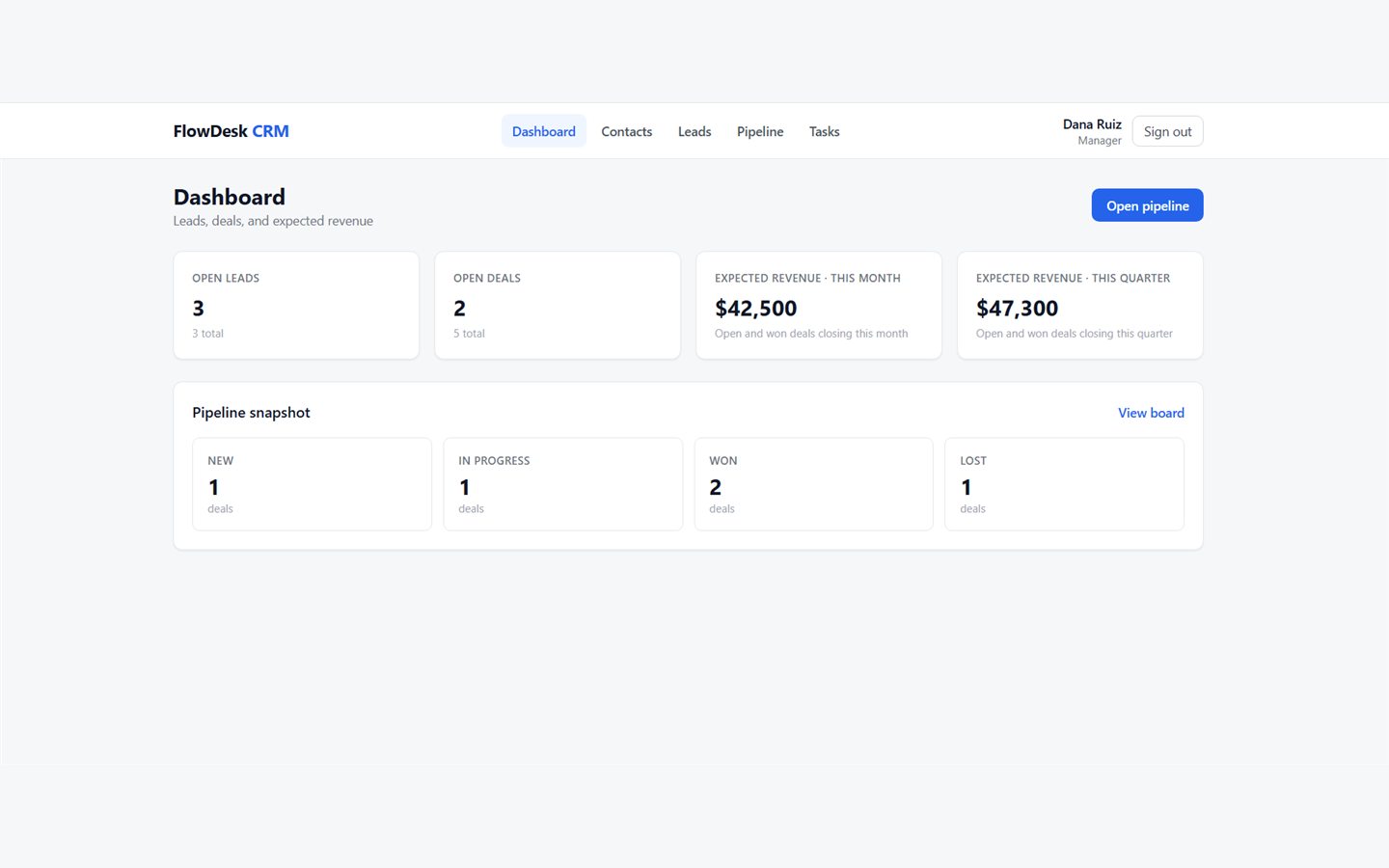
Open the AI app generator or the AI web app builder and describe the screens: fleet calendar, booking and KYC record, deposit and damage log, and service and renewal tracker.
Where a mobile app helps
A mobile app suits the handover crew and drivers who need a daily duty list, a pickup and return inspection with photos, a fuel and kilometre entry, a damage note, a duty-slip signature, and an emergency button, all from a phone in a parking lot. Build it after your paper checklist has worked for three months. A consumer booking app is rarely worth it before you have thousands of repeat customers. Start from the AI mobile app builder.
Where a logo and brand mark help
A rental mark appears on a booking page, a key tag, a windscreen sticker, a duty slip, a driver’s ID card, a delivery card, and a WhatsApp profile, so it should read on a small key tag and in one colour. Pick a short name that is easy to say on a phone, a clean mark that does not copy a known brand or a vehicle maker’s emblem, and a sticker design that meets any local rules for markings on rental vehicles. Use the AI logo generator to explore marks, and test each on a key tag and a small circle before you print.

A ninety-day plan if you are starting
- 1
Days 1 to 15
Choose self-drive, chauffeur, or asset-light, count demand around hotels, stations, and offices, write down your first fifty customers, and cost cars, insurance, and permits against written quotes.
- 2
Days 16 to 45
Confirm registration, permit, and insurance rules with the RTO and insurer, secure parking, buy or attach three to five cars, fit GPS, and write the agreement, inspection checklist, and rate card.
- 3
Days 46 to 70
Build a simple website and WhatsApp catalogue, register on Google, trial the KYC and inspection flow with friends and family, and open with a few well-priced bookings.
- 4
Days 71 to 90
Open fully, measure utilisation, damage, deposits, and days to payment weekly, and fix the three biggest gaps before you add more cars.
A ninety-day plan if you already run cars
- 1
Days 1 to 15
Measure honestly: utilisation by car, revenue per available day, damage and claims, downtime, deposits held, and your top three complaints.
- 2
Days 16 to 45
Rebuild the rate card with weekday and weekend prices, tighten KYC and inspection, add GPS where missing, and fix the car that earns least.
- 3
Days 46 to 70
Win a corporate or hotel tie-up, move repeat bookings to WhatsApp and your own site, and start a service and renewal calendar.
- 4
Days 71 to 90
Lock the weekly scoreboard and plan the next quarter. Only then consider more cars, a new city, or an attached-vehicle programme.
Common failure patterns
- Buying ten cars on a loan before proving utilisation with three
- Pricing every day the same and leaving weekends underpriced and weekdays empty
- Renting without proper insurance, permits, or fitness papers because it looked cheaper
- Skipping photographed inspections, then losing every damage dispute
- Taking a deposit that does not cover a normal deductible and uninsured loss
- Accepting unverified drivers or documents, and losing a car to a fake licence
- Ignoring service schedules until a breakdown ruins a customer’s trip
- Depending on one marketplace and paying a quarter of every booking in commission
- Letting corporate and agent credit grow until EMIs are paid from working capital
- Holding cars that never pass 50% utilisation instead of selling them
When you are ready to build with Nyravi
Use this guide to decide what the business needs. When the next step is a rental website with live availability and booking, a fleet and deposits dashboard, a handover and inspection app, or a brand mark for your key tags and stickers, open Nyravi and describe that product. Keep the brief short: who uses it, what they open first, and what they finish.
If you want help writing that description, ask on Support. Start on the [home page](/), or jump to the product pages linked above. For WhatsApp chatbots, start at cognitivesys.io. The operation comes first. The build carries the system once the system is clear.
Questions
What is a car rental business?+
A car rental business is a vehicle-hire business that owns or manages a fleet of cars and rents them by the hour, day, kilometre, or month, either to customers who drive themselves or with a chauffeur. It earns from rented or duty days sold at a net rate, add-ons, and extra kilometres, and it is limited by fleet size, utilisation, the cost of keeping each car on the road, and how fast a returned car is made ready.
How do I start a self-drive car rental business in India?+
Start by choosing self-drive, chauffeur-driven, or an asset-light attached-vehicle model, then count demand around hotels, stations, and offices and list your first fifty customers. Confirm registration, permit, and insurance rules with the RTO and your insurer, secure parking, start with three to five cars, fit GPS, write an agreement and photographed inspection checklist, and build a simple website and WhatsApp catalogue.
How much does it cost to start a car rental business in India?+
A small car rental business can start with a few lakh rupees by attaching other owners’ cars, while an owned fleet of ten cars can need roughly ₹25 lakh to ₹40 lakh of cash plus a vehicle loan. The worked example in this guide totals ₹31,50,000 of start-up cash for ten cars, including ₹16,40,000 of down payments, ₹4,80,000 of first-year insurance, and ₹4,00,000 of working capital, with a ₹65,60,000 loan on top.
How much profit does a car rental business make?+
Profit depends on fleet utilisation, realised rate per day, the cost of keeping each car on the road, and financing, not on fleet size alone. In this guide’s example, a 10-car owned fleet at 70% to 75% utilisation earns about ₹6,995 a month after the owner’s draw and breaks even near 71% utilisation, while 20 cars earn about ₹1,02,990 and an asset-light 20-car model earns about ₹1,51,200.
Is self-drive or chauffeur-driven car rental more profitable?+
Chauffeur-driven rental usually earns more contribution per day but carries driver cost, behaviour, and working-hour risk, while self-drive earns less per day but needs no driver and carries more damage and KYC risk. In this guide’s example, a chauffeur duty day contributes about ₹1,950 against about ₹1,192.50 for a self-drive rented day. Many operators run both, and what matters most is keeping each car above its break-even utilisation.
What licences and permits does a car rental business need in India?+
Most rental businesses need Udyam registration, GST where applicable, the correct registration, plates, tax, and permits for each vehicle type, commercial or rental insurance, fitness and pollution certificates, and verified, licensed drivers for chauffeur work, with data-protection compliance for customer documents. Rules, including any rent-a-cab scheme or tourist-vehicle permit, vary by state and change over time, so confirm with the RTO, your insurer, and a qualified adviser.
How do I price car rental per day?+
Build the rate from your cost per rented day and your idle-day cost, then adjust for weekday and weekend demand. In this guide’s example, weekdays at ₹1,650 with 55% rented and weekends at ₹2,500 with 90% rented give a realised rate of about ₹2,100 at 70% utilisation, and an extra-kilometre rate of ₹8 covers wear, risk, and margin. Show the total price, kilometre limit, and deposit before payment.
How can I improve car rental utilisation and profit?+
Raise weekday utilisation with weekly and corporate offers, price weekends and festivals higher, cut downtime with preventive servicing, and move repeat bookings from marketplaces to your own website and WhatsApp. In this guide’s example, each point of fleet utilisation is worth about ₹4,487 a month, five points about ₹22,433, and cutting 1.5 downtime days per self-drive car about ₹10,733. Sell cars that cannot hold 50% utilisation.
Can a WhatsApp chatbot help a car rental business?+
Yes, a WhatsApp chatbot can answer availability, rate, deposit, and kilometre questions, hold slots, send secure links for documents and agreements, send booking and return reminders, and ask for reviews, while handing accidents, breakdowns, damage disputes, insurance questions, and refunds to a person at once. CognitiveSys, the parent company behind Nyravi, builds WhatsApp chatbots and shared inboxes. Start at cognitivesys.io.
Does a car rental business need a website, an app, or Nyravi?+
A car rental business benefits most from a simple website with fleet photos, prices, deposit, availability, and a booking form, then from a web app once bookings, cars, deposits, and renewals outgrow a notebook. A handover and inspection mobile app helps after the paper checklist works. Nyravi can build the website, dashboard, inspection app, or logo from a plain-language description. For WhatsApp chatbots, start at cognitivesys.io. This guide covers business operations only, not legal or insurance advice.