
Event & corporate catering
Catering business: how to start, run, and improve one
A practical operator playbook for event and corporate caterers. Covers segment focus, per-plate costing, headcount buffers and lock dates, kitchen capacity on peak dates, staff rosters, equipment and dispatch, advances and corporate receivables, WhatsApp chatbots for menu and quote enquiries, and when a website, event desk app, captain checklist app, or logo actually helps. Business operations only, not food-safety, legal, or tax advice.
 Nyravi AILearn playbookNew catering founders, home-kitchen caterers scaling up, and existing event and corporate catering owners
Who this guide is for
Read this if you cook for birthdays, engagements, housewarmings, conferences, offsites, or a company’s daily lunch and want to turn a good reputation into a dependable business. It is equally for the caterer whose Saturdays are packed yet whose bank balance stays flat, who has been burned by a headcount that jumped overnight, or who answers menu questions at midnight from three different phones.
It is deliberately about event and corporate catering as a production-and-dispatch business. Dine-in margins are in the restaurant playbook, delivery-only kitchens in cloud kitchen, and full-service celebrations in wedding.
What a catering business really sells
A host does not buy forty dishes; they buy the relief of not worrying about the food. Their anxiety is specific: will there be enough, will it arrive hot, will the vegetarians and the Jain guests be looked after, will the uncle at table five complain. An office manager buying lunch for three hundred has a different fear: that one bad day gets forwarded to the vendor-approval committee.
Your service either removes those worries before the day or becomes one of them. That is why the first call, the tasting, and the headcount reminder matter nearly as much as the biryani.
Choose a segment you can serve well
Social events, corporate lunches and meetings, office tiffin subscriptions, conferences and offsites, institutional canteens, festival gift boxes, and large community gatherings have different margins, lead times, and risks. Social events pay better per plate and punish mistakes publicly; corporate contracts pay on thirty to sixty days and punish inconsistency.
Decide these before you buy more vessels
- Which two segments will you target in the first year, and which will you politely decline?
- A guest range you handle well: 30 to 100, 100 to 300, or 300 and above?
- Veg only, veg plus non-veg, Jain, regional cuisines, or a signature menu?
- Cooking in your own central kitchen, at the venue, or a mix of both?
- Buffet, plated, live counters, snack boxes, or a combination?
- How far will you travel, and what is the cost of crossing the city at midday?
- Do you want subscription work to smooth the quiet weekdays?
Kitchen, equipment, and cost reality
The expensive mistakes in catering are quiet ones: too many vessels bought for a peak that happens six times a year, a van that sits idle on weekdays, a kitchen that cannot be cleaned between two large events. Start with what your top three menus actually need, hire or rent the rest per event, and buy more only when you are renting the same item every weekend.
Licences, food safety, and opening readiness
Get these in motion early
- Food-business registration or licence suited to your size and turnover, displayed and renewed on time
- Business and tax registrations, plus invoicing habits that suit both individual hosts and company accounts
- A kitchen layout that separates raw, cooked, veg, and non-veg handling, with pest control and clean water
- Cooling, hot-holding, and transport rules for how long cooked food may sit before it is served
- Fire and gas safety for the kitchen and for cooking at venues, plus a first-aid kit that is actually stocked
- Allergen and dietary labelling habits for dishes with nuts, dairy, gluten, or eggs
- A written terms sheet covering advance, headcount lock, cancellation, damages to rentals, and force majeure
The team: chef, captain, crew, and the people who purchase and pack
Catering days fail when the owner is also the buyer, the head cook, the van driver, and the person apologising to the host. Event catering needs a small permanent core and a larger casual crew, and the core has to be strong enough to train the casuals in thirty minutes.
Roles that keep an event calm
- Head cook or kitchen lead: menu execution, quantities, and taste on the day
- Event captain: the host’s single point of contact, setup, service flow, and problem-solving on site
- Purchase and stores lead: ingredient ordering, checking, and stock of non-perishables
- Dispatch and loading lead: packing lists, vessel counts, vehicle timing, and return checks
- Service captains and casual waiters: buffet and counter service, grooming standards, and guest etiquette
- Sales and tasting coordinator: enquiries, menu proposals, quotes, tastings, and follow-ups
- Accounts: advances, vendor payments, corporate invoicing, and collection of balances
The event journey the host can feel
A simple event journey
- 1
Enquiry
Date, venue, guest count, veg or non-veg mix, Jain and dietary needs, service style, budget range, and whether the date is still free.
- 2
Menu and tasting
A proposed menu inside the budget, a small tasting if the event is large, and a written quote with inclusions, advance, and lock date.
- 3
Confirmation and lock
Advance received, venue access and kitchen constraints confirmed, headcount locked, and a run-sheet shared with the host and your crew.
- 4
Preparation and dispatch
Purchase done, prep scheduled backwards from service time, packing list ticked, hot-hold and vehicles checked.
- 5
Service and close-out
Setup on time, a captain on site, leftover and shortage notes recorded, balance collected, and a feedback message sent once the host has rested.
Peak dates, capacity, and the third-event trap
Catering demand clusters on auspicious dates, long weekends, festival eves, and year-end office parties. The temptation is to say yes to a third event on the same Saturday because the quote was good. The result is a rushed kitchen, a borrowed crew that does not know your plating, and the worst review of the year.
A simple weekly operating rhythm
Run the week on a short scoreboard
- Daily: events in the next seven days, headcounts locked or pending, purchase list sent, vehicles and crew confirmed
- Twice weekly: new enquiries awaiting a quote, tastings booked, advances pending, corporate invoices due
- Weekly: per-plate cost versus quote on recent events, guest-count variance, wastage, crockery and vessel losses, unanswered chats
- Monthly: contribution by segment, repeat-host and corporate share, receivable days, vehicle and equipment maintenance
- Season start: staff list, equipment checks, supplier price lock, and a candid decision on which dates you will not take
Money: the numbers that decide survival
Watch these every week
- Quote-to-booking conversion by segment and by source
- Contribution per event and per plate after all direct costs
- Guest-count variance and the share of events with unpaid extras
- Food wastage as a share of food cost, and leftover records
- Advance collected versus balance outstanding on upcoming events
- Corporate and institutional receivable days, and your top three customers’ share of revenue
ROI formulas you can use this month
Marketing that matches a real caterer
Catering marketing works when it shows real plates at real events and answers the first three questions a host asks: what does it cost per plate, what does it include, and is my date free? Glossy brochures of dishes you do not actually serve invite disappointment on the day.
Channels that usually pay
- A website with menu bands, sample menus by budget, event photos, and a date-check enquiry form
- Google Business Profile with accurate service area, event photos, and reviews from hosts and corporate clients
- Venue managers, decorators, photographers, and event planners who recommend a dependable caterer
- Direct outreach to office administrators, HR teams, and coaching or training institutes for recurring meals
- Short videos of live counters, plating, and the setup crew at work, with host permission
- Referral thank-yous that cost less than a Google ad, such as a complimentary dessert for the next small event
Reviews and reputation
Catering reviews describe a single evening in detail: quantity, temperature, punctuality, staff manner, and how a problem was handled. Reply with specifics and courtesy, and never argue guest-count disputes in public; offer a private call instead.
Planners, venues, corporates, and platforms
Channel rules for caterers
- Treat venue panels and planner relationships as partners with written terms on commission, liability, and kitchen access
- Keep your own relationship with the host even when a planner brokers the booking
- Do not take planner or venue bookings at a price that leaves no margin for the second chef
- Offer corporate buyers a simple monthly invoice, a menu rotation, and a named account owner
- Be selective with food-ordering platforms for bulk orders and watch their commission against your plate cost
- Keep a separate price list for repeat hosts and referrals so loyalty is rewarded without discounting everyone
Automation that frees the sales desk
Automate these first
- Menu bands, per-plate ranges, and what each package includes
- Collecting date, venue, guest count, veg mix, and budget for a quote request
- Quote and confirmation messages, headcount-lock reminders, and post-event feedback requests
Where a WhatsApp chatbot helps
Hosts and office managers already message: “What is your per-plate rate for 150 people?”, “Do you do Jain food?”, “Are you free on 14 December?”, “Can you send sample menus?”. When these arrive on the owner’s personal phone while the kitchen is running, quotes are late, details get lost, and a competitor replies first.
What a business WhatsApp chatbot is good for
- Answering menu bands, service area, event types, and dietary options from facts you approve
- Collecting date, venue, guest count, mix, and budget for a quote your team confirms
- Sharing sample menus and photos you have chosen
- Sending tasting, headcount-lock, and balance-payment reminders
- Handing the thread to a human for menu design, price negotiation, or a complaint
Why caterers use it
- Hosts and corporate buyers already use WhatsApp, with nothing to install
- One shared inbox for sales and the captain instead of the owner’s private phone
- A fast first reply when a host is comparing three caterers on the same evening
- Fewer date-and-rate questions that interrupt the cooking day
Use WhatsApp for conversation. Use your website for menus and date-check enquiries. Use a web app when events, headcounts, and crews outgrow notebooks. See also the wedding, cloud kitchen, bakery, and hotel and resort playbooks for neighbouring ideas on celebrations, production, and hospitality.
Growing beyond one kitchen
Most caterers grow by adding a segment, then a second crew, then a second kitchen, in that order. Growth that skips the second crew just means the owner is at two events at once.
Ways to grow outward
- Add a corporate lunch or tiffin line to smooth weekday volume
- Offer snack boxes and high-tea packages for small meetings that need less staff
- Build a second event crew with its own captain before taking more same-day bookings
- Sign annual contracts with two or three offices or institutes
- Partner with a decorator, a venue, or a photographer for packaged events
- Open a second kitchen only after the first has run two peak seasons with steady margins
Where a website helps
A catering website should show menu bands with per-plate ranges, sample menus for common budgets, real event photos, service areas, and a date-check enquiry form that captures guests, venue, and veg mix. Reviews and one or two corporate logos, shown with permission, do more than long paragraphs about passion for food.
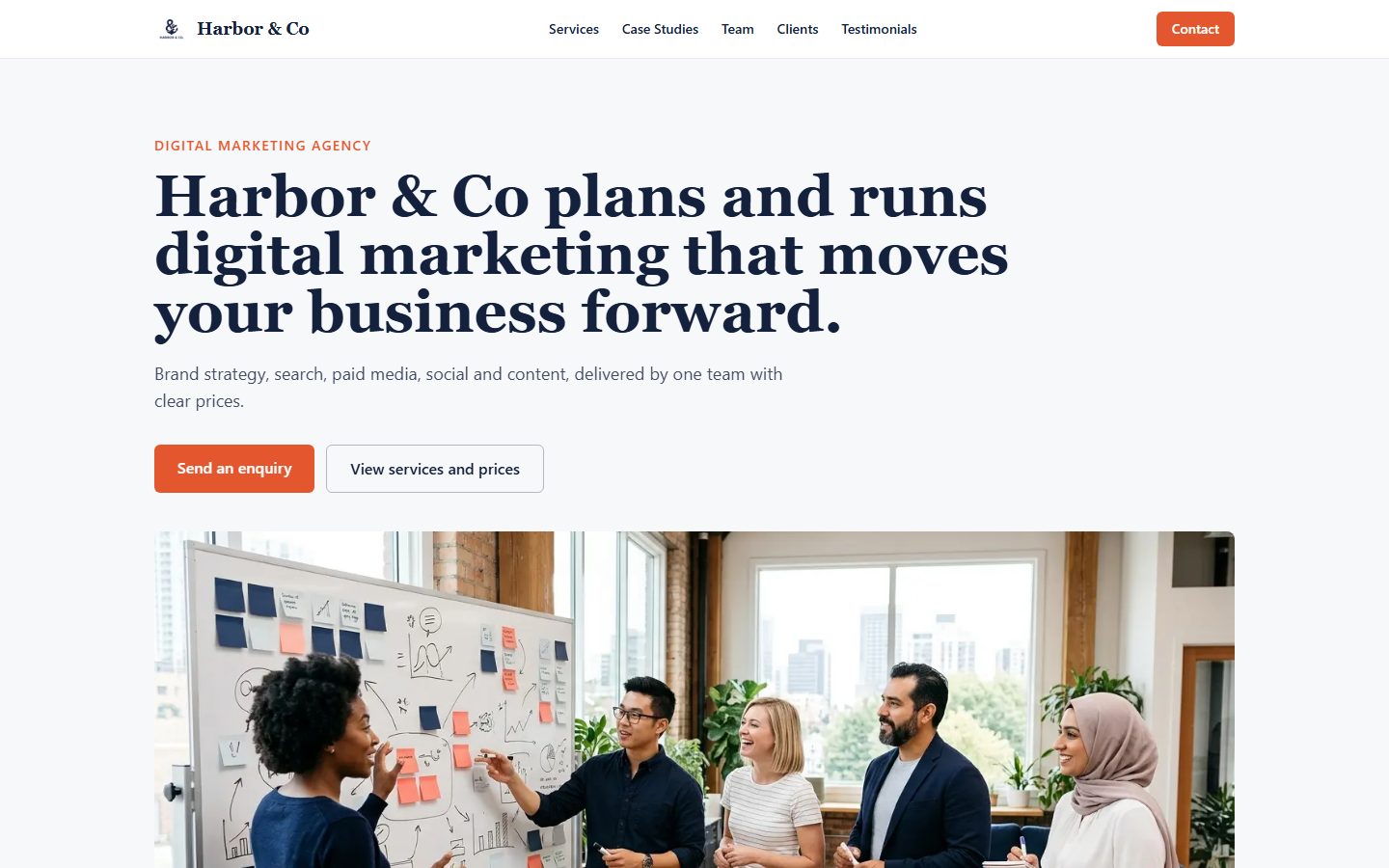
When you are ready to publish, start from the AI website builder or build a website with AI.
Where a web app helps
A web app helps when events, headcounts, menus, crews, and vehicles live in notebooks and group chats. A signed-in event board can show the next week’s events, the locked headcount, the auto-built purchase and packing list from the chosen menu, the crew roster, and advances received. Use it once two people have given the host two different answers.
Open the AI app generator, the inventory app builder for vessels, crockery, and non-perishables, or the AI web app builder when the back office, not the public page, is the bottleneck.
Where a mobile app helps
A mobile app suits the event captain and dispatch lead who need today’s run-sheet, packing checklist, vessel and crockery counts out and back, photo proof of setup, and a quick way to record shortages or extras on site. Build it once your checklist works on paper. Start from the AI mobile app builder.
Where a logo and brand mark help
A logo will not fix a late van, but it makes a dependable caterer recognisable on uniforms, aprons, food boxes, menu cards, vehicles, and your WhatsApp profile. Keep it simple enough to print on a lunch-box sticker and read from a distance on a van. When you need a mark, use the AI logo generator.
A ninety-day plan if you are starting
- 1
Days 1 to 15
Choose two segments, a guest range, and a one-sentence promise. Cost three signature menus per plate and set a minimum order.
- 2
Days 16 to 45
Sort food registrations and kitchen readiness, buy only the core vessels and hot-hold gear, and cater two or three friendly events at fair prices for photos and feedback.
- 3
Days 46 to 70
Run real bookings with written quotes, advances, and headcount locks. Track per-plate cost, wastage, and variance after every event.
- 4
Days 71 to 90
Review contribution by event, fix the biggest leak, build a casual-crew list, and decide which dates and sizes you will not accept.
A ninety-day plan if you already operate
- 1
Days 1 to 15
Measure honestly: per-plate cost against quote on the last ten events, guest-count variance, wastage, crockery losses, receivable days, and unanswered chats.
- 2
Days 16 to 45
Fix one big leak, usually unpaid extras or low advances, with a lock date and a clearer terms sheet. Reprice from true cost.
- 3
Days 46 to 70
Add menu and quote replies, build a second crew captain, and test a corporate lunch line for the quiet weekdays.
- 4
Days 71 to 90
Lock the standards into checklists and a weekly scoreboard. Only then add a vehicle, a segment, or a second kitchen.
Common failure patterns
- Quoting per plate from a competitor’s rate instead of true cost
- No headcount lock, so unpaid extras eat the margin
- Accepting a third event on a peak date with the same crew
- Relying on an unreliable casual crew with no training or reserve
- Verbal quotes and changed menus with no written record
- Buying vessels and vehicles before demand proves the need
- Letting corporate invoices run past sixty days
- Ignoring hot-hold times and transport temperature
- No tasting for large events, so surprises arrive on the day
- The owner doing the buying, cooking, driving, and apologising on the same day
When you are ready to build with Nyravi
Use this guide to decide what the catering business needs. When the next step is a public site, an event desk, a captain app, or a brand mark, open Nyravi and describe that product. Keep the brief short: who uses it, what they open first, and what they finish.
If you want help writing that description, ask on Support. Start on the [home page](/), or jump to the product pages linked above. For WhatsApp chatbots, start at cognitivesys.io. The operation comes first. The build carries the system once the system is clear.
Questions
How do I start a catering business with limited capital?+
Begin from a home or small licensed kitchen, pick two segments, and cost three signature menus per plate. Buy only the vessels and hot-hold gear those menus need, rent the rest per event, and spend first on food registration, a written terms sheet, and a reliable crew list.
How do I calculate a profitable per-plate price?+
Add raw materials, cooking labour, service staff, fuel, transport, rentals and disposables, a wastage buffer, and a share of overheads, then divide by confirmed guests and add your margin. Quote from that number, not from a competitor’s rate.
How do I stop guest counts from eating my margin?+
Set a headcount lock date in the written confirmation, state the rate for guests added after it, remind the host three days before, and record the actual served count after every event so you can price in a realistic variance.
How many events can a small kitchen handle on one date?+
Estimate plates per hour and prep hours, subtract plates already committed, and say no or bring a partner kitchen when the total exceeds that capacity. A rushed third event on a peak date usually costs more in reputation than it earns.
Should a caterer use a WhatsApp chatbot?+
Yes when hosts and office managers already message for rates, menus, and dates and those chats pile up while you cook. A CognitiveSys WhatsApp chatbot answers from facts you approve, collects quote details, sends reminders, and lets staff take over any thread. Start at cognitivesys.io.
Is this guide food-safety, legal, or tax advice?+
No. It covers business operations only. Food licensing, hygiene, transport, and tax rules vary and change, so confirm them with the relevant authorities and qualified advisers before you operate.
How do I win and keep corporate catering contracts?+
Offer a tasting, a rotating menu, a named account owner, a clear monthly invoice, and visible hygiene records. Keep consistency high and receivable days short, and do not let one large customer become most of your revenue.
When does a caterer need a web app instead of a website?+
When events, headcounts, menus, crews, and equipment need a shared signed-in board. A website helps hosts find you and request a date. A web app runs purchase lists, rosters, and run-sheets behind it.
How can a small caterer grow without losing quality?+
Add a weekday corporate line first, build a second event crew with its own captain, sign a few annual contracts, and open a second kitchen only after two peak seasons of steady margins.
Can Nyravi help after I read this guide?+
Yes. When you know whether you need a website, event web app, captain mobile app, or logo, open Nyravi and describe that product. Support can help you shape the brief. For WhatsApp chatbots, start at cognitivesys.io.