

Kitchen chimney & hood cleaning and service
Kitchen chimney and hood service business: how to start, run, and improve one
A practical operator playbook for starting, running, and improving a kitchen chimney and hood cleaning and service business in India: what the business really sells, low-capital start-up and per-job formulas, AMC and commercial hood contracts, spares and motor repair, technician team, enquiry-to-service journey, local marketing, WhatsApp chatbots for bookings and reminders, and when a website, booking web app, technician mobile app, or logo actually helps. Business operations only, not electrical, gas, fire-safety, or legal advice.
 Nyravi AILearn playbookTechnicians turning into business owners, appliance-service operators adding chimney work, small home-service teams, and existing chimney cleaners who want fuller schedules, AMC income, and commercial kitchen contracts
Who this guide is for
Read this if you want to start a kitchen chimney and hood cleaning service, if you are a technician who already repairs appliances and sees chimneys everywhere, or if you already run a small team and the diary is uneven: five bookings on Saturday, nothing on Tuesday, customers who ask for a discount because “it is only cleaning”, and a technician who leaves because the pay stays flat.
The playbook covers the business around the chimney: job pricing, AMC plans, spares, commercial kitchen hoods, technicians, and trust. It is written for the owner who runs the schedule. If you design and install kitchens, read the modular kitchen guide. If you run many kinds of household jobs, see home service. If you sell and repair cooling equipment, the AC and refrigeration playbook covers that side. A chimney and hood service is a focused, repeat-cycle business with low capital, and it rewards owners who treat each visit as the start of the next one.
What a kitchen chimney and hood service business is
A kitchen chimney and hood service business is a recurring maintenance service that cleans and repairs kitchen chimneys in homes and exhaust hoods and ducts in restaurants and commercial kitchens, replaces filters and spare parts, and sells annual plans that bring the technician back on a fixed cycle. Revenue comes from per-visit cleaning, AMC plans, spares and motor repairs, and commercial hood contracts, and it is capped by the number of trained technicians and the travel time between jobs.
Terms you will use every week
- Kitchen chimney: a hood fitted above a hob that draws smoke, grease, and fumes out through a duct or filters them for recirculation
- Baffle filter, mesh filter, and cassette filter: grease-catching filters of different designs, cleaned or replaced on a schedule
- Charcoal or carbon filter: a replaceable filter used in ductless chimneys that is replaced rather than washed
- Oil collector: a cup or tray that holds the grease drained from the filter, emptied and cleaned at each service
- Auto-clean chimney: a model with a heating or motorised system that moves grease into a tray, still needing periodic service
- Blower and motor: the fan assembly that creates suction, which wears with grease and age
- Suction capacity: the airflow rating, often quoted in cubic metres per hour, that you compare with kitchen size and use
- Hood and duct: the canopy over commercial cooking equipment and the pipe that carries fumes outside, which collect grease
A modular kitchen company designs and installs kitchens. An appliance repair shop fixes many products. A pest control firm treats insects. A chimney and hood service does one narrow job well, again and again: it keeps a greasy, hot, and hard-to-reach appliance working and safe to use. The thing you manage most carefully is not the chemical. It is the customer’s next due date.
What a chimney service business really sells
A household does not buy a wash. It buys a kitchen that no longer smells of last week’s curry, a chimney that sucks again, and the relief of not looking at a dripping oil tray. A restaurant owner does not buy a duct clean. It buys fewer fire worries, a cleaner kitchen for inspections, and a vendor who comes when the kitchen is closed and leaves no mess.
A cleaner who arrives late, leaves oil on the counter, and replaces a part that did not need replacing gets a bad review and no second visit. The one who explains what was found, shows the old filter and the cleaned one, tidies up, and tells the customer when to call again is the one who becomes the household’s chimney person for ten years.
How this differs from kitchen installation and home services
Owners often start from an adjacent trade and carry the wrong cost sheet with them. A chimney service is a low-capital, repeat-cycle, technician-led business. That changes how you price and how you measure.
Where the lines fall
- Modular kitchens: you earn on design, fabrication, and installation projects. A chimney service earns on small frequent visits. See modular kitchen for the project side
- Home service marketplaces: you earn on many short jobs of different kinds. A chimney specialist trains deeply in one appliance family, which is why home service pricing does not apply
- Appliance retail: you earn on product margin. A service business earns on labour, spares, and plans, and does not carry a showroom. See electronics retail
- Pest control: you earn on treatments against insects. A chimney service earns on cleaning cycles. See pest control for that world
- Commercial kitchen hoods: the technical work, the hours, and the fire-code expectations differ from a home chimney, so price and train for them separately
Choose a focus before you buy equipment
The market is wide: a flat with a ductless chimney and a restaurant with forty feet of duct are different customers. Pick the segment you can serve every time, and let everything else be an occasional job at a fair price.
Decide these before you commit money
- Primary customer: homes and apartments, small cafes and cloud kitchens, restaurants and hotels, or institutional canteens
- Brands and types you will service: auto-clean, baffle, filterless, and ductless models, and any you will refuse
- Service radius that one technician can cover with about four jobs a day
- Whether you sell chimneys at all, or only service, repair, and spares
- Whether you take commercial hood and duct work, and the equipment, staffing, and night hours it needs
- Plans you will sell: single visit, two-visit annual plan, or a quarterly plan for busy kitchens
- How you stock spares: filters, motors, capacitors, switches, and oil cups for the models you see most
Start-up and monthly cost formulas
A chimney service is one of the lower-capital businesses in this library. Tools, a few cleaners, two-wheelers, and a spares box can start a team. The real investment is time spent on training, reviews, and a repeat-visit habit.
Per-job contribution: what one visit really earns
The ticket price is not what you keep. Chemicals, fuel, and the technician’s incentive come out of it. Calculate contribution per job, and separate home visits from commercial hood jobs, because their costs and hours differ.
Technician productivity and utilisation
Your product is technician hours. A day lost to travel or a no-show is a day you pay for and cannot sell. Measure jobs per technician per day and the share of capacity you actually use.
Break-even: how many jobs and plans you need
Because fixed cost is steady and one-off bookings vary, break-even works best when AMC plans, a few commercial contracts, and spares income cover part of fixed cost before the first call of the month.
Registration, safety, and compliance on the business side
A chimney sits above a gas flame, carries mains power, and collects flammable grease. Working on it involves electricity, ladders, hot surfaces, and chemicals. Treat this section as a checklist of things to confirm, not as instructions.
Confirm each with a qualified professional and the authority
- Business registration, GST, and any shop or service licence for your firm
- Power isolation before any cleaning: switch off, unplug where possible, and keep water away from the motor and controls, as the manufacturer directs
- Working-at-height practice, stable ladders, and a rule that technicians do not stand on cooking platforms or unstable surfaces
- Gas supply: a rule that technicians do not touch or alter gas lines or appliances, and that the stove is off and cool before work begins
- Chemical handling: gloves, eye protection, ventilation, labelled containers, never mixing products, and the right disposal of waste water and grease
- Fire-code expectations and cleaning frequency for commercial kitchens as set by your local fire authority and the customer’s insurer
- Insurance for technicians, public liability, and third-party property damage in homes and restaurants
- A written policy on refusing jobs when the appliance is damaged, the wiring is exposed, or the kitchen conditions are unsafe
The team a chimney service business needs
A service run by the owner who cleans, quotes, answers the phone, and collects money has a ceiling of about four jobs a day and no time to grow. Past that, technicians, scheduling, spares, and accounts need separate hands and written checklists.
Roles that keep schedules full
- Owner: pricing, plans, supplier terms, commercial contracts, and the monthly review
- Technicians: cleaning, filter and part replacement, photographs, and a clean exit from the customer’s kitchen
- Senior technician: second-line diagnosis, motor and electronics repair, and training juniors
- Commercial crew: two trained people for hood and duct jobs, usually at night
- Coordinator: calls, bookings, routes, reminders, and payment follow-up
- Spares in-charge: stock register, orders, and returns
- Accounts: invoices, plan receipts, GST, and payroll
Pay technicians a fixed salary plus a visible incentive for on-time arrival, good reviews, and plan sign-ups, not for the number of parts replaced. A technician paid for parts will find parts to replace.
Spares, motors, and repairs
The cleaning visit opens the door, and the spare parts and repairs add margin. The line between honest advice and an unnecessary sale is thin, and customers feel it. Show the worn part, explain what it does, and let the customer decide.
Spares rules worth writing down
- Class A: filters, oil cups, switches, and capacitors for the three brands you see most, always in the technician’s kit
- Class B: blower wheels, knobs, and control boards, stocked to one or two
- Class C: motors and large assemblies, ordered against a confirmed repair and advance
- Every part issued against a job card with the model and serial number noted
- A photograph of the old part and the new part attached to each job
- A clear warranty on replaced parts, such as 3 months on a switch and 6 months on a motor, and a written exclusion for misuse
- A monthly count against the register, and a list of items with no movement in six months
Pricing: visits, AMC plans, and commercial work
Customers compare the price of one visit and forget the price of a chimney that stops sucking in six months. Price the whole cycle, and show the cost per month of a clean kitchen.
Build a price sheet you can explain in a minute
- A deep-clean price by chimney type, with a clear list of what is included: filters, oil collector, blower, and exterior
- A premium for heavily soiled or auto-clean models, agreed after a photograph or inspection
- A two-visit annual plan priced below two single visits, with a priority slot and a free filter check
- A quarterly plan for busy kitchens and small cafes
- Spare-part prices listed separately, with labour shown, so the customer knows what they pay for
- Commercial hood and duct pricing by length of duct, number of hoods, and access difficulty, with a site visit before a quote
- A visit charge for a diagnosis when the customer declines the repair, credited if they proceed
The customer journey from booking to next-due reminder
Most chimney bookings begin with a smell, a drip, or a visitor. The customer messages two or three services and books the one that replies fast, quotes clearly, and sends a technician who looks professional.
A standard journey
- 1
1. Enquiry and photo
Reply within the hour. Ask the brand, type, and a photograph of the chimney and its filters, and the last time it was cleaned.
- 2
2. Quote and slot
Send a price range, what is included, and a two-hour arrival window. Confirm by message.
- 3
3. Arrival and safety check
Arrive on time, introduce the technician, protect the counter and hob, and switch off and isolate power before starting.
- 4
4. Inspection and photographs
Take before photographs, check filters, motor noise, and the oil collector, and note any damage.
- 5
5. Cleaning
Remove and degrease the filters, clean the collector, blower, and body, and refit and test the unit.
- 6
6. Findings and options
Show the customer the result, any worn parts, and the options with prices, without pressure.
- 7
7. Handover and invoice
Tidy the kitchen, take after photographs, issue the invoice, and offer the annual plan.
- 8
8. Reminder and referral
Message at the recommended interval for the next clean, and ask for a review and referral a day after the visit.
Commercial hoods and ducts
Restaurant and cloud kitchen work is different from home work. Grease builds up faster, the duct is longer, the hours are at night, and the customer cares about inspection and insurance. It earns far more per visit and demands more discipline.
Terms worth writing down
- Cleaning frequency, agreed with the customer and aligned with local fire-authority and insurer requirements
- Scope: hood, filters, accessible duct sections, fan, and any access panels, with what is not included
- Access: when the kitchen closes, who opens the roof or duct access, and who is present
- Protection of food and equipment, and cleaning up of grease waste
- A before-and-after photograph report and a dated certificate of service for each visit
- Payment terms, renewal date, and a notice period for termination
- A clause that structural, wiring, or fire-suppression issues you find are reported to the owner and not repaired by your team unless qualified
A simple weekly rhythm
Run the team on a short scoreboard
- Daily: check tomorrow’s routes, spares in each kit, technician attendance, and any customer waiting for a callback
- Before each visit: confirm the address, chimney type, photographs, and the arrival window with the customer
- After each visit: photographs filed, parts logged, invoice sent, and the next due date set
- Weekly: enquiries, jobs done, plans sold, spares attached, utilisation, and invoices overdue
- Weekly: complaints, rework visits, and a list of customers whose next service falls in the next 30 days
- Monthly: contribution by job type, plan renewals, spares margin, technician incentive cost, and top three complaints
Money: the numbers that decide survival
Watch these every week and every month
- Jobs completed against break-even jobs, by day of the month
- Contribution per job, and the share of AMC, commercial, and repeat jobs
- Technician utilisation and jobs per technician per day
- Cash in hand against three months of fixed costs
- Receivables from commercial customers aged 30, 60, and 90 days
- Spares stock value, attach rate, and items with no movement in six months
- Plan count, renewal rate, and monthly plan contribution
ROI formulas you can use this month
Marketing a chimney service business in India
Households search when the smell gets bad or a guest comments. They ask a neighbour, search Google Maps, or look at a society group. Your marketing should be proof first: real before-and-after photographs, real prices, real reviews, and a polite, uniformed technician.
What moves bookings
- A complete Google Business Profile with service area, price starting point, before-and-after photographs, and quick replies to every review
- A short before-and-after video of a real chimney, shot with the customer’s permission
- Referral ties with modular kitchen dealers, appliance shops, builders, and interior designers who are asked for a service contact
- A reminder sticker on every chimney with the next due date and your number
- Society and apartment-group tie-ups, with a camp day for several flats in one visit
- A one-page commercial sheet for cafes, cloud kitchens, and restaurants showing the scope and the certificate
- Seasonal messages before festivals and wedding seasons, when kitchens are used heavily
Reviews and reputation
A single complaint about a mess on the counter or an unnecessary part travels through a society group quickly. Reviews are not a side task. They are the second most important sales tool after a fast reply and a clear photograph.
A review routine that works
- Ask for a review a day after the visit, with a direct link and a one-line prompt
- Reply to every review within 48 hours, thanking the good ones and offering a call for the bad ones
- Tag each complaint by cause: late arrival, mess, price, parts pressure, rework, or behaviour
- Fix the cause with the biggest count first and tell the team what changed
- Never argue publicly and never post a reply that identifies a customer’s home or kitchen
Channels that bring work
Rank them by cost per booked job
- Referrals from past customers, kitchen dealers, and building managers: usually the cheapest and highest-converting
- Google Maps and local search: high intent when the profile and photographs are strong
- WhatsApp groups of society residents: strong for camp days and seasonal reminders
- Direct visits to cafes, cloud kitchens, and restaurants for hood contracts
- Marketplace and app listings: useful for reach, but track commission and the share of customers who rebook directly
- Retailers and installers of chimneys who recommend a service partner after a sale
- Pamphlets and notice boards in apartment complexes: occasional, and tracked by a question at enquiry time
Track the source of every enquiry in one column of your booking sheet. After a quarter you will know which channel pays for itself and which one brings price-checkers who never book.
Automation that frees the owner
Automate these first
- Acknowledgement of every enquiry with a price range and a request for a photograph
- Booking confirmation with the technician’s name and arrival window
- Arrival updates when the technician leaves for the customer
- Invoice, before-and-after photographs, and plan offer delivery after the visit
- Next-clean reminders at the interval you recommend for that household or kitchen
- Plan renewal reminders at 30 days and 7 days before expiry
- A weekly digest to the owner: enquiries, jobs, plans sold, reminders due, commercial visits scheduled, and invoices overdue
Where a WhatsApp chatbot helps
Customers message from the kitchen with a photograph: “How much to clean this?”, “Can someone come tomorrow?”, “My chimney is making a noise, what could it be?”, “Do you give an annual plan?”. If those messages wait until the team finishes the evening’s last job, the customer has already booked another number.
What a business WhatsApp chatbot is good for
- Answering price-range, inclusions, plan, and service-area questions from facts you approve
- Collecting brand, chimney type, address, and a photograph into one booking sheet
- Booking a slot and sending a reminder with the technician’s name
- Sending invoices, photographs, plan offers, and next-clean reminders
- Giving first-step safety information, such as switching the chimney off, keeping water away from it, and calling a qualified electrician if there is a burning smell or sparks
- Handing the whole thread to a person for negotiation, safety concerns, or any urgent issue
Why chimney service businesses use it
- Customers already live on WhatsApp and prefer sending a photograph to explaining a model by phone
- One shared inbox instead of the owner’s personal number
- Fewer repeat calls asking when the technician will arrive
- Faster first replies, which is where bookings are won
Use WhatsApp for conversation, your website for the proof, and a web app when bookings, plans, and reminders need to live in one place.
Growing a chimney and hood service business
Growth is not only a second team. It is more repeat visits per household, more plans, a steady line of commercial hoods, and a name that kitchen dealers and building managers recommend.
Ways to grow responsibly
- Build the customer register first and send a reminder to every past customer in the last 12 months
- Convert every first-time customer into a plan offer at the end of the visit
- Add a standard parts kit per popular model to raise attach rate and first-visit fix rate
- Sell commercial hood contracts only after your crew is trained, equipped, and insured for it
- Partner with kitchen dealers and interior designers for a service-on-sale arrangement
- Train a second senior technician before adding a second area
- Keep three months of fixed costs in reserve before taking on a new workspace or vehicle loan
Where a website helps
Customers will visit your website before they book, often from the kitchen. It should show your service area, chimney types, starting price, before-and-after photographs, plans, a booking form with photo upload, and a WhatsApp button, in that order. A website that lists only a phone number loses to the service that answers every first question on one page.
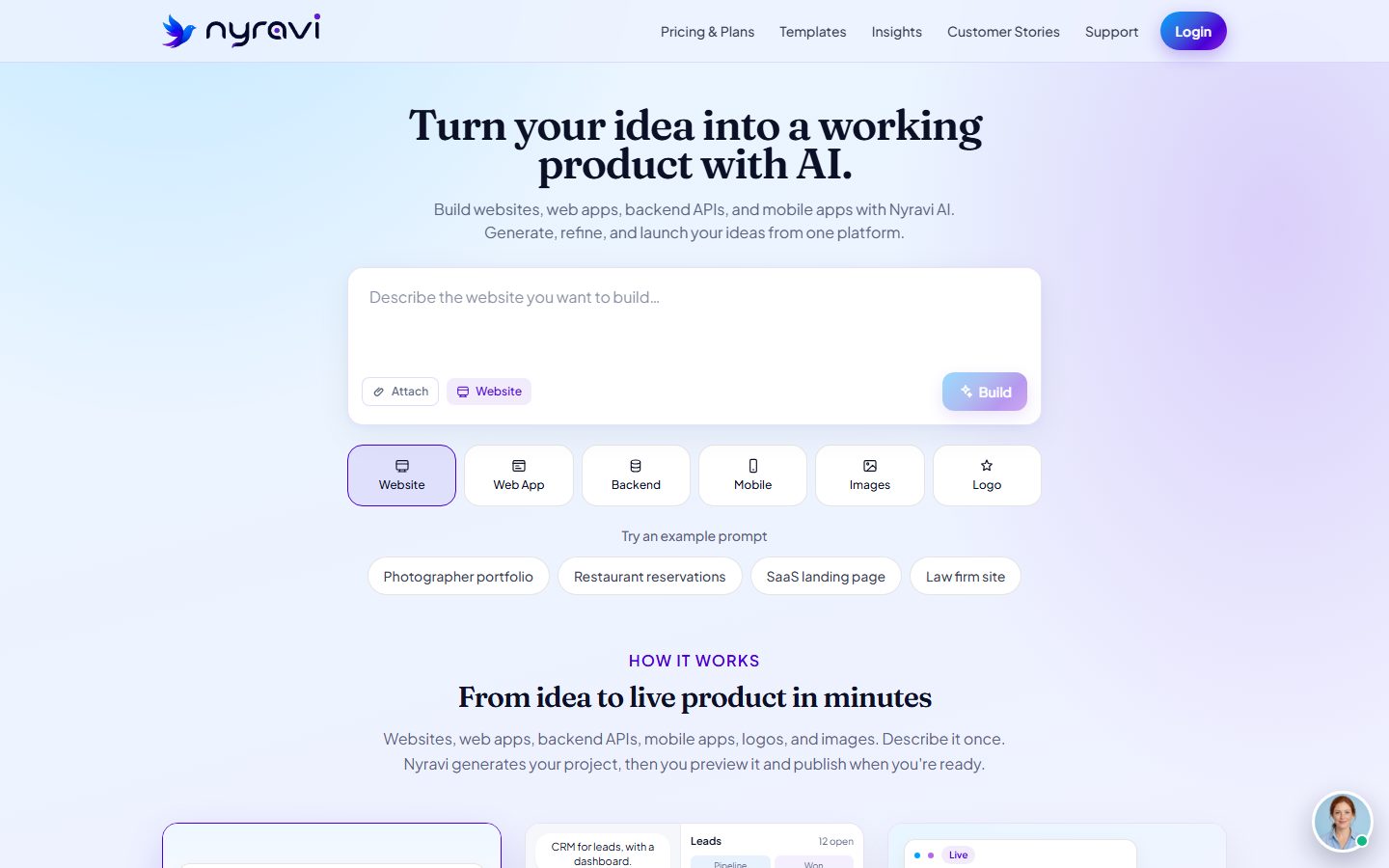
Start from the AI website builder or build a website with AI and describe your area, the chimney types you service, and the three questions you want a customer to answer on the page.
Where a web app helps
A web app helps when bookings, routes, customer registers, plans, spares, and reminders outgrow a notebook and a spreadsheet, and when two people might promise the same technician for the same slot. A signed-in booking board that shows today’s routes, plans due, spares needed, and reminders to send gives the owner and coordinator the same answer.
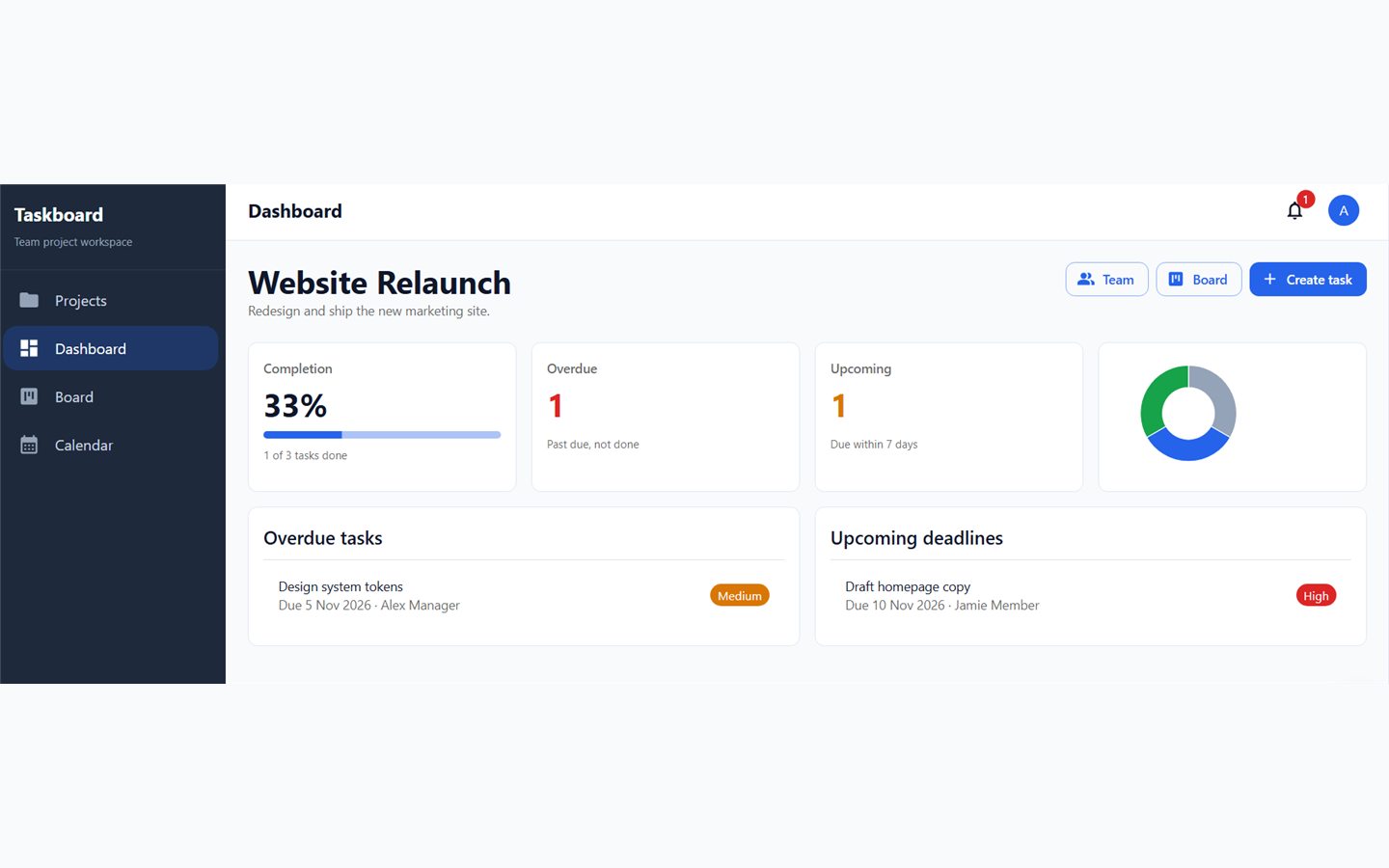
Open the AI app generator or the AI web app builder and describe the screens: booking calendar, customer register with next due date, plan tracker, spares issue log, and an invoice list. If you track parts in depth, the inventory app builder is a close fit.
Where a mobile app helps
A mobile app suits the technician who needs today’s route, a customer address with a map pin, a before-and-after photograph capture, a parts log, a safety checklist, and a push alert for a reschedule. Build it after your paper job card works for a month. Start from the AI mobile app builder.
Where a logo and brand mark help
A clear name and mark appear on uniforms, bags, invoices, reminder stickers, and WhatsApp profile, so they should look good in small sizes and on dark and light backgrounds. A tidy sticker on every chimney with your name and next due date is a marketing asset that works for years. Use the AI logo generator to explore marks, and test each on a uniform and a small sticker before you print.
A ninety-day plan if you are starting
- 1
Days 1 to 15
Study three nearby services as a mystery customer, count homes, apartments, and cafes in your radius, train two technicians, and write your start-up and fixed-cost sheet.
- 2
Days 16 to 45
Buy the tools, spares, and PPE. Write your price sheet, plan terms, safety checklist, and job card, and test them on friends and family kitchens.
- 3
Days 46 to 70
Build a simple website and Google profile, meet 20 kitchen dealers, building managers, and cafe owners, and run a camp day at two societies.
- 4
Days 71 to 90
Measure jobs per technician per day, plan sign-ups, and break-even jobs, collect reviews, and fix the three biggest gaps before you spend more on advertising.
A ninety-day plan if you already operate
- 1
Days 1 to 15
Measure honestly: jobs by month, contribution per job, repeat share, plans active, spares attach rate, utilisation, and top three complaints.
- 2
Days 16 to 45
Fix one leak: no plan offer at the end of the visit, slow first replies, or a messy exit. Build the customer register from your call log.
- 3
Days 46 to 70
Send reminders to every customer from the last 12 months, add a parts kit per popular model, and introduce automated replies and photographs.
- 4
Days 71 to 90
Lock the weekly scoreboard and plan the next festive season. Only then consider commercial hood work or a second team.
Common failure patterns
- Selling a one-time wash with no plan or reminder, so every customer must be won again
- Pushing parts the customer does not need, which ruins reviews
- Leaving a kitchen messy or damaged and arguing about it
- Working on a chimney without isolating power or on an unstable ladder
- Taking commercial hood work without training, equipment, or insurance
- Promising that cleaning removes fire risk
- Pricing every area the same despite long travel between jobs
- Replying to enquiries the next morning
- Hiring a second team before the first reaches healthy utilisation
When you are ready to build with Nyravi
Use this guide to decide what the business needs. When the next step is a service website, a booking and reminder board, a technician checklist app, or a brand mark for your uniforms and reminder stickers, open Nyravi and describe that product. Keep the brief short: who uses it, what they open first, and what they finish.
If you want help writing that description, ask on Support. Start on the [home page](/), or jump to the product pages linked above. For WhatsApp chatbots, start at cognitivesys.io. The operation comes first. The build carries the system once the system is clear.
Questions
How do I start a kitchen chimney cleaning business in India?+
Start by choosing your segment and radius, training two technicians, and building a start-up sheet that includes tools, steam cleaners, spares, two-wheelers, and four months of working capital. Write a price sheet, plan terms, safety checklist, and job card, test them on a few kitchens, and meet kitchen dealers, building managers, and cafe owners before you advertise.
How much does it cost to start a chimney cleaning business?+
A small team with tools, steam cleaners, spares, used two-wheelers, and working capital can start with roughly ₹5 lakh to ₹15 lakh depending on team size, city, and whether you take commercial hood work, but your figure depends on equipment. The worked example in this guide totals ₹10,00,000 including four months of working capital.
How much profit does a chimney service business make?+
Profit depends on jobs per technician per day, repeat plans, and commercial contracts, not on the ticket price alone. In this guide’s example, a ₹1,499 home job leaves ₹1,029 contribution, about 41 one-off jobs cover ₹1,32,000 of fixed cost when 240 AMC plans, commercial work, and spares are in place, and 160 jobs a month leave roughly ₹93,640. Track utilisation and repeat share every month.
How do I price chimney cleaning and AMC plans?+
Price a deep clean by chimney type with a clear list of inclusions, add a premium for heavily soiled or auto-clean models, and offer a two-visit annual plan priced below two single visits. In this guide’s example, a ₹2,400 plan with two visits leaves ₹1,460 contribution. Price commercial hoods by duct length, hoods, and access, after a site visit.
How do I market a chimney service business in India?+
Lead with proof: a complete Google Business Profile, before-and-after photographs, a clear starting price, and fast replies on WhatsApp with a photo request. Build referral ties with kitchen dealers, builders, and interior designers, run camp days at societies, put a reminder sticker on every chimney, and track which source brings each enquiry.
How can I improve my chimney service business?+
Offer an annual plan at the end of every first visit, send reminders at the interval you recommend, add a standard parts kit per popular model, and cluster jobs by locality to raise jobs per technician per day. Show customers the old and new parts without pressure, collect reviews a day after the visit, and fix the most repeated complaint first.
Can a WhatsApp chatbot help a chimney service business?+
Yes, a WhatsApp chatbot can answer price-range and plan questions, collect brand, address, and a photograph, book slots, and send invoices, photographs, and next-clean reminders, while handing negotiation and any safety concern such as sparks or a gas smell to a person. CognitiveSys, the parent company behind Nyravi, builds WhatsApp chatbots and shared inboxes. Start at cognitivesys.io.
Does a chimney service business need a website or a web app?+
A service business benefits from a website for proof and bookings, and from a web app once bookings, plans, routes, and reminders outgrow a spreadsheet. The website helps customers trust you before they book. The web app helps your team avoid double-booked slots and forgotten reminders. Start with the website, then add the app when the customer register becomes hard to trust.
Is a chimney service business different from a modular kitchen or home service business?+
Yes, a chimney and hood service earns on frequent low-ticket cleaning visits, annual plans, spares, and commercial hood contracts, while a modular kitchen company earns on design and installation projects and a home service business earns on many job types. Read the linked modular kitchen and home service guides for those sides.
Can Nyravi help after I read this guide?+
Yes, Nyravi can help you build the digital side: a service website, a booking and reminder web app, a technician mobile app, or a logo for uniforms and reminder stickers. Describe the product in plain language and ask on Support if you want help with the brief. For WhatsApp chatbots, start at cognitivesys.io. This guide covers business operations only, not electrical, gas, fire-safety, or legal advice.