

Immigration and visa consultancy
Immigration and visa consultancy business: how to start, run, and improve a compliant consultancy
A practical operations playbook for starting, running, and improving an immigration and visa consultancy in India, covering study-abroad, visitor-visa documentation, and work and PR coordination through licensed partners: what the business really sells (a clear process, honest scope, and organised files, never a guaranteed outcome), service-line, pipeline, break-even and payback formulas with checked ₹ examples, fee models and refund policy design, the licensing, registration, advertising, data-protection and fraud-avoidance duties to confirm with a lawyer, a counsellor and documentation team, file-stage and deadline systems, weekly scoreboards, WhatsApp chatbots that handle logistics only and never case advice, and when a website, case-tracking web app, staff mobile app, or logo actually helps. This guide is business operations only. It is not legal, immigration, or tax advice, and it does not tell anyone how to qualify for or obtain a visa.
 Nyravi AILearn playbookFirst-time immigration and study-abroad consultancy founders, counsellors and ex-university staff starting their own firm, travel agents adding visitor-visa documentation, IELTS and language-coaching owners adding counselling, existing consultancies that want cleaner files, fewer refund disputes and safer marketing, and firms that work alongside licensed lawyers, registered migration agents, or regulated consultants
Who this guide is for
Read this if you want to open or run an immigration and visa consultancy that helps students, families, and professionals organise applications for study, visits, work, or settlement abroad: intake, document checklists, application preparation support, appointment booking, tracking, and communication, with licensed professionals involved wherever the law requires. It is also for a counsellor who wants to leave a big firm, a travel agent who gets visitor-visa requests every week, an IELTS or coaching centre owner whose students keep asking “what next”, and a consultancy owner whose files are scattered across WhatsApp, email, and a notebook. If your enquiries are fine but your files, fee collection, or compliance are not, this playbook is for you.
The playbook covers the business around the files: service design, pipeline, fees and refunds, team, compliance duties, file stages, and growth. If you offer legal representation, read the law firm guide. If you sell tickets and tours, read travel agency. If you teach IELTS or other language tests, see language institute. If you counsel students on careers, the career counselling guide fits. If you recruit staff for employers, read staffing agency. A consultancy is judged on trust first: honest scope, clean files, safe data, and no promise that anyone can keep.
What an immigration and visa consultancy business is
An immigration and visa consultancy is a service business that helps people organise the information and documents for study, visitor, work, or settlement applications abroad, books appointments, tracks progress, and keeps the applicant informed, within the limits of what the firm and its people are licensed and qualified to do. Revenue comes from service fees per file, commissions or referral fees where those are lawful and disclosed, and related services. Cost comes from counsellors, documentation staff, marketing, compliance, and the office. The business earns when people trust it, files move without errors, and refunds and complaints stay rare.
Terms you will use every week
- Service fee: what your firm charges for its own work, which is separate from government, embassy, university, or biometrics fees
- Pass-through fee: a government or third-party fee collected only at cost, with a receipt, and never counted as your revenue
- Engagement letter: the signed document that states scope, fee, timelines, what the firm will not do, and the refund policy
- File stage: where a case sits, such as enquiry, consultation, engaged, documents pending, submitted, awaiting decision, or closed
- Licensed partner: a lawyer, registered migration agent, or regulated consultant who gives advice or represents applicants where the law requires it
- Document checklist: a general list prepared and approved by a qualified person, which may not fit every applicant
- Intake: a university or programme’s application period, which sets hard deadlines for students
- Appointment slot: a booking at a visa application centre or embassy for biometrics or an interview
- Refusal: a negative decision, which is handled by a qualified professional and never by a chatbot or a junior
- Consent record: proof that the applicant agreed to how you collect, store, and share their data
A consultancy is a trust and process business. The product is a calm, organised path through paperwork, with honest limits on what the firm can say or do. Revenue grows when the process is clear. It collapses when someone promises an outcome.
Consultancy at a glance: the worked example in this guide
Key figures, all illustrative and to be replaced with your own quotes and data
- Office: a tier-1 or tier-2 city consultancy with 4 counsellors, 2 documentation executives, a front desk, an operations and compliance manager, and a part-time accountant
- Monthly engaged files: about 60 visitor-visa documentation files, 14 new student application files, 5 enrolments with partner institutions, and 3 work or PR coordination cases handled through a licensed partner
- Revenue: about ₹10,50,000 a month, made up of ₹3,30,000 visitor-visa documentation, ₹4,20,000 student service fees, ₹2,25,000 institution commissions where lawful and disclosed, and ₹75,000 partner coordination fees
- Variable cost: about ₹1,49,250 a month for courier, translation and notary, counsellor incentives, payment fees, and a 3% refund reserve
- Fixed cost: about ₹5,03,000 a month including ₹1,30,000 of marketing and a ₹60,000 owner draw
- Contribution: about ₹9,00,750 a month, or about 85.8% of revenue
- Break-even: about ₹5.86 lakh of monthly revenue, against a plan of ₹10.50 lakh
- Profit: about ₹3,97,750 a month at plan, about ₹97,500 in a lean ₹7 lakh month, and about ₹1,96,375 if commissions vanished
- Start-up investment: about ₹16,80,000, which pays back in about 4 months at run-rate and in practice in a year or more after ramp-up
Treat these as a template for your own sheet, not as a promise. Volumes, fees, and commissions vary hugely by city, destination, season, and licensing. The point is to see which numbers move profit most: engaged files per month, the share of income that depends on commissions, and refunds and rework.
What a consultancy really sells
An applicant does not buy a visa. No consultancy can sell one. The applicant buys clarity: a clear list of what is needed, a person who answers questions about process and timelines, a team that keeps files complete and on time, and a firm that is honest about what it cannot say and who is licensed to say it. The embassy or university decides the outcome. You are paid for the process and the care.
A consultancy that wins enquiries by promising “guaranteed visa”, “100% success”, or “no IELTS needed” may fill its calendar for a quarter. It will also collect refund demands, complaints, regulator letters, and applicants whose applications were refused for misrepresentation. A consultancy known for honest scope, clean paperwork, and licensed advice earns fewer enquiries on day one and many more referrals on day 300.
How a consultancy differs from a law firm, a travel agency, a language institute, and a staffing agency
Owners often borrow numbers or promises from a neighbouring business and import the wrong risks. A consultancy sits between education, travel, and legal services, and each neighbour has different rules. That changes what you may say, what you may charge, and what you must hand to a licensed professional.
Where the lines fall
- Law firm: licensed lawyers who give legal advice and represent clients. See law firm for how that practice works and why complex or sensitive cases belong with a lawyer
- Travel agency: tickets, hotels, and tours, with visa support as an add-on in many places. See travel agency for how those customers book
- Language institute: coaching for IELTS, PTE, and other tests. See language institute for a likely partner or a feeder business
- Career counselling: guidance on courses and careers, which may or may not lead overseas. See career counselling for that model
- Staffing and overseas recruitment: placing candidates with employers, which has its own registration requirements in India. See staffing agency and confirm the rules for overseas placement
- Coaching and tutoring: academic or skills teaching. See coach and tutor for a typical referral source
Choose a service model and a compliance structure before you open
A consultancy can be built on one service line or many. The service model decides your licence needs, your staffing, and your cash cycle. Choose the lines you can serve honestly and legally, and treat the rest as later steps.
Common service lines and what each asks of you
- Study-abroad counselling and application support: course and institution shortlisting, application form support, document checklists, scholarship information, and pre-departure briefings. Often tied to partner institutions with commission agreements that must be disclosed to students
- Visitor and tourist visa documentation: checklists, form support, appointment booking, and tracking. High volume, lower fee, and easy to over-promise
- Work visa and skilled-migration coordination: complex, regulated, and best handled with a licensed partner. Your firm coordinates documents and communication, and the licensed partner gives advice and represents the client
- Permanent residency and settlement: highly regulated in many countries. Offer only through licensed professionals and say so plainly
- Dependent, spouse, and family visas: sensitive and document-heavy, with refusals that can seriously affect families, so use a licensed partner for advice
- Related services: travel insurance, forex, SIM, accommodation, and flight referrals, each with its own disclosure and licence rules
- Document services: translation, notary, attestation, and apostille coordination, billed at cost plus a clear handling fee
Decide these before you commit money
- Which destination countries and visa types you will serve, and the licensing rules for each regarding who may give advice or represent applicants
- Which services your people may perform and which must be done by a licensed lawyer, registered migration agent, or regulated consultant, with a written partner agreement
- Whether you hold or need a recruiting-agent registration, a state-level registration for immigration or travel professionals, or any other licence in your location
- How you will charge: fixed fee per service, staged milestones, or a mix, and what you will refund and when
- Which institutions or partners you will work with, the commission terms, and how you will disclose them to students
- Scale for the first year: one service line and two counsellors, two lines and a licensed partner, or a multi-branch network with a compliance lead
How a consultancy works, from the first enquiry to the closed file
Every consultancy file follows the same shape: capture the enquiry, hold a scoped consultation, sign an engagement letter, collect documents against an approved checklist, prepare the application materials, submit through the proper route, track, and close with a clear record. Details differ by destination and visa type, so this is a map, not a rulebook.
A typical file flow
- 1
1. Enquire
The applicant contacts you by phone, WhatsApp, form, or walk-in, and a person records the need, contact, and consent to be contacted.
- 2
2. Consult within scope
A trained counsellor explains your services, process, fees, and limits, and refers anything that counts as immigration advice to a licensed partner.
- 3
3. Engage
The applicant signs an engagement letter that states scope, fee, timelines, what you will not do, the refund policy, and a data-consent clause, and pays the first instalment.
- 4
4. Collect documents
The applicant receives an approved checklist and a secure upload route, and the documentation team tracks what is received, what is missing, and what is expired.
- 5
5. Prepare
The team organises the documents, checks them for completeness and consistency, and supports form-filling. The applicant supplies and signs off every fact, and nobody invents or alters information.
- 6
6. Submit and book
Applications are submitted by the applicant or by a licensed representative as the rules allow, with appointment booking and fee receipts kept on the file.
- 7
7. Track and communicate
The file moves through awaiting-decision stages, and the applicant gets honest, scheduled updates without guessing at outcomes.
- 8
8. Close and learn
The file is closed with a note on outcome and timing, a referral to a licensed partner for any refusal, a feedback request, and a retention date for data.
Start-up and monthly cost formulas
A consultancy needs an office, computers and a secure document system, registrations and agreements, a website and CRM, staff training, launch marketing, and a cash buffer for the months before fees and commissions arrive. The compliance set-up and the working capital are the two lines founders most often cut, and the two they most often regret.
File economics: what one engaged file earns
A consultancy earns only if each engaged file earns more than the time and cost of serving it, and if refunds and rework are rare. Work out the revenue by service line, the variable cost it carries, and the contribution that remains for the fixed cost.
Break-even and profit: files, revenue, and commission dependence
Because rent, salaries, and marketing are paid whether 40 or 80 files are engaged, the revenue you need each month is the most important number in the office. Intake seasons are sharp, so know the number for a lean month as well as a peak one.
Licences, registrations, and conduct duties to confirm
A consultancy touches immigration law in several countries, Indian emigration and consumer law, state-level regulation of travel and immigration professionals, advertising law, data-protection law, and tax law. The framework differs by destination, service, and state, and it changes. Treat this section as a checklist of things to confirm with a lawyer and the relevant authority, not as instructions.
Confirm each with a qualified lawyer and the relevant authority
- Who may give immigration advice or represent applicants for each destination, such as licensed lawyers, registered migration agents, or regulated consultants, and a written partner arrangement where your staff may not
- Whether the Emigration Act, 1983 and its registration requirements apply to any overseas employment placement, and what you may or may not collect from candidates
- Any state-level registration or licence for immigration, travel, or overseas education consultants, which some states require, and local trade licences
- Company or LLP registration, GST registration and treatment of service fees and commissions, Udyam registration, and shop and establishment registration
- Consumer-protection and advertising rules, including the rules on misleading claims, testimonials, and the use of embassy, university, or government names and logos
- Written engagement letters, fee schedules, and refund policies, reviewed by a lawyer, with a clear statement of what is and is not guaranteed
- Data-protection duties, including consent, purpose, minimum collection, security, retention, and deletion for passports, financial records, and family details under the Digital Personal Data Protection Act, 2023 and any destination rules
- Rules on commissions and incentives from institutions, and honest disclosure of them to students and families
- Professional-indemnity insurance and a written complaints and refund procedure
- Anti-fraud controls: no forged, altered, or borrowed documents, no false statements, no ‘agents’ who promise to arrange papers, and a policy to report suspected fraud to a licensed professional
Quality, fraud-avoidance, and data systems
Quality in a consultancy is about files being complete, consistent, honest, and secure. The routine is a checklist for each service, a second-person review before submission, a clear audit trail, and strict control of who sees personal documents. Write the routine down and audit it.
Systems worth writing down
- A scope sheet for each service line that says what your team does, what it never does, and which tasks go to a licensed partner
- Document checklists approved by a qualified professional and dated, with a note that they are general and each case may differ
- A second-person review before any file is submitted, checking completeness, consistency, and that the applicant has confirmed every fact
- A rule that applicants write and sign their own statements, and that staff may format and proofread but never invent content or coach false answers
- A secure upload route and access control for passports and financial documents, with no documents shared on personal phones or open groups
- A consent record and a retention date for every file, with deletion or return at the end of the period
- A deadline calendar for institution intakes, appointment slots, document validity, and passport expiry, with alerts at fixed intervals
- A complaints and refund log, read by the owner every week, with causes and fixes
- A refusal protocol: stop, compassionately inform the applicant, never speculate on reasons, and refer to a licensed professional for any review, appeal, or reapplication advice
- A staff code of conduct covering honesty, conflicts of interest, commission disclosure, and zero tolerance for fabricated documents
The team a consultancy needs
A consultancy works when each person owns a stage and a checklist. Hire for honesty, patience, and attention to detail before sales skill, train every new person on scope and refusals, and keep a licensed professional close for anything that counts as advice.
Roles that keep files clean and applicants informed
- Owner or director: service design, compliance, partner relationships, cash, and the weekly review
- Licensed partner: lawyer, registered migration agent, or regulated consultant who gives advice and represents where required
- Counsellors: scoped consultations, process explanations, institution shortlisting information, and engagement conversations
- Documentation executives: checklists, document tracking, form support, appointment booking, and file hygiene
- Operations and compliance manager: file review, deadlines, data handling, complaints, refunds, and audits
- Front desk and telecallers: enquiries, appointments, and follow-ups, with a script that never discusses eligibility or outcomes
- Accounts: fee billing, pass-through fee reconciliation, commissions, GST, and payroll, often a part-time accountant
Pay counsellors a base plus a bonus for clean, complete files and positive feedback. A bonus on signings alone teaches people to promise too much, which costs far more in refunds and complaints than it earns.
Pricing, refunds, and the applicant journey
An applicant compares your fee with the neighbour’s, with a friend’s experience, and with stories of agents who disappeared. Publish your service fees, state what they cover, and state exactly when a refund is and is not due. A fee that is clear and a refund policy that is fair reduce disputes more than any discount.
A standard applicant journey
- 1
1. Learn
The applicant finds your page or a referral and sees clear services, fees, limits, and reviews.
- 2
2. Ask
The applicant messages for a consultation and gets a quick, accurate reply that never discusses eligibility.
- 3
3. Consult
A counsellor explains your process and scope, and a licensed partner is introduced for advice where needed.
- 4
4. Sign
The applicant reads and signs an engagement letter with fees, timelines, scope, refunds, and data consent.
- 5
5. Prepare
The applicant uploads documents against the checklist and confirms every fact personally.
- 6
6. Submit
Submission and appointment booking follow, with receipts and confirmations kept on the file.
- 7
7. Wait
Scheduled updates are sent, with no speculation about outcomes.
- 8
8. Close
The file is closed with outcome, feedback, and a referral to a licensed professional for any refusal.
A simple weekly rhythm
Run the consultancy on a short scoreboard
- Daily: new enquiries replied to within a set time, consultations booked, and files with missing documents chased
- Daily: deadline alerts for appointments, intakes, passport validity, and document expiry
- Weekly: leads, consultations held, engagements, and engagement rate by source and by counsellor
- Weekly: files by stage, documents pending by age, and files at risk of missing a deadline
- Weekly: complaints by cause, refund requests, rework causes, and the second-review pass rate
- Weekly: a short team huddle on one thing, such as a scoping phrase or a data-handling slip
- Monthly: revenue by service line, commission share, cost per engaged file, compliance checklist, and a licence and insurance calendar
Money: the numbers that decide survival
Watch these every week and every month
- Engaged files, revenue, and contribution by service line, with a check against the plan
- Pass-through fees held for applicants, reconciled each week so client money is never mixed with yours
- Receivables from staged fees, and commissions pending from institutions with their expected dates
- Refunds, credits, and complaints as a share of revenue
- Cash in hand against three months of fixed cost, because the intake calendar makes some months thin
- Marketing cost per engaged file, by source
- Licence, insurance, and indemnity renewal dates in the next 90 days
ROI formulas you can use this month
Marketing an immigration and visa consultancy in India
People choose a consultancy on trust, so marketing is mostly honest proof: who you are, what you do and do not do, how you charge, which partners you work with, and what past applicants say. A clear, calm page beats a loud promise.
What moves enquiries
- A complete Google Business Profile with the office address, hours, photos, services, and a phone and WhatsApp number that are answered
- A website that lists services, published fees, process stages, licensed partners, and a plain statement of what you cannot promise
- Educational content about process and timelines, such as how intake calendars work and what a document checklist is, with no eligibility claims
- Webinars and education fairs with partner institutions and language coaching centres, with disclosures about any commission
- Referral from past applicants, schools, colleges, IELTS and PTE centres, and travel agents, rewarded fairly and disclosed
- Case-study style stories about process and organisation, shared only with written consent and with identifying details removed
- Honest claims only, with no guaranteed outcome, ‘100% visa’, ‘no refusal’, ‘special quota’, or use of any embassy or government identity
Reviews, relationships, and reputation
A consultancy is judged by applicants who talk to each other, by schools and coaching centres that refer, and by institutions that watch agent quality. One calmly handled refusal is remembered. One broken promise is remembered even longer.
A routine that works
- Ask every closed applicant for feedback on the process, honesty, and communication, and ask satisfied applicants for a Google review without linking it to any service or refund
- Tag every complaint by cause: unclear scope, delayed reply, missed deadline, document error, fee dispute, or conduct
- Fix the cause with the highest count first, tell the team, and measure the same complaint next week
- Reply to every public review within 48 hours, thank the good ones, and offer a call to fix the bad ones
- Never discuss a client’s file, outcome, or personal details in public, even to defend yourself
- Visit referring schools and coaching centres each quarter with updates on process, deadlines, and your complaint record
- Report and part ways with partners or sub-agents who break your honesty rules
Channels that bring enquiries
Rank them by engagement rate and by the quality of applicants, not by volume alone
- Referrals from past applicants: the highest trust and the cheapest, and the best sign of a clean firm
- Schools, colleges, and coaching centres: steady student flow. See language institute and coach and tutor partners for how they refer
- Google search and Maps: strong intent, with reviews that decide the click
- Education fairs and partner-institution events: quality leads with disclosed commission arrangements
- Travel agents and hotels: visitor-visa documentation referrals. See travel agency partners for how they work
- Paid social and search ads: volume with compliance risk, so keep every ad claim honest and approved
- Employer and staffing partners: work-visa coordination through licensed professionals. See staffing agency for the placement side
Log the source of every enquiry and every engagement. After a quarter you will know which channel gives clean, paying files and which one gives only chats.
Automation that frees the owner
Automate these first
- A case-tracking board showing each file by stage, owner, next action, and deadline
- Document checklists and reminders sent on a fixed schedule, with an alert for missing or expiring items
- Appointment and intake deadline reminders to both the applicant and the assigned staff
- Engagement letters and consent forms sent with e-sign, and a block that stops a file moving without them
- Fee invoices, receipts, and staged payment reminders, with a separate ledger for pass-through fees
- A retention and deletion calendar for personal documents
- A weekly digest to the owner: leads, engagements, files by stage, at-risk deadlines, refunds, and complaints
Where a WhatsApp chatbot helps
Applicants message at all hours: “What are your fees?”, “Can I book a consultation?”, “What documents do I send?”, “Is my file received?” If those messages wait until a counsellor is free, the applicant has already messaged three other firms. A well-built chatbot answers routine, logistical questions fast and hands the rest to a person. It never advises on a case.
What a business WhatsApp chatbot is good for
- Sharing office hours, services offered, the published fee schedule, and the process stages from facts you approve
- Booking and reminding consultations and appointments with a named staff member
- Collecting a simple enquiry with name, contact, service of interest, and consent to be contacted, then alerting a counsellor
- Sending a general document checklist from a template approved by a qualified person, clearly labelled as general and not case-specific
- Acknowledging documents received and listing items still outstanding from the file record
- Sending reminders for appointments, deadlines, and passport or document validity from the file record
- Sharing links to official government or institution pages, and routing the applicant to a person for any interpretation
What it must never do
- Tell anyone whether they are eligible, likely to be approved, or which visa, country, or route is right for them
- Interpret rules, points, funds, or requirements for an individual case, or say what an embassy or officer will decide
- Advise on answers to questions, statements of purpose, gaps, past refusals, overstays, criminal records, or medical history
- Explain why a visa was refused or what to do next, which go to a licensed professional
- Promise a timeline, a result, a refund, or a fee exception that the owner has not approved
- Collect passports, bank statements, or family documents in an open chat when a secure upload route exists
Use WhatsApp for logistics, your website for proof and published fees, and a web app when files, stages, documents, and deadlines need to live in one place.
Growing a consultancy
Growth is not only more files. It is cleaner files, fewer refunds, a stronger licensed-partner network, referral relationships that last, and a cash cycle that does not depend on one season or one commission line.
Ways to grow responsibly
- Cut rework and refunds before you add a counsellor, because both lift profit without new capital
- Build a second service line that smooths the season, such as visitor-visa documentation alongside student applications
- Reduce dependence on commissions by pricing service fees at a level that covers cost
- Deepen partnerships with schools, coaching centres, and licensed professionals who share your honesty standard
- Standardise the file flow so a new counsellor is productive in weeks, not months
- Add a client portal for documents and status, so fewer updates need a call
- Open a second branch only after the first has held target files, refund rate, and a clean audit for two intakes
- Join industry associations and training programmes that raise standards, and record your complaint rate as a quality measure
Where a website helps
Applicants search “study abroad consultants near me”, “visa documentation service in [city]”, or “immigration consultant in [city]” before they message. Your website should show your services, the process stages, published fees, your licensed partners, a clear statement of what you do not do, your office address and hours, an enquiry form, and a WhatsApp button, in that order. A site that promises a guaranteed visa may get clicks. A site that explains scope, process, and fees earns trust and answers what search engines and AI assistants look for. Add clear headings and structured data for a local business so they can quote your address, hours, and services correctly.
Start from the AI website builder or build a website with AI and describe your services, fees, process, partners, disclaimers, and the three questions you want an applicant to answer on the page.
Where a web app helps
A web app helps when files, documents, deadlines, fees, and consent records outgrow a notebook, a shared drive, and WhatsApp groups, and when a second counsellor makes one person’s memory unreliable. A signed-in board that shows each file’s stage, missing documents, upcoming deadlines, fees paid and due, and consent status gives the owner, counsellors, and documentation team the same answer. An applicant view can show checklist status and appointments, with security and permissions built in.
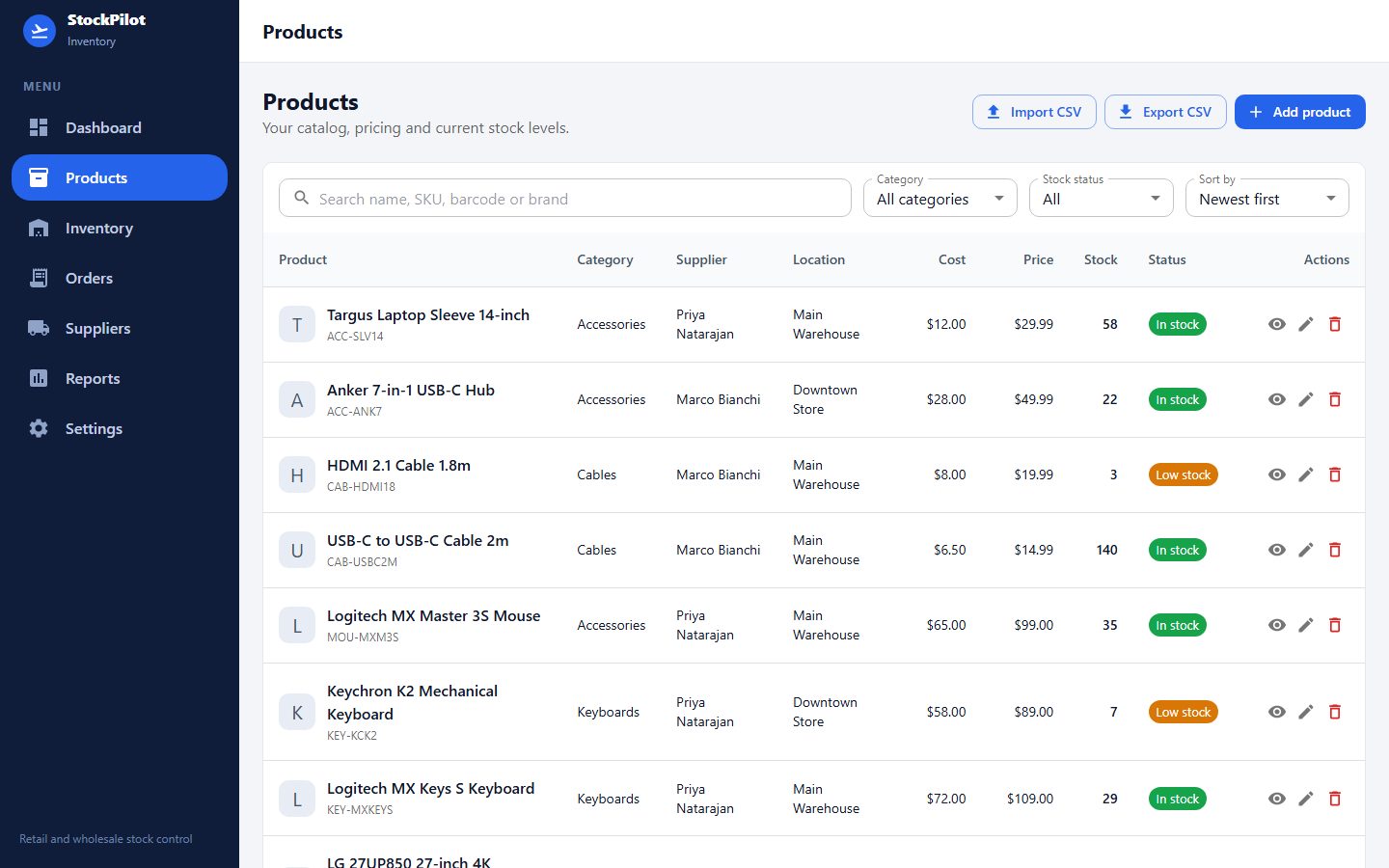
Open the AI app generator or the AI web app builder and describe the screens: enquiry and consultation log, file board by stage, document checklist and upload tracker, fee and pass-through ledger, deadline calendar, and a complaints and refund log.
Where a mobile app helps
A mobile app suits the counsellor and documentation team who need a file list by stage, a deadline view, a document-received tick, a consultation note, and a reminder from a phone at an education fair or a visa-centre queue. Build it after your web board has worked for a quarter. An applicant app is rarely worth it for a single consultancy, and a secure web portal with WhatsApp reminders usually does the job. Start from the AI mobile app builder.
Where a logo and brand mark help
A consultancy mark appears on an office sign, a brochure, an engagement letter, a receipt, a WhatsApp profile, a fair banner, and a website header, so it should read at a distance and in one colour. Pick a short, calm name that is easy to say on a phone, a simple mark that suggests guidance and trust without copying an embassy, university, or government symbol, and avoid any imagery that implies official status. Use the AI logo generator to explore marks, and test each on a signboard, a small sticker, and a phone profile before you print.

A ninety-day plan if you are starting
- 1
Days 1 to 15
Consult a lawyer on licensing, advice limits, and advertising rules, pick one or two service lines and destinations, and agree terms with a licensed partner for anything that counts as advice.
- 2
Days 16 to 45
Register the business, set up the office and a secure document system, draft engagement letters, a fee sheet, a refund policy, and consent forms, and hire and train your first counsellors.
- 3
Days 46 to 70
Build the website and process pages, write scope sheets and approved checklists, set up a CRM, sign two or three referral partners, and rehearse a scoped consultation with a mock file.
- 4
Days 71 to 90
Open for enquiries, hold your first consultations, engage your first files, review each file with a second person, and fix the three biggest gaps before you scale marketing.
A ninety-day plan if you already run a consultancy
- 1
Days 1 to 15
Measure honestly: engaged files by service, refund and complaint causes, files without a signed letter or consent, commission share of profit, and your top three bottlenecks.
- 2
Days 16 to 45
Fix one leak: unclear scope, missing consent, a late-paying stage, or a team habit of over-promising. Rewrite the scope sheets and the engagement letter.
- 3
Days 46 to 70
Move files, deadlines, and documents to one system, introduce a second-person review before submission, and tighten data access and retention.
- 4
Days 71 to 90
Lock the weekly scoreboard and plan the next two intakes. Only then consider a new service line, a new partner, or a second branch.
Common failure patterns
- Promising a guaranteed visa, admission, or outcome to win a signing
- Giving immigration advice without a licence or a licensed partner where the law requires one
- Creating, altering, or coaching false documents or answers, or ignoring an applicant’s own misrepresentation
- Starting work without a signed engagement letter, fee schedule, and consent record
- Mixing applicants’ pass-through fees with the firm’s own cash
- Hiding commissions from institutions and recommending options for the firm’s benefit
- Collecting passports and bank statements in open chats and personal phones
- Letting deadlines slip because nobody owns the calendar
- Using embassy or government names, logos, or “special channel” language in marketing
- Opening a second branch before the first runs a clean, audited file flow
When you are ready to build with Nyravi
Use this guide to decide what the consultancy needs. When the next step is a consultancy website with published fees and an enquiry form, a file, document, and deadline dashboard, a counsellor mobile app, or a brand mark for your office and brochures, open Nyravi and describe that product. Keep the brief short: who uses it, what they open first, and what they finish. Nyravi builds the software. It does not give immigration, legal, or tax advice.
If you want help writing that description, ask on Support. Start on the [home page](/), or jump to the product pages linked above. For WhatsApp chatbots, start at cognitivesys.io. The operation comes first. The build carries the system once the system is clear.
Questions
What is an immigration and visa consultancy business?+
An immigration and visa consultancy helps people organise information and documents for study, visitor, work, or settlement applications abroad, books appointments, and tracks files, within the limits of what the firm and its licensed partners are permitted to do. It earns service fees per file and sometimes lawful, disclosed commissions, and it depends on trust, accurate files, and fair refunds. It cannot guarantee a visa. This guide covers operations only, not immigration advice.
How do I start an immigration consultancy in India?+
Start by speaking with a lawyer about licensing, who may give advice for each destination, and advertising rules, then pick one or two service lines and agree terms with a licensed partner for anything that counts as advice. Register the business, set up a secure document system, draft engagement letters, fees, refunds, and consent forms, train your counsellors, and build a website with honest scope before you advertise.
Do I need a licence to run a visa consultancy?+
It depends on your services and where you operate. Some destination countries restrict immigration advice and representation to licensed lawyers, registered migration agents, or regulated consultants. India’s Emigration Act, 1983 covers recruiting for overseas employment, and some states have their own registration laws for travel or immigration professionals. Confirm every requirement with a lawyer and the relevant authority, because rules change. This guide is not legal advice.
How much does it cost to start a visa consultancy?+
A home-office start with one counsellor and a licensed partner can begin with a few lakh rupees, while a small office-based firm costs more. The worked example in this guide totals ₹16,80,000, including ₹2,50,000 of office fit-out and deposit, ₹1,80,000 of furniture and IT, ₹60,000 of registrations and legal templates, ₹1,20,000 of website and CRM, ₹2,00,000 of launch marketing, and ₹8,00,000 of working capital. Costs vary by city.
How much profit can an immigration consultancy make?+
Profit depends on engaged files per month, service fees, commission income where lawful, refunds, and fixed cost. In this guide’s example, about ₹10,50,000 of monthly revenue at an 85.8% contribution margin and ₹5,03,000 of fixed cost earns about ₹3,97,750 a month, breaks even at about ₹5.86 lakh of revenue, and earns about ₹1,96,375 if commissions disappear. Real results vary widely, and ramp-up takes months.
How should a visa consultancy charge fees and handle refunds?+
Publish fixed service fees, state what each covers, collect government and third-party fees separately at cost with receipts, and use staged payments tied to file stages. Put a clear refund policy in a signed engagement letter reviewed by a lawyer, and never promise an outcome. In this guide’s example each point of refund costs about ₹10,500 a month. Success-linked fees may be restricted in some places, so confirm before using them.
Can a consultancy guarantee a visa?+
No. Embassies, immigration departments, and institutions make the decisions, and no consultancy controls them. Advertising or promising a guaranteed visa, ‘100% success’, or a special channel is misleading, can breach consumer and immigration rules, and can harm applicants. A trustworthy firm explains process, scope, fees, and limits honestly and refers advice and refusals to licensed professionals.
How do I protect applicant data in a consultancy?+
Collect only what you need with documented consent, store passports and financial documents in a secure system with access control, avoid sharing them on personal phones or open chats, keep a retention date, and delete or return data at the end. Follow the Digital Personal Data Protection Act, 2023 and any destination rules, and confirm your practice with a lawyer.
Can a WhatsApp chatbot help a visa consultancy?+
Yes, for logistics only. A chatbot can share office hours, services, and published fees, book consultations, collect enquiries with consent, send approved general checklists, acknowledge documents received, and send appointment and deadline reminders. It must never judge eligibility, advise on a case, interpret rules, or discuss refusals, which go to a person. CognitiveSys, the parent company behind Nyravi, builds WhatsApp chatbots and shared inboxes. Start at cognitivesys.io.
Does a visa consultancy need a website, an app, or Nyravi?+
A consultancy benefits most from a simple website with services, published fees, process, licensed partners, and clear disclaimers, then from a web app once files, documents, deadlines, and fees outgrow a spreadsheet. A staff mobile app helps after the web board works. Nyravi can build the website, dashboard, staff app, or logo from a plain-language description. For WhatsApp chatbots, start at cognitivesys.io. This guide covers business operations only, not immigration, legal, or tax advice.