
Mobile recharge & bill-pay retail
Mobile recharge and bill-pay shop business: how to start, run, and improve one
A practical operator playbook for starting, running, and improving a mobile recharge, DTH, bill-payment, and accessories retail shop in India: what the business really sells, turnover-versus-income, take-rate, wallet-float, yield-per-counter-minute, accessory-margin-mix, attach-rate, and break-even formulas with hand-checked ₹ examples, shop-in-shop, accessories-led, and multi-service models, authorised-agent, SIM-KYC, and money-transfer compliance habits, a small counter team, a customer journey from the first recharge to the repeat visit, weekly scoreboards, WhatsApp chatbots for plan and bill-due questions that never collect OTPs or PINs, and when a website, wallet and stock web app, staff mobile app, or logo actually helps. Compliance and business operations only, not financial, tax, or legal advice.
 Nyravi AILearn playbookFirst-time recharge and bill-pay shop founders, owners of mobile accessory and repair shops, kirana and general-store owners adding digital payments, telecom and DTH retailers, shop-in-shop counter operators, CSC and cyber-cafe owners adding recharge and accessories, and existing shops that want a higher income per visit, a safer wallet routine, better accessory margins, and steadier income as commissions change
Who this guide is for
Read this if you want to open or run a small shop that sells mobile and DTH recharges, collects electricity, water, gas, broadband, and postpaid bills, offers basic money-transfer or cash services as an agent, sells SIM cards where authorised, and earns the rest of its margin from chargers, cables, earphones, cases, tempered glass, and other mobile accessories. It is also for a kirana or general-store owner who wants a reason for people to visit every month, a mobile repair shop owner who gets recharge questions all day, a CSC or cyber-cafe operator adding a retail counter, a young entrepreneur with a small budget and a good corner, and an owner whose shop shows lakhs of turnover each month but whose own income is thin. If your counter is busy but the money kept at month end is not what you expected, this playbook is for you.
The playbook covers the business around the transaction: turnover versus income, wallet float, commission, accessory margin, time per service, compliance, and growth. If you run a government and digital service centre, read the CSC digital center guide. If you repair phones, see mobile repair. If you sell larger electronics, the electronics retail guide fits better. If you run a general grocery shop, read kirana grocery. A recharge shop is judged on whether the recharge lands, whether the bill is paid on time, whether the cash adds up at night, and whether the customer comes back next month.
What a mobile recharge and bill-pay shop business is
A mobile recharge and bill-pay shop is a small retail business that processes prepaid and DTH recharges and utility bill payments for walk-in customers through an aggregator, distributor, or operator platform, earns a commission or a flat fee per transaction, and adds margin from accessories and related services. Revenue is the commission and retail margin, not the amount of money that passes through the wallet. Profit is limited by the commission rates you are paid, the footfall that visits for recharges, the accessory sales attached to those visits, the cost of wallet float and rework, and how the staff’s time is used.
Terms you will use every week
- GMV or turnover: the total value of recharges and bills passed through your wallet, which is not your income
- Commission or take rate: the share of the amount, or the flat fee, that you earn on a transaction
- Wallet or float: the prepaid balance you hold with the platform to process recharges and bills
- Top-up: adding money to your wallet from your bank account
- Failed or pending transaction: a payment that did not complete and awaits a refund or retry
- Attach rate: the share of visits that also buy an accessory
- Authorised retailer or agent: a shop that works under a written agreement with an operator, aggregator, or bank
- BBPS: a common bill-payment system, accessed through authorised operating units and agents
- KYC: the identity checks required before a SIM is activated or a money-transfer service is used
- Counter minute: one minute of a staff member’s time at the counter
A recharge shop is a footfall and trust business with thin margins on the digital side and healthy margins on the physical side. The skill you manage most carefully is mix: using low-fee digital services to bring people in, and accessories and add-ons to earn from them.
Quick answers: recharge and bill-pay shops in plain language
Short, direct answers to the questions people ask most
- What does a recharge shop earn from? Small commissions or flat fees on recharges and bills, agent fees on money-transfer services, SIM activation payments where authorised, and retail margin on accessories
- Is the money passing through the wallet my income? No, it is turnover, and only the commission is revenue, which is often around 1% of turnover or less
- Where does the profit really come from? Usually from accessories and add-on services, while recharges and bills bring the footfall
- Which number matters most? Contribution per visit, which combines commission and accessory margin
- Can I give cashback to win customers? Only within your platform’s rules and your margin, because a discount can erase the whole commission
- What must I never do? Ask for or enter a customer’s OTP, PIN, or password, activate a SIM on someone else’s documents, or run money-transfer services outside your agreement
- Does technology help? Yes, for wallet reconciliation, stock, reminders, and a customer list, once the counter routine is clear
Recharge shop at a glance: the worked example in this guide
Key figures, all illustrative and to be replaced with your own wallet statements and bills
- Shop: a small shop of about 150 sq ft near a market or colony with the owner and one assistant, open about 12 hours a day, 30 days
- Mobile recharge: 1,500 a month at an average ₹220, which is ₹3,30,000 of turnover at a 2.4% commission, so ₹7,920
- DTH recharge: 300 a month at ₹400, which is ₹1,20,000 of turnover at 3.0%, so ₹3,600
- Bill payments: 600 a month at ₹1,500, which is ₹9,00,000 of turnover at a flat ₹6, so ₹3,600
- Money-transfer and cash services: 500 a month at an average ₹8 fee, which is ₹4,000, and SIM activations: 30 at ₹60, which is ₹1,800
- Accessories: 400 bills a month at ₹300, which is ₹1,20,000 of sales at a 38% margin, so ₹45,600 of gross profit
- Turnover and income: about ₹20,70,000 passes through the shop, but net revenue is ₹1,40,920, which is about 6.8% of turnover
- Profit: a contribution of ₹61,195, fixed cost of ₹48,000 including a ₹22,000 owner draw, so about ₹13,195 a month, break-even near ₹1,10,535, and start-up investment of about ₹3,35,000
Treat these as a template for your own sheet, not as a promise. Commission rates are set by others and can fall without notice, and many shops earn less in their first year. The point is to see which numbers move income most: footfall, accessory attach, margin mix, and the time each service takes.
What a recharge shop really sells
A customer does not buy a recharge. A customer buys the end of an irritation: the phone working again, the TV channels back before a match, the electricity bill paid without a trip to an office. The shop that answers the anxious question first, “Will it go through and will I get a receipt?”, earns the monthly visit. The shop that only advertises low prices earns the customer who vanishes when a competitor offers a rupee more.
A shop that tries to offer every service sounds convenient and runs badly. Each extra service needs a wallet balance, a login, training, and a way for money to go missing. A shop that is known for one clear promise, such as “recharge and bill payment in under a minute with a printed receipt, and the right charger for your phone” or “the colony’s one-stop shop for DTH, bills, and accessories”, is easier to run, easier to explain, and easier to defend against an app.
How a recharge shop differs from CSCs, mobile repair, electronics retail, and kirana shops
Owners often copy the plan of a neighbouring shop and get the wrong cost structure. A recharge shop earns tiny commissions on large flows, depends on an aggregator’s terms, holds a wallet balance, and lives on repeat footfall. That changes how you price, how you stock, and how you control cash.
Where the lines fall
- CSC and digital seva center: government and document services with programme rules. See CSC digital center for service mix, counter minutes, and compliance habits
- Mobile repair: screens, batteries, and diagnosis, with parts margin. See mobile repair for how repair and accessories work together
- Electronics retail: phones, TVs, and appliances with bigger tickets. See electronics retail for margin by category
- Kirana grocery: daily essentials with thin margins, where recharge is an add-on. See kirana grocery for stock turns and credit
- Xerox and stationery: print and copy services that pair well with a counter. See xerox and stationery for consumables and job pricing
- Insurance agency: a licensed sales role with its own rules. See insurance agency before you sell any insurance product
Choose a shop model before you spend money
A recharge shop can look like many things, which is why new owners try to be all of them. Pick the model that fits your capital, location, and the people who already pass your door, and treat every other model as an add-on to test later.
Common models and what they ask of you
- Shop-in-shop counter inside a kirana, medical, or stationery store: low rent and shared footfall, with a smaller range
- Accessories-led mobile store with recharge as the traffic builder: higher margin and a larger stock
- Multi-service digital store with bills, DTH, money transfer, and print: more services and more float and compliance
- Operator-authorised retail outlet for a telecom or DTH brand: brand support and targets, with stricter KYC and reporting
- Distributor-linked sub-retailer: stock and wallet from a local distributor, with less direct support
- Kiosk or cart in a market, bus stand, or hostel area: very low cost and high turnover per square foot, with a thin range
- Mobile-accessory and repair combination: accessories and repair margin lift income per visit
Decide these before you commit money
- The aggregators, operators, and partners you will sign with, and their written terms on commission, limits, and settlement
- The two or three services that will bring people in, and the accessory range that will earn from them
- Your wallet limit, the top-up routine, and who may handle it
- Your opening hours and the counter minutes you can sell
- Which services need KYC or an agent agreement and what you must record
- Who will watch the counter and the cash when you are away
How the shop works: counter flow, wallet, and stock
A recharge shop succeeds when the transaction is fast, the receipt is clear, and the wallet never runs dry at the wrong moment. Recharges are small and frequent, so seconds matter. The wallet, the stock, and the cash must be reconciled every day.
A simple operating plan
- 1
1. Open and check
Log in, check the wallet and the cash float, test one small transaction, and straighten the display.
- 2
2. Serve fast
Confirm the number or consumer ID, the operator and amount, and the customer’s choice before you press the button.
- 3
3. Confirm and receipt
Check the success message, share or print a receipt, and note failed or pending items on a list.
- 4
4. Offer the add-on
Mention the right charger, cable, glass, or case for the visit, without pressure.
- 5
5. Top up on a rule
Top up the wallet at set times or at a set level, never from an untracked source.
- 6
6. Close and reconcile
Match wallet debits, cash, and UPI to the day’s sales, and write the variance.
- 7
7. Chase pending items
Follow up failed or pending transactions with the platform and tell the customer the status.
Start-up and monthly cost formulas
A recharge shop needs a small shop, a counter and display, a computer or tablet and printer, an opening stock of accessories, a wallet balance with the platform, and enough cash to survive the first months. Founders most often under-count two lines: the accessory stock that fills the shelf and the working capital before footfall builds.
Unit economics: take rate, margin mix, and contribution
Recharge fees look tiny and accessory margins look generous. Work out the take rate on each flow, the margin on the accessories you really sell, and the yield per minute of counter time, and run the shop from those numbers rather than from the size of the wallet.
Break-even, seasons, and profit
Because rent and salary are paid whether you serve 1,500 or 3,000 visits, the net revenue you need each month is the most important number in the shop. Put it where the team can see it, and test it against your quietest month, not your busiest.
Wallet, float, and daily reconciliation
The wallet is the engine of a recharge shop and its biggest source of silent loss. Too little balance loses customers at the peak. Too much ties up cash and raises the cost of an error. A daily reconciliation is the only way to know that every rupee that left the wallet was matched by a rupee that came in.
Compliance, KYC, and safe practice
A recharge shop touches agreements with operators and aggregators, bill-payment rules, telecom KYC rules for SIM activation, banking-agent terms for cash and transfer services, tax law, consumer law, and data protection. The framework differs by partner, state, and service. Treat this section as a checklist of things to confirm, not as instructions.
Confirm each with your written agreements, the official channels, and a qualified professional
- A written authorisation from each operator, aggregator, or bank partner for each service you offer, and no service outside it
- The commission, limits, settlement times, and refund timelines in each agreement, and any rule on cashback or extra fees
- The telecom rules on SIM sale and activation, including the current identity-verification process, and never activating a SIM with another person’s documents or a pre-activated SIM
- Banking-agent terms for cash and transfer services, including customer identity checks, limits, record-keeping, and when to refuse a transaction
- Never asking for, seeing, or entering a customer’s OTP, PIN, or password, and never sharing your own logins
- GST treatment of your commissions and sales, and any tax deducted at source on commissions, confirmed with a chartered accountant
- Shop and establishment registration or trade licence, if required by the local body
- Udyam (MSME) registration, which can help with bank credit
- Display of prices on accessories, receipts for services, and a visible complaint contact, in line with consumer-law duties
- Data-protection duties for customers’ phone numbers, consumer IDs, and bill details, including no use for marketing without permission
- Warranty and return terms for accessories, and honest claims about brands and originality
- A grievance register and a written timeline to answer every complaint
Accessory stock: turns, ageing, and range
Accessories earn the margin that pays for the shop, and they are the easiest place to waste money. Phone models change every few months, and a case for a model that nobody buys is worth nothing. Stock the fast-moving basics deeply and everything else thinly, and order the rest on demand.
A range that earns without waste
- Chargers and cables for the five most common phone brands in your area, in two quality levels
- Tempered glass, cases, and covers for the ten most popular models, and ordered on request for the rest
- A small, trusted range of earphones, speakers, and power banks with a clear warranty
- Memory cards and pen drives from a reliable supplier, to avoid fakes
- A shelf for impulse items by the counter, such as pop sockets, lanyards, and cleaning kits
- A monthly count of stock and a note of what sold and what did not
The team a recharge shop needs
A recharge shop works when each person can serve a customer in under a minute and still notice what they might need. A good counter person is quick, accurate, and honest with cash. Hire for reliability and train on the wallet routine, the KYC rules, and the habit of mentioning the right accessory without pushing.
Roles that keep the counter fast and the cash clean
- Owner: partner relations, pricing, wallet and stock, compliance, and the weekly review
- Counter assistant: recharges, bills, receipts, accessory sales, and the daily count
- Evening or weekend helper: peak-hour cover, with limited access to the wallet
- Accounts: daily collections, GST, and supplier payments, usually the owner or a part-time accountant
- Delivery helper, if you offer home bill-pay collection: a trusted person with a clear rule on cash
Pay a base plus an incentive on accessory attach and a clean daily count, not on recharge volume. An incentive on volume teaches the counter to rush, to give away commission, and to skip the receipt. An incentive on attach and a clean variance teaches the habit that lifts every visit.
Pricing, offers, and honest cashback
Recharge prices are the same everywhere, so the shop competes on speed, trust, and the small extras. A shop that competes by giving away its commission loses money on every visit. A shop that competes on service, a clear receipt, and good accessories can hold margin and still win the customer.
Pricing habits worth keeping
- Charge the amount shown by the platform for each recharge or bill, and add a fee only if your agreement allows it
- Give small, visible extras, such as a free screen cleaner with glass, in preference to a cashback on the recharge
- Price accessories by value and brand, with a clear tag, and keep one price for every customer
- Offer a bundle, such as a charger and cable together, in preference to a percentage discount
- Set a rule for the maximum discount an assistant may give, and keep a log
- Clear slow stock early, at a set stage of 90 and 180 days, rather than in a panic at year end
The customer journey from the first recharge to the repeat visit
A customer is usually in a hurry, with a small need and a small amount of patience. The journey from the first recharge to the next month’s visit is where a shop turns a one-off transaction into a household that comes every month.
A standard journey
- 1
1. Greet and serve
Welcome the customer, confirm the number or consumer ID, and complete the transaction quickly.
- 2
2. Confirm and receipt
Show the success message, share a receipt, and note the due date for the next recharge or bill.
- 3
3. Notice the need
Look at the phone and ask one simple question, such as whether the charger works well or the screen has a guard.
- 4
4. Offer and demonstrate
Show one suitable accessory, explain the warranty in plain words, and let the customer decide.
- 5
5. Bill clearly
State the price, give a receipt, and take payment by UPI, card, or cash.
- 6
6. Record and remind
With permission, note the number and the next recharge or bill date for a reminder.
- 7
7. Handle problems
Follow up failed or pending items and tell the customer the status before they ask.
- 8
8. Welcome back
Greet the repeat customer by name, remind them of the next due date, and ask for a review if they are happy.
A simple weekly rhythm
Run the shop on a short scoreboard
- Daily open: wallet balance, cash float, device and internet checks, and the display
- Daily close: transactions by service, wallet reconciliation, cash and UPI totals, failed and pending items, and accessory sales
- Weekly: turnover and net revenue by service, take rate, and contribution per visit
- Weekly: accessory sales, attach rate, and the five fastest and slowest items
- Weekly: wallet balance at the peak hour, top-ups, and the variance log
- Weekly: failed and pending transactions older than two days, with the platform’s reply
- Monthly: commission statements checked against your records, stock ageing, compliance checklist, and a look at the next festive season
Money: the numbers that decide survival
Watch these every week and every month
- Net revenue and contribution against the monthly break-even of about ₹1,10,535
- Take rate by service and any change in commission rates
- Contribution per visit, attach rate, and accessory margin
- Wallet balance, turns, and daily variance
- Stock at cost, days of cover, and the share older than 90 days
- Failed and pending transactions and the days they stay open
- Cash in hand against three months of fixed cost, because a quiet month and a commission cut can arrive together
ROI formulas you can use this month
Marketing a recharge and bill-pay shop in India
People look for a recharge shop when the phone is about to stop working or a due date is near. Marketing for a recharge shop is mostly about being the shop people already know, with a clear board, a quick service, and a reason to come back every month.
What moves footfall
- A clear shop board that lists recharge, DTH, bill payment, and accessories, with the opening hours
- A complete Google Business Profile with photos, hours, a phone number, and a WhatsApp number that is answered
- A simple monthly reminder, sent only to opted-in customers, for recharge and bill due dates
- Tie-ups with hostels, PGs, and housing societies for group bill collection and reminders
- A small gift or offer on an accessory with a first visit, instead of a cashback that eats the commission
- A neat accessory display at the counter, with the price tag visible
- Honest comparison with apps on the things an app cannot do: cash, help, and a face you know
Reviews, relationships, and reputation
A shop is judged by the people who walk in every month and the neighbours they speak to. A review is usually triggered by a failed transaction, a refund that took too long, or a charger that stopped working.
A routine that works
- Ask a happy customer for a Google review after an accessory purchase, with a direct link on WhatsApp, never as a condition of service
- Reply to every public review within 48 hours, thank the good ones, and offer a call to fix the bad ones
- Tag every complaint by cause: failed transaction, refund delay, accessory fault, behaviour, or price
- Fix the cause with the biggest count first, and tell the team what changed
- Keep a complaint register and tell the customer the status of every failed or pending item
- Never argue publicly and never post a customer’s number or bill details without permission
Channels that bring visits
Rank them by contribution per visit and by repeatability, not by volume alone
- Walk-in and word of mouth: the main source, driven by location, speed, and trust
- Repeat monthly customers: the cheapest visits you will ever get, driven by a reminder and a good experience
- Hostels, PGs, and housing societies: group visits and bill collection
- Nearby shops and clinics: referrals for recharge and accessories
- Google Maps and search: customers who want a trusted shop near them
- WhatsApp contacts and status: reminders and offers for opted-in customers
- Operator and DTH brand programmes: footfall and targets, with their own rules
Log the source of every new customer for a quarter. You will see which channel gives people who return and which gives one visit.
Automation that frees the owner
Automate these first
- A daily reconciliation sheet that matches wallet debits, top-ups, cash, and UPI to the day’s sales and flags any variance
- A low-wallet alert at the level that covers the peak hour
- A failed and pending transaction list with a follow-up date and the platform’s reply
- A stock sheet with size, model, and ageing, and a reorder alert for the fast sellers
- A customer list with the next recharge or bill due date, for opted-in customers only
- A thank-you message and review request after an accessory purchase
- A weekly owner digest with turnover, net revenue, take rate, contribution per visit, attach rate, variance, and stock ageing
Where a WhatsApp chatbot helps
Customers message while the phone is at 1% or a bill is due tomorrow: “Do you have a charger for this phone?”, “What time do you open?”, “Can you pay my electricity bill?”, “My recharge failed.” If those messages wait until the shop is open, the customer has already used an app or another shop.
What a business WhatsApp chatbot is good for
- Answering opening hours, location, and accessory availability and price questions from a list you approve
- Sharing photos of in-stock chargers, cases, glass, and earphones and holding an item for a stated time
- Sending recharge and bill-due reminders to opted-in customers
- Recording a failed or pending transaction complaint with the date, amount, and a screenshot, then alerting a person
- Taking a request for a case or glass for a specific model and alerting a person when it arrives
- Asking for feedback after a purchase and routing a complaint to the owner
- Handing the whole thread to a person for refunds, disputes, KYC questions, money-transfer questions, and anything about a regulated service
Why recharge shops use it
- Customers already live on WhatsApp and prefer a photo of the accessory to a call
- One shared inbox instead of the owner’s personal number
- Written complaint details speed up a refund request with the platform
- Faster first replies, which is where most visits are won
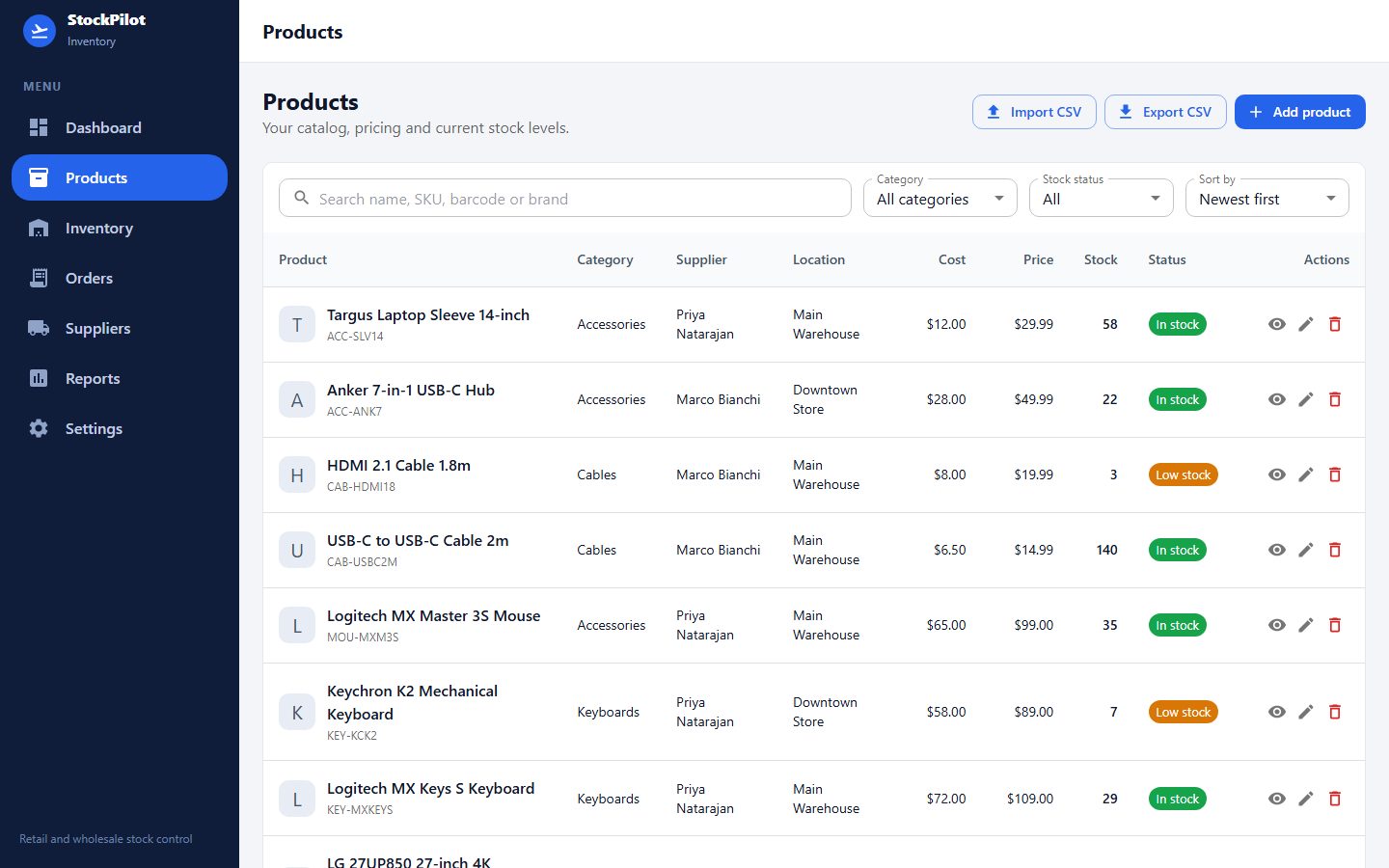
Use WhatsApp for conversation, your website for the services and accessories, and a web app when the wallet, stock, and customer reminders need to live in one place.
Growing a recharge and bill-pay shop
Growth is not only more services. It is a higher attach rate, a better accessory mix, a base of monthly regulars, and a stronger cushion against commission cuts. Add a service or a second counter only after the first runs smoothly and the daily count is clean.
Ways to grow responsibly
- Raise attach rate and margin mix before adding services, because both lift income without new rent
- Build a reminder base of opted-in regulars for recharge and bill dates
- Add accessories and small services that earn per minute, such as glass fitting and data transfer
- Sign group arrangements with hostels, PGs, and societies for bill collection
- Add authorised services one at a time, after the agreement and the training are in place
- Add a print or form desk only with the right authorisation, and see the CSC guide for compliance habits
- Open another counter only after six months of stable income, a clean daily variance, and an assistant who can run the counter for two weeks alone
Where a website helps
Customers search “mobile recharge shop near me”, “electricity bill payment near me”, “mobile accessories shop in my area”, or “DTH recharge near me” before they leave home. Your website should show the services you offer, the accessories and brands you stock with price ranges, the opening hours and map, how failed transactions are handled, reviews, and a WhatsApp button, in that order. A site that shows only a logo and a phone number loses to the shop that answers the first three questions on one page. Add clear headings and structured data for a local business so search engines and AI assistants can quote your services, hours, and contact details correctly.

Start from the AI website builder or build a website with AI and describe your services, accessories, hours, complaint process, and the three questions you want a customer to answer on the page.
Where a web app helps
A web app helps when the wallet, daily reconciliation, stock, failed transactions, and reminders outgrow a notebook and a spreadsheet, and when more than one person at the counter makes one person’s memory unreliable. A signed-in board that shows wallet balance against the peak need, daily variance, stock ageing, pending transactions, and reminders due gives the owner and the assistant the same answer. Store as little personal data as possible and protect what you keep.
Open the AI app generator or the AI web app builder and describe the screens: daily reconciliation, low-wallet alert, pending-transaction tracker, stock and ageing, and customer reminders for opted-in contacts.
Where a mobile app helps
A mobile app suits the owner and the assistant who need a quick stock check by scanning a barcode, a daily count entered at close, a pending-transaction note with a screenshot, and a view of the day’s totals, all from a phone behind the counter. Build it after your spreadsheet has worked for three months. A consumer recharge app is rarely worth building when strong ones already exist. Start from the AI mobile app builder.
Where a logo and brand mark help
A shop’s mark appears on a signboard, a receipt, a carry bag, a price tag, a WhatsApp profile, and a Google listing, so it should read from across the road and in one colour. Pick a short name that is easy to say and remember, a simple mark that suggests a phone, a signal, or a bill without copying an operator or a platform, and use no operator or bank logo that you are not permitted to use. Use the AI logo generator to explore marks, and test each on a board, a bag, and a small circle before you print.

A ninety-day plan if you are starting
- 1
Days 1 to 15
Count footfall outside two busy shops, choose your model, shortlist two or three partners and read their written terms, and cost rent, stock, and wallet.
- 2
Days 16 to 45
Secure the shop or counter, sign the agreements, register for GST and local licences, set up the wallet routine and the daily reconciliation, and buy your first accessory range.
- 3
Days 46 to 70
Train the assistant on speed, receipts, KYC, and refusals, fill the Google profile, build a small opted-in customer list, and begin local outreach.
- 4
Days 71 to 90
Open, review footfall, attach rate, and variance every week, fix the three biggest gaps, and plan the festive stock before the season starts.
A ninety-day plan if you already operate
- 1
Days 1 to 15
Measure honestly: footfall, net revenue by service, take rate, attach rate, wallet variance, pending items, stock ageing, and commission dependence.
- 2
Days 16 to 45
Fix one leak: start the daily reconciliation, cap discounts with a log, or rebuild the accessory display by the counter.
- 3
Days 46 to 70
Rebuild the accessory range around the margin mix, clear slow stock, launch opted-in reminders, and start two hostel or society relationships.
- 4
Days 71 to 90
Lock the weekly scoreboard and the compliance checklist, and plan the next two seasons. Only then consider a new service or a second counter.
Common failure patterns
- Treating the money that passes through the wallet as income, and spending it
- Giving away the commission as cashback to win customers, until every visit loses money
- Running out of wallet balance at the peak hour, and sending customers to an app
- Having no daily reconciliation, so that small variances grow unnoticed
- Activating a SIM on another person’s documents, or running a service outside the agreement
- Asking for or entering a customer’s OTP or PIN
- Stocking cases for models nobody buys, and holding dead stock for a year
- Mixing the shop wallet with a personal account
- Ignoring failed and pending transactions until the customer posts a complaint
- Opening a second counter before the first can run without the owner
When you are ready to build with Nyravi
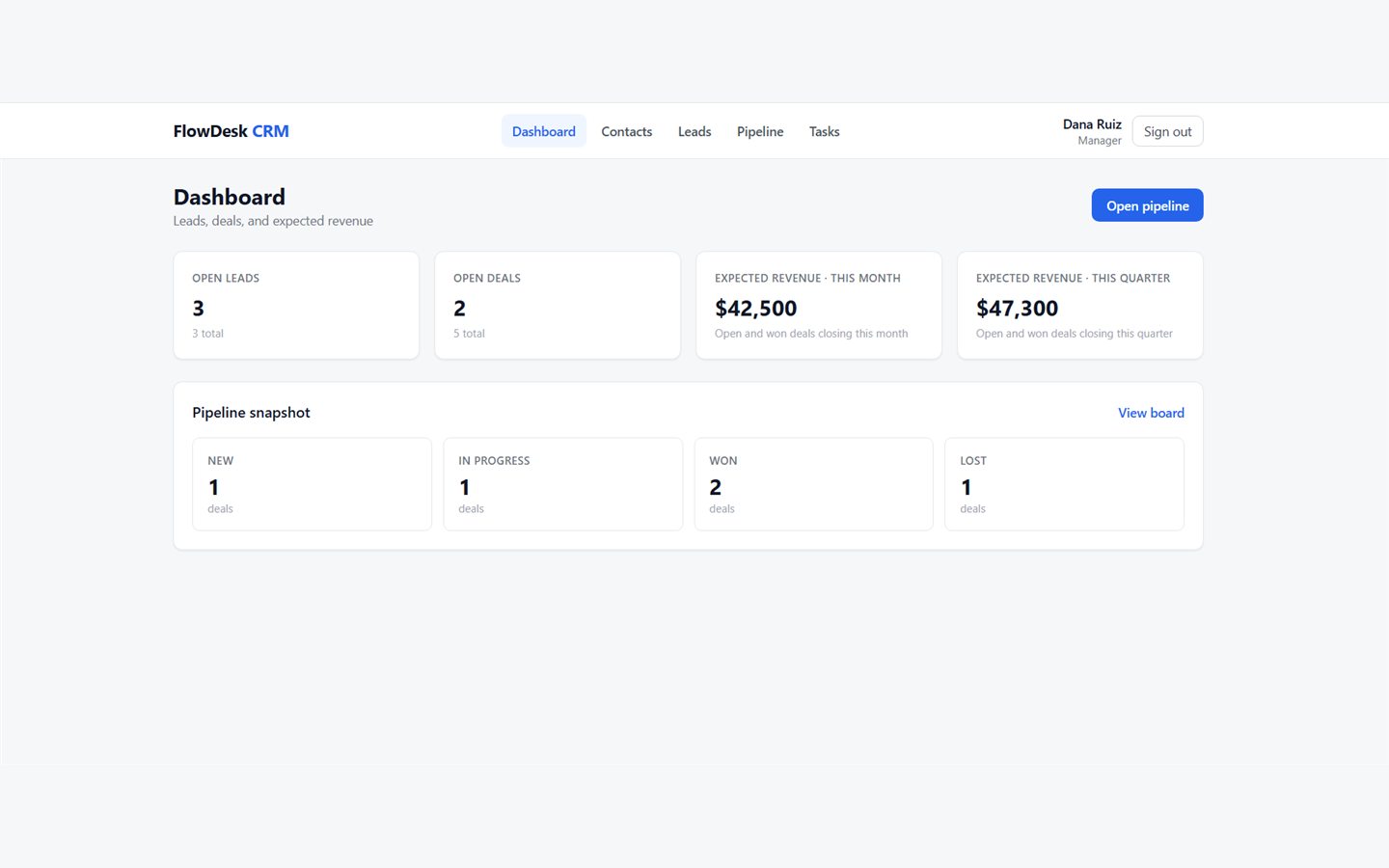
Use this guide to decide what the shop needs. When the next step is a shop website with services and an accessory catalogue, a wallet and stock dashboard, a staff app for counts and stock checks, or a brand mark for your signboard and bags, open Nyravi and describe that product. Keep the brief short: who uses it, what they open first, and what they finish.
If you want help writing that description, ask on Support. Start on the [home page](/), or jump to the product pages linked above. For WhatsApp chatbots, start at cognitivesys.io. The operation comes first. The build carries the system once the system is clear.
Questions
What is a mobile recharge and bill-pay shop business?+
A mobile recharge and bill-pay shop is a small retail business that processes prepaid and DTH recharges and utility bill payments for customers through an aggregator or operator platform, earns a commission or flat fee per transaction, and adds margin from accessories and related services. Only the commission and retail margin are revenue, not the amount that passes through the wallet.
How do I start a recharge and bill payment shop in India?+
Count footfall outside two busy shops, choose a model such as a shop-in-shop counter or an accessories-led store, and read the written terms of two or three partners before signing. Then secure a small shop, register for GST and any local licence, set up a wallet routine and daily reconciliation, buy a first accessory range, train an assistant on KYC and refusals, and build a Google profile and an opted-in customer list.
How much does it cost to start a recharge shop?+
A shop-in-shop or kiosk can start with about ₹1.5 lakh to ₹2 lakh, while a small shop like the worked example in this guide needs about ₹3,35,000, including a ₹30,000 deposit, ₹80,000 of accessory stock, a ₹60,000 opening wallet, and ₹40,000 of working capital. Wallet minimums and onboarding fees are set by partners, so confirm them before you pay.
How much commission does a recharge shop earn?+
Commission rates are set by operators and aggregators, change often, and are usually a small share of the amount. In this guide’s illustrative example, mobile recharges earn 2.4%, DTH 3.0%, and bill payments a flat ₹6, which gives a blended take rate of about 1.07% on ₹19,50,000 of turnover, so commissions are ₹20,920 a month. Check your own agreement for current rates.
How much profit can a recharge and accessories shop make?+
Profit depends on footfall, accessory attach rate, margin mix, and commission rates, not on turnover. In this guide’s example, ₹1,40,920 of net revenue, a ₹61,195 contribution, and ₹48,000 of fixed cost give about ₹13,195 a month after a ₹22,000 owner draw, with break-even near ₹1,10,535 and a payback of about 31 months once the ramp is counted. Accessories earn more than recharges.
Is the money passing through my recharge wallet my income?+
No, the money passing through the wallet is turnover, and only the commission, fee, or retail margin you earn is revenue. In this guide’s example, about ₹20,70,000 passes through the shop, but net revenue is ₹1,40,920, which is about 6.8% of turnover, so judge the shop by net revenue and contribution per visit.
What licences and rules apply to a recharge and bill-pay shop?+
You will need written authorisation from each operator, aggregator, or bank partner for the services you offer, GST registration, and usually a shop and establishment registration or trade licence. SIM activation and money-transfer services have identity-verification and record-keeping rules, and you must never ask for or enter a customer’s OTP or PIN. This is not legal or financial advice, so confirm each rule with your agreements and a qualified adviser.
How can I increase income in a mobile recharge shop?+
Raise the accessory attach rate, shift sales to higher-margin glass and cases, send recharge and bill reminders to opted-in customers, and stop giving away commission as cashback. In this guide’s example, lifting attach from 16.7% to 20% adds about ₹9,120 a month, and moving 5% of accessory sales to a 55% margin category adds about ₹1,800.
Can a WhatsApp chatbot help a recharge shop?+
Yes, a WhatsApp chatbot can answer opening hours and accessory price questions, share photos of in-stock items, send recharge and bill-due reminders to opted-in customers, and record failed-transaction complaints for a person, while handing refunds, disputes, KYC, and regulated-service questions to a person. It must never ask for OTPs, PINs, or card numbers. CognitiveSys, the parent company behind Nyravi, builds WhatsApp chatbots and shared inboxes. Start at cognitivesys.io.
Does a recharge shop need a website, an app, or Nyravi?+
A recharge shop benefits most from a simple website with services, accessories, hours, a complaint process, and a WhatsApp button, then from a web app once wallet reconciliation, stock, and pending transactions outgrow a spreadsheet. A staff mobile app helps after the spreadsheet works. Nyravi can build the website, dashboard, staff app, or logo from a plain-language description. For WhatsApp chatbots, start at cognitivesys.io. This guide covers compliance and business operations only, not legal, tax, or financial advice.