
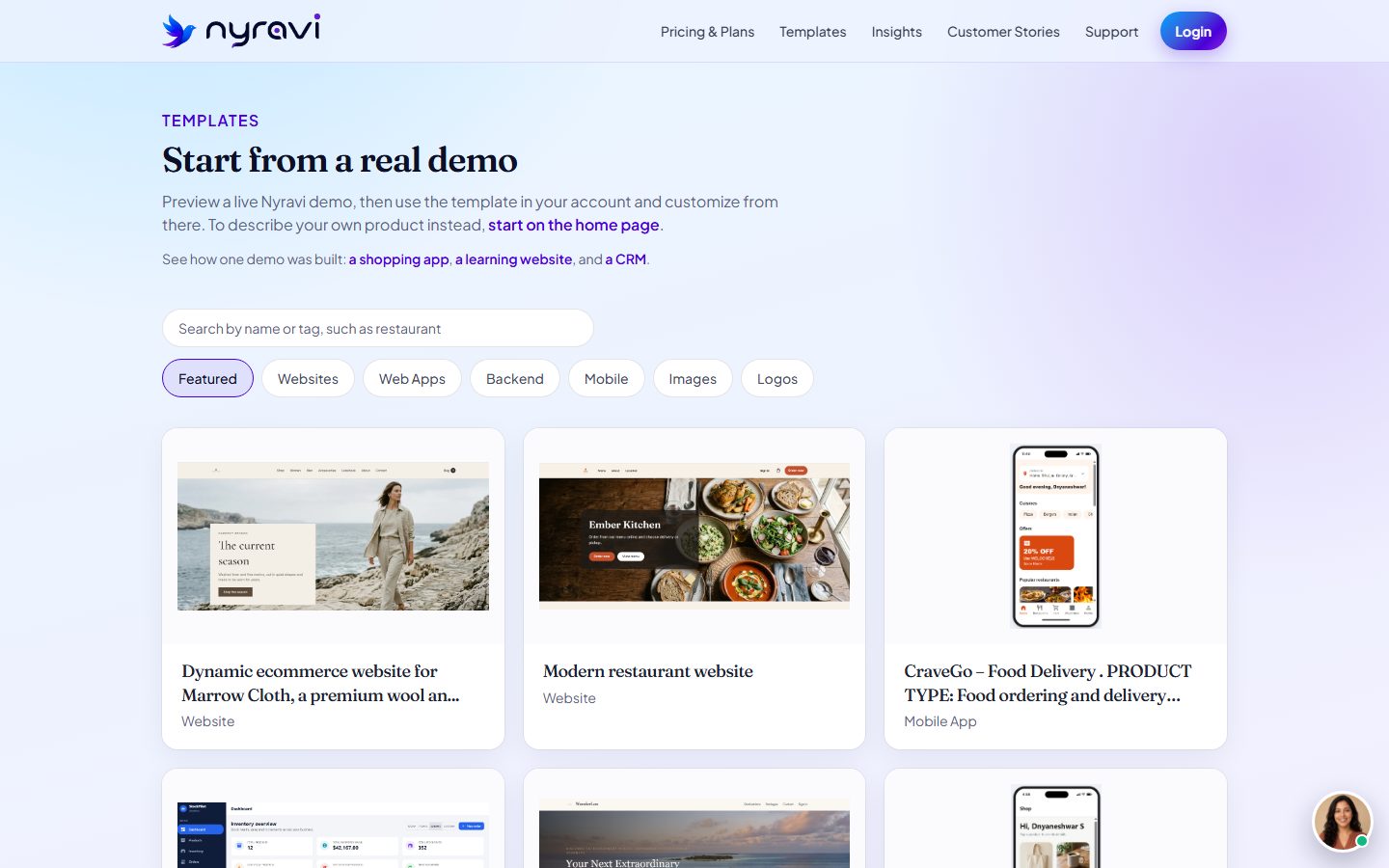
Outdoor advertising & hoardings
Outdoor advertising business: how to start, run, and improve one
A practical operator playbook for starting, running, and improving an outdoor advertising and hoarding agency in India: what the business really sells, card-rate, occupancy, discount, site-yield, rate-floor, CPM, readability, break-even, and digital-screen payback formulas with hand-checked ₹ examples, owned-site versus asset-light models, site permissions, structural-safety and content rules, a small sales and fitting team, a client journey from the first availability query to the proof-of-display photo and renewal, weekly scoreboards, WhatsApp chatbots for availability and renewal questions, and when a website, inventory web app, field mobile app, or logo actually helps. Business operations only, not legal, tax, structural-engineering, or civic-regulation advice.
 Nyravi AILearn playbookFirst-time hoarding and outdoor advertising founders, sign and flex printers expanding into media ownership, media sellers and agency executives planning their own sites, landowners and shop owners with rooftop or frontage space, digital-screen entrepreneurs, and existing media owners that want higher occupancy, better rates, safer structures, and steadier cash flow
Who this guide is for
Read this if you want to open or run a business that owns, leases, or sells outdoor advertising space: unipoles, roadside hoardings, rooftop boards, gantries, bus-shelter panels, wall paintings, pole kiosks, transit branding, and LED screens, sold to local shops, brands, real-estate developers, political campaigns, and media agencies. It is also for a flex printer who wants to own sites rather than only print for others, an agency executive who knows the buyers and wants to build an inventory, a landowner with a good frontage who wants to know what it could earn, an entrepreneur planning a digital screen at a junction, and an owner whose sites are empty in July and over-promised in October. If your sites exist but your occupancy, rates, collections, or compliance are not where they should be, this playbook is for you.
The playbook covers the business around the board: site selection, rates, occupancy, contracts, safety, and growth. If you mainly print flex and vinyl, read the printing guide. If you plan campaigns for clients across channels, see digital marketing agency. If you plan events with branding and stages, the event management guide fits better. If you own buildings and let them out, read property management. An outdoor advertising business is judged on whether the board is seen, safe, lit, and sold, and on whether the permit and the structure will stand an inspection.
What an outdoor advertising business is
An outdoor advertising business is a media business that secures sites, builds or leases advertising structures, obtains the required permissions, and rents the space to advertisers for fixed periods, usually monthly, while handling printing, mounting, lighting, maintenance, and proof of display. Revenue comes from site rentals at an achieved rate, plus production work, and profit is capped by how many sites are let (occupancy), the rate achieved against the card rate, the cost of land, fees, and upkeep, and how safely the structures are kept.
Terms you will use every week
- Site or face: one advertising surface that can be let to one advertiser at a time
- Card rate: the published monthly rate for a site before discount
- Occupancy: the share of site-months that are let, by count or by card value
- Rate realisation: the achieved rent divided by the card rate, after discounts
- Unipole, hoarding, gantry, and wall: common structure types, from a single high pole to a flat board on a building
- Lit and unlit: whether the board is illuminated for night visibility
- OTS or impressions: the estimated number of people who have an opportunity to see a site, which is an estimate and not a guarantee
- CPM: cost per thousand impressions, a way advertisers compare media
- Production: printing, mounting, and removing the creative, often charged by square foot
- Proof of display: dated and geotagged photographs of the live board sent to the client
Outdoor advertising is an asset and permission business. A structure that stands, is permitted, is visible, and is let at a fair rate earns steadily for years. The business you manage most carefully is not the sales call, it is the file of permits, certificates, and agreements behind every site.
Outdoor advertising at a glance: the worked example in this guide
Key figures, all illustrative and to be replaced with your own contracts and books
- Portfolio: 20 owned or leased sites in one mid-sized city: 4 large unipoles of 800 sq ft, 8 standard hoardings of 400 sq ft, and 8 small sites of 200 sq ft, 8,000 sq ft in all
- Card rates: about ₹100 per sq ft per month, so ₹80,000, ₹40,000, and ₹20,000 per site, and ₹8,00,000 a month if every site were let at card
- Revenue: 75% occupancy and a 10% average discount give ₹5,40,000 of media rent, plus ₹72,000 of production billing with a ₹18,000 margin, so ₹6,12,000 of monthly revenue
- Variable cost: agency commission, bad-debt allowance, and production cost of ₹91,800, so a contribution of ₹5,20,200, or 85%
- Fixed cost: about ₹4,33,667 a month including ₹1,81,000 of site costs, ₹1,16,000 of staff, a ₹50,000 owner draw, and a ₹26,667 structure reserve
- Break-even: about 62% occupancy, against 75% achieved
- Profit: about ₹86,533 a month after the structure reserve, which is ₹1,13,200 in cash, with about ₹1,73,581 in October and about break-even in July
- Start-up investment: about ₹66,10,000 including ₹48,00,000 of structures, with a payback of about 58 months on cash profit after the owner’s draw
Treat these as a template for your own sheet, not as a promise. City, site quality, land cost, and permission rules change everything. The point is to see which numbers move profit most: occupancy, rate realisation, site cost, and how long a site stays empty.
What an outdoor advertising business really sells
An advertiser does not buy a board. An advertiser buys a chance that many of the right people will see a message near the place where they decide, on a road they use daily, for a month, at a cost that makes sense against other media. The business that answers the anxious question first, “Who passes here, and will my message be seen and stay up?”, wins the booking. The business that only quotes a price per board wins the bargain hunter.
A portfolio of scattered, poorly visible sites feels big and sells badly. Each weak site still carries land rent, fees, and upkeep. A portfolio known for one clear promise, such as “every major junction on the airport road”, “the best school-zone and residential frontage in the old city”, or “the only LED screens at the three busiest signals”, is easier to sell, easier to rate, and easier to defend against a new competitor.
How outdoor advertising differs from printing, agency, event, and property businesses
Owners often copy the model of a flex printer or a marketing agency and get the wrong economics. Outdoor media is a capital-and-permission business with long asset life, a fixed number of faces, and a seasonal booking calendar. That changes what you buy, how you price, and what you protect.
Where the lines fall
- Printing business: sells printed output per square foot with fast turnaround. See printing, which is also your production partner
- Screen printing: produces smaller formats and branding items. See screen printing for the craft side
- Digital marketing agency: plans and buys media across channels for clients, and is a major buyer of outdoor space. See digital marketing agency for the agency view
- Event management: needs temporary branding, gates, and stages. See event management for how that demand is planned
- Property management: lets buildings and spaces on lease. See property management for lease and landlord relationships
- Realtor: sells property and is a heavy seasonal buyer of hoardings. See realtor for launch campaign timing
Choose a business model and a corridor before you build a structure
An outdoor business can look like many things, which is why new owners try to be all of them. Pick the model that fits your capital, your permissions, and the corridors you understand, and treat every other model as an add-on to test later.
Common models and what they ask of you
- Owned structures on leased land or rooftops: the highest control and long-term return, but the highest capital, permission, and safety duty
- Municipal or authority contracts, such as bus shelters and street furniture: large inventory and visibility, but bidding, fees, and maintenance duties
- Asset-light aggregator: sells other owners’ sites for a margin, with little capital but credit risk and thin margins
- Small-format and wall advertising: low capital and quick starts, with lower rates and heavier maintenance
- Digital LED screens: higher capital, many advertisers per screen, and strong rates at busy junctions, with power and content-management needs
- Transit and mobile media: buses, autos, and vans, with route and fleet partnerships and quick production turnarounds
- Print-plus-media: a flex printer that owns a few sites to fill its own production capacity
Decide these before you commit money
- The corridors and neighbourhoods you will own, and the traffic or footfall evidence for each
- Whether the city currently permits new structures, and which fees and rules apply
- How much you can invest in structures and how you will fund the empty months
- Who the landowner is for each site, and for how many years you can secure it in writing
- Who builds, certifies, inspects, and insures each structure
- The advertisers you will sell to first, and the share of sales you expect from agencies
How the business works: from site to proof of display
An outdoor business succeeds when a site is secured, permitted, built safely, listed with honest information, sold on time, and mounted cleanly with proof. Each site has a file, and each file has a calendar of expiries.
A simple site and booking lifecycle
- 1
1. Identify and survey
Choose a site, count traffic, check sight lines, note the competition, and photograph from the approach side at the driver’s eye level.
- 2
2. Secure the land
Sign a written agreement with the owner covering term, rent, access, structural load, removal, and what happens if a permit is refused.
- 3
3. Permit and certify
Apply for the advertisement permission, pay fees, and obtain a structural stability certificate from a licensed engineer.
- 4
4. Build and light
Fabricate to the engineer’s design, install lighting and earthing safely, and commission with a written handover.
- 5
5. List and price
Add the site to the inventory card with size, photos, traffic note, availability calendar, and the card rate.
- 6
6. Sell and book
Quote, hold the dates, confirm with a signed booking and an advance, and set artwork and mounting deadlines.
- 7
7. Mount and prove
Print, mount, check illumination, and send dated, geotagged photos on the display day and mid-campaign.
- 8
8. Maintain, remove, renew
Fix faults within agreed days, remove the creative on time, inspect the structure, and offer the renewal before the campaign ends.
Start-up and monthly cost formulas
An outdoor business needs structures, land deposits, permissions, a fitting crew, and enough cash to carry the months before sites are let. Founders most often under-count two lines: the cost of permissions and certificates, and the empty months in the first year.
Unit economics: card rate, occupancy, and discount
The card rate looks generous on the rate sheet and shrinks in the books. Work out the occupancy you really achieve, the discount you really give, and the commission you really pay, and run the business from those numbers rather than from the card.
Rate floor and yield per site
Every site needs a rate below which it should not be let, and every site should be judged on what it earns after its own costs. A rate floor stops a salesperson from selling a good site cheaply, and a yield figure shows which sites to keep, upgrade, or drop.
Break-even, seasonality, and profit
Because land rent, staff, and reserves are paid whether the board is let or empty, the occupancy you need is the most important number in the business. Put it where the whole team can see it, and test it against your leanest months, not your average.
The advertiser’s view: CPM, readability, and creative
Buyers compare outdoor with newspapers, radio, and digital. They want evidence that a board is seen and that the creative can be read in seconds. Help them with honest numbers and good advice, and they will return with larger budgets.
Creative advice that protects renewals
- Keep the message short, with the brand and the offer readable from the approach
- Use strong contrast and avoid thin fonts, long web addresses, and crowded photographs
- Give a phone number or QR code only if the board is slow-viewing, such as at a signal
- Check how the creative looks at night and in glare on lit boards
- Confirm the content meets the advertising code and any local rule on restricted products
Digital screens and the asset-light model
Digital screens and asset-light selling are the two ways many owners expand. Digital shares one face among many advertisers but costs far more to install. Asset-light selling needs little capital but carries credit risk. Test the numbers before you buy a screen or sign a resale agreement.
Permissions, structural safety, and content rules
An outdoor business touches civic law, building and structural safety, electrical safety, road and highway rules, advertising-content rules, tax law, and landowner agreements. The framework differs by city, state, and road authority, and several cities have tightened or paused new hoarding permissions. Treat this section as a checklist of things to confirm, not as instructions.
Confirm each with a qualified professional and the authority
- Advertisement permission or licence for each site from the local body, and its term, fee, size limits, and renewal process
- A structural stability certificate from a licensed engineer, wind-load design for the local zone, and the schedule of periodic inspections and re-certification
- Foundation, steel quality, welding, and anchoring records kept on file for every structure
- Electrical safety for lit boards, including earthing, waterproof wiring, and a licensed electrician’s sign-off
- Written landowner, society, or building-owner consent, including structural load and removal terms, and any required no-objection certificates
- Rules for sites near highways, railways, metro, airports, schools, hospitals, junctions, heritage areas, and water bodies, and any minimum distance or height limit
- Content rules from the advertising standards code and other laws, including limits on tobacco, alcohol and surrogate advertising, misleading claims, and indecent images
- Political and election advertising rules during campaign periods, including approvals and display of the printer’s and publisher’s details
- Display of the owner’s name and permit number on the structure where the local body requires it
- GST on rentals and production, civic advertisement tax, trade licence, and Udyam registration, confirmed with a chartered accountant
- Third-party liability and structure insurance, and a plan for storms, including taking down flex ahead of severe weather
The team an outdoor advertising business needs
An outdoor business works when sales, fitting, and compliance all talk to each other. A salesperson who sells a site that is not yet permitted, or a crew that mounts on a damaged frame, costs more than any discount. Hire for reliability and safe work at height, and train everyone on the site file.
Roles that keep the boards let and safe
- Owner: site strategy, rates, permissions, key clients, and the weekly review
- Sales executive: availability, quotes, bookings, agency relations, and renewals
- Operations supervisor: mounting schedule, inspections, lighting, repairs, and proof photos
- Fitters and crew: mounting, removing, and repairing, with harnesses, training, and insurance
- Designer and admin: artwork checks, production orders, and booking files
- Compliance coordinator: permits, certificates, fee dates, and landowner agreements, often the owner or an outside consultant at first
- Accounts: invoices, collections, civic fees, GST, and payroll, often part-time
Pay the sales executive a base plus an incentive on collected rent, not on booked rent. An incentive on bookings teaches the team to offer deep discounts and chase clients who pay late. An incentive on collections and on rate realisation teaches the habit that protects cash.
Pricing, contracts, and campaign terms
Most advertisers compare several sites, and many buy through agencies that expect commission and credit. A business that fights on price alone empties its calendar of good clients. A business that sells verified sites, a calendar, fast mounting, and proof can hold rates and still fill its faces.
Pricing and contract habits worth keeping
- Publish a card rate per site and a clear discount ladder tied to term and advance payment
- Take an advance, often 50% or more, on booking, and the balance before or soon after display
- Put the display start and end dates, creative deadline, and mounting responsibility in writing
- State what happens if the site is lost to a permission change or structural order, such as a pro-rata refund and a substitute site
- Define faults and make-good rules, such as light failure or torn flex, and the repair time
- Set the creative approval process and your right to refuse content that breaks a rule
- Hold dates for a short, fixed time, and release them automatically when the hold expires
- Review card rates each year against land rent, fees, and traffic, and raise them for new bookings first
The client journey from the first availability query to the renewal
An advertiser is usually on a campaign date, comparing sites, and unsure of the numbers. The journey from the first question to the renewal is where a media owner turns a one-month booking into a standing client.
A standard journey
- 1
1. Answer the availability question
Reply the same hour with free sites, photos, sizes, lit or unlit, and the dates that are open.
- 2
2. Share the evidence
Send a map pin, a traffic note, and a photograph taken from the approach side, and be honest about weaknesses.
- 3
3. Quote and hold
Send a written quote with rent, production, taxes, and the hold period, and ask for the creative size.
- 4
4. Confirm and collect
Get a signed booking and the advance, and send the artwork specification and deadline.
- 5
5. Check the artwork
Review the creative for readability and compliance, and request changes before printing.
- 6
6. Mount and prove
Mount on the agreed day, check lighting at night, and send dated and geotagged photos.
- 7
7. Inspect during the campaign
Send a mid-campaign photograph, fix any fault fast, and remove the creative on the end date.
- 8
8. Review and renew
Share a short wrap-up with photos and ask for the renewal or the next site before the dates are released.
A simple weekly rhythm
Run the business on a short scoreboard
- Daily: a drive-by or photo check of lit sites at night, and any fault or storm damage logged
- Weekly: occupancy by count and by card value, and sites empty for more than 30 days
- Weekly: enquiries, quotes, bookings, and the average discount against the rate floor
- Weekly: mountings due, artworks pending, and proof photos sent
- Weekly: advances and balances due, invoices overdue, and cash in hand
- Monthly: achieved rent per sq ft, rate realisation, site costs, and a permit and certificate expiry check for the next 90 days
- Monthly: inspection of structures, lighting, and flex condition, and a ranking of sites by yield
Money: the numbers that decide survival
Watch these every week and every month
- Occupancy, achieved rent per sq ft, and the break-even occupancy of about 62%
- Average discount and the share of bookings below the rate floor
- Site costs as a share of media rent, and land agreements due for renewal
- Advances collected, balances due, and invoices older than 45 days
- Cash in hand against three months of land rent, fees, and payroll, because July arrives every year
- Structure reserve actually set aside against repainting, repairs, and re-certification
- Share of rent from the largest advertiser or agency, which should stay below about a quarter
ROI formulas you can use this month
Marketing an outdoor advertising business in India
Advertisers search for outdoor space when a launch, an offer, or a festival is a few weeks away. Marketing for a media owner is mostly about being the business that answers “which sites are free on these dates, what do they cost, and how many people pass?” with photos, a map, and an honest number.
What moves bookings
- An online inventory with a photo, size, lit or unlit, location pin, and availability calendar for every site
- A traffic note and a day and night photograph for each site, with the method stated
- A simple media kit and rate card for agencies, with commission and credit terms in writing
- Relationships with local agencies, real-estate developers, schools, retailers, and event planners who buy repeatedly
- Seasonal offers planned ahead for festivals, admission season, wedding season, and sales campaigns
- A complete Google Business Profile and a WhatsApp number that is answered
- Case photographs of past campaigns, shown with the advertiser’s permission
Reviews, relationships, and reputation
A media owner is judged by a small circle of agencies and local advertisers who talk to each other. A review is often triggered by a small thing: whether the flex was mounted on time, whether the lights were on, or whether a photograph arrived without being asked.
A routine that works
- Send proof photographs on the display day and mid-campaign without being asked
- Ask each advertiser for a short review or reference after a campaign, never as a condition of a discount
- Reply to every public review within 48 hours and offer a call to fix a problem
- Tag every complaint by cause: late mounting, light failure, torn flex, blocked view, or billing
- Fix the cause with the biggest count first, and tell the crew what changed
- Treat landowners as partners: pay rent on time, repair damage, and update them on safety checks
Channels that bring bookings
Rank them by contribution per booking and by repeatability, not by volume alone
- Direct local advertisers: shops, clinics, schools, builders, and showrooms, with better rates and a slower pace
- Media agencies: large and repeat budgets, with 15% commission and longer credit
- Real-estate developers: heavy seasonal bookings tied to project launches
- Brands and distributors: campaign bookings tied to festivals and product launches
- Political and event campaigns: short, high-demand periods with strict content and approval rules and advance payments
- Online inventory and search: queries from advertisers looking for sites near a location
- Repeat and referral clients: the cheapest bookings you will ever win
Log the source and the discount of every booking for a quarter. You will see which channel brings clients who pay and renew, and which brings volume that leaves you with discounts and delays.
Automation that frees the owner
Automate these first
- A site inventory with size, photos, location, rate, status, and availability calendar that anyone on the team can update
- Automatic hold expiry and a reminder to the salesperson before dates are released
- A permit, certificate, insurance, and land-agreement tracker with 90-day and 30-day expiry alerts
- A mounting and inspection schedule with a photo checklist and a dated, geotagged proof upload
- Invoice and advance reminders before and after the due date
- A renewal message to each advertiser 30 days before a campaign ends
- A weekly owner digest with occupancy, empty days, discount, advances due, expiries, and faults
Where a WhatsApp chatbot helps
Advertisers message from a car, a meeting, or a shop counter: “Is the Station Road hoarding free in March?”, “What is the rate for the junction unipole?”, “Can you send photos?” If those messages wait until the sales executive is back at a desk, the advertiser has already booked another board.
What a business WhatsApp chatbot is good for
- Answering availability, size, lit or unlit, and card-rate questions from an inventory you approve
- Sending a location pin, day and night photographs, and a traffic note for a chosen site
- Collecting the advertiser’s dates, budget, and creative size and alerting a person
- Sending hold reminders, artwork deadlines, and mounting confirmations
- Sending dated proof-of-display photographs and renewal reminders
- Sending payment links and reminders for advances and balances
- Handing the whole thread to a person for discounts, political or restricted content, structural questions, and any permit matter
Why media owners use it
- Advertisers and agencies already live on WhatsApp and prefer a map pin and a photograph to a long email
- One shared inbox instead of a salesperson’s personal number
- Written holds and bookings reduce the “you never confirmed” argument
- Faster first replies, which is where most bookings are won

Use WhatsApp for conversation, your website for inventory and proof, and a web app when sites, bookings, permits, and invoices need to live in one place.
Growing an outdoor advertising business
Growth is not only more boards. It is higher occupancy, better rate realisation, a calendar that sells the quiet months, and advertisers who return each season. Add structures only after the existing ones are let, safe, and fully documented.
Ways to grow responsibly
- Raise occupancy and rate realisation before adding sites, because both lift profit without new land
- Rank sites by yield, and upgrade, reprice, or drop the weakest
- Build agency and developer relationships with a clear commission and credit policy
- Plan quiet-month offers, such as monsoon packages, longer terms, and bundles across several sites
- Add a digital screen only at a proven high-traffic junction after running the payback check above
- Add an asset-light resale line for locations you do not own, with credit limits
- Add transit or small-format media to serve local retailers who cannot afford a large board
- Open in another city only after twelve months of target occupancy, clean permits, and a manager who can run the first city for two weeks alone
Where a website helps
Advertisers search “hoarding advertising in my city”, “unipole on the highway for rent”, “outdoor advertising rates”, or “LED screen advertising near me” before they send an enquiry. Your website should show an inventory of sites with photographs, sizes, lit or unlit, a location map, an availability calendar, a traffic note with its method, a rate guide or a request-a-rate form, past campaigns, your permit and compliance practices, and a WhatsApp button, in that order. A site that shows only a logo and a phone number loses to the owner that answers the first three questions on one page. Add clear headings and structured data for a local business and for each site so search engines and AI assistants can quote your locations, sizes, and contact details correctly.
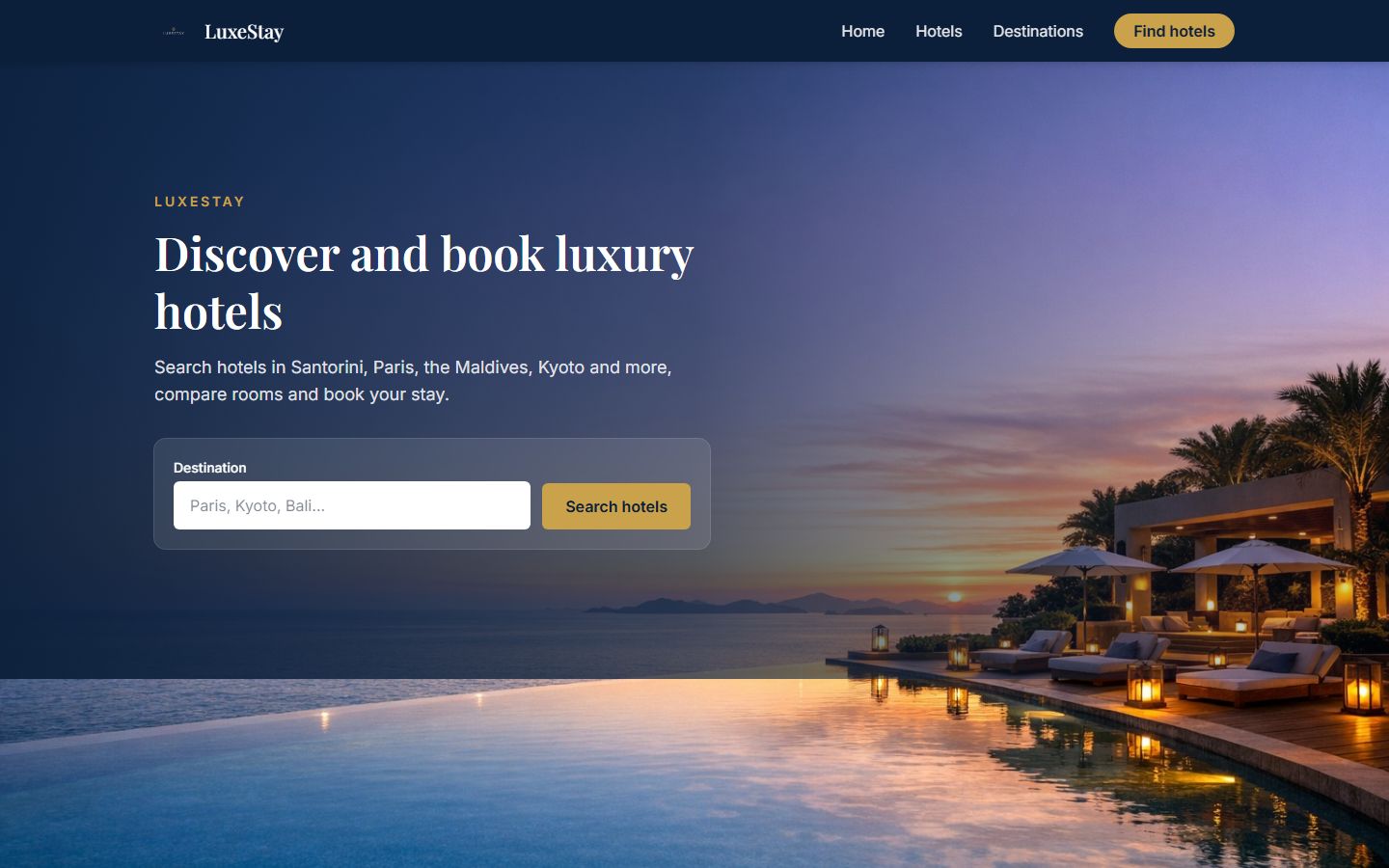
Start from the AI website builder or build a website with AI and describe your sites, sizes, locations, and the three questions you want an advertiser to answer on the page.
Where a web app helps
A web app helps when sites, bookings, permits, mounting schedules, and invoices outgrow a spreadsheet and a notebook, and when a second city or a larger team makes one person’s memory unreliable. A signed-in board that shows sites by availability, bookings by stage, permits by expiry date, mountings by day, and invoices by age gives the owner, the sales team, and the crew the same answer.
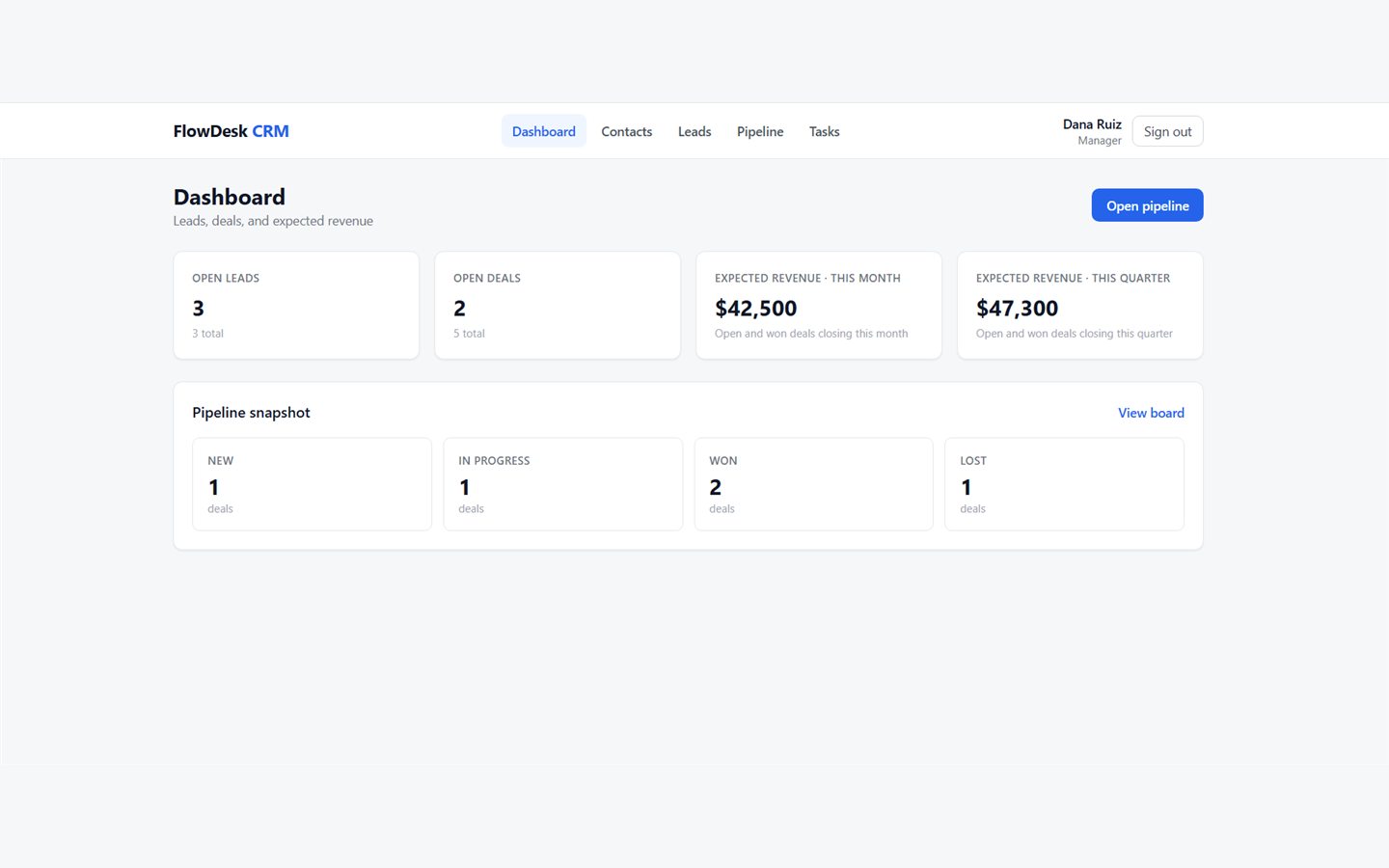
Open the AI app generator or the AI web app builder and describe the screens: site inventory and calendar, booking pipeline, permit and certificate tracker, mounting schedule, and invoice tracker.
Where a mobile app helps
A mobile app suits the supervisor and the crew who need a day’s mounting list, a photo checklist with a dated and geotagged upload, a structure inspection form, and a fault report from the roadside. Build it after your spreadsheet has worked for three months. A client-facing app is rarely worth it before you have many agencies asking for the same dashboard. Start from the AI mobile app builder.
Where a logo and brand mark help
A media-owner mark appears on a website, a rate card, a proof photograph, an owner’s plate on a structure, a vehicle, and a WhatsApp profile, so it should read on a small plate and in one colour. Pick a short name that is easy to say on a phone, a simple mark that suggests visibility or place without copying a famous brand, and a plate layout that leaves room for the permit number where required. Use the AI logo generator to explore marks, and test each on a structure plate, a letterhead, and a small circle before you print.

A ninety-day plan if you are starting
- 1
Days 1 to 15
Check what the city currently permits, count traffic at five candidate sites, speak to three agencies about what they would book, and cost structures, land, fees, and working capital.
- 2
Days 16 to 45
Sign land agreements for the best two or three sites, apply for permissions, engage a licensed structural engineer, register the business, and build the inventory card and rate floor.
- 3
Days 46 to 70
Build and certify the first structures, install lighting safely, photograph each site, set up the website, inventory, and WhatsApp number, and brief two or three agencies.
- 4
Days 71 to 90
Open for bookings, send proof photographs on the first campaigns, review the weekly scoreboard, fix the three biggest gaps in occupancy or process, and plan the next site only after the first are let.
A ninety-day plan if you already own sites
- 1
Days 1 to 15
Measure honestly: occupancy by site, achieved rent, discount, site cost, empty days, permit and certificate expiry dates, and collection days.
- 2
Days 16 to 45
Fix one leak: expired paperwork, a weak site, a deep discount habit, or slow collections, and set a rate floor and a discount limit for each site.
- 3
Days 46 to 70
Rank sites by yield, reprice or drop the weakest, add a quiet-month package, start two agency relationships, and move advance collection to 50%.
- 4
Days 71 to 90
Lock the weekly scoreboard and plan the next two seasons. Only then consider a new site, a digital screen, or a resale line.
Common failure patterns
- Building or displaying without a valid permission, then facing removal, fines, and a lost investment
- Letting a structural certificate or insurance lapse, and carrying a serious safety and liability risk
- Buying sites for the price of the land rather than for the traffic and sight lines
- Discounting without a rate floor, so that the best sites are let at a loss
- Quoting traffic and reach figures that cannot be explained or audited
- Ignoring land-rent renewals, so costs rise quietly while rates stay flat
- Giving long credit to agencies without advances, then running short of cash for land rent
- Buying a digital screen at a weak location because the technology looked attractive
- Skipping proof photographs and mid-campaign inspections, and losing renewals over unlit boards
- Opening a second city before the first runs smoothly without the owner on every site visit
When you are ready to build with Nyravi
Use this guide to decide what the business needs. When the next step is a media website with a site inventory and a booking enquiry form, a site, permit, and booking dashboard, a crew app for mounting photos and inspections, or a brand mark for your rate cards and structure plates, open Nyravi and describe that product. Keep the brief short: who uses it, what they open first, and what they finish.
If you want help writing that description, ask on Support. Start on the [home page](/), or jump to the product pages linked above. For WhatsApp chatbots, start at cognitivesys.io. The operation comes first. The build carries the system once the system is clear.
Questions
What is an outdoor advertising business?+
An outdoor advertising business secures sites, builds or leases advertising structures such as hoardings, unipoles, gantries, and LED screens, obtains the required permissions, and rents the space to advertisers for fixed periods while handling production, mounting, lighting, and proof of display. It earns site rent plus production margin, and profit is limited by occupancy, rate realisation, site cost, and structural and legal compliance.
How do I start a hoarding business in India?+
Start by checking what your city currently permits, counting traffic at candidate sites, and talking to agencies about what they would book. Then sign written land agreements, apply for advertisement permission, obtain a structural stability certificate from a licensed engineer, register the business and GST, build and light the structures safely, and sell with an inventory, photos, and an honest traffic note. Many founders begin with two to five sites or an asset-light resale model.
How much does it cost to start an outdoor advertising business?+
An asset-light resale start can cost about ₹5 lakh to ₹8 lakh, while a 20-site owned portfolio like the worked example in this guide needs about ₹66,10,000, including ₹48,00,000 of structures, ₹2,40,000 of site acquisition and permissions, ₹3,60,000 of land deposits, and ₹6,00,000 of working capital. Structure cost, land, fees, and city rules change the total, so cost your own plan.
How much profit can a hoarding business make?+
Profit depends on occupancy, rate realisation, land cost, and permissions, not only on the number of sites. In this guide’s example, 20 sites at a ₹8,00,000 card, 75% occupancy, a 10% discount, and ₹4,33,667 of fixed cost break even at about 62% occupancy and earn about ₹86,533 a month after a structure reserve, ₹1,13,200 in cash, with about ₹1,73,581 in October and about break-even in July.
How is hoarding rent decided?+
Rent is set from the site’s visibility, traffic, size, lighting, and location, tested against your costs and what advertisers will pay. In this guide’s example the card is about ₹100 per sq ft per month, and a floor rent is calculated from site cost, structure reserve, and overhead share, which gives about ₹30,769 for a ₹40,000 standard site, a maximum discount of about 23.1%. Always compare against your own costs and local rates.
What permissions and safety checks does a hoarding need?+
A hoarding usually needs advertisement permission from the local body, a structural stability certificate from a licensed engineer, wind-load design, safe electrical work for lit boards, landowner or building-owner consent, and insurance, plus compliance with advertising-content rules and any highway, railway, or airport restrictions. Rules differ by city and change over time, so confirm every requirement with the authority and a qualified engineer. This guide is not legal or engineering advice.
Is a digital LED screen better than a static hoarding?+
A digital screen shares one face among several advertisers and can earn strong rates at busy junctions, but it costs far more to install and run. In this guide’s example, a ₹12,00,000 screen with six slots at ₹12,000 and 70% sold has a net of about ₹23,872 a month and a payback of about 50 months, and at a ₹9,000 slot rate the payback stretches to about 99 months. Run the numbers for your own location first.
How do I increase occupancy in an outdoor advertising business?+
Answer availability queries the same hour with photos and a map, publish an inventory and calendar, build agency and developer relationships, plan quiet-month offers, and use a rate floor so discounts do not hurt profit. In this guide’s example, each point of occupancy is worth about ₹6,696 a month, so five points add about ₹33,480, and a deeper discount from 10% to 15% would need about 5.9% more occupied space just to break even.
Can a WhatsApp chatbot help an outdoor advertising business?+
Yes, a WhatsApp chatbot can answer availability, size, and rate questions, send location pins and photographs, collect dates and budgets, send hold and artwork reminders, share proof-of-display photos and renewal reminders, and send payment links, while handing discounts, restricted content, and permit matters to a person. CognitiveSys, the parent company behind Nyravi, builds WhatsApp chatbots and shared inboxes. Start at cognitivesys.io.
Does an outdoor advertising business need a website, an app, or Nyravi?+
An outdoor advertising business benefits most from a simple website with a site inventory, photographs, a map, an availability calendar, a traffic note, and a WhatsApp button, then from a web app once sites, bookings, permits, and invoices outgrow a spreadsheet. A crew mobile app helps after the spreadsheet works. Nyravi can build the website, dashboard, app, or logo from a plain-language description. For WhatsApp chatbots, start at cognitivesys.io. This guide covers business operations only, not legal or engineering advice.