
Party & balloon decoration
Party and balloon decoration business: how to start, run, and improve one
A practical operator playbook for starting, running, and improving a party and balloon decoration business in India: what the business really sells, package-mix, contribution-per-event, break-even events and weekend-capacity formulas with checked ₹ examples, theme design and mood boards, event-day setup timing, props inventory and reuse payback, balloon, helium, electrical, and child-safety rules, venue permissions, a team of decorators and helpers, deposits that stop cancellations, weekly scoreboards, WhatsApp chatbots for booking enquiries, and when a website, booking web app, crew mobile app, or logo actually helps. Business operations only, not legal, fire-safety, or electrical advice.
 Nyravi AILearn playbookFirst-time party, birthday, and balloon decorators, home-based creators who want to turn favours into a business, florists, gift shops, and event planners adding a decoration line, rental and tent-house owners moving into themed setups, and existing decorators who want fewer weekend clashes, better prices, safer setups, and steadier income on weekdays
Who this guide is for
Read this if you want to start or improve a party and balloon decoration business: birthday and baby-shower setups, anniversary and bride-to-be decor, haldi and mehndi corners at home, welcome-baby and naming ceremonies, school and office celebrations, store openings, and themed corporate events. It is also for a home-based creator whose calendar is full of favours, a florist or gift shop adding a decoration line, a tent house owner who wants a higher-margin themed product, and an owner whose weekends are packed but whose weekdays and cash flow are not. If your pricing, your weekend clashes, your props, or your safety routine is the weak part, this playbook is for you.
The playbook covers the business around the setup: packages, capacity, deposits, props, safety, team, and growth. If you plan and run whole events with vendors, program, and budgets, read event management. If you supply tents, furniture, and mandaps, see tent house. If your craft is fresh flowers, read florist. If you run full weddings, see wedding business. A party decorator is judged on a setup that matches the photographs, arrives before the guests do, is safe around children, and is cleared without a mess.
What a party and balloon decoration business is
A party and balloon decoration business is a service business that designs, sets up, and clears decorated spaces for celebrations, using balloons, backdrops, fabrics, lights, props, banners, and sometimes fresh or artificial flowers. Revenue comes from the number of events per month at a net price per event, plus add-ons, and it is capped by team hours, weekend slots, prop inventory, and how well each setup is designed, timed, and made safe.
Terms you will use every week
- Package: a fixed bundle such as a basic birthday backdrop or a themed room setup, with a price, inclusions, and setup time
- Backdrop: the main decorated wall or frame behind a cake table or stage, the visual centre of most events
- Balloon arch or garland: balloons arranged in an organic or structured shape over an entrance, table, or stage
- Prop: a reusable item such as a stand, frame, neon sign, cut-out letters, cloth, or table piece
- Setup window: the time between venue access and guests arriving, in which the team must install the design
- Date block: reserving the team for an event date, usually against a non-refundable advance
- Peak days: weekends, festivals, and school-holiday dates, when demand exceeds the team’s slots
- Strike: the removal and clearing of the decoration after the event
A decoration business is closer to a small event-production crew than to a gift shop. The materials are cheap, the hours are tight, and the loss comes from one double-booked Saturday, one backdrop that arrives late, one helium cylinder mishandled, and one design that cost more to build than the customer paid. The resource you manage most carefully is crew time on peak days.
Party decoration at a glance: the worked example in this guide
Key figures, all illustrative and to be replaced with your own data
- Scale: 60 events a month from about 140 enquiries, so a booking rate of about 43%
- Package mix: 50% Basic at ₹4,500, 32% Theme at ₹9,500, 13% Premium at ₹22,000, and 5% Corporate and large at ₹55,000, which blends to ₹10,900 per event, net of GST
- Sales: about ₹6,54,000 a month from 60 events
- Variable cost: about ₹5,495 per event (consumables, helium, travel, event-day helpers, prop wear, payment fees, and partner commission), so about ₹5,405 of contribution per event
- Fixed cost: about ₹1,86,000 a month including a ₹40,000 owner draw
- Break-even: about 34.4 events a month, so plan for 35
- Profit at 60 events: about ₹1,38,300 a month, and a loss of about ₹50,875 if events fall to 25
- Start-up investment: about ₹9,50,000, which pays back in about 7 months at that profit once weekends fill, and in practice longer while the portfolio and reviews build
Treat these as a template for your own sheet, not as a promise. Prices, materials, and event volume vary by city and customer type. The point is to see which three numbers move profit most: events per month, average package value, and how much of the weekend capacity you sell at a premium.
What a party decorator really sells
A host does not buy balloons. A host buys a photograph they will keep, a room that is ready before the first guest rings the bell, and the relief of not tying a single knot on the morning of a child’s birthday. The materials are cheap. The design sense, the punctuality, and the calm are the product.
A decorator who sells on the lowest price fills the weekend with small jobs that barely cover the helper’s wages and the petrol. A decorator who shows a clear package ladder, protects peak slots with deposits, and delivers on time earns the premium and a calendar of repeat birthdays, anniversaries, and referrals.
How a party decorator differs from a tent house, an event manager, and a florist
Owners often borrow numbers or habits from a nearby event business and misjudge their own. A decoration business is a design-led, labour-and-props service with short setup windows and heavy weekend concentration. That changes the crew you need, the stock you hold, and the risks you carry.
Where the lines fall
- Tent houses: they rent structures, tents, furniture, and crockery by volume and trucking. See tent house, and consider a partnership for events that need a pandal and your themed front
- Event management: planning, vendors, programme, and budgets for the whole event. See event management for the planner’s model, and consider being their decoration vendor
- Florists: fresh flowers with perishable stock and short shelf life. See florist for how fresh stock is priced and wasted
- Wedding businesses: larger budgets, longer lead times, and many vendors. See wedding business, and treat haldi, mehndi, and sangeet corners as an entry product
- Gift shops: retail products with margin on goods. See gift shop for retail practice you can use in balloon-and-hamper bundles
- Photographers and photo studios: they shoot your work and may refer hosts. See photographer and photo studio
- Sound and DJ providers and bakeries: natural partners for birthday and anniversary events. See sound and DJ and bakery
Choose a model before you buy props
A decorator can serve every kind of event, which is why many own too many props and serve no one well. Choose the hosts you understand, the events you can set up in a few hours, and the style you can repeat, and treat every other segment as a pilot.
Common models and what they ask of you
- Home-based birthday and baby-shower specialist: low rent and many small jobs. The challenge is weekend clashes and lugging props in a small vehicle
- Themed and premium specialist: higher prices and photograph-led marketing. The challenge is a large prop library and fresh designs
- Room and surprise decor for anniversaries and proposals: high margin and short jobs. The challenge is privacy, access, and timing at hotels or homes
- Corporate and school celebrations: larger tickets and recurring clients. The challenge is invoices, vendor onboarding, and slower payment
- Balloon-and-gifting studio with a small shop: walk-in product sales plus decoration. The challenge is stock and shop hours. See gift shop
- Decoration partner to planners and venues: steady referrals at a lower price. The challenge is dependence on a few partners and commission
- Prop and backdrop rental with optional setup: lower labour and a different margin. The challenge is damage, storage, and returns. See equipment rental
Decide these before you commit money
- The hosts and events you will serve first, and the ones you will decline for now
- A package ladder with three or four named options, prices, inclusions, and setup times
- Your weekend capacity, meaning how many events per day your crew can safely set up, and what you do when demand is higher
- Your advance and cancellation policy, written before the first booking
- Your service area and travel charge, so a far venue does not eat the margin
- Where props will be stored, cleaned, and repaired, and who is responsible for damage
How a decoration booking works, from enquiry to strike
Every booking follows the same shape: understand the event, propose a design and a package, take an advance, prepare the materials, travel and set up, hand over, and clear. The decorators who stay profitable protect the date block and the setup timeline, because most disasters begin with a clash or a late start.
A typical booking lifecycle
- 1
1. Enquiry and discovery
Capture the date, time, venue, guest count, theme, budget, and venue access time, and share a package sheet.
- 2
2. Design and quote
Send a mood board or mock-up and a written quote with inclusions, travel, GST, and the setup and strike plan.
- 3
3. Advance and date block
Take a non-refundable advance, block the date and crew, and confirm the cancellation terms in writing.
- 4
4. Preparation
Pre-inflate or pre-assemble what can be done in the studio, check props, pack the load list, and charge equipment.
- 5
5. Travel and setup
Leave with a time buffer, confirm venue access, set up to the mock-up, and photograph the finished decor.
- 6
6. Host walkthrough
Walk the host through the setup, safety points, and what not to touch, and collect a message of acceptance.
- 7
7. Strike
Clear the decor at the agreed time, leave the space tidy, and reclaim props with a count.
- 8
8. Balance, review, and rebooking
Collect the balance the same day, ask for a review and photographs with permission, and diarise the next birthday or anniversary.
Start-up and monthly cost formulas
A decoration business needs a first set of props and backdrops, consumables and gas equipment, a way to move them, a small studio or storage space, photography for the portfolio, and cash for the months before reviews and referrals build. Founders most often over-buy props before they know which styles sell and under-budget photography and storage.
Event economics: what one event and one crew hour earn
A decoration business pays for itself only if each event earns more than the materials, helpers, travel, and prop wear it consumes. Work out the blended package value, the variable cost, and the contribution per event, and price from those numbers rather than from a neighbour’s Instagram offer.
Break-even, capacity, and profit
Because studio rent, salaries, and the vehicle are paid whether you do 25 or 60 events, the number of events you must set up each month is the most important number on the wall. Put it where the whole crew can see it, and compare it with how many weekend slots you really have.
Registration, licences, and compliance basics
A decoration business touches business registration, tax, gas-cylinder handling, fire and electrical safety, plastic and thermocol restrictions, venue rules, and intellectual property for themed designs. The framework differs by state, venue, and how you operate. Treat this section as a checklist to confirm, not as instructions.
Confirm each with a qualified professional and the authority
- Business structure and registration, such as proprietorship, partnership, LLP, or company, and Udyam (MSME) registration where it helps
- Shop and establishment registration or an equivalent local registration for a studio, and home-business rules if you operate from your residence
- GST registration and the threshold and rate for decoration services, confirmed with a chartered accountant
- Rules on storing and transporting helium and other compressed gas cylinders, including any licence or safety requirement for the quantity you hold
- Fire safety for decor materials, including flame-retardant fabrics, and venue rules against candles, sparklers, cold pyro, and open flames
- State or city restrictions on thermocol, single-use plastic decor, and plastic flowers or banners, and what compliant alternatives are available
- Rules on releasing balloons or sky lanterns, which some places restrict for environmental or safety reasons
- Electrical safety for fairy lights, neon, and power adaptors, using certified products and not overloading a venue’s sockets
- Venue requirements for vendors, including passes, insurance, timing, load-in routes, and damage deposits
- Licensing and trademark for character-themed designs, since printed and cut-out characters may need a licence for commercial use, and a policy for what you will and will not make
Theme design, mood boards, and approvals
The most expensive mistake in decoration is building something the host did not imagine. A short design routine turns a vague “something pastel with a unicorn” into a plan the host has seen, approved, and priced.
A design routine worth writing down
- Take a brief: age or occasion, theme, colours, guest count, space size, photograph spots, and budget range
- Send a mood board or a quick mock-up with three to five reference images and the exact items included
- Agree on a colour palette using real balloon and fabric swatches, because screens and printed balloons differ
- Confirm the space, with photographs or a quick visit for larger setups, and note ceilings, doors, and power points
- Record approval in writing on WhatsApp, with the list of items and add-ons included
- Keep a design library of your own work, sorted by theme and price, so each new quote starts from a tested layout
Design habits that protect margin
- Build most themes from a core kit of reusable backdrops and props, and change colours, balloons, and a few hero items
- Price custom cut-outs and printed items separately, and keep the lead time clear
- Offer two or three options at different prices, so the host chooses a trade-off instead of asking for a discount
- Photograph every finished setup from the angles hosts care about, and ask permission to use the photographs
- Retire a theme when its materials cost rises or when it stops selling
Event-day logistics, setup, and strike
Events are won and lost on the day. A host will forgive a modest design but not a late team. A fixed event-day routine, with a load list, a timeline, and a named lead, keeps the setup calm even when the venue is difficult.
An event-day routine
- The evening before: print the load list, check the weather, charge equipment, pre-inflate or pre-assemble where possible, and load the vehicle in reverse order of setup
- The morning of: confirm venue access with the host, check traffic, and message the host a departure time
- On arrival: walk the space, mark power points and photograph spots, and place the heaviest and highest items first
- During setup: assign roles, such as one for the backdrop, one for balloons, one for lights and props, and a lead for quality
- Before handover: do a final check for loose ends, tape marks, sharp items, and power cables, and photograph the finished decor
- At handover: walk the host through the setup, explain safety points, and confirm the strike time
- At strike: count props, clear all waste, check the space is as you found it, and secure the load
- At close: record the actual setup time, any breakages, and any customer comments in the job log
Props, inventory, and storage
Props are the capital of a decoration business, and also its biggest waste. A stand that is used once a year is a cost. A frame that is used every weekend is an asset. Track every item by use, damage, and the extra price it helps you charge.
Inventory habits worth keeping
- Give every prop an ID, a photograph, a cost, a storage location, and a use log, so you can see which ones earn their space
- Count props out and in on every job, with the host’s signature on high-value rentals
- Clean and repair props after each event, and retire items that look worn in photographs
- Store fabrics, cut-outs, and frames flat or hung, away from damp and rodents, and rotate seasonal items
- Buy balloons, tapes, and consumables in bulk against your monthly forecast, and track shelf life, since latex ages and discolours
- Keep a damage and loss register and charge hosts where the agreement says so
Safety around children, balloons, helium, and electricals
Most events involve children, crowds, and a crowded room with lights and cables. A decorator’s safety routine is not a bureaucratic extra. It is part of the product.
A safety checklist
- Balloons and fragments are a choking hazard for young children, so brief the host, keep balloons away from toddlers, and clear burst pieces at once
- Never let anyone inhale helium, and store and move gas cylinders upright, secured, and away from heat and from the public
- Do not hang heavy items over seating or play areas, and anchor frames, arches, and backdrops against tipping
- Use certified fairy lights and adaptors, avoid overloading sockets, and keep cables taped down and away from walkways
- Keep decor away from candles, diyas, heaters, and any open flame, and follow venue fire rules
- Use stable ladders and a second person for any work above shoulder height, and never climb on furniture
- Keep latex-allergy and food-allergy information in mind when decor touches the cake table or food area
- Carry a first-aid kit and the venue’s emergency contact, and record any incident for the owner
The team a decoration business needs
A decoration business works when each person owns a step and a standard, not when the owner blows up balloons until midnight. Hire for punctuality and good hands, and train each helper on the safety routine before the first event.
Roles that keep events calm and on time
- Owner or lead designer: styles, pricing, key customers, partners, and the weekly review
- Lead decorator: reads the design, runs the crew, and signs off the finished setup
- Assistants and helpers: balloon work, assembly, loading, and strike, trained on the safety routine
- Coordinator or sales: enquiries, quotes, date blocks, and follow-up
- Driver or loader: vehicle, route, and prop care, which can be a hired service
- Part-time accountant: GST, invoices, and payroll
Pay the lead and the helpers a base plus a bonus for on-time setups, host reviews, and zero damage, not only for the number of events. A bonus on events alone teaches people to cram too many on a weekend, which costs more in clashes and complaints than it earns.
Pricing, packages, and cancellation rules
Hosts compare you on price, but they choose on photographs and punctuality. Price clearly, list what is included, and write the advance and cancellation rule before the first booking. A package that cannot be explained in five lines will become a dispute.
Pricing habits worth keeping
- Offer three or four packages with names, inclusions, and setup times, and a small price list of add-ons
- Take a non-refundable advance to block the date, and state the balance due before setup, not after
- Charge for travel beyond your standard area, early-morning setups, and rush bookings
- Set a weekend premium and a weekday offer to move flexible demand
- Give a written quote with GST, and avoid verbal discounts that nobody records
- Review your prices every quarter against balloon, helium, and labour costs, and revise before the cost hits your margin
The host journey from the first message to the next birthday
Most hosts do not choose the cheapest decorator. They choose the one who answered quickly, understood the idea, and sent a plan that looked right. The journey from the first message to next year’s birthday is where a decorator becomes the family’s decorator.
A standard journey
- 1
1. First message
Reply within fifteen minutes with a question list for date, venue, theme, and budget, and a package sheet.
- 2
2. Mock-up and quote
Send a mood board and a written quote that names what is included and what is extra.
- 3
3. Advance and date block
Take the advance, block the date, and confirm the cancellation rule.
- 4
4. Reminder
Message three days before with the setup time, access needs, and any last changes.
- 5
5. Setup day
Arrive on time, set up with the safety routine, and send a photograph before guests arrive.
- 6
6. Handover and balance
Walk the host through, collect the balance, and share a short safety note.
- 7
7. Strike and thanks
Clear the decor the same night or next morning, and thank the host in a message.
- 8
8. Review and next occasion
Ask for a review and for photographs with permission, and diarise the next birthday or anniversary.
A simple weekly rhythm
Run the business on a short scoreboard
- Daily morning: today’s setups and departure times, crew assignments, weather, and new enquiries
- Daily work: enquiries replied within the target time, mock-ups sent, and advances received
- Daily close: photographs uploaded, props counted in, and tomorrow’s load list prepared
- Weekly: events booked for the next four weekends, weekend slot utilisation, and average package value
- Weekly: enquiry-to-booking rate, add-on attach rate, cancellations, and reviews received
- Weekly: prop damage and loss, consumable stock, and any safety incidents
- Monthly: contribution by package and by source, prop payback by item, cash against three months of fixed cost, and the next season’s plan
Money: the numbers that decide survival
Watch these every week and every month
- Events booked, enquiry-to-booking rate, and cost per event by source
- Average package value, add-on attach rate, and the package mix against the target
- Weekend and weekday slot utilisation, and the weeks ahead that are still empty
- Cancellation rate, advance retained, and balance collected on the day
- Prop use, damage, and the payback of each major prop set
- Cash in hand against three months of fixed cost, because weather, exams, and mourning periods can empty a month
- Safety incidents and near misses, with the fix
ROI formulas you can use this month
Marketing a party decoration business in India
Hosts search for a decorator when a date is fixed and the clock is running. Marketing is mostly photographs that look like their own party, a fast reply, and a trusted name in the neighbourhood.
What moves bookings
- A complete Google Business Profile with address, hours, photographs of finished setups, phone, and a WhatsApp number that is answered
- Instagram and short videos of setups from first balloon to finished photograph, with the host’s permission, and a clear price ladder
- Pages for birthdays, baby showers, anniversaries, and corporate events, each with sample packages and a booking form
- Partnerships with bakers, photographers, banquet and party halls, play schools, and gift shops who are asked for decorators
- A seasonal calendar for Valentine’s Day, school holidays, Diwali, Christmas, and New Year’s, with early-booking offers
- A birthday and anniversary reminder list of past hosts, used with consent
- Clear, honest claims, with no photographs of other decorators’ work and no promise of a design you cannot build
Reviews, relationships, and reputation
A decorator is judged by a few hosts who post photographs and tell friends. A setup that was late or not as shown is remembered longer than ten that went well, and a quick fix is remembered longer still.
A routine that works
- Message each host the day after the event and ask what they loved and what they would change
- Tag every complaint by cause: late arrival, design mismatch, broken item, safety, or pricing dispute
- Fix the cause with the biggest count first, tell the team, and measure the same complaint again next month
- Ask satisfied hosts for a Google review and photographs with a direct link, never as a condition of service
- Reply to every public review within 48 hours, thank the good ones, and offer a private fix to the unhappy ones
- Never argue publicly, and never share a host’s photographs or details without permission
Channels that bring bookings
Rank them by contribution per event and cancellation rate, not by volume alone
- Repeat hosts and referrals: the highest-trust, lowest-cost channel, and the one to protect most
- Instagram and short-video reach: strong for visual work, with many price shoppers, so track cost per booking and not only cost per lead
- Google search and Google Business Profile: hosts search “birthday decoration near me” the week before the date
- Bakers, photographers, venues, and play schools: steady referrals. See bakery, photographer, and banquet hall
- Event planners and tent houses who subcontract decor. See event management and tent house
- Corporate offices, schools, and housing societies for recurring celebrations, with invoice-based payment
- Marketplace and listing platforms: wide reach and a commission, so compare the commission with your contribution
Log the source of every enquiry. After a quarter you will know which channel gives bookings that stay and which gives only comparison shoppers.
Automation that frees the owner
Automate these first
- An enquiry inbox that logs every message from Instagram, WhatsApp, the website, and calls with source, date, and follow-up
- A date-block calendar that shows crew and vehicle availability and refuses a double booking
- A quote template that adds packages, add-ons, travel, and GST, and a standard mood-board request
- Advance, balance, and reminder messages sent from approved templates at the right time
- A load list generated from each booking, with prop IDs and consumable counts
- A post-event message that asks for a review and a next-occasion date
- A weekly digest to the owner: events, slots, contribution by package, cancellations, and prop issues
Where a WhatsApp chatbot helps
Hosts message late at night and on weekends: “Is 14 June free?”, “Price for a jungle theme?”, “Do you do room decoration for an anniversary?” If those messages wait until the next morning, the host has already booked the first decorator who replied.
What a business WhatsApp chatbot is good for
- Answering questions about packages, themes, areas served, setup times, and advance rules, from facts you approve
- Collecting a new enquiry with date, venue, theme, guest count, and budget, then alerting a person
- Showing indicative availability for a date and holding a slot for a short time until the advance arrives
- Sending package sheets, sample photographs, and a mood-board request
- Sending advance links, balance reminders, and setup-day confirmations to opted-in hosts
- Collecting reviews and next-occasion dates after the event
- Handing the whole thread to a person for custom designs, pricing exceptions, venue issues, safety concerns, and complaints
Why decorators use it
- Hosts already live on WhatsApp and send photographs of what they like
- One shared inbox instead of the owner’s personal phone holding every booking
- Written, time-stamped confirmations reduce disputes about date, venue, and inclusions
- Faster first replies, which is where bookings are won

Use WhatsApp for conversation, your website for photographs and packages, and a web app when bookings, crews, props, and payments need to live in one place.
Growing a party decoration business
Growth is not only more events. It is a better package mix, higher add-on attach, fuller weekdays, fewer cancellations, and a crew that can say yes to bigger setups without dropping quality.
Ways to grow responsibly
- Raise booking rate and add-on attach before you add a studio, because both lift profit without new rent
- Specialise in a style you do well, such as baby showers, boho, or luxury room decor, and become the obvious decorator for it
- Build a weekday offer for schools, offices, and store openings to fill the quiet days
- Add corporate and school celebration contracts with invoice-based payment and a standard kit
- Add a rental line for backdrops and props to hosts who decorate themselves, with deposits and clear terms
- Partner with bakers, photographers, and venues for referrals, and disclose any commission to the host
- Add a second crew only when weekend utilisation stays above 90% for two months and complaints are flat
- Open a second location only after the first has held its booking, cancellation, and review targets for six months, including two weeks with the owner away
Where a website helps
Hosts search “birthday decoration in Pune”, “balloon decoration near me”, or “baby shower decor at home” before they call. Your website should show your themes, packages and price ranges, photographs of real setups, how booking and advances work, your service area, your address or contact, an enquiry form, and a WhatsApp button, in that order. A site with only a logo and a phone number loses to the decorator who answers the first five questions on one page. Add clear headings, a page for each occasion, and structured data for a local business so search engines and AI assistants can quote your services and contact details correctly.
Start from the AI website builder or build a website with AI and describe your themes, packages, service area, and the five questions you want a host to answer on the page.
Where a web app helps
A web app helps when bookings, date blocks, crews, props, advances, and balances outgrow a notebook and a WhatsApp chat, and when two crews on the same Saturday make one person’s memory unreliable. A signed-in board that shows each booking’s date, venue, package, crew, advance, and load list gives the owner, the coordinator, and the lead decorator the same answer, and refuses a double booking.
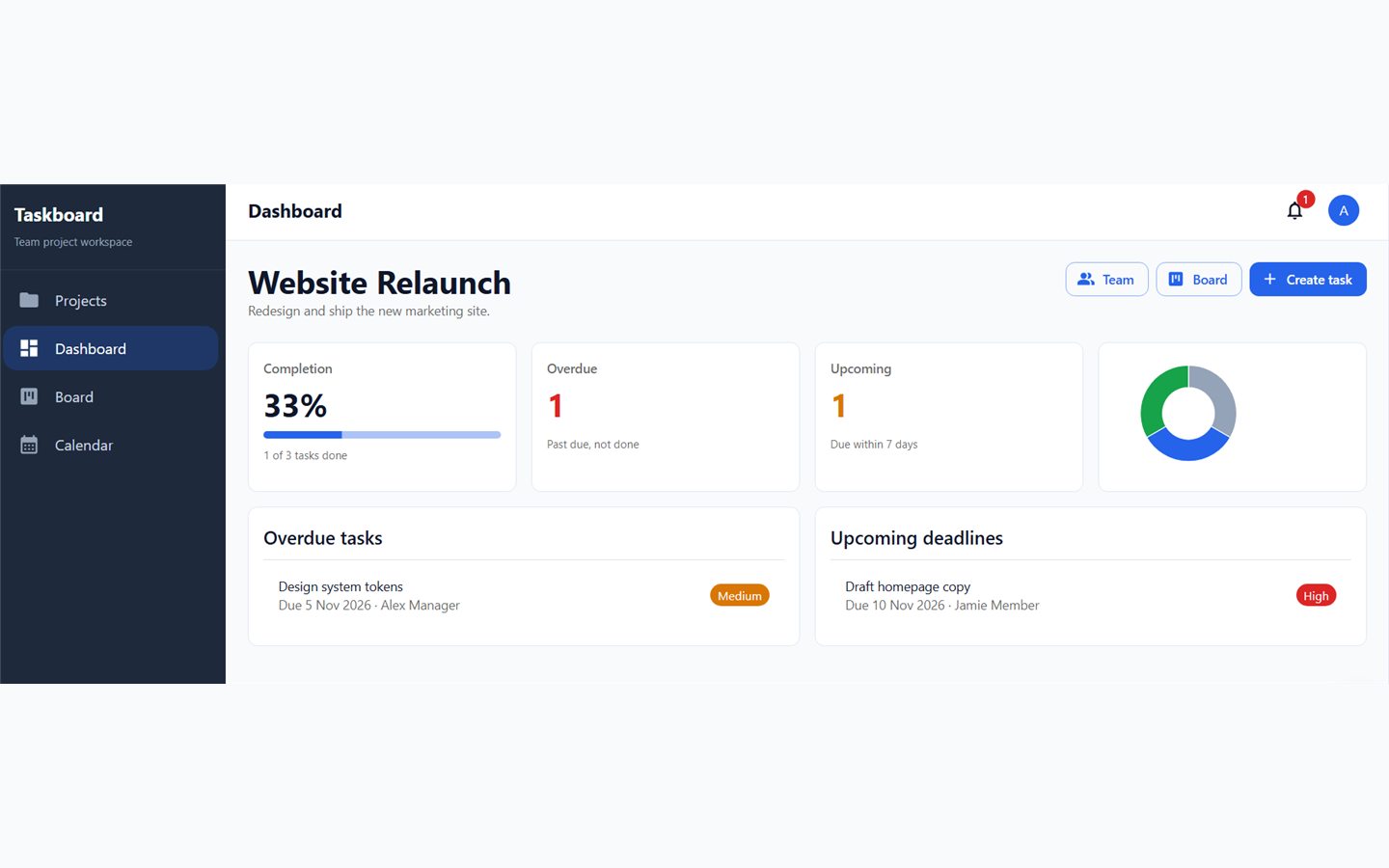
Open the AI app generator or the AI web app builder and describe the screens: enquiry and quote, date-block calendar by crew, prop inventory with IDs and uses, load list per event, payment ledger, and a weekly slot and contribution dashboard. Describe who may see prices and who may not.
Where a mobile app helps
A mobile app suits the lead decorator and the crew who need a job list, venue address and access time, a load checklist, the approved mock-up, a safety checklist, before-and-after photographs, and a quick balance-collected tick from a phone, even on weak signal. Build it after your web board has worked for three months. A customer-facing app is rarely worth it for a single local decorator. Start from the AI mobile app builder.
Where a logo and brand mark help
A decorator’s mark appears on an Instagram profile, a WhatsApp profile, a price list, a cake-table sign, a vehicle, and a small credit tag at the setup, so it should feel cheerful, clean, and clear in one colour. Pick a short name that is easy to say and spell, a mark that works in a small round profile picture, and avoid fussy illustration that disappears when printed small. Use the AI logo generator to explore marks, and test each on a price list, a credit tag, and a profile picture before you print.

A ninety-day plan if you are starting
- 1
Days 1 to 15
Choose your host segment and style, visit five decorators’ pages and ten venues, cost your materials and crew hours, and write three packages with add-ons.
- 2
Days 16 to 45
Register the business, buy a core kit of backdrops and props against your first bookings, write the vendor terms and safety checklist, and train your first helpers.
- 3
Days 46 to 70
Run ten pilot events, photograph every one, track enquiry, booking rate, setup time, cost, and complaints, and fix every gap in timing and safety.
- 4
Days 71 to 90
Scale marketing carefully, build partner referrals, lock the weekly scoreboard, and add a second crew only after weekend utilisation and complaint rates hold.
A ninety-day plan if you already run a business
- 1
Days 1 to 15
Measure honestly: contribution by package, enquiry-to-booking rate, weekend utilisation, cancellations, and prop use and damage.
- 2
Days 16 to 45
Fix one leak: an unprofitable cheap package, a double-booking habit, or a prop set that is rarely used. Rewrite the package sheet and the advance rule.
- 3
Days 46 to 70
Add a date-block calendar, load lists, a prop register, and reminder messages, and train every helper on the safety routine.
- 4
Days 71 to 90
Lock the weekly scoreboard, ask happy hosts for reviews and referrals the right way, and plan the next two quarters. Only then consider a new style or a second crew.
Common failure patterns
- Accepting two events on the same Saturday without enough crew, then being late to both
- Taking no advance, then absorbing the cost of every last-minute cancellation
- Pricing from a competitor’s Instagram post instead of from contribution and crew hours
- Buying a large prop library before knowing which styles sell
- Ignoring balloon, helium, and electrical safety around children and crowded rooms
- Promising a design from a reference photograph that the budget and setup window cannot deliver
- Using someone else’s photographs in advertising, and then failing to match them
- Skipping venue rules and being turned away at the door with a loaded vehicle
- Ignoring weekdays and slow seasons until the cash runs out
- Opening a second studio before the first runs well without the owner at every setup
When you are ready to build with Nyravi
Use this guide to decide what the business needs. When the next step is a decoration website with a package page and booking form, a date-block and prop dashboard, a crew mobile app, or a brand mark for your profile and price list, open Nyravi and describe that product. Keep the brief short: who uses it, what they open first, what they finish, and who may never see it.
If you want help writing that description, ask on Support. Start on the [home page](/), or jump to the product pages linked above. For WhatsApp chatbots, start at cognitivesys.io. The operation comes first. The build carries the system once the system is clear.
Questions
What is a party and balloon decoration business?+
A party and balloon decoration business is a service business that designs, sets up, and clears decorated spaces for birthdays, baby showers, anniversaries, and corporate celebrations using balloons, backdrops, fabrics, lights, and props. It earns a net price per event plus add-ons, and it is limited by crew hours, weekend slots, prop inventory, and how well each setup is designed, timed, and made safe.
How do I start a balloon decoration business in India?+
Choose your host segment and style, write three packages with add-ons, and buy a small core kit of backdrops, props, and consumables against your first bookings. Register the business, write advance and cancellation terms, set up a date-block calendar, and train helpers on safety. Run about ten pilot events, photograph each one, and scale marketing only after setup time and complaints are under control.
How much does it cost to start a party decoration business in India?+
A home-based decorator can start with a few lakh rupees, while a studio with a vehicle, props, and a small team often needs roughly ₹6 lakh to ₹12 lakh depending on city and range. The worked example in this guide totals ₹9,50,000, including ₹2,50,000 of props and backdrops, ₹1,50,000 for a vehicle down payment, and ₹2,00,000 of working capital.
How much do party decorators charge in India?+
Charges vary by city, design, and venue, with a basic birthday backdrop costing far less than a themed room or a large corporate setup. In this guide’s example the packages are ₹4,500 for Basic, ₹9,500 for Theme, ₹22,000 for Premium, and ₹55,000 for Corporate and large events, which blend to ₹10,900 per event before GST. Use your own materials, crew hours, and travel to set prices.
How much profit can a party decoration business make?+
Profit depends on events per month, average package value, and weekend capacity. In this guide’s example, ₹5,405 of contribution per event and ₹1,86,000 of monthly fixed cost break even at about 35 events a month and earn about ₹1,38,300 a month at 60 events after the owner’s draw. If events fall to 25, the business loses about ₹50,875 a month.
How do I avoid double bookings and late setups?+
Use a date-block calendar that shows crews and vehicles, take a non-refundable advance to hold each date, and cap events per team per day. Confirm venue access time in writing and plan the departure time as event start minus setup hours, travel, and a buffer. In this guide’s example a 7 pm event needing 3.5 hours of setup means leaving by 2:15 pm.
What safety rules should balloon decorators follow?+
Keep burst balloon pieces away from young children, never let anyone inhale helium, and store gas cylinders upright, secured, and away from heat. Anchor arches and backdrops, use certified lights and adaptors without overloading sockets, keep decor away from open flames, and use stable ladders with a second person. Follow venue fire rules and local gas-cylinder rules, and confirm them with the authority.
What registration or licence does a party decoration business need?+
Most decorators need business registration, GST where applicable, Udyam registration where it helps, and a shop and establishment registration if they run a studio. Rules on gas cylinders, thermocol and plastic decor, venue vendor requirements, and character licensing may also apply. These differ by state and venue and change over time, so confirm each with the local authority and a qualified professional.
Can a WhatsApp chatbot help a party decoration business?+
Yes, a WhatsApp chatbot can answer package and price questions, collect date, venue, theme, and budget, show indicative availability, send mood-board requests and advance links, and send reminders, while handing custom designs, safety concerns, pricing exceptions, and complaints to a person. CognitiveSys, the parent company behind Nyravi, builds WhatsApp chatbots and shared inboxes. Start at cognitivesys.io.
Does a party decoration business need a website, an app, or Nyravi?+
A decorator benefits most from a simple website with package pages, setup photographs, and a booking form, then from a web app once bookings, crews, and props outgrow a notebook. A crew mobile app helps after the web board works. Nyravi can build the website, booking dashboard, crew app, or logo from a plain-language description. For WhatsApp chatbots, start at cognitivesys.io.