

Self storage & locker warehouse
Self storage business: how to start, run, and improve one
A practical operator playbook for starting, running, and improving a self storage and locker warehouse business in India: what the business really sells, rate-card, physical and economic occupancy, realisation, unit-mix, climate-control, churn, delinquency, ramp-up, and break-even formulas with hand-checked ₹ examples, location and unit-size choices, security, fire-safety, insurance, and prohibited-item rules, a small team, a customer journey from the first size question to the move-out inspection, weekly scoreboards, WhatsApp chatbots for size guidance, bookings, and rent reminders, and when a website, unit-management web app, mobile app, or logo actually helps. Business operations only, not legal, tax, insurance, or property-law advice.
 Nyravi AILearn playbookFirst-time self storage and locker warehouse founders, owners of warehouses, godowns, and basements considering a conversion, packers and movers adding storage, property and real-estate investors, small-business storage operators, and existing storage facilities that want higher occupancy, better rates, lower delinquency, and a faster ramp-up
Who this guide is for
Read this if you want to open or run a facility that rents lockable storage units, lockers, and warehouse space by the month to households, students, families who are moving, small businesses, online sellers, and professionals who need to archive documents or stock. It is also for a warehouse or basement owner who wonders whether partitioned units would earn more than a single tenant, a packers-and-movers owner who keeps turning away customers who need space for a few months, an investor looking at a building for a storage conversion, and an operator whose facility is at 50% occupancy and stuck. If your location is good but your occupancy, rates, delinquency, or ramp-up are not, this playbook is for you.
The playbook covers the business around the unit: location, unit mix, rates, security, move-ins, collections, and growth. If you store goods that need temperature control, read the cold storage guide. If you move goods for customers, see logistics or packing and moving. If you lease buildings and manage tenants, the property management guide fits better. If you sell packing supplies, read packing material. A self storage business is judged on whether the unit is safe, clean, dry, easy to reach, and fairly priced, and on whether your building fills quickly enough to pay rent while it does.
What a self storage business is
A self storage business is a property-and-service business that divides a secure building into lockable units of different sizes and rents them to customers on short, flexible terms, usually monthly, with the customer controlling access during set hours. Revenue comes from rent on occupied space plus small ancillary sales, and profit is capped by the occupancy you reach, the rate you achieve per sq ft, the rent and running cost of the building, and how quickly a new facility fills.
Terms you will use every week
- Rentable sq ft: the area inside units, which is less than the building’s gross area because of aisles, offices, and lifts
- Efficiency: rentable sq ft divided by gross sq ft, often 75 to 85%
- Rate card or street rate: the advertised monthly rent for a unit size
- Physical occupancy: rented sq ft divided by rentable sq ft
- Economic occupancy: rent actually billed divided by potential rent at the rate card
- Rate realisation: the average rent achieved divided by the rate card, after offers and discounts
- Churn: the share of occupied units that move out in a month, and its inverse, the average stay
- Move-in and move-out: a new tenant starting and an existing tenant leaving
- Delinquency: tenants who have not paid rent by the due date
- Ramp-up: the months a new facility takes to fill from empty to stable occupancy
Self storage is a slow-fill, steady-earn business. The building costs the same whether it is empty or full, so the first year is a cash race, and the later years reward the operator who filled it fast and kept tenants happy.
Self storage at a glance: the worked example in this guide
Key figures, all illustrative and to be replaced with your own lease and books
- Facility: 15,000 sq ft of leased warehouse space with 12,000 rentable sq ft (80% efficiency) and 195 units in a growing city suburb
- Unit mix and rate card: 80 small units of 25 sq ft at ₹2,500, 60 medium units of 50 sq ft at ₹4,500, 40 large units of 100 sq ft at ₹8,000, and 15 extra-large units of 200 sq ft at ₹14,000, so ₹10,00,000 a month at full occupancy
- Stable operation: 85% physical occupancy and 92% rate realisation give ₹7,82,000 of rent, plus ₹60,000 of ancillary sales, so ₹8,42,000 of monthly revenue
- Variable cost: ₹82,310 (payment fees, referral fees, bad-debt allowance, and the cost of ancillary goods), so a contribution of ₹7,59,690, or 90.2%
- Fixed cost: about ₹5,70,000 a month including ₹2,40,000 of building rent and a ₹50,000 owner draw
- Break-even: about 63% physical occupancy, against 85% at stability
- Profit: about ₹1,89,690 a month at stability, but a loss of about ₹2,88,480 a month at the start, with a ramp-up of about 18 months to 85%
- Start-up investment: about ₹81,40,000 including a ₹16,00,000 ramp-up reserve, with a payback of about 43 months after stability, or roughly five years from opening
Treat these as a template for your own sheet, not as a promise. City, rent, rate level, and speed of fill change everything. The point is to see which numbers move profit most: occupancy, realisation, building rent, and how fast the first units let.
What a self storage business really sells
A tenant does not buy floor space. A tenant buys the confidence that belongings, stock, or papers will be safe, dry, reachable when needed, and not forgotten, at a price that is lower than the cost of a bigger home or shop. The facility that answers the anxious question first, “Will my things be safe, and can I get them when I need them?”, wins the booking. The facility that only quotes a price per sq ft wins the tenant who leaves next month.
A facility that tries to serve every customer, from a student’s two boxes to a distributor’s pallets and a family’s car, feels flexible and runs badly. Each segment needs a different unit, access hours, and security. A facility known for one clear promise, such as “secure household storage for families who are moving”, “small-business and online-seller storage with 24-hour access and loading help”, or “student and short-stay lockers near the college belt”, is easier to price, easier to market, and easier to defend against a cheaper godown.
How self storage differs from cold storage, logistics, moving, and property businesses
Owners often copy the model of a godown or a landlord and get the wrong economics. Self storage rents small units to many customers who control their own access, which means more marketing, more small-ticket collections, and more attention to security than a single-tenant warehouse. That changes what you build, how you price, and what you protect.
Where the lines fall
- Cold storage: temperature-controlled storage for produce, pharma, and food with a specialist plant. See cold storage for power and cold-chain economics
- Logistics: moves and stores goods for businesses under service contracts. See logistics for fulfilment and warehouse operations
- Packing and moving: moves households and often needs short-term storage. See packing and moving, which is also a referral partner
- Property management: runs leased buildings and tenants. See property management for lease and landlord relationships
- Packing material: sells boxes, tape, and wrap that tenants buy. See packing material for supply terms
- Coworking space: rents small business space by the month with similar flexible terms. See coworking space for occupancy-led pricing
Choose a model, a location, and a tenant mix before you sign a lease
A self storage business can look like many things, which is why new owners try to be all of them. Pick the model that fits your capital, your building, and the demand within a short drive, and treat every other model as an add-on to test later.
Common models and what they ask of you
- Leased warehouse conversion: the fastest start and the most common, with a lease risk and a long ramp-up
- Owned building or basement: no rent to a landlord and a stronger long-term return, but capital is locked in property
- Purpose-built multi-storey facility: strong visibility and design, but the highest capital and planning rules
- Container or modular units on a plot: lower fit-out cost and faster setting up, with weather, appearance, and land-use limits
- Business-storage and fulfilment hybrid: pallets and racks for online sellers, with higher volumes and different access needs
- Lockers and mini-units near colleges or stations: small spaces with quick turnover and lower rent per tenant
- Add-on to a movers or logistics business: shared yard, trucks, and staff, with a simpler sales path
Decide these before you commit money
- The neighbourhoods within a 10 to 15 minute drive and the number of homes, colleges, and small businesses in them
- The unit mix you can fill, with more small and medium units than extra-large ones in most cities
- A lease of at least nine to twelve years with fixed increases, or ownership, because the fit-out takes years to repay
- Floor loading, ceiling height, ground-level access, lifts, loading space, and road width for trucks
- Whether the zone, the fire department, and the landlord allow storage and public access
- The cash you need to carry the building through the ramp-up months
How the facility works: units, access, security, and move-in
A self storage facility succeeds when the building is clean and dry, the access is simple, security is visible, and the move-in takes minutes rather than days. Each tenant has an agreement, a lock, a code or card, and a contact person.
A simple facility and move-in lifecycle
- 1
1. Design the layout
Plan aisles, units, loading bays, lifts, lighting, drainage, and fire exits with a qualified designer, and keep the most popular small units near the entrance.
- 2
2. Build and secure
Install steel partitions and doors, a lock system, CCTV, controlled entry, alarms, and fire protection, and keep a record of every installation.
- 3
3. Set rates and rules
Publish a rate card, access hours, a list of prohibited items, and a written agreement approved by a lawyer.
- 4
4. Guide the tenant
Ask what they are storing and for how long, recommend a unit size with a simple guide, and offer a viewing or video tour.
- 5
5. Sign and collect
Verify identity and address, sign the agreement, collect the deposit and first month, and set up automatic payment where possible.
- 6
6. Hand over and move in
Explain access, give a lock or code, show the fire and security rules, and help with trolleys and loading.
- 7
7. Look after the stay
Send rent reminders, check units and aisles daily, respond to issues fast, and give notice before any rate change.
- 8
8. Move out and learn
Inspect the unit, return the deposit, collect feedback, and clean and re-let the unit within a day.
Start-up and monthly cost formulas
A self storage facility needs a deposit, a large fit-out of partitions and security, marketing before the first tenant, and a reserve to carry rent and staff while the building fills. Founders most often under-count the reserve for the ramp-up months, which is where facilities run out of cash.
Unit economics: rate card, occupancy, and realisation
The rate card looks generous in the brochure and shrinks in the books. Work out the occupancy you really reach, the rent you really achieve after offers, and the cost of getting each tenant, and run the facility from those numbers rather than from the rate card.
Unit mix, climate control, and the space you actually sell
Small units earn more per sq ft and fill faster, large units earn more per unit and sit empty longer, and climate-controlled units earn a premium only if the air conditioning pays for itself. The mix you build decides the speed of fill and the rate you can hold.
Break-even, occupancy, and ramp-up
Because rent, staff, and security are paid whether the building is 30% or 90% let, the occupancy you need is the most important number in the business. Put it where the whole team can see it, and plan cash for the long climb to it.
Pricing, offers, and rate increases
Tenants compare you with a godown, a relative’s spare room, and the next facility. A business that competes on price alone fills with tenants who leave at the next offer. A business that sells a clean, safe, simple unit and a fair price can hold rates and still fill.
Pricing habits worth keeping
- Publish a clear rate card per unit size, with the rent, deposit, and any admin fee shown up front
- Use a first-month offer rather than a permanent discount, and limit it to units that are slow to let
- Raise rates for new tenants first when occupancy in a size passes about 90%
- Offer a small discount for three- or six-month prepayment, which also reduces churn and collections work
- Give existing tenants written notice and a reason before any rate increase, and check the notice period in the agreement
- Review rates every quarter against your occupancy by size and the nearest competitor’s rates
- Never advertise a headline rate that few units are actually available at
Churn, stay length, and collections
A full building is not a safe building. Tenants move out, and the facility that cannot replace them fast slides down. A facility that also lets rent go unpaid for months will find its best units blocked by tenants who never come back.
Habits that cut churn and delinquency
- Set up automatic payment or a payment link at move-in, and send a reminder three days before and on the due date
- Call tenants who are three days late, not three weeks late
- Offer a smaller unit or a pause to tenants in difficulty before they disappear
- Check in at three months to confirm the unit still suits them
- Record a move-out reason for every tenant, and review the reasons monthly
Safety, fire, insurance, and prohibited goods
A storage facility holds other people’s property under your roof. Fire, flood, theft, pests, and a tenant’s dangerous goods are your risks, and a single loss can end the business. Treat this section as a checklist of things to confirm, not as instructions.
Confirm each with a qualified professional and the authority
- Land use and zoning for storage with public access, building approvals, and any licence the local body requires
- Fire safety design and a fire-department clearance where applicable, including extinguishers, detection, sprinklers if required, lit exits, and aisle widths
- Electrical load, earthing, and safe lighting, with a rule that tenants may not run equipment or charge devices in units
- Floor-loading limits, ceiling height, and ventilation, and a plan for monsoon water entry, damp, and pests
- CCTV coverage, recording and retention, controlled entry, alarms, and a guard roster, using a licensed security provider where the law requires one
- A written storage agreement, drafted by a lawyer, covering rent, deposit, access hours, liability, a prohibited list, notice, rent revision, unpaid-rent steps, and what you may and may not do with goods
- A prohibited-items list that includes flammable and hazardous materials, perishable food, live animals, weapons, illegal goods, and anything else your insurer or law excludes
- Facility insurance for fire and special perils, burglary, and public liability, and a clear message that tenant goods are not insured by you unless a licensed policy says so
- A policy for valuables such as cash, jewellery, and securities, which usually need a separate vault, insurance, and legal structure and are best excluded from ordinary units
- GST on rent and sales, shop and establishment registration, trade licence, and Udyam registration, confirmed with a chartered accountant
- Handling of tenants’ identity documents and personal data under current data-protection rules, with limited retention
The team a self storage facility needs
A facility works when someone is always there to answer the phone, show a unit, and keep the building clean and safe. Hire for friendliness, reliability, and an eye for detail, and train everyone on the rules, the agreement, and what to do in a fire or a break-in.
Roles that keep the units let and the building safe
- Owner: location, lease, rates, capital, key decisions, and the weekly review
- Facility manager: daily operation, sales, collections, staff, and tenant relations
- Customer-service and sales assistants: enquiries, viewings, move-ins, billing, and reminders
- Guards and loading helpers: access control, patrols, and help with trolleys and heavy items
- Maintenance support: housekeeping, repairs, pest control, and drainage, often outsourced
- Marketing support: listings, photographs, reviews, and campaigns, often the owner or a freelancer at first
- Accounts: rent records, GST, deposits, vendor payments, and payroll, often part-time
Pay the manager a base plus an incentive on occupancy, collections, and tenant reviews, not on move-ins alone. An incentive on move-ins teaches the team to let units to anyone, including tenants who will not pay. An incentive that includes collections and satisfaction teaches the habit that keeps the building healthy.
The customer journey from the first size question to the move-out inspection
A tenant is usually in the middle of a move, a renovation, or a business squeeze, and does not know what size they need. The journey from the first question to the inspection is where a facility turns a quick enquiry into a tenant who stays and recommends it.
A standard journey
- 1
1. Answer the size question
Ask what is being stored and for how long, and recommend a size using a simple guide, such as a few boxes for 25 sq ft and a two-bedroom flat for about 100 sq ft.
- 2
2. Show the unit
Offer a viewing, a video tour, or a floor map, and explain access hours, security, and the lock.
- 3
3. Quote clearly
Give the monthly rent, deposit, and any offer in one message, with the agreement attached.
- 4
4. Book and verify
Collect the booking, identity, and address documents, and the first payment through a link.
- 5
5. Move in
Hand over the lock or code, show the unit and the rules, and help with loading.
- 6
6. Stay in touch
Send a reminder before rent is due, a check-in at three months, and notice before any change.
- 7
7. Handle the move-out
Take a notice period, inspect the unit with the tenant, return the deposit, and ask for a review.
- 8
8. Reuse and refer
Offer a discount to tenants who refer a friend, and invite past tenants back when they need space again.
A simple weekly rhythm
Run the facility on a short scoreboard
- Daily open: walk the aisles, check lights, locks, leaks, and CCTV, and review the access log for anything unusual
- Daily close: payments received, move-ins and move-outs recorded, and the unanswered enquiry list cleared
- Weekly: enquiries, viewings, move-ins, and move-outs, and the viewing and close rates
- Weekly: occupancy by unit size, economic occupancy, average rent, and units empty for more than 30 days
- Weekly: overdue tenants by age and the steps taken for each
- Weekly: a torch walk of roofs, drains, and corners, and a pest and damp check
- Monthly: rate review by size, churn and move-out reasons, cost per move-in, repairs spend, and the 90-day expiry list for insurance and licences
Money: the numbers that decide survival
Watch these every week and every month
- Physical and economic occupancy against the break-even of about 63%
- Rent achieved per occupied sq ft, rate realisation, and revenue per rentable sq ft
- Move-ins, move-outs, and churn, and the average stay
- Overdue rent by age and the share of units blocked by non-paying tenants
- Cash in hand against three months of rent, staff, and security costs, until the facility is stable
- Marketing cost per move-in and the viewing and close rates by channel
- Building rent as a share of rent revenue, and lease renewal dates
ROI formulas you can use this month
Marketing a self storage business in India
People search for storage when something changes: a move, a renovation, a marriage, a job abroad, a new online shop. Marketing for a facility is mostly about being the one that answers “how much space do I need, what does it cost, and is it safe?” within minutes, with photographs and a map.
What moves move-ins
- A complete Google Business Profile with photographs of the building, aisles, units, security, and a WhatsApp number that is answered the same hour
- A simple size guide that shows how much fits in each unit, printed in the office and posted online
- A short video tour that shows access, lighting, cleanliness, and the lock
- Partnerships with packers and movers, realtors, interior designers, builders, hostels, and online-seller communities, with a clear referral fee
- Seasonal offers for moving seasons, college admission periods, and festival-sale periods for online sellers
- Honest comparison with a godown or a relative’s house, covering security, access, and convenience
- Local search pages for each area you serve, with distances and driving times
Reviews, relationships, and reputation
A storage facility is judged by a few hundred households and businesses who tell their friends where they kept their things. A review is often triggered by small things: a clean aisle, a helpful trolley, a callback about a lock, or the way a move-out was handled.
A routine that works
- Ask each tenant for a Google review a few weeks after move-in, with a direct link on WhatsApp, never as a condition of a discount
- Reply to every public review within 48 hours, thank the good ones, and offer a call to fix the bad ones
- Tag every complaint by cause: damp, access hours, staff behaviour, billing, security, or cleanliness
- Fix the cause with the biggest count first, and tell the team what changed
- Treat referral partners well: pay referral fees on time and send them a monthly update
- Never argue publicly and never post a tenant’s name or unit details without permission
Channels that bring tenants
Rank them by cost per move-in and by length of stay, not by volume alone
- Search and Google Maps: people ready to book, often within a day or two
- Packers and movers, realtors, and interior designers: referrals at the moment of need, with a fee or a reciprocal arrangement
- Online-seller and small-business communities: steady tenants with longer stays and larger units
- Colleges and hostels: seasonal demand for small units, with prepayment and clear dates
- Social media and short videos: awareness among households and young professionals
- Walk-ins and signboards: local visibility along a main road
- Repeat and referral tenants: the cheapest move-ins you will ever win
Log the source and the stay length of every tenant for a year. You will see which channel brings tenants who stay and pay, and which brings quick leavers who cost you a unit and a month of vacancy.
Automation that frees the manager
Automate these first
- A unit register with size, rate, status, tenant, lock, and dates that updates at every move-in and move-out
- A size guide or calculator that suggests a unit from a few answers
- Online booking with identity upload, agreement signing, and payment link
- Automatic rent reminders three days before, on the due date, and three days after
- An overdue tracker with age, contact attempts, and next step for every tenant
- An access log and alert for entry outside permitted hours
- A weekly owner digest with occupancy, realisation, move-ins, move-outs, overdue rent, and expiring paperwork
Where a WhatsApp chatbot helps
Tenants message in the middle of a move or late in the evening: “How big a unit do I need for a two-bedroom flat?”, “What is the rent for 50 sq ft?”, “Can I come on Sunday?” If those messages wait until morning, the person has already booked a godown down the road.
What a business WhatsApp chatbot is good for
- Answering size, rate, availability, access-hours, and location questions from a rate card and a size guide you approve
- Asking what is being stored and for how long, then suggesting a unit size
- Booking a viewing or a video tour, and sending a reminder before it
- Collecting booking details, identity documents, and sending the agreement and a payment link
- Sending rent reminders, receipts, and notices about access or holidays to opted-in tenants
- Taking a move-out notice and scheduling an inspection
- Handing the whole thread to a person for disputes, damage claims, unpaid-rent steps, insurance questions, and anything about a prohibited item
Why storage operators use it
- Tenants already live on WhatsApp and prefer a photo and a payment link to a long form
- One shared inbox instead of the manager’s personal number
- Written agreements, reminders, and notices reduce the “you never told me” argument
- Faster first replies, which is where most move-ins are won

Use WhatsApp for conversation, your website for unit sizes and proof, and a web app when units, tenants, and rent need to live in one place.
Growing a self storage business
Growth is not only another building. It is a faster fill, a firmer rate, fewer move-outs, fewer overdue tenants, and a product mix that fits the city. Open a second facility only after the first is stable, safe, and managed well without you on site every day.
Ways to grow responsibly
- Raise occupancy and realisation before adding space, because both lift profit without new rent
- Add a waiting list for sizes that are over 90% full and raise their rates for new tenants
- Convert slow large units to small units only after the demand check above
- Add climate-controlled units only after testing willingness to pay, using the payback check above
- Build referral partnerships with movers, realtors, designers, and online-seller communities
- Add packing supplies, loading help, and pickup services as ancillary lines with clear margins
- Sell business storage with racks and pallet space to online sellers who need a stable, longer-term tenant
- Open a second location only after six months at target occupancy, clean collections, and a manager who can run the first for two weeks alone
Where a website helps
Tenants search “self storage near me”, “storage unit for rent in my city”, “how much space do I need for a two-bedroom flat”, or “storage for online sellers” before they call. Your website should show unit sizes with photographs and a what-fits guide, monthly rates, security and access features, the area you serve with a map, a booking or enquiry form, your agreement summary and prohibited list, and a WhatsApp button, in that order. A site that shows only a logo and a phone number loses to the facility that answers the first three questions on one page. Add clear headings and structured data for a self-storage local business so search engines and AI assistants can quote your location, unit sizes, and contact details correctly.

Start from the AI website builder or build a website with AI and describe your unit sizes, rates, security features, and the three questions you want a tenant to answer on the page.
Where a web app helps
A web app helps when units, tenants, rent, access, and move-outs outgrow a spreadsheet, and when a second building or a larger team makes one manager’s memory unreliable. A signed-in board that shows units by size and status, tenants by rent due, overdue rent by age, enquiries by stage, and the access log gives the owner, the manager, and the assistants the same answer.
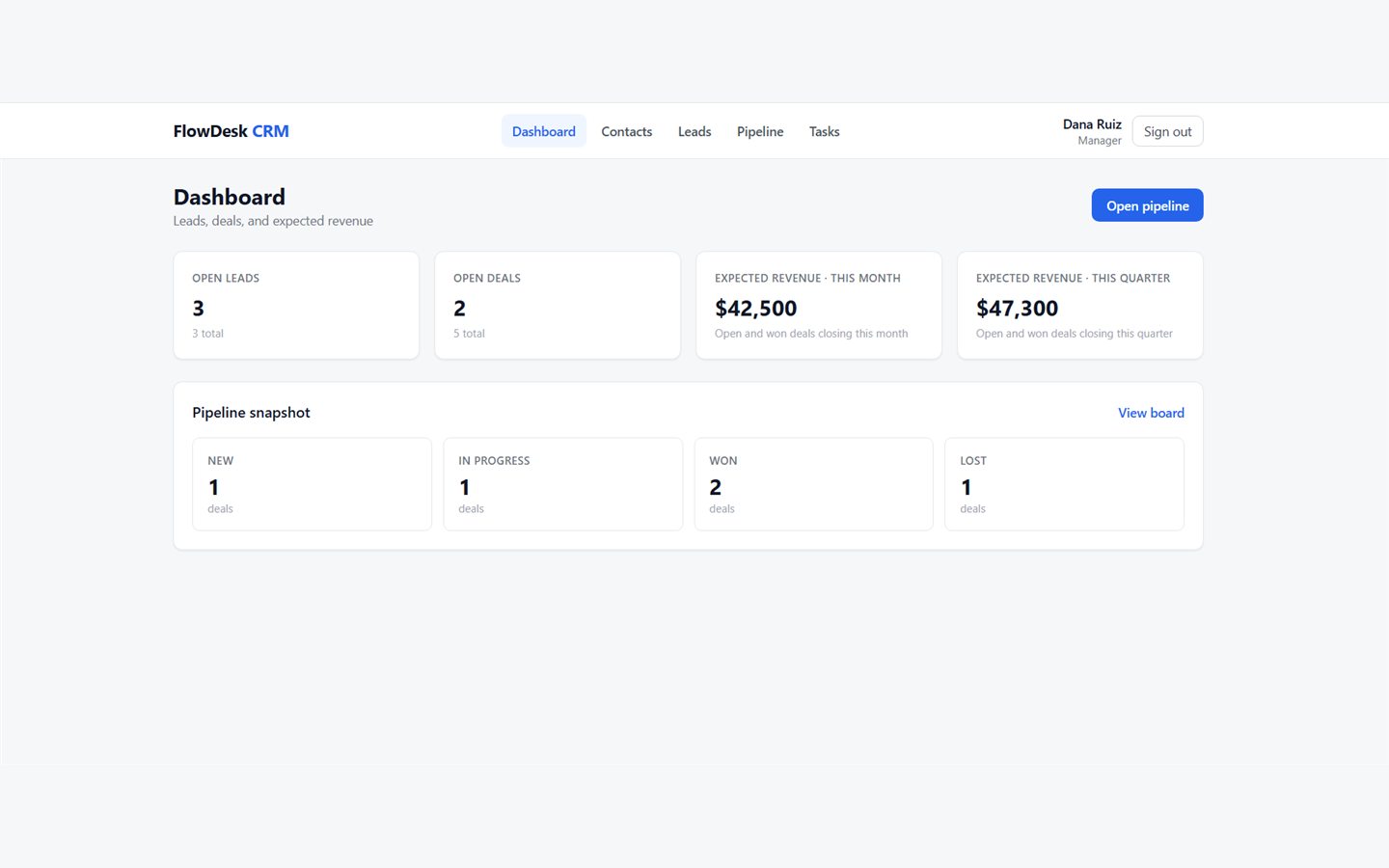
Open the AI app generator or the AI web app builder and describe the screens: unit register and floor map, tenant and agreement tracker, rent and overdue board, enquiry pipeline, and access log.
Where a mobile app helps
A mobile app suits the manager and guards who walk the floor with a checklist, a photo upload for damp or damage, a move-in and move-out inspection form, and a quick unit-status lookup. A tenant app for access and payment is worth building only after you have several hundred tenants and the same questions arrive daily. Build it after your spreadsheet has worked for three months. Start from the AI mobile app builder.
Where a logo and brand mark help
A storage mark appears on a signboard, a building wall, a lock tag, a unit door number, an agreement, a van, and a WhatsApp profile, so it should read from a distance, on a small tag, and in one colour. Pick a short name that is easy to say on a phone, a simple mark that suggests safety or space without copying a famous brand, and a tag design that goes on every lock. Use the AI logo generator to explore marks, and test each on a lock tag, a signboard, and a small circle before you print.

A ninety-day plan if you are starting
- 1
Days 1 to 15
Call movers, small businesses, and hostels near the site, check zoning and fire rules, shortlist two buildings, and cost rent, fit-out, security, and a ramp-up reserve.
- 2
Days 16 to 45
Negotiate a long lease with fixed increases, appoint a designer and a lawyer for the layout and agreement, apply for approvals and registrations, and set the rate card and unit mix.
- 3
Days 46 to 70
Build and secure the units, install CCTV, access control, and fire protection, set up the website, booking, and WhatsApp number, and train the team on the rules and a fire drill.
- 4
Days 71 to 90
Open with a first-month offer on slow sizes, ask partners to refer tenants, review the weekly scoreboard, fix the three biggest gaps in replies or viewings, and keep marketing spend matched to your cash reserve.
A ninety-day plan if you already run a facility
- 1
Days 1 to 15
Measure honestly: occupancy and rent by size, realisation, churn and move-out reasons, overdue tenants by age, cost per move-in, and the expiry dates of insurance and approvals.
- 2
Days 16 to 45
Fix one leak: reply speed, an overlong offer, overdue follow-up, or a damp corner, and set a rule on offers and rate changes by size.
- 3
Days 46 to 70
Raise rates on sizes over 90% full, start two referral partnerships, move more tenants to automatic payment, and test a small-unit conversion or climate-control plan on paper.
- 4
Days 71 to 90
Lock the weekly scoreboard and plan the next two quarters. Only then consider a conversion, a second building, or a new tenant segment.
Common failure patterns
- Signing a short lease on a building that needs years of fit-out to pay back
- Building mostly large units because they looked impressive, then leaving them empty
- Running out of cash in the ramp-up because no reserve was planned
- Discounting permanently to hit an occupancy number and training tenants to wait for offers
- Letting overdue tenants go for months, so the best units are blocked by tenants who never return
- Using a weak or copied agreement and having no safe route for unpaid units or damage claims
- Allowing hazardous or perishable goods into units, and facing fire, pest, or insurance trouble
- Ignoring damp, drains, and roof leaks until stored goods are ruined
- Promising that goods are insured or completely safe when no policy says so
- Opening a second facility before the first is stable and managed without the owner on site
When you are ready to build with Nyravi
Use this guide to decide what the facility needs. When the next step is a storage website with a size guide and a booking form, a unit, tenant, and rent dashboard, a manager app for inspections and photos, or a brand mark for your lock tags and signboard, open Nyravi and describe that product. Keep the brief short: who uses it, what they open first, and what they finish.
If you want help writing that description, ask on Support. Start on the [home page](/), or jump to the product pages linked above. For WhatsApp chatbots, start at cognitivesys.io. The operation comes first. The build carries the system once the system is clear.
Questions
What is a self storage business?+
A self storage business divides a secure building into lockable units of different sizes and rents them to households, students, small businesses, and online sellers on flexible, usually monthly, terms with controlled access. It earns rent on occupied space plus small ancillary sales, and profit is limited by occupancy, rate per sq ft, building rent, and how fast a new facility fills.
How do I start a self storage business in India?+
Start by testing demand with movers, small businesses, and hostels near the site, checking zoning and fire rules, and choosing a building with ground-level access and good loading space. Sign a long lease with fixed increases, design the unit mix with a qualified designer, have a lawyer draft the agreement, install security, fire protection, and CCTV, and market with a size guide, photographs, and partner referrals. Plan a ramp-up reserve, because filling takes many months.
How much does it cost to start a self storage business?+
A small container-based start can cost ₹15 lakh to ₹30 lakh, while a leased 15,000 sq ft warehouse conversion like the worked example in this guide needs about ₹81,40,000, including ₹14,40,000 of deposit, ₹36,00,000 of unit fit-out, ₹8,00,000 of security and fire protection, and a ₹16,00,000 ramp-up reserve. Rent, fit-out cost per sq ft, and speed of fill change the total, so cost your own plan.
How much profit can a self storage facility make?+
Profit depends mainly on occupancy, rate realisation, and building rent. In this guide’s example, 12,000 rentable sq ft at a ₹10,00,000 rate card, 85% occupancy, 92% realisation, and ₹5,70,000 of fixed cost break even at about 63% occupancy and earn about ₹1,89,690 a month after the owner’s draw at stability, but lose about ₹2,88,480 a month at 30% occupancy in the first months, so the ramp-up needs a reserve.
How long does a self storage facility take to fill?+
Most new facilities take well over a year to reach stable occupancy. In this guide’s example, occupancy rises about 3 points a month from 30%, reaching break-even at about 63% in roughly 11 months and 85% in about 18 months, with a cumulative ramp-up loss of about ₹15,86,640. At 2 points a month the break-even takes about 17 months and the reserve about ₹24,00,000, so plan for a slower fill than you hope.
What rent per sq ft can a self storage unit earn?+
Rent per sq ft depends on the city, location, and unit size, and is usually higher for small units. In this guide’s example, small 25 sq ft units earn ₹100 per sq ft, medium ₹90, large ₹80, and extra-large ₹70, with revenue per rentable sq ft of about ₹65 after occupancy and offers. Use these only as a template and test rates against nearby godowns and facilities.
What safety, insurance, and legal rules apply to self storage?+
A facility should confirm land use and building approvals, fire-safety design and clearance, safe electrical load, CCTV and access control, a lawyer-drafted storage agreement with a prohibited-items list, facility insurance for fire, theft, and liability, a clear statement on whether tenant goods are insured, and GST and registrations. The rules and the lawful way to deal with unpaid units differ by state and change over time, so this guide is not legal advice. Confirm each with a lawyer and the authority.
How do I reduce churn and overdue rent in self storage?+
Set up automatic payment at move-in, send reminders before and on the due date, call tenants three days after a missed payment, check in at three months, and record every move-out reason. In this guide’s example, 5% monthly churn means a 20-month average stay and about 8 move-outs a month, cutting churn to 4% saves about ₹16,100 a month, and three units 60 days overdue hold about ₹28,266 of unpaid rent.
Can a WhatsApp chatbot help a self storage business?+
Yes, a WhatsApp chatbot can answer size, rate, and availability questions, suggest a unit size, book viewings, send agreements and payment links, send rent reminders and receipts, and take move-out notices, while handing disputes, damage claims, unpaid-rent steps, and insurance questions to a person. CognitiveSys, the parent company behind Nyravi, builds WhatsApp chatbots and shared inboxes. Start at cognitivesys.io.
Does a self storage business need a website, an app, or Nyravi?+
A self storage business benefits most from a simple website with unit sizes, a what-fits guide, rates, security features, a booking form, and a WhatsApp button, then from a web app once units, tenants, and rent outgrow a spreadsheet. A manager mobile app helps after the spreadsheet works. Nyravi can build the website, dashboard, app, or logo from a plain-language description. For WhatsApp chatbots, start at cognitivesys.io. This guide covers business operations only, not legal, tax, or insurance advice.