
Septic tank & drainage cleaning service
Septic tank cleaning business: how to start, run, and improve one
A practical operator playbook for starting, running, and improving a septic tank and drainage cleaning service in India: what the business really sells, vehicle and equipment investment, per-job and contract formulas, trip and disposal economics, mechanised-only crew, enquiry-to-disposal-slip journey, local marketing, WhatsApp chatbots for urgent overflow calls and bookings, and when a website, dispatch web app, crew mobile app, or logo actually helps. Business operations only, not sanitation-engineering, occupational-health, or legal advice.
 Nyravi AILearn playbookFirst-time septic tank and drain cleaning operators, plumbers and tanker owners adding sanitation services, housing-society service vendors, and existing cleaning operators who want fuller trucks, safer crews, and recurring contracts
Who this guide is for
Read this if you want to start a mechanised septic tank and drain cleaning service, if you own a tanker and want to turn irregular calls into a proper business, or if you already run a truck and the week is uneven: three overflow emergencies on Monday, one job on Thursday, a driver who wants a raise, and a disposal point that sits an hour away.
The playbook covers the business around the truck: pricing per trip, disposal economics, contracts with societies and restaurants, crew safety, and trust. It is written for the owner who runs the vehicle. If you also repair pipes and fittings, read the plumbing guide. If you control insects and rodents, see pest control. If you run a society’s housekeeping and maintenance, the facility management playbook is closer. A septic and drainage cleaning service is a different business from all of them, and the safety side is not optional.
What a septic tank and drainage cleaning business is
A septic tank and drainage cleaning business is a mechanised sanitation service that uses a vacuum tanker, high-pressure jetting equipment, and inspection cameras to empty septic tanks, clear blocked drains and sewer lines, and clean grease traps, then transports the waste to an authorised disposal point. Revenue comes from per-trip tank cleaning, jetting and inspection jobs, recurring contracts with societies and food businesses, and emergency call-outs, and it is capped by truck-hours, the distance to disposal, and the number of trained operators.
Terms you will use every week
- Vacuum tanker: a truck-mounted tank with a suction pump that removes sludge and liquid waste through a hose
- Septic tank: an underground chamber that receives household wastewater and holds solids while liquid drains onward
- Jetting machine: a high-pressure water unit that clears blocked drains and sewer lines through a flexible hose
- CCTV inspection camera: a camera on a flexible rod used to see inside a pipe without opening it
- Grease trap: a chamber in a kitchen drain that captures fat and oil before the wastewater leaves the building
- Faecal sludge treatment plant (FSTP) or sewage treatment plant (STP): an authorised site that receives and treats collected waste
- Disposal slip or manifest: a record that shows where each load was delivered and when
- Trip cycle: the full loop of travel to the customer, pumping, travel to disposal, unloading, and return
A plumber repairs and installs pipes. A pest control firm treats insects and rodents. A facility manager runs a building’s daily services. A septic and drainage cleaner does the hard, unpleasant, regulated job that every building needs every few years, and does it without sending a person into the tank. The product you manage most carefully is not the pump. It is the crew’s safety and the proof of where the waste went.
What a septic cleaning business really sells
A homeowner does not buy 3,000 litres of suction. They buy the end of a smell, a flooded bathroom, or an overflow that has started on a Sunday, and the confidence that it will not happen again soon. A housing society buys a service that arrives on schedule, behaves professionally, and leaves a signed slip that answers any resident’s question.
A cleaner who arrives late, leaves a mess, and dumps waste in a drain or a field creates a health hazard, a complaint, and a possible penalty. The operator who is a little more expensive but arrives on time, cleans up, uses protective equipment, and gives a disposal slip is the one societies renew every year.
How this differs from plumbing, pest control, and facility services
Owners often start from an adjacent trade and carry the wrong cost sheet with them. A truck-based sanitation service is capital-heavy, regulated, and trip-based. That changes how you price and how you measure.
Where the lines fall
- Plumbing: you earn on repair and installation labour inside the building. A cleaner earns on trips and truck-hours, and rarely touches fittings. Read plumbing for that side
- Pest control: you earn on treatments and contracts against insects and rodents. A cleaner’s recurring revenue comes from tank cycles and grease traps. See pest control
- Facility management: you manage many daily services for one site. A cleaner is often a specialist vendor under that contract
- Home service marketplaces: you earn on short small jobs of many kinds. A septic cleaner’s ticket is larger, the vehicle is specialised, and compliance matters more, which is why home service pricing does not apply
- Car wash and laundry: you earn on repeatable, low-risk, in-shop washing. A sanitation operator’s risk is the crew’s health and the legality of disposal
Choose a focus before you buy the truck
The market is wide: a single-house tank, a restaurant grease trap, a society’s sewer line, and a factory drain are four different customers. Pick the segment you can serve every time, and let everything else be an occasional job at a fair price.
Decide these before you commit money
- Primary customer: homes, restaurants and cafes, housing societies, offices and schools, or industry
- Truck size: a compact tanker for narrow lanes, or a larger one for societies and commercial sites
- Service mix: tank cleaning only, or tank cleaning plus jetting, inspection, and grease-trap contracts
- Disposal route: the authorised sites within a sensible distance, and the fee or arrangement for each
- Service radius that one truck can cover within a few hours, which sets your arrival promise
- Emergency call-outs: a priced after-hours option, and the crew roster that supports it
- Recurring contracts you will actively sell, such as monthly restaurant grease traps and annual society sewer cleaning
Start-up and monthly cost formulas
A sanitation service needs a vehicle, equipment, safety kit, and insurance before the first job. The truck is the large number, but the number that decides survival is the distance to the disposal point, because it eats truck-hours every day.
Per-job contribution: what one trip really earns
The ticket price is not what you keep. Diesel, disposal fee, consumables, and the operator’s incentive come out of it. Calculate contribution per job, and separate tank jobs from jetting and inspection jobs, because their costs differ.
Trips, disposal distance, and truck utilisation
A tanker earns only while it is pumping or on the way. The longer the loop to the disposal site, the fewer jobs a day. Measure the trip cycle for each route, and know which neighbourhoods are profitable at your price.
Break-even: how many jobs and contracts you need
Because fixed cost is steady and individual jobs are irregular, break-even works best when recurring contracts cover a share of fixed cost before the first call of the month. A grease-trap contract that arrives every month is worth three random one-off jobs.
Permits, safety, and the mechanised-only rule
This business has the highest safety stakes of any in this library. The air in a tank can kill in minutes, and workers have died trying to rescue colleagues. Indian law prohibits manual entry into septic tanks and sewers and requires mechanised cleaning, protective equipment, and trained crews. Treat this section as a checklist to confirm, not as instructions.
Confirm each with a qualified professional and the authority
- Business registration, GST, and any licence or registration your city or state requires for septic tank cleaning vehicles and operators
- Compliance with the law that prohibits employing people for manual cleaning of septic tanks and sewers, and any mechanised-cleaning rules and standard procedures in your state
- A written policy that no worker enters a tank, chamber, or sewer by hand, and that the crew has authority to refuse any unsafe job
- Training for operators on mechanised equipment, gas hazards, hose handling, and emergency response, with records
- Gas detection, ventilation practice, and no ignition sources near a tank, with calibration and logs for detectors
- Personal protective equipment, hygiene, health checks, and first-aid arrangements as advised by occupational-health professionals
- Authorised disposal only, with a slip for every load, and a ban on dumping in drains, water bodies, or fields
- Insurance for the vehicle, crew, public liability, and third-party property damage
The team a septic and drainage cleaning business needs
A business run by the owner who drives, pumps, quotes, and collects has a ceiling of a few jobs a day and no time for training or safety. Past that, driving, operating, dispatching, and accounts need separate people with written checklists.
Roles that keep trucks running safely
- Owner: pricing, vehicle and loan, disposal arrangements, compliance, customer relationships, and the monthly review
- Driver: safe driving, truck checks, route knowledge, and disposal-point procedure
- Trained operators: suction, jetting, camera inspection, detection checks, and site clean-up
- Supervisor or lead operator: safety briefing, equipment checks, and sign-off of each job sheet
- Coordinator: enquiries, scheduling, routes, contract calendar, and payment follow-up
- Mechanic on call: pump, hose, vacuum system, and jetting equipment maintenance
- Accounts: invoices, contract receipts, disposal fees, payroll, and GST
Pay operators a fixed salary plus a bonus for safe jobs, clean sites, and good customer feedback, not for the number of tanks emptied in a day. A crew paid only per tank will cut safety checks to finish one more job.
Equipment, maintenance, and the daily check
A truck that fails in the middle of the day leaves a customer with an overflowing tank and a story to tell. Scheduled maintenance is cheaper than a roadside repair and an angry client.
Maintenance rules worth writing down
- A daily check by the driver and operator: vacuum pump, hoses, seals, valves, tyres, lights, and safety kit
- Weekly cleaning and inspection of hoses and nozzles, with replacement at defined wear limits
- Detector calibration and test records kept in the truck and in the office
- Service intervals by hours and kilometres, not only by the calendar
- A spares kit for the three failures that happen most: hoses, seals, and nozzles
- A clean-out routine so the truck and crew return to the yard hygienically
- A monthly review of repair cost per job against the last three months
Pricing: per trip, contracts, and emergencies
Customers compare the price of one trip and forget the cost of doing it badly. Price the whole job, show what is included, and explain why the cheapest quote is often the one that will not give a disposal slip.
Build a price sheet you can explain in a minute
- Base price per tanker trip for a standard tank volume, with a clear charge if a second trip is needed
- Distance or zone surcharge based on your disposal-run cost, shown as a flat figure
- Jetting, camera inspection, and grease-trap prices listed separately
- Emergency and after-hours surcharge with the arrival promise that comes with it
- A written statement of inclusions: crew, equipment, disposal fee, protective equipment, and the disposal slip
- Contract tiers for restaurants and societies, with a fixed visit schedule and a response commitment
- Access rules: what the customer must arrange, such as a marked tank location, vehicle access, and a responsible person present
The customer journey from call to disposal slip
Most sanitation jobs are triggered by an urgent problem. The customer calls two or three numbers and usually books the one who sounds calm, gives a price and arrival time, and shows up.
A standard journey
- 1
1. Call and triage
Answer or reply within minutes. Ask the location, tank type and size if known, access for a truck, and whether there is any smell, gas, or injury, and give emergency advice if so.
- 2
2. Quote and slot
Give a price range, an arrival window, and what the customer must arrange. Confirm by message with the price sheet.
- 3
3. Arrival and safety check
Introduce the crew, confirm the tank location, set up barriers, and run the detection and ventilation checks before any lid is opened.
- 4
4. Mechanised cleaning
Pump out the tank with suction equipment, jet or inspect if needed, and never send a person inside.
- 5
5. Clean-up and handover
Close and secure the lid, wash the area, and show the customer the result and the job sheet with photographs.
- 6
6. Authorised disposal
Deliver the load to an authorised site and obtain the disposal slip.
- 7
7. Invoice and slip
Send the invoice and the disposal slip by message the same day, with the next recommended cleaning date.
- 8
8. Reminder and referral
Remind the customer before the next cycle, and ask for a review and referral while the service is fresh.
Contracts for restaurants and housing societies
Recurring contracts are what turn a truck into a business. A restaurant must clean its grease trap often, a society must keep sewer lines clear, and both prefer a vendor who comes on schedule and leaves paperwork.
Terms worth writing down
- Visit schedule, such as monthly for grease traps and quarterly or annual for society lines
- Response commitment for emergencies and the surcharge, if any, for after-hours calls
- Inclusions and exclusions, such as camera inspection, jetting, and extra trips
- Disposal slip for every load and a monthly summary for the committee or manager
- Access responsibility: who opens covers, clears vehicles, and is present during work
- Payment terms, renewal date, and a notice period for termination
- A statement of the crew’s safety rules, including mechanised work only, and the customer’s duty not to pressure the crew to break them
A simple weekly rhythm
Run the truck on a short scoreboard
- Daily: check tomorrow’s route, truck readiness, detector status, crew roster, and any emergency call that came in overnight
- Before each job: confirm the address, access, tank type, and the safety checklist with the crew
- After each job: job sheet signed, photographs filed, disposal slip recorded, hoses washed, and the next due date set
- Weekly: enquiries, jobs done, trips per day, disposal distance, contracts visited, and invoices overdue
- Weekly: near-miss and safety observations, detector calibration status, and any refused job
- Monthly: contribution by job type, repair cost per job, contract renewals, utilisation, and top three complaints
Money: the numbers that decide survival
Watch these every week and every month
- Jobs completed against break-even jobs, by day of the month
- Contribution per job, and the share of emergency and contract work
- Trips per day and average disposal distance
- Cash in hand against three months of instalments, crew pay, and insurance
- Receivables from societies and commercial customers aged 30, 60, and 90 days
- Repair and maintenance cost per job, and detector and equipment replacement spend
- Contract count, renewal rate, and monthly contract contribution
ROI formulas you can use this month
Marketing a septic tank cleaning business in India
Customers search when the problem is already visible. They call the number on a neighbour’s sticker, search Google Maps, or ask a plumber. Your marketing should be proof first: a clean truck, trained crew, clear price, and a disposal slip nobody else offers.
What moves bookings
- A complete Google Business Profile with service area, truck photos, 24-hour number for emergencies, and quick replies to every review
- A truck with a clear name, number, and a line such as “Mechanised cleaning. Disposal slip with every job.”
- Referral ties with plumbers, builders, architects, and housing-society managers who are asked for a trusted vendor
- A reminder sticker on every tank cover or meter box with the next due date, with the customer’s permission
- A one-page contract sheet for restaurants and societies that explains schedule, slip, and price
- Seasonal messages before the monsoon, when overflows are most likely, to past customers and societies
- Neighbourhood WhatsApp groups and notice boards, tracked by a question at enquiry time
Reviews and reputation
A complaint about a messy site or an unexplained dumping travels through a housing society’s group chat in an hour. In a trust business, reviews are not a side task. They are the second most important sales tool after a fast, calm reply.
A review routine that works
- Ask for a review a day after the job, with a direct link and a one-line prompt
- Reply to every review within 48 hours, thanking the good ones and offering a call for the bad ones
- Tag each complaint by cause: late arrival, mess, price, behaviour, or disposal question
- Fix the cause with the biggest count first and tell the crew what changed
- Never argue publicly and never post a reply that identifies a customer’s address
Channels that bring work
Rank them by cost per booked job
- Referrals from past customers, plumbers, and society managers: usually the cheapest and highest-converting
- Google Maps and local search: high intent for emergencies when the profile and photos are strong
- WhatsApp groups of residents and restaurant associations: strong for seasonal reminders
- Direct sales visits to restaurants, hotels, schools, and societies for recurring contracts
- Tie-ups with builders and property managers who need a vendor for newly handed-over buildings
- Municipal and institutional contracts: useful for volume, but price in slower payment and compliance cost
- Local newspapers and wall paintings: occasional, and tracked by a question at enquiry time
Track the source of every enquiry in one column of your job sheet. After a quarter you will know which channel pays for itself and which one brings price-checkers who never book.
Automation that frees the owner
Automate these first
- Acknowledgement of every call and message with price range and arrival window
- Booking confirmation with the access checklist and the crew name
- Arrival updates when the truck leaves for the customer
- Invoice and disposal slip delivery the same day as the job
- Reminders for the next cleaning cycle, at around two years and ten months for a typical household tank, or as the contract says
- Contract visit reminders to the customer and the crew, and monthly summaries for societies
- A weekly digest to the owner: calls, jobs, trips per day, contracts due, refused jobs, and invoices overdue
Where a WhatsApp chatbot helps
Customers message from a flooded bathroom or a society group with a leaking line: “Is the truck available today?”, “What is the rate for a 3,000-litre tank?”, “Can you come tonight?”, “Do you give a receipt for disposal?”. If those messages wait until the crew is back from the disposal site at 8 pm, the customer has already called someone else.
What a business WhatsApp chatbot is good for
- Answering service-area, price-range, process, and contract questions from facts you approve
- Collecting location pin, tank type and size, access details, and a photo into one job sheet
- Booking a slot and sending arrival updates with the crew name
- Sending invoices, disposal slips, and next-cycle reminders
- Telling anyone who reports a strong smell, gas, dizziness, or someone entering a tank to stay away, call emergency services, and not to attempt a rescue
- Handing the whole thread to a person for negotiation, safety concerns, or any urgent issue
Why septic and drain cleaners use it
- Customers already live on WhatsApp and prefer sending a location pin and a photo to describing a route
- One shared inbox instead of the owner’s personal number
- Fewer repeat calls asking when the truck will arrive
- Faster first replies, which is where urgent jobs are won
Use WhatsApp for conversation, your website for the proof, and a web app when dispatch, job sheets, and contracts need to live in one place.
Growing a septic tank and drainage cleaning business
Growth is not only a second truck. It is more recurring contracts, more jetting and inspection on each visit, shorter disposal runs, and a name that societies and restaurants recommend.
Ways to grow responsibly
- Convert every one-off customer into a reminder and every restaurant into a monthly contract before chasing new areas
- Add jetting and camera inspection as a standard second job on each visit
- Negotiate a closer authorised disposal point or a better schedule to cut the trip cycle
- Bundle sewer-line cleaning and grease traps for societies, hotels, and school campuses
- Train a second crew and a second supervisor before adding a second truck
- Create a safety record, training log, and disposal-slip archive that you can show tenders and committees
- Keep four months of fixed costs in reserve before taking on a second vehicle loan
Where a website helps
Customers will visit your website before they call, often in a hurry. It should show your service area, a 24-hour number, how a job works, the mechanised-only promise, photographs of the truck, your price approach, a service request form with a location pin, and a WhatsApp button, in that order. A website that lists only a phone number loses to the operator who answers every first question on one page.

Start from the AI website builder or build a website with AI and describe your area, your trucks, and the three questions you want a customer to answer on the page.
Where a web app helps
A web app helps when dispatch, job sheets, contracts, disposal slips, and invoices outgrow a notebook and a spreadsheet, and when two people might send the same truck to two different addresses. A signed-in dispatch board that shows today’s jobs, contract visits due, disposal slips pending, and invoices overdue gives the owner and coordinator the same answer.
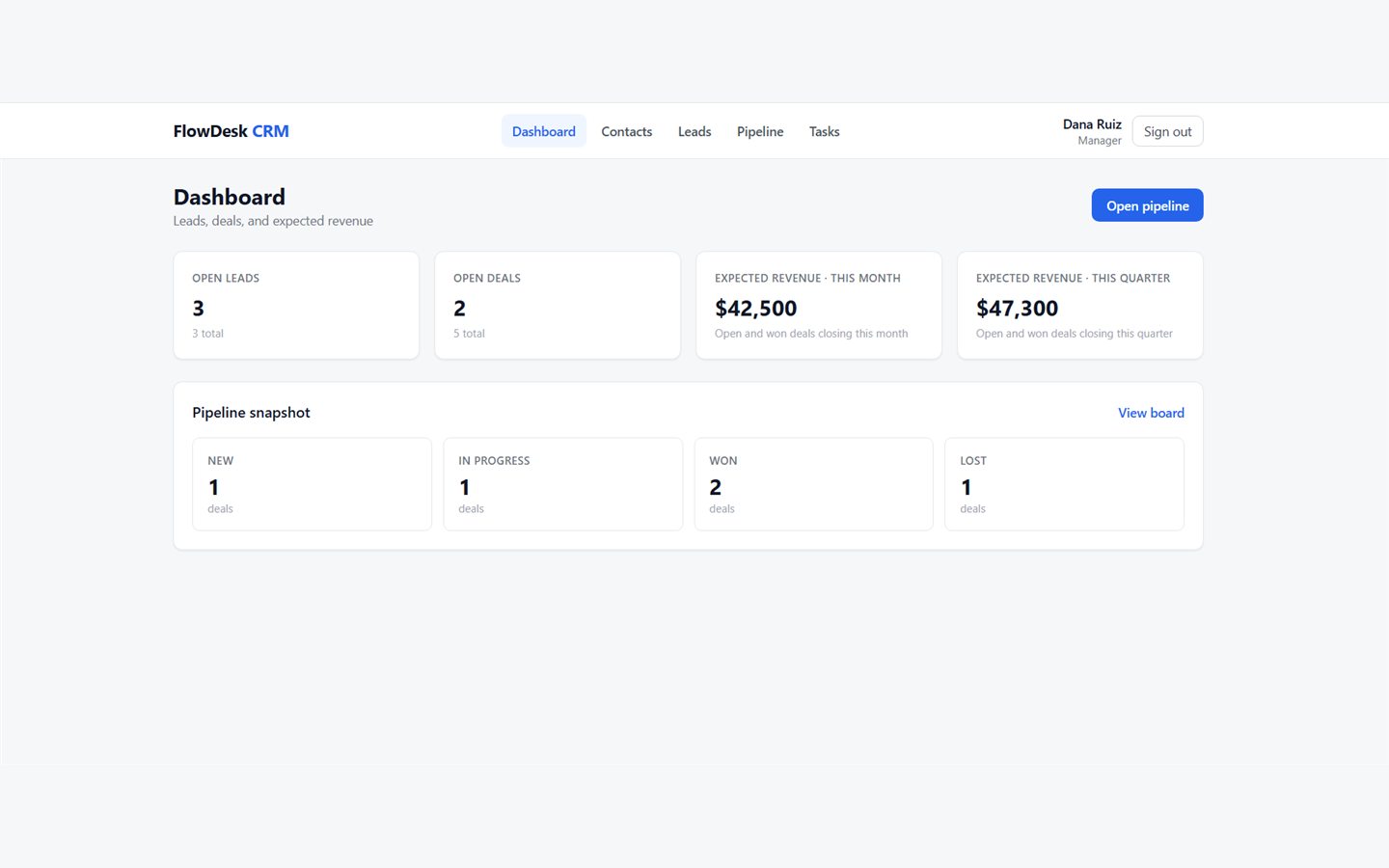
Open the AI app generator or the AI web app builder and describe the screens: dispatch calendar, job sheet with photographs, contract schedule, disposal-slip log, and invoice tracker. Equipment and hose logs fit the inventory app builder.
Where a mobile app helps
A mobile app suits the crew lead who needs today’s job list, a location pin, a safety checklist that must be ticked before work, photographs, a disposal-slip capture, and a push alert for an urgent call. Build it after your paper checklist works for a month. Start from the AI mobile app builder.
Where a logo and brand mark help
A clear name and mark appear on your truck, uniforms, invoices, disposal slips, reminder stickers, and WhatsApp profile, so they should look good in small sizes and on dark and light backgrounds. A clean, professional truck changes how a society committee sees you before you speak. Use the AI logo generator to explore marks, and test each on a truck side and a small sticker before you print.
A ninety-day plan if you are starting
- 1
Days 1 to 15
Confirm licensing and disposal points with the authority, study three nearby operators as a mystery customer, count restaurants and societies in your radius, and write your start-up and fixed-cost sheet.
- 2
Days 16 to 45
Choose the truck, equipment, and insurance. Hire trained operators, buy the safety kit, and write your price sheet, job sheet, stop-work rule, and contract template.
- 3
Days 46 to 70
Build a simple website and Google profile, meet 20 plumbers, society managers, and restaurant owners, and offer a few introductory contracts.
- 4
Days 71 to 90
Measure trips per day, disposal distance, and break-even jobs, collect reviews, and fix the three biggest gaps before you spend more on advertising.
A ninety-day plan if you already operate
- 1
Days 1 to 15
Measure honestly: jobs by month, contribution per job, trips per day, disposal distance, contracts active, repair cost per job, and top three complaints.
- 2
Days 16 to 45
Fix one leak: a long disposal run, no disposal slip, or no safety checklist. Build the customer register from your call log.
- 3
Days 46 to 70
Pitch monthly grease-trap contracts to ten restaurants, add jetting and camera offers, and introduce automated replies and reminders.
- 4
Days 71 to 90
Lock the weekly scoreboard and plan the next monsoon season. Only then consider a second truck or crew.
Common failure patterns
- Buying a truck without budgeting for the slow months and the disposal run
- Ignoring the mechanised-only rule or sending a worker into a tank
- Skipping gas detection or letting detectors go uncalibrated
- Dumping waste at an unauthorised point to save time
- No disposal slip, so a customer or inspector cannot be shown where the waste went
- Paying crews only per tank, which pushes unsafe speed
- Pricing every area the same despite very different disposal distances
- Replying to emergency calls the next morning
- Taking on a second truck before the first reaches healthy utilisation
When you are ready to build with Nyravi
Use this guide to decide what the business needs. When the next step is a service website, a dispatch and contract board, a crew checklist app, or a brand mark for your truck and reminder stickers, open Nyravi and describe that product. Keep the brief short: who uses it, what they open first, and what they finish.
If you want help writing that description, ask on Support. Start on the [home page](/), or jump to the product pages linked above. For WhatsApp chatbots, start at cognitivesys.io. The operation comes first. The build carries the system once the system is clear.
Questions
How do I start a septic tank cleaning business in India?+
Start by confirming licensing and authorised disposal points with your local authority, then build a start-up sheet that includes a vacuum tanker, jetting machine, camera, safety kit, insurance, and four months of working capital. Hire trained operators, adopt a mechanised-only and stop-work policy, write a price sheet and contract template, and meet plumbers, restaurants, and society managers before you advertise.
How much does it cost to start a septic tank cleaning business?+
A single-truck service with a vacuum tanker, jetting machine, inspection camera, and safety kit can cost roughly ₹20 lakh to ₹45 lakh in total depending on vehicle size, new or used, and city, but your figure depends on the equipment. The worked example in this guide totals ₹27,50,000 including four months of working capital.
How much profit does a septic tank cleaning business make?+
Profit depends on trips per day, disposal distance, and recurring contracts, not on the ticket price alone. In this guide’s example, blended contribution of ₹2,600 per job and ₹37,500 of monthly contract contribution mean about 46 jobs cover ₹1,57,000 of fixed cost, and 75 jobs a month leave roughly ₹75,500. Track trips per day and cost per job every month.
How do I price septic tank cleaning?+
Price per tanker trip for a standard tank volume, add a zone surcharge based on your disposal-run cost, and list jetting, inspection, and grease-trap work separately. In this guide’s example a ₹3,800 trip leaves ₹2,300 contribution after diesel, disposal fee, consumables, and incentive. State inclusions, offer contract tiers, and never drop the disposal slip or safety to win on price.
How do I market a septic tank cleaning business in India?+
Lead with proof: a complete Google Business Profile, a clean branded truck, a clear price sheet, and fast replies on WhatsApp with a location pin. Build referral ties with plumbers, builders, and society managers, sell monthly grease-trap contracts to restaurants, send reminders before the monsoon, and track which source brings each enquiry.
How can I improve my septic tank cleaning service?+
Shorten the trip cycle by clustering jobs and negotiating a closer authorised disposal point, add jetting and camera inspection to each visit, and convert one-off customers into reminders and restaurants into monthly contracts. Keep a daily safety checklist, give a disposal slip with every job, and review complaints monthly to fix the most repeated cause first.
Can a WhatsApp chatbot help a septic tank cleaning business?+
Yes, a WhatsApp chatbot can answer service-area and price-range questions, collect location pin, tank size, and photos, book slots, and send invoices, disposal slips, and reminders, while giving a clear safety message for gas or fainting reports and handing urgent and negotiation cases to a person. CognitiveSys, the parent company behind Nyravi, builds WhatsApp chatbots and shared inboxes. Start at cognitivesys.io.
Does a septic tank cleaning business need a website or a web app?+
A cleaning business benefits from a website for proof and service requests, and from a web app once dispatch, job sheets, contracts, and disposal slips outgrow a spreadsheet. The website helps customers trust you before they call. The web app helps your team avoid double-booked trucks and missed contract visits. Start with the website, then add the app when the dispatch calendar becomes hard to trust.
Is septic tank cleaning different from plumbing or pest control?+
Yes, a septic and drainage cleaner earns on mechanised tanker trips, jetting, and recurring contracts with authorised disposal, while a plumber earns on repair and installation labour and a pest control firm earns on treatments against insects and rodents. Safety and disposal compliance matter far more here. Read the linked plumbing and pest control guides for those sides.
Can Nyravi help after I read this guide?+
Yes, Nyravi can help you build the digital side: a service website, a dispatch and contract web app, a crew mobile app, or a logo for trucks and reminder stickers. Describe the product in plain language and ask on Support if you want help with the brief. For WhatsApp chatbots, start at cognitivesys.io. This guide covers business operations only, not sanitation-engineering, occupational-health, or legal advice.