

Uniforms & workwear supply
Uniform and workwear supplier business: how to start, run, and improve one
A practical operator playbook for starting, running, and improving a uniform and workwear supply business in India: what the business really sells, school, corporate, and retail contribution formulas, break-even, season stock and receivables cash formulas with checked ₹ examples, school-season planning, size curves and shade consistency, tender and bulk-quote pricing, GST and vendor registration checkpoints, a measurement and dispatch team, weekly scoreboards, WhatsApp chatbots for parents and HR desks, and when a website, order-management web app, field mobile app, or logo actually helps. Business operations only, not legal, tax, or procurement advice.
 Nyravi AILearn playbookFirst-time uniform and workwear suppliers, tailors and garment traders moving to bulk orders, school stationery and bookstore owners adding uniforms, boutique and manufacturing owners selling to institutions, small garment units that want corporate and hospital contracts, and existing suppliers that want less dead stock, faster receivables, and steadier income outside the school season
Who this guide is for
Read this if you want to open or run a business that supplies uniforms and workwear to schools, colleges, hospitals, hotels, factories, security agencies, restaurants, and corporate offices, whether you source from manufacturers, run your own stitching unit, or use job-work tailors. It is also for a tailor who keeps getting asked for 200 shirts by a school, a bookstore owner who wants a larger share of the June rush, a garment trader who wants contracts instead of walk-ins, and an owner whose school season is busy but whose cash, stock, and sizes are always in a mess. If your orders are fine but your stock, shade matching, or payment cycle are not, this playbook is for you.
The playbook covers the business around the garment: segments, costing, quoting, sizing, stock, quality, receivables, and growth. If you make bespoke clothes for individuals, read the tailor and alteration guide. If you run a fashion shop, see boutique clothing. If you operate the stitching or embroidery unit that makes the goods, the manufacturing and embroidery unit guides fit better. If your buyers are mainly institutions that you also supply with services, read facility management. A uniform supplier is judged on exact sizes, consistent shade, on-time delivery before a term or shift starts, and whether the invoice gets paid.
What a uniform and workwear supplier business is
A uniform and workwear supplier is a B2B and B2C trading or manufacturing business that supplies standard garments such as shirts, trousers, skirts, blazers, ties, aprons, coveralls, and housekeeping and security wear, usually with the buyer’s colours and logo, in measured sizes, on a delivery date linked to a term, shift, or event. Revenue comes from sets sold per month at a net price per set, and it is limited by the sizes you can fit, the fabric and shade you can match, your stitching or job-work capacity, and how fast buyers pay.
Terms you will use every week
- Set: a standard pairing such as a shirt and trouser or a tunic and skirt, the unit most buyers and quotes use
- Size chart: the measurements, in your own sizing system, that map each person to a garment size
- Size curve: the share of demand that falls in each size, used to decide how much of each size to build in advance
- Shade matching: keeping fabric colour consistent across production lots, so a reorder matches the original
- Lead time: days from approved order and measurements to delivery, which sets your production calendar
- MOQ and run: the minimum quantity per design or size that makes production worthwhile
- Landed cost: the full cost of a garment delivered to you, including fabric, stitching, trims, branding, and freight
- Receivables: money buyers owe you after delivery, which is often the biggest use of cash in this business
A uniform business is closer to a seasonal manufacturing and logistics business than to a shop. The garments are plain, the margin is thin, and the loss comes from one wrong size, one shade mismatch, or one invoice that sits unpaid for ninety days. The skill you manage most carefully is planning.
Uniform business at a glance: the worked example in this guide
Key figures, all illustrative and to be replaced with your own data
- Scale: an average month of 600 school and college sets, 400 corporate, hospital, hotel, and security sets, and 300 retail pieces, based on a year where schools bring most of their volume between February and June
- Sales: schools 600 × ₹1,150 = ₹6,90,000, corporate 400 × ₹1,350 = ₹5,40,000, retail 300 × ₹650 = ₹1,95,000, which totals ₹14,25,000 a month
- Contribution: about ₹330 per school set, ₹420 per corporate set, and ₹220 per retail piece, which totals ₹4,32,000, about 30.3% of sales
- Fixed cost: about ₹3,00,000 a month including a ₹50,000 owner draw and ₹30,000 of stock financing
- Profit in an average month: about ₹1,32,000, with school-light months near ₹35,829 and peak months near ₹2,66,640, and about ₹8,100 a month of extra interest if corporate buyers slip from 45 to 90 days to pay
- Break-even: about ₹9,89,583 of sales a month, which is about 69% of the average volume
- Season cash need: about ₹12,69,800 of pre-built stock and receivables at peak, against ₹12,00,000 funded by stock and working capital
- Start-up investment: about ₹18,00,000, which pays back in about 14 months at that profit
Treat these as a template for your own sheet, not as a promise. Prices, season shape, and credit terms vary by city, product, and buyer. The point is to see which three numbers move profit most: contribution per set, how much stock you build ahead, and how many days buyers take to pay.
What a uniform supplier really sells
A school principal, a hotel HR manager, or a hospital purchase officer does not buy a shirt. They buy the assurance that every student or employee will be dressed correctly on the first day, in the right size, in the same shade as last year, with one invoice and one person to call. The first order is won on price and samples. The fifth is won on whether the delivery was complete.
A supplier who quotes every garment for every buyer, from school ties to welding aprons to chef coats, spreads fabric, minimums, and supplier relationships thin. A supplier who picks two or three segments, builds a clear size system and a few trusted fabric sources, and delivers on time is easier to run and to defend. Reliability is the product, and the garment is the proof.
How a uniform supplier differs from a tailor, a boutique, and a factory
Owners often borrow numbers from a tailor or a clothing shop and get the wrong sheet. A uniform supplier is a repeat, institution-led, sizing-heavy, seasonal business with long credit cycles. That changes the stock you carry, the people you hire, and the cash you need.
Where the lines fall
- Tailor and alteration shop: one customer at a time, bespoke fitting, quick turnaround. See tailor and alteration for how a made-to-measure shop is run and how it can serve as your alteration partner
- Boutique and clothing retail: fashion, walk-ins, and trends. See boutique clothing for the retail model that your retail counter will borrow from
- Garment manufacturing: you own the machines and labour. See manufacturing if you plan to stitch in-house instead of buying finished goods
- Embroidery and branding units: crests, logos, and name tags as a service. See embroidery unit for the branding process and capacity you will rely on
- Screen printing and merchandise: printed tees and event wear. See screen printing if your buyers also want printed T-shirts for staff and events
- Footwear and accessory retail: a related line schools and hotels often ask for. See footwear store for how a shoe supply line is run
Choose a segment and model before you buy fabric
A uniform business can supply almost anyone in a collar, which is exactly why new suppliers supply everyone badly. Pick the segments, product range, and sourcing model you can deliver consistently, and treat the rest as pilots.
Common segments and what they ask of you
- Schools and colleges: large, seasonal, and brand-sensitive volumes, with parents as the end customer. The challenge is a short window, many sizes, and regulation around vendor choice
- Corporate offices and banks: stable sets, formal fabrics, and long contracts. The challenge is competitive tenders and slow approvals
- Hospitals, clinics, and labs: scrubs, coats, and housekeeping wear. The challenge is fabric standards, colour-coding, and infection-control preferences
- Hotels, restaurants, and cafes: chef coats, aprons, and front-of-house wear, with a high replacement rate. The challenge is fast, small, repeat orders
- Factories, warehouses, and security agencies: durable workwear, coveralls, and guard uniforms. The challenge is rugged fabric and price pressure. See ppe and safety store for the safety-equipment side of the same buyers
- Retail and walk-in uniform shop: steady daily revenue at a higher price per piece. The challenge is carrying stock for many designs
- Online and marketplace sales: reach beyond your city for generic workwear. The challenge is returns and a lower margin
Decide these before you commit money
- The two or three segments you will serve first and the ones you will refuse
- Whether you buy finished garments, use job-work tailors, or run your own unit, and who holds quality responsibility
- Fabric sources, shade-lock method, and how you will keep the same shade across lots
- Your size system, measurement process, and exchange and alteration policy
- Payment terms by segment: advance, on delivery, 30, 45, or 60 days, and what happens when a buyer pays late
- Scale for the first year: a shop and a small team, a mid-size supplier with several institutional accounts, or a regional supplier with an in-house unit
How a uniform order works, from RFQ to payment
Every institutional uniform order follows the same shape: understand the specification, cost and quote, send samples, get approval, measure, produce, check quality, deliver, invoice, and collect. Buyers and products differ, so this is a map, not a method.
A typical institutional order flow
- 1
1. Specification and quote request
Get the garment list, fabric, colour, logo, sizes, quantities, delivery date, and payment terms in writing.
- 2
2. Costing and quote
Cost each garment from fabric, stitching, trims, branding, packing, delivery, and financing, and send a clear quote with validity and terms.
- 3
3. Samples and approval
Send fabric swatches and a sample garment, take written approval on fabric, shade, and design, and freeze the specification.
- 4
4. Measurement
Collect sizes through a measurement day, a size chart, or a try-on kit, and record each person’s size on a sheet with their consent.
- 5
5. Purchase and production
Buy fabric in one shade lot, cut and stitch to the approved sample, and plan staged deliveries around the buyer’s start date.
- 6
6. Quality check
Check measurements, stitching, buttons, logo placement, and shade against the approved sample before packing.
- 7
7. Pack and deliver
Pack by person, class, or department with name labels, deliver with a challan, and collect a signed receipt.
- 8
8. Exchange, invoice, and review
Handle size exchanges in a set window, invoice against the challan, follow up on the due date, and review the season with the buyer.
Start-up and monthly cost formulas
A uniform supplier needs a store or godown, stock, racks and measuring tools, a small alteration corner, systems, samples for pitches, and a large working-capital cushion. Stock and receivables are the two lines founders most often underfund, and the two that most often end a seasonal supplier.
Set economics: what one set earns
Showrooms pay for themselves only if each set earns more than it costs after fabric, stitching, branding, delivery, and returns. Work out the landed cost and contribution for each segment, and run the business from those numbers rather than from a quotation you won on price.
Break-even and profit: sales and sets per month
Because rent, salaries, and stock financing are paid whether it is a June rush or a November lull, the sales you need each month are the most important number on the wall. Put it where the whole team can see it.
Registration, licences, and compliance basics
A uniform supplier touches business registration, GST, labelling, labour rules if you stitch, public-procurement rules if you bid, and school or institutional vendor policies. The framework differs by state, structure, and buyer. Treat this section as a checklist of things to confirm, not as instructions.
Confirm each with a qualified professional and the authority
- Business structure and Udyam (MSME) registration, which often helps with tenders, vendor registration, and bank credit
- GST registration, the correct HSN codes, and the rate for each garment and price band, confirmed with a chartered accountant, since the rate can depend on the value per piece and can change
- Shop and establishment registration, trade licence, and professional tax as your state requires
- If you stitch in-house: Factories Act, ESI, and PF thresholds, fire safety, and worker-safety requirements for your unit
- Legal Metrology and labelling rules for pre-packed or labelled garments, including size, material, and care labelling where required
- Vendor registration with corporate and hospital buyers, and registration on the Government e-Marketplace (GeM) or relevant portals if you plan to bid for public supply
- Tender conditions such as earnest money deposit, performance guarantee, past-supply certificates, and the buyer’s quality standards
- State and school-board rules on how schools may appoint uniform vendors, and on pricing or commissions, since many states restrict compulsion or tie-ups
- Written contracts or purchase orders with specification, shade, delivery dates, exchange terms, and payment dates
- Insurance for stock against fire and theft, and a plan for the monsoon, since stored fabric is vulnerable to damp
Measurement, size curves, shade, and quality systems
The two most expensive errors in this business are the wrong size and the wrong shade. A size error means returns and a second stitching run. A shade mismatch means a parent or an HR head rejects a whole lot. Both are prevented by systems, not by memory.
Systems worth writing down
- A fixed size chart with measurements for each size, printed and used by every measurer, so ‘medium’ means the same thing across batches
- A measurement sheet for each school class or department, with name, size, and quantity, collected with the buyer’s permission and stored securely, since children’s data is sensitive
- A try-on kit with sample garments in each size for parents or staff to try before ordering
- A size curve for each repeat buyer, built from last year’s sizes, to decide how many of each size to build in advance
- A shade-lock system: one approved swatch card per fabric, stored in the office, and a record of the mill and lot number for each purchase
- Fabric tests where needed: shrinkage, colour fastness to wash and sweat, and GSM, with a written report for large buyers
- A quality check using a sampling plan, such as a fixed percentage of each lot, with a simple pass or fail sheet and a rule on what is reworked
- An exchange window, with clear rules on size changes, a record of each exchange, and a tag for why it happened
The team a uniform supplier needs
A uniform business works when each person owns a stage and a standard, not when everyone chases every order. Hire for accuracy and follow-up discipline, and train each new person on the size chart and shade card before they touch an order.
Roles that keep sizes right and invoices paid
- Owner or business head: segments, pricing, key accounts, cash, and the weekly review
- Sales and account executive: schools, corporates, and hospitals, quotes, samples, and relationship follow-up
- Measurement and counter staff: measuring, fitting, parent and staff queries, and exchanges
- Production or job-work coordinator: fabric, cutting, tailors, quality, and delivery dates
- Quality checker: sampling, shade check, and rework decisions
- Stock and dispatch: godown, labelling, packing by person or class, and delivery challans
- Accounts and credit control: invoices, GST, payment follow-up, and tender documents
Pay the account executive a base plus a bonus for collected payments and repeat orders, not only for new quotes. A bonus on quotes alone teaches people to promise delivery dates and prices that the production team cannot meet.
Pricing, quotes, and channel mix
Institutions compare on price, but they stay on delivery and consistency. A tender may be decided on the lowest price, while a private school or a clinic chooses on the sample and the reference. Price from landed cost and contribution, state your terms, and never trade your margin for a payment date you cannot afford.
Pricing habits worth keeping
- Quote from a written bill of materials and a cost sheet, not from last year’s price or a competitor’s rumour
- State quote validity, fabric shade, delivery schedule, exchange policy, and payment terms in every quote
- Offer an advance or staged payments on large orders, and reduce credit days for a better price, not the reverse
- Add a fair price for logo setup, name labels, and rush orders instead of absorbing them
- Keep a written price list for each segment so staff do not quote from memory
- Re-quote immediately when fabric prices move by more than a set percentage
- Track the price you actually realised after discounts, returns, and financing, not the price you quoted
The buyer journey from the first sample to the repeat order
Most schools and companies do not switch suppliers for a small saving. They switch when a supplier fails them once. The journey from a first sample to a repeat order is where a small supplier becomes a standard one.
A standard journey
- 1
1. Find and qualify
List schools, clinics, hotels, and factories within a day’s delivery and learn who supplies them today, at what price, and what went wrong last time.
- 2
2. Sample and swatches
Send a sample set, swatch card, and a one-page price and terms sheet to the decision-maker and the end user.
- 3
3. Trial order
Offer a small first order, deliver on time, and call after the first delivery to ask what they would change.
- 4
4. Contract or annual order
Agree specification, shade, sizes, price validity, delivery windows, exchange terms, and payment dates in writing.
- 5
5. Measure and produce
Run a measurement day, build to the approved sample, and keep the buyer updated with a weekly status.
- 6
6. Deliver complete
Deliver by class or department with labels, count each pack with the buyer, and take a signed receipt.
- 7
7. Exchange and invoice
Handle size exchanges in the agreed window, invoice with the challan, and follow up before the due date.
- 8
8. Review and renew
Meet the buyer after the season, share the size curve and complaints, and agree next year’s plan early.
A simple weekly rhythm
Run the business on a short scoreboard
- Daily morning: orders due to ship, measurement appointments, tailors’ output, and any delivery at risk
- Daily work: quotes sent, samples approved, sets cut, stitched, checked, and packed, against the plan
- Daily close: dispatches, challans signed, payments received, and stock movement recorded
- Weekly: sets in production against promised delivery dates by buyer, and any slip with the cause
- Weekly: stock by size and design against reorder points, and the age of pre-built stock
- Weekly: receivables by buyer and days outstanding, and the next payment follow-up list
- Monthly: contribution by segment, exchange rate by buyer, fabric price movements, and a review of tenders and renewals due
Money: the numbers that decide survival
Watch these every week and every month
- Sets, price, and contribution by segment, with a monthly check against the target contribution margin
- Pre-built stock value, stock age, and the share of stock that is not sold within one season
- Receivables by buyer, days outstanding, and the share overdue by more than 30 days
- Fabric price movements and the share of fabric from each mill, to avoid one supplier’s delay stopping a season
- Exchange, rework, and return rates by buyer and by tailor
- Cash in hand against three months of fixed cost, because a lost tender or a late payment can hit any month
- Stock financing cost and interest as a share of sales
ROI formulas you can use this month
Marketing a uniform supplier in India
Uniform buyers are a small, known list of schools, offices, hospitals, and hotels. Marketing is mostly proof, presence, and follow-up: a clean sample, a clear price sheet, a reference from a similar buyer, and a supplier who calls back. A polite visit and a good sample do more than an advertisement.
What moves orders
- A complete Google Business Profile with address, photographs of stock and samples, phone, and a WhatsApp number that is answered
- A sample kit and a one-page price and terms sheet for each segment, carried on every visit
- A reference list with the buyer’s permission, and photographs of delivered orders
- Regular visits to administrators, HR, purchase, and facility heads, before the buying window opens
- A parent-friendly page or message for schools that explains sizes, exchange dates, and how to order
- Vendor registrations on corporate and public-procurement portals, with documents ready to upload
- Clear, honest claims about fabric, quality, and delivery, with no claim you cannot prove
Reviews, relationships, and reputation
A uniform supplier is judged by a few administrators and HR heads who talk to each other, and by parents who talk on class groups. One incomplete delivery in the first week of term is remembered. One call that says “the missing sets will arrive by evening” is remembered too.
A routine that works
- Call each large buyer after every delivery and ask what the team would change in sizes, packing, or timing
- Tag every complaint by cause: wrong size, shade mismatch, late delivery, short count, or quality issue
- Fix the cause with the biggest count first, tell the team, and measure the same complaint again next season
- Ask satisfied buyers for a written reference or a Google review, never as a condition of a discount
- Reply to every public review within 48 hours, thank the good ones, and offer a call to fix the bad ones
- Never argue publicly, and never post a buyer’s name, volumes, or price without permission
Channels that bring orders
Rank them by contribution per set, payment speed, and reliability, not by volume alone
- Private schools and colleges: strong volumes in a short window, with repeat business if you deliver cleanly. See preschool and daycare for how early-learning operators buy uniforms
- Corporate offices, banks, and BPOs: steady, repeatable sets with formal fabrics and slower payment
- Hospitals, clinics, and labs: scrubs, coats, and staff wear with a higher quality bar. See nursing home and diagnostic lab buyers for what they expect
- Hotels, restaurants, and cafes: fast, small, repeat orders for chef and service wear. See hotel and resort and restaurant buyers
- Security and facility companies: guard and housekeeping uniforms in larger sets, with tight prices. See facility management and staffing agency for how those buyers plan
- Walk-in retail and parent-direct orders: the best price per piece and the most work, so keep to fixed measurement days
- Online and marketplace sales of generic workwear: reach beyond your city, with a lower margin and more returns
Log the source of every order. After a year you will know which channel gives profit and which gives volume that leaves you with nothing.
Automation that frees the owner
Automate these first
- A quote and order tracker that logs every request by buyer with a due date and a next action
- Measurement sheets and size summaries by class or department that total quantities by size automatically
- Stock alerts that fire when a core size falls below its reorder point
- Delivery challans, invoices, and payment reminders sent on a fixed schedule from approved templates
- A receivables list that shows each buyer’s overdue amount and the next follow-up date
- Season reminders to key accounts, such as January for school orders and pre-season for hotels
- A weekly digest to the owner: sets in production, stock by size, receivables, exchanges, and tenders due
Where a WhatsApp chatbot helps
Parents, HR assistants, and purchase officers message in the evening and at the start of a term: “Is my son’s shirt ready?”, “What are your size charts?”, “Can you send a quote for 40 chef coats?”, “When is the exchange date?” If those messages wait until the next day, the parent has already gone to another shop and the purchase officer has already collected a second quote.
What a business WhatsApp chatbot is good for
- Answering size chart, price, pickup and exchange dates, and measurement day questions from facts you approve
- Collecting a new quote request with organisation, garments, quantity, delivery date, and contact person, then alerting a person
- Sending order status updates, ready-for-pickup alerts, and delivery windows
- Sending invoice copies, payment reminders, and bank details from approved templates
- Booking measurement appointments and reminding parents and staff
- Asking for feedback after a delivery and routing complaints to the account owner
- Handing the whole thread to a person for custom sizes, exchange disputes, credit terms, and anything involving a child’s personal details
Why uniform suppliers use it
- Parents and HR staff already live on WhatsApp and prefer it to calling in a busy week
- One shared inbox instead of the owner’s personal number and a pile of group messages
- Written size confirmations reduce disputes about what was ordered
- Faster first replies, which is where new institutional accounts are won

Use WhatsApp for conversation, your website for proof and catalogue, and a web app when orders, sizes, stock, and receivables need to live in one place.
Growing a uniform and workwear supplier
Growth is not only more schools. It is a better segment mix, less dead stock, faster collections, and year-round accounts that smooth the school season, so you can add capacity from profit rather than from debt.
Ways to grow responsibly
- Fix sizing, shade, and delivery on current accounts before you chase new ones, because repeat orders are your lowest-cost growth
- Add year-round segments such as hospitals, hotels, security, and factories to smooth the school season
- Move from plain trading to a managed supply: own a measurement process, a size curve, and a shade-lock for each account
- Add branding in-house or through a trusted partner to raise contribution per set. See embroidery unit for capacity and costing
- Offer printed T-shirts and caps for staff and events through a partner. See screen printing
- Bid on public supply once your financials, past-supply certificates, and GeM profile are in order
- Add a related line such as shoes, belts, ties, bags, or safety wear for the same buyers. See footwear store and ppe and safety store
- Open a second outlet or a regional depot only after the first has held its contribution, stock age, and receivables targets for a full season
Where a website helps
School administrators, HR managers, and purchase officers search “school uniform supplier near me”, “corporate uniform manufacturer in Nashik”, or “hospital scrub supplier” before they ring. Your website should show segments and garments with photographs, fabric options and sample policy, a size chart, minimum quantities and lead times, delivery areas, past clients you can name with permission, an enquiry and sample-request form, and a WhatsApp button, in that order. A site that shows only a logo and a phone number loses to the supplier who answers the first five questions on one page. Add clear headings and structured data for a local business so search engines and AI assistants can quote your location, products, and contact details correctly.

Start from the AI website builder or build a website with AI and describe your segments, garments, size chart, lead times, and the five questions you want a buyer to answer on the page.
Where a web app helps
A web app helps when orders, size sheets, stock by size, job-work tailors, challans, and receivables outgrow a notebook and a spreadsheet, and when a second outlet or a larger team makes one person’s memory unreliable. A signed-in board that shows orders by buyer and stage, stock by size against reorder points, sizes collected by class, deliveries due, and receivables by due date gives the owner, the production lead, and the counter staff the same answer.
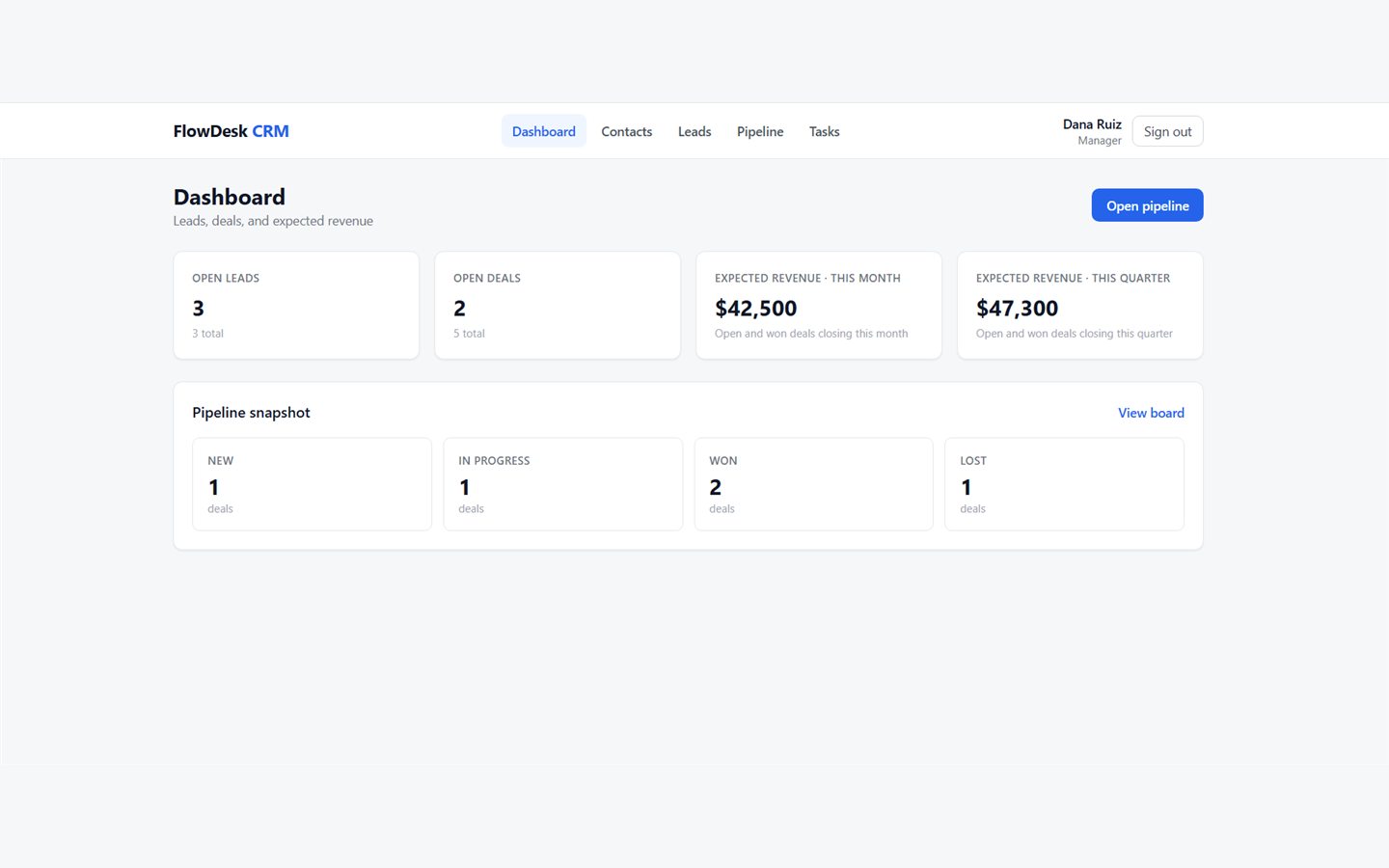
Open the AI app generator or the AI web app builder and describe the screens: order and quote tracker, size sheets by buyer, stock and reorder, and an invoice and receivables ledger.
Where a mobile app helps
A mobile app suits the measurer and the delivery team who need a size-entry form that works on a phone at a school, a photo of each sample and challan, a stock check at the godown, and a signed delivery proof. Build it after your web board has worked for a full season. A consumer app is rarely worth it for a single supplier. Start from the AI mobile app builder.
Where a logo and brand mark help
A supplier mark appears on a garment label, a packing bag, a challan, a quotation, a delivery van, a signboard, and a WhatsApp profile, so it should read on a small woven label and in one colour. Pick a short name that is easy to say on a phone, a simple mark that suggests reliability without copying a famous brand, and a label that sits neatly on a collar tag. Use the AI logo generator to explore marks, and test each on a woven label and a small round profile picture before you order labels.

A ninety-day plan if you are starting
- 1
Days 1 to 15
Choose two segments, list your first twenty buyers with their current suppliers, cost two core garments, and find fabric and stitching partners with sample runs.
- 2
Days 16 to 45
Secure the showroom or godown, register the business and GST, build a size chart and shade-card system, and prepare sample kits and a price sheet.
- 3
Days 46 to 70
Visit your first twenty buyers with samples, win one trial order, deliver it perfectly, and fix every gap in sizing, shade, and packing.
- 4
Days 71 to 90
Quote for the next season early, set payment terms, build the reorder points for core sizes, and track quotes, deliveries, and receivables weekly.
A ninety-day plan if you already supply
- 1
Days 1 to 15
Measure honestly: contribution and days to pay by buyer, stock age by size, exchange rates, and your last season’s cash low point.
- 2
Days 16 to 45
Fix one leak: a buyer who always pays late, a size that keeps selling out or sitting, or a shade mismatch. Rewrite the size chart, shade-lock rule, and payment terms.
- 3
Days 46 to 70
Add a year-round segment, set reorder points for core sizes, build a base-garment stock plan, and tighten quote templates.
- 4
Days 71 to 90
Lock the weekly scoreboard and plan the next two seasons. Only then consider a new segment, a tender, or a second outlet.
Common failure patterns
- Building large branded stock ahead of the season and being stuck when a school changes its crest or colour
- Letting corporate and institutional receivables stretch to 90 days or more while paying fabric suppliers in 30
- Mixing fabric lots and delivering a shade mismatch that the buyer rejects
- Using vague sizes and no measurement process, and then living with exchanges and bad reviews
- Chasing tenders at a price below landed cost plus financing, and winning a loss
- Depending on one tailor or one fabric source, so a single delay stops a season
- Giving commissions or favours to school or purchase staff in breach of the buyer’s policy
- Selling only to schools and having nothing to do from July to January
- Storing fabric and stock without damp control, insurance, or counting
- Opening a second outlet before the first holds its stock and receivables discipline without the owner
When you are ready to build with Nyravi
Use this guide to decide what the business needs. When the next step is a supplier website with a size chart and quote form, an orders and receivables dashboard, a measurer and delivery app, or a brand mark for your labels and bags, open Nyravi and describe that product. Keep the brief short: who uses it, what they open first, and what they finish.
If you want help writing that description, ask on Support. Start on the [home page](/), or jump to the product pages linked above. For WhatsApp chatbots, start at cognitivesys.io. The operation comes first. The build carries the system once the system is clear.
Questions
What is a uniform and workwear supplier business?+
A uniform and workwear supplier business supplies standard garments such as shirts, trousers, tunics, aprons, coveralls, and housekeeping and security wear, usually with a buyer’s colours and logo, to schools, hospitals, hotels, factories, and offices in measured sizes and on a fixed delivery date. It earns the margin between the net price per set and the landed cost, and it is limited by sizing accuracy, fabric and shade consistency, production capacity, and how fast buyers pay.
How do I start a uniform supply business in India?+
Pick two segments such as private schools and clinics, list your first twenty buyers and their current suppliers, and cost two core garments. Find reliable fabric and stitching partners, register the business and GST, build a size chart and a shade-card system, and carry samples and a price sheet to buyers. Win one trial order, deliver it complete, and only then widen your segments.
How much does it cost to start a uniform supply business in India?+
A small trading and job-work uniform supplier can start with a few lakh rupees, while a showroom with stock, a team, and working capital can cost roughly ₹12 lakh to ₹25 lakh depending on city and scale. The worked example in this guide totals ₹18,00,000, including ₹6,00,000 of opening stock and fabric, ₹2,50,000 of fit-out, and ₹6,00,000 of working capital, which funds stock and receivables.
How much profit can a uniform supplier make?+
Profit depends on contribution per set, stock built ahead, and days buyers take to pay. In this guide’s example, an average month of ₹14,25,000 sales at about 30.3% contribution against ₹3,00,000 of fixed cost earns about ₹1,32,000 after the owner’s draw, with break-even at about ₹9,89,583 of sales a month. Slow payment and dead stock can erase that profit.
How do I price a school or corporate uniform quote?+
Cost each garment from fabric, stitching, trims, branding, packing, delivery, and returns, then divide by one minus your target contribution percentage and add financing cost for the credit days. In this guide’s example, ₹930 of variable cost at a 28% target gives a ₹1,292 quote, and 60 days of credit at 12% a year adds about ₹25.48 of financing per set.
How do I avoid wrong sizes and shade mismatch in uniform orders?+
Use a fixed size chart, a try-on kit, and a measurement sheet per class or department, and build a size curve from last year’s sizes. Approve a swatch card and sample, record the mill and lot number for each fabric purchase, and run a sampling quality check before packing. Keep an exchange window and tag the reason for every exchange so you can fix the process.
What registrations does a uniform supplier need in India?+
Most suppliers need Udyam registration, GST with the correct HSN code and rate, and shop and establishment or trade licences. Stitching units may also need Factories Act, ESI, and PF compliance, and bidders may need GeM or corporate vendor registration, earnest money deposits, and past-supply certificates. School vendor rules differ by state and change over time, so confirm with an accountant, a lawyer, and the buyer’s policy.
How do I manage stock and cash through the school uniform season?+
Build only core sizes of plain, unbranded base garments ahead of the season, make the rest to measurement after orders, and set a reorder point for each core size. Fund the season from stock plus working capital, and keep corporate receivables short. In this guide’s example, a season needs about ₹12,69,800 of pre-built stock and receivables, and slipping corporate payment from 45 to 90 days costs about ₹8,100 a month in interest.
Can a WhatsApp chatbot help a uniform supplier?+
Yes, a WhatsApp chatbot can answer size chart, price, and exchange-date questions, collect quote requests, book measurement appointments, send order status and invoice copies, and send payment reminders, while handing custom sizes, disputes, credit terms, and anything involving a child’s personal details to a person. CognitiveSys, the parent company behind Nyravi, builds WhatsApp chatbots and shared inboxes. Start at cognitivesys.io.
Does a uniform supplier need a website, an app, or Nyravi?+
A uniform supplier benefits most from a simple website with garment categories, a size chart, lead times, and a quote and sample-request form, then from a web app once orders, sizes, stock, and receivables outgrow a spreadsheet. A measurer and delivery mobile app helps after the web board works. Nyravi can build the website, dashboard, field app, or logo from a plain-language description. For WhatsApp chatbots, start at cognitivesys.io. This guide covers business operations only, not legal or tax advice.