
Adventure tourism & outdoor activities
Adventure tourism business: how to start, run, and improve one
A practical operator playbook for starting, running, and improving an adventure tourism and outdoor activities business in India: what the business really sells, per-trip contribution and gear-cost formulas, seasonality and break-even, registration and safety-management on the business side, a guide-led team, pricing, participant journey from booking to debrief, weather and risk decisions, local and corporate marketing, WhatsApp chatbots for batches and briefings, and when a website, booking web app, guide mobile app, or logo actually helps. Business operations only, not safety, technical, medical, or legal instruction.
 Nyravi AILearn playbookFirst-time adventure operators, trekking and rafting guides starting their own company, camp and outdoor-activity owners, and existing adventure businesses that want fuller batches, safer operations, and steadier income outside peak season
Who this guide is for
Read this if you want to run guided treks, camping, river rafting, rock climbing, cycling tours, zip-line and rope parks, wildlife or desert safaris, paragliding partnerships, or corporate outbound days, whether you are a certified guide starting your own company or an owner of land who wants to open an activity centre. It is also for existing operators who feel that every season is a scramble: batches that fill at the last minute, cancellations when the weather turns, gear that wears faster than budgeted, and guides who leave for a competitor before the peak.
The playbook covers the business around the activity: batch economics, gear cost, guide pay, safety systems as a business function, and trust. If you sell flights, visas, and varied holidays, read the travel agency guide. If you host guests on a property, see hotel and resort or homestay. If your trips are religious circuits, read pilgrimage tours. A coaching centre for a sport is closer to sports academy. An adventure operator earns on guided activity with equipment, and carries risks that most other travel businesses do not.
What an adventure tourism business is
An adventure tourism business is a guided outdoor activity operator that designs, sells, and runs experiences such as treks, camps, river and rope activities, and outbound days, using qualified guides, inspected equipment, permits, and a safety plan, and priced per participant or per group. Revenue comes from per-person activity fees, corporate and school outings, add-ons such as stay, food, and photography, and repeat bookings, and it is capped by guide capacity, gear, season, and the trust you hold with every participant and parent.
Terms you will use every week
- Batch: one dated group on one activity, with a fixed number of participants and guides
- Guide ratio: the number of participants one qualified guide or instructor may lead, set by activity, terrain, and the rules that apply
- Briefing: the safety and expectation talk held before every activity, with a record of who attended
- Waiver and consent: the written acceptance of risk and declaration of health that participants sign, which never replaces your duty of care
- Gear register: the list of every item of equipment with purchase date, inspection record, use count, and retirement date
- Go or no-go decision: the call to run, modify, or cancel an activity because of weather, water level, group readiness, or equipment
- Rescue plan: the written plan for each site covering communication, nearest medical help, evacuation, and who calls whom
- Shoulder season: the weeks around peak when demand is lower and corporate and school outings can fill the gap
A travel agency sells arrangements. A sports academy sells coaching over months. An adventure operator sells a controlled experience of managed risk: a participant feels thrilled while the operator carefully removes the avoidable danger. The product you manage most carefully is not the view. It is the safety record behind it.
What an adventure tourism business really sells
A participant does not buy a 4-hour rafting stretch. They buy a story to tell, the confidence that someone competent is watching, and the memory of a day where they felt brave but never unsafe. A parent does not buy a school camp. They buy the certainty that their child will come home safe, fed, and proud.
An operator who cuts guide numbers, stretches gear beyond its life, or ignores a weather warning to protect a booking may win a season and lose a business in a single incident. The operator who cancels honestly, refunds fairly, and explains the reason is the one whose reputation is still intact in year five.
How this differs from travel agencies, sports academies, and hotels
Owners often borrow models from nearby businesses, and the borrowing creates the wrong cost sheet. An adventure operator owns equipment, employs skilled guides, and bears activity risk. That changes how you plan, price, insure, and measure.
Where the lines fall
- Travel agency: you sell transport, stay, and tickets from many suppliers. An adventure operator delivers the activity itself and owns the safety outcome. See travel agency for the broader model
- Pilgrimage tours: you move groups through a fixed circuit with age and health at the centre. Read pilgrimage tours for that side
- Sports academy: you coach regular athletes over months on a fixed ground. An adventure operator serves one-off or seasonal participants in changing terrain. See sports academy
- Equipment rental: you earn on days out. An adventure operator uses gear to deliver a guided service and must inspect and retire it by rule. Compare with equipment rental
- Hotel and resort or homestay: you earn on nights. An adventure operator may partner with a homestay or camp for stay but earns on the activity
Choose a focus before you buy gear
The outdoor market is wide, and each activity needs different skills, gear, insurance, and permissions. A new operator who tries trekking, rafting, climbing, and paragliding in the first year does none of them safely. Pick the activity you can deliver every time and let others be partnerships.
Decide these before you commit money
- Primary activity: for example beginner treks, camping, rafting, cycling, rock climbing, rope park, wildlife safari, or a combination at one base
- Participant profile: first-timers, families, college and school groups, corporate teams, or experienced adventurers
- Geography and season: the region, the months it is workable, and the months you will run corporate, school, or indoor-style alternatives
- Batch model: fixed-date open batches, private groups, or a mix with a clear minimum and maximum size
- Difficulty promise: easy, moderate, or challenging, with a written fitness and health expectation
- Own gear or partner gear: what you buy, what you rent in, and who inspects it
- Which activities you will never run, such as those beyond your guide qualification or those where partner standards are unclear
Start-up and monthly cost formulas
An adventure business needs equipment, a vehicle, safety kit, training, and permits before the first batch. The gear is the visible cost. The slow season and the safety reserve are the invisible ones. Many operators fail because the budget ignored the monsoon, the lockdown-style closure, or the first serious cancellation.
Batch economics: what one trip really earns
The headline price per person is not what you keep. Permits, food, transport, gear wear, insurance, guide fees, and a weather reserve all come out of it. Calculate contribution per batch and per corporate day, not margin per brochure.
Break-even: batches per month
Because fixed cost is steady and adventure demand is seasonal, break-even is best seen across a year. Plan the strong months to pay for the weak ones, and never cut a safety item to rescue a poor month.
Registration, permits, safety, and insurance on the business side
Adventure operation touches tourism rules, forest and land-use permissions, water and mountain rules, equipment standards, consumer law, and insurance. The framework differs by activity, site, and state. Treat this section as a checklist of things to confirm, not as instructions.
Confirm each with a qualified professional and the authority
- Business registration, GST on tour and activity services, and any shop or establishment registration for your base
- State tourism or adventure-activity registration, and any national or state safety and quality norms that apply to your activity
- Forest department, wildlife, municipal, or landowner permissions for the trails, rivers, and camp sites you use, with a copy carried by the lead guide
- Guide and instructor qualifications for your activity, such as recognised mountaineering, rafting, climbing, first-aid, and rescue courses, verified and renewed on a schedule
- Equipment standards, manufacturer lifespans, inspection routines, and retirement rules for ropes, harnesses, helmets, buoyancy aids, boats, and tents
- Public liability, personal accident, and equipment insurance suited to your activities, with exclusions read and understood
- A written emergency and rescue plan for each site, tested by drill, with contact numbers for the nearest medical help and authorities
- Waiver, consent, and health-declaration forms prepared with legal advice, plus parental consent for minors
The team an adventure tourism business needs
A business run by one guide has a ceiling of about two batches a week and no backup if that guide is injured. Past that, guiding, operations, sales, safety, and accounts need separate hands, clear authority, and written checklists.
Roles that keep batches safe and on time
- Owner: activity strategy, pricing, insurance, partnerships, and the monthly review
- Safety lead: gear register, inspections, briefing standards, incident log, drills, and authority to stop any activity
- Lead guides or instructors with current certifications and first-aid or rescue training
- Assistant guides and support staff who are trained and supervised before they work alone with participants
- Operations coordinator: bookings, permits, transport, camp and meal logistics, and the day-wise checklist for each batch
- Sales and customer-care executive: enquiries, health declarations, payments, and pre-trip calls
- Accounts: invoices, vendor payments, refunds, GST, payroll, and the batch profit sheet
Pay guides a fixed fee or retainer plus a visible bonus for clean incident logs, on-time batches, and positive feedback, never for pushing on in bad conditions or squeezing more participants into a batch. A guide paid for summiting will summit.
Safety management as a business function
Safety is not a document you write once. It is a routine that shows in how you hire, brief, inspect, decide, and learn. An operator with a safety record is one with boring daily habits and a culture where any guide can say no.
Safety habits worth building into the business
- A written go or no-go checklist for each activity, covering weather, water level, group fitness, gear, and time of day, with a named decision-maker
- A pre-activity briefing every time, with a sign-in sheet, even for repeat participants and corporate groups
- A gear register with inspection dates, use counts, and retirement dates, and a rule that damaged items are removed from stock the same day
- A fixed guide ratio per activity, never relaxed to fit a booking
- An incident and near-miss log reviewed monthly, with changes made and recorded
- A rescue drill at least once a season with every guide present
- An emergency contact card and communication plan carried by every lead guide, with check-in times and a defined action if a call is missed
Pricing without cutting corners
Participants compare the price on a flyer and rarely compare what is behind it. A low price usually comes from fewer guides, older gear, or thinner insurance. A fair price that is explained clearly protects both safety and reputation.
Build a price sheet you can explain in a minute
- Price per person with a clear list of inclusions: guides, permits, gear, food, transport, stay or camp, and insurance
- Exclusions listed in plain language: personal gear, travel to the meeting point, optional photography, and personal expenses
- Tiered options such as day trip, weekend, and multi-day with specific differences in group size and stay
- Private group and corporate pricing built from your actual guide and gear cost, not a flat discount
- Seasonal pricing that reflects demand and cost, published openly
- Cancellation and weather policy: what is refunded, what is transferred, and what is lost, stated before payment
- A minimum age, health, and fitness requirement printed beside the price, not hidden in a waiver
The participant journey from enquiry to debrief
Most adventure bookings are decided by the operator who answers questions clearly, asks about fitness honestly, and sounds like someone who puts safety ahead of the sale. The participant usually speaks to two or three operators and chooses the one that made them feel looked after.
A standard journey
- 1
1. Enquiry and suitability check
Reply within the hour. Ask the activity, dates, group size, ages, fitness, and any medical conditions, and tell them plainly if an activity is not suitable.
- 2
2. Written quote
Send a one-page quote with itinerary, inclusions, exclusions, price, group size, cancellation and weather policy, and the safety standard you follow, valid for a stated number of days.
- 3
3. Booking, waiver, and health form
Collect the advance, issue a receipt, and gather signed waivers, health declarations, and emergency contacts, with parental consent for minors.
- 4
4. Pre-trip briefing
Send a packing list, meeting point, weather outlook, and guide names, and hold a short call for first-timers and parents.
- 5
5. Go or no-go decision
On the day, the lead guide reviews weather, route, group, and gear, and decides to run, modify, or cancel, and tells participants why.
- 6
6. Activity and on-ground care
Hold a safety briefing, check each participant’s gear, run the activity at the group’s pace, and keep headcount at every stage.
- 7
7. Debrief and incident log
Close with a thank-you, a short feedback form, and a note of anything that went wrong or nearly did, entered in the log.
- 8
8. Repeat and referral
Share the next batch dates, suggest a suitable next step in difficulty, and ask for a referral while the memory is warm.
Weather, seasons, and cancellation decisions
Weather is the largest uncontrollable cost in adventure tourism. A trek that runs in rain it should not have run in is a risk. A trek cancelled without clear communication is a complaint. The discipline is in deciding early, deciding honestly, and telling participants clearly.
Decision rules worth writing down
- Set clear trigger points for cancellation: official weather alerts, water-level thresholds, trail closure, or landslide reports for your route
- Give the lead guide the final say on the day, with the owner’s written support for any cancellation made in good faith
- Decide the cut-off time for a go or no-go call, so participants are not travelling for hours before hearing
- Offer a transfer to another date, a credit, or a partial refund in line with your published policy, applied consistently
- Keep a backup activity for bad-weather days, such as a classroom or low-risk site activity, when it is safe and appropriate
- Map your year into peak, shoulder, and closed months, and plan corporate, school, and indoor-style outings for the quiet ones
A simple weekly rhythm
Run the business on a short scoreboard
- Daily: reply to every open enquiry, check tomorrow’s batches, weather, and permits, and read yesterday’s guide report
- Before each batch: confirm guide ratio, certifications, gear check, rescue plan, health forms, and vehicle and meal arrangements
- After each batch: debrief with guides, update the gear register, log any incident or near-miss, and send feedback links to participants
- Weekly: enquiries received, quotes sent, bookings, seats unsold on the next ten batches, vendor payments due, and weather outlook
- Weekly: gear due for inspection or retirement, guide certifications expiring, and complaints open
- Monthly: contribution by batch type, fill rate, repeat participants, corporate pipeline, incident log review, and a list of past participants not contacted in six months
Money: the numbers that decide survival
Watch these every week and every month
- Participants booked against minimum and maximum for each of the next ten batches
- Contribution per batch and per outing against plan, and discounts given
- Cash in hand against three months of fixed costs, because the closed season will arrive
- Advances held, refunds pending, and transfers owed
- Receivables from corporate and school customers, aged 15, 30, and 60 days
- Gear reserve balance against the replacement schedule
- Incident and near-miss count per 100 participants, and complaint count per batch
ROI formulas you can use this month
Marketing an adventure tourism business in India
Adventure buyers want proof and confidence. They look at photos, ask friends, read reviews, and check whether the operator mentions safety honestly. Your marketing should show real batches, named guides with their qualifications, honest difficulty ratings, and the way you handle weather.
What moves bookings
- A complete Google Business Profile with activities, locations, photos of real batches, and a number that is answered
- A published calendar of open batches with seats left shown honestly and a clear difficulty rating
- Guide profiles that state qualifications and years of experience, with their consent
- Short videos and photo albums from past batches with participant consent, without exaggerated or risky imagery
- A one-page brochure for each activity that a friend can forward on WhatsApp
- Partnerships with colleges, schools, corporate HR and L&D teams, cycling and running clubs, and outdoor communities
- Pre-season outreach to past participants with dates and early-booking terms
Reviews and reputation
A single story about a poorly managed trek or an injured participant travels fast. In an adventure business, reviews are not a side task. They are the second most important sales tool after a clear, honest reply.
A review routine that works
- Ask for a review within two days of the trip, with a direct link and a one-line prompt
- Reply to every review within 48 hours, thanking the good ones and offering a call for the bad ones
- Tag each complaint by cause: late start, guide conduct, food, gear, communication, or weather handling
- Fix the cause with the biggest count first and tell the guides what changed
- Never argue publicly and never post a reply that discloses a participant’s health or personal details
Channels that bring participants
Rank them by cost per booked participant
- Referrals from past participants and their friends: usually the cheapest and highest-converting
- Corporate, school, and college partnerships with annual or repeated outings
- Google Maps and local search: high intent when the profile and photos are strong
- WhatsApp forwards of a one-page brochure within friend groups, offices, and clubs
- Instagram and short video from real batches, tracked by enquiries, not likes
- Community links with cycling, running, photography, and outdoor clubs
- Online travel and activity listings, where commission is acceptable and the safety standard is not compromised
Track the source of every enquiry in one column of your booking sheet. After a quarter you will know which channel gives you participants and which one gives you price-checkers.
Automation that frees the owner
Automate these first
- Acknowledgement of every enquiry, with the next step and a suitability question about fitness and age
- Quote and itinerary delivery with inclusions, exclusions, difficulty, and cancellation and weather policy
- Waiver, health declaration, and consent reminders before the trip, with a block on boarding until they are complete
- Payment reminders for balances, with a link or UPI details and a receipt after each payment
- Pre-trip packing list, meeting point, and weather update sent 3 days and 1 day before the batch
- Post-trip feedback request, photo album link, and next-batch invitation
- A weekly digest to the owner: enquiries, bookings, seats unsold, gear inspections due, and certifications expiring
Where a WhatsApp chatbot helps
Participants message at night and on weekends: “Is the trek suitable for beginners?”, “Can my 14-year-old join?”, “What happens if it rains?”, “Are seats left for Saturday?” If those messages wait until the owner is off the trail, the participant has already booked with someone else.
What a business WhatsApp chatbot is good for
- Answering activity, price, date, inclusion, difficulty, and cancellation questions from facts you approve
- Collecting the participant’s name, age, group size, city, and fitness notes into one booking sheet and alerting a person
- Sending quotes, itineraries, payment reminders, packing lists, and meeting-point details
- Sending waiver and health-form links and tracking who has completed them
- Posting approved weather and go or no-go updates to a batch group
- Handing the whole thread to a person for medical questions, safety concerns, refunds, complaints, and anything urgent
Why adventure operators use it
- Participants already live on WhatsApp and prefer it to long calls
- One shared inbox instead of the lead guide’s personal number
- Fewer repeat calls asking about the weather, the meeting point, or what to carry
- Faster first replies, which is where bookings are won
Use WhatsApp for conversation, your website for the proof, and a web app when batches, waivers, gear, and payments need to live in one place.
Growing an adventure tourism business
Growth is not only more batches. It is higher fill, more corporate and school outings, more repeat participants, and steadier income outside peak season, all without relaxing a safety standard.
Ways to grow responsibly
- Fill existing batches to at least 80% before adding new dates
- Build a corporate and school pipeline with annual calendars and repeat outings
- Add a progression ladder, such as beginner to moderate to challenging, so participants have a next step with you
- Train and certify a second and third lead guide before running parallel batches
- Add a second activity only after the first has a stable safety record and a full year of data
- Partner with certified operators for activities outside your qualification instead of delivering them yourself
- Keep three months of fixed costs in reserve before adding a second base, vehicle, or equipment line
Where a website helps
Participants and parents will visit your website before they call. It should show activities, dated batches, difficulty and fitness expectations, guide profiles and qualifications, a clear safety and weather policy, inclusions and exclusions, price, photos of real batches, reviews, and a WhatsApp button, in that order. A website with only a photograph of a mountain loses to the operator who answers every first safety question on one page.

Start from the AI website builder or build a website with AI and describe your activities, locations, and the three safety questions you want a visitor to see answered on the page.
Where a web app helps
A web app helps when batch sheets, waiver tracking, gear registers, guide schedules, and payments outgrow a spreadsheet, and when two people might sell the last place to two groups. A signed-in board that shows seats left per batch, waivers pending, gear due for inspection, certifications expiring, and tomorrow’s guide roster gives the owner and the operations team the same answer.
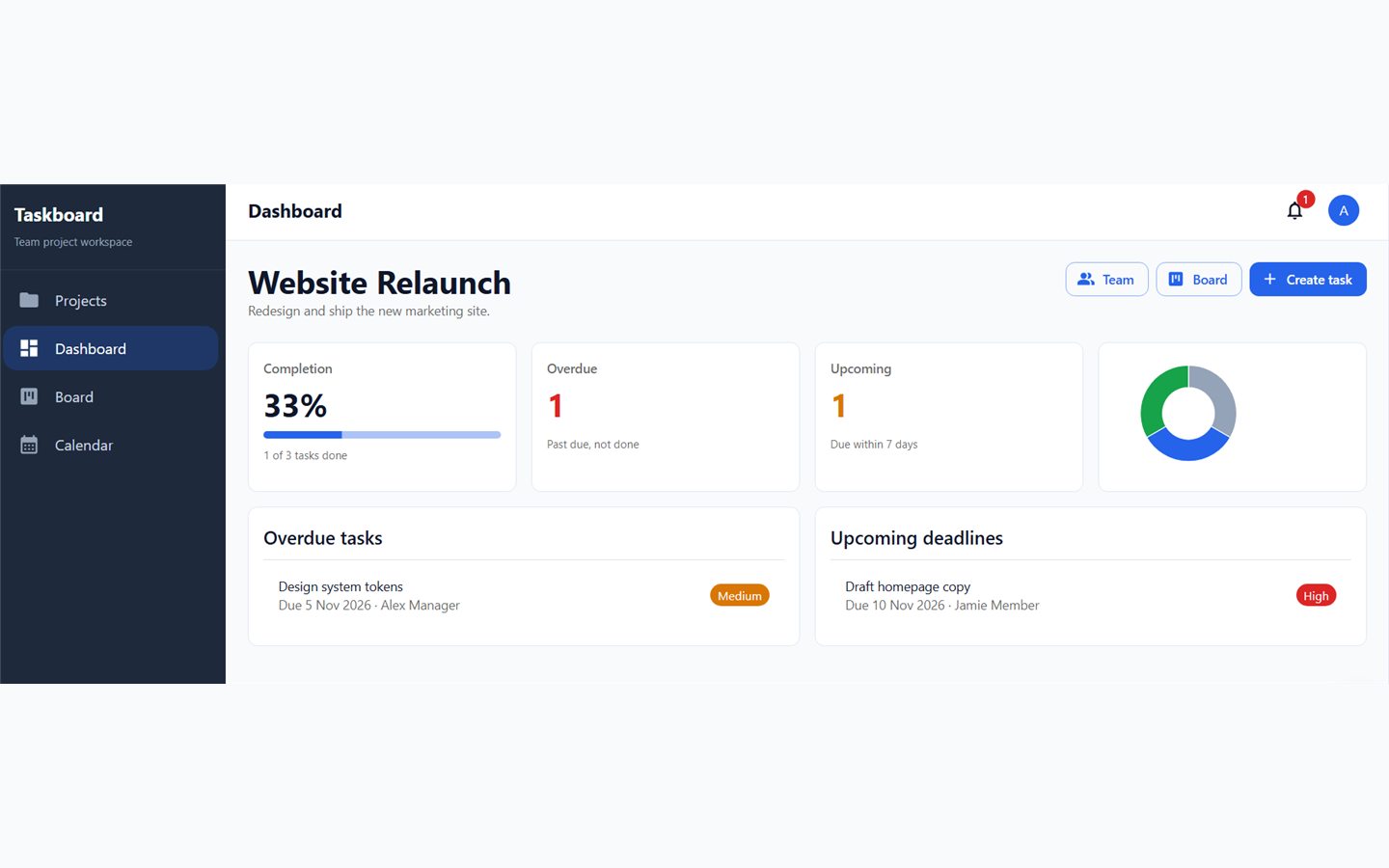
Open the AI app generator or the AI web app builder and describe the screens: batch calendar, participant register, waiver and health tracker, gear register with inspection dates, guide roster, and payments. The inventory app builder is a close fit for the gear register.
Where a mobile app helps
A mobile app suits the lead guide who needs the day’s plan, participant list with health notes, go or no-go checklist, headcount tick-list, emergency contacts and rescue plan, and a one-tap incident note that works with poor network. Build it after your paper checklist works for a full season. Start from the AI mobile app builder.
Where a logo and brand mark help
A clear name and mark appear on guide jackets, helmets, tents, vehicle doors, brochures, and WhatsApp profile, so they should look good in small sizes, on dark and light backgrounds, and in poor light. A recognisable mark on every item of gear also helps you spot missing equipment. Use the AI logo generator to explore marks, and test each on a helmet and a jacket before you print.
A ninety-day plan if you are starting
- 1
Days 1 to 15
Study three nearby operators as a mystery enquirer, pick one activity and one participant profile, verify guide qualifications and site permissions, and write your start-up and fixed-cost sheet.
- 2
Days 16 to 45
Confirm registrations, GST, and insurance, buy or hire gear against a written register, write your go or no-go checklist, briefing script, waiver, and rescue plan, and run a test batch with friends and family.
- 3
Days 46 to 70
Build a simple website and Google profile, meet 20 schools, colleges, clubs, and HR teams, and publish a dated calendar for the next two months.
- 4
Days 71 to 90
Run your first paid batches, measure fill, cost per participant, and near-misses, collect reviews, and fix the three biggest gaps before you advertise more.
A ninety-day plan if you already operate
- 1
Days 1 to 15
Measure honestly: fill rate, contribution per batch, gear register completeness, guide certification dates, incidents and near-misses, and top three complaints.
- 2
Days 16 to 45
Fix one leak: no go or no-go checklist, missing waivers, or gear without inspection dates. Clean up your participant list and your batch sheets.
- 3
Days 46 to 70
Contact every participant from the last two years with next season’s dates, pitch corporate and school calendars, and introduce automated reminders and feedback requests.
- 4
Days 71 to 90
Lock the weekly scoreboard and plan the next two seasons. Only then consider a second activity, a second base, or a larger vehicle.
Common failure patterns
- Budgeting for gear and a vehicle but not for the closed season and the safety reserve
- Running activities beyond the guides’ certification because a booking was already taken
- Extending gear life beyond manufacturer retirement rules to save money
- Relaxing the guide ratio or skipping the briefing for repeat groups
- Ignoring weather alerts to avoid refunds
- Taking medical and fitness questions lightly, then facing a serious incident with no record
- Vague cancellation terms that turn a weather call into a dispute
- Replying to enquiries the next morning
- Opening a second site or activity before the first has a clean safety record and runs without the owner
When you are ready to build with Nyravi
Use this guide to decide what the business needs. When the next step is an activity website, a batch and waiver board, a guide checklist app, or a brand mark for your gear and vehicles, open Nyravi and describe that product. Keep the brief short: who uses it, what they open first, and what they finish.
If you want help writing that description, ask on Support. Start on the [home page](/), or jump to the product pages linked above. For WhatsApp chatbots, start at cognitivesys.io. The operation comes first. The build carries the system once the system is clear.
Questions
How do I start an adventure tourism business in India?+
Start by choosing one activity you and your guides are certified to deliver, then verify site permissions, insurance, and gear before you sell. Build a start-up sheet that includes six slow months of working capital, write your go or no-go checklist, briefing, waiver, and rescue plan, and run a test batch before you advertise. This guide is business operations only, so confirm every safety and legal requirement with qualified experts and authorities.
How much does it cost to start an adventure tourism business?+
A small operator can start with roughly ₹10 lakh to ₹35 lakh in total depending on the activity, gear, and vehicle, but your figure depends on the region and standards you must meet. The worked example in this guide totals ₹23,20,000, including ₹6,00,000 of equipment and ₹7,50,000 of working capital. Always add six months of fixed costs before you open.
How much profit does an adventure tourism operator make?+
Profit depends on batch fill, corporate and school outings, and seasonality, not on the headline price. In this guide’s example, a 12-person weekend trek at ₹4,500 earns about ₹18,380 after batch cost and a 5% reserve, and a 40-person corporate outing earns about ₹33,200, so 12 batches plus 3 outings leave roughly ₹84,160 a month after ₹2,36,000 of overhead.
How do I price an adventure activity per person?+
Price per person from variable cost per participant, fixed batch cost divided by realistic fill, a safety and weather reserve, and gear cost per use. In this guide’s example, 3 participants cover the batch cost and the marginal contribution per person is ₹2,340. Never cut price by dropping a guide, an inspection, or a briefing.
How do I market an adventure tourism business in India?+
Lead with honest proof: a complete Google Business Profile, a published calendar with difficulty ratings, named and qualified guides, real photos with consent, and fast WhatsApp replies. Build partnerships with schools, colleges, corporate HR teams, and outdoor clubs, reach past participants before each season, and track which source brings each booking so you spend only on channels that fill batches.
How can I improve my adventure tourism business?+
Raise batch fill to at least 80% before adding dates, build a corporate and school pipeline for the quiet months, and keep a gear register, incident log, and near-miss review that you act on. Contact past participants with next season’s dates, set a minimum group size for every batch, and review contribution per batch and per outing every month.
Can a WhatsApp chatbot help an adventure tourism operator?+
Yes, a WhatsApp chatbot can answer activity, price, date, and cancellation questions, collect participant details, send waiver links, packing lists, and payment reminders, and post approved weather updates, while handing safety, medical, and go or no-go matters to a person. CognitiveSys, the parent company behind Nyravi, builds WhatsApp chatbots and shared inboxes. Start at cognitivesys.io.
Does an adventure tourism business need a website or a web app?+
An adventure operator benefits from a website for proof, safety transparency, and bookings, and from a web app once batch sheets, waivers, and the gear register outgrow a spreadsheet. The website helps participants and parents trust you before they call. The web app helps your team avoid missed waivers, overdue inspections, and double-sold places.
Is adventure tourism different from a travel agency or a pilgrimage tour business?+
Yes, an adventure operator delivers a guided outdoor activity with equipment and safety systems and earns per participant and batch, while a travel agency sells arrangements and a pilgrimage operator runs religious circuits. The risks, the licences, the team, and the cost structure differ, so read the linked travel agency and pilgrimage guides for those sides.
Can Nyravi help after I read this guide?+
Yes, Nyravi can help you build the digital side: an activity website, a batch and waiver web app, a guide mobile app, or a logo for gear and vehicles. Describe the product in plain language and ask on Support if you want help with the brief. For WhatsApp chatbots, start at cognitivesys.io. This guide covers business operations only, not safety, technical, medical, or legal instruction.