
Homestay & B&B
Homestay business: how to start, run, and improve one
A practical operator playbook for starting, running, and improving a homestay or bed-and-breakfast in India: what a homestay really sells, ADR, occupancy and room-night contribution formulas, break-even, state homestay registration and guest-record rules, the host-led team, rate and season pricing, the guest journey from enquiry to review, housekeeping and turnover, local experiences, direct-booking and OTA channels, WhatsApp chatbots for enquiries and check-in, and when a website, booking web app, host mobile app, or logo actually helps. Business operations only, not legal, tax, fire-safety, or food-safety advice.
 Nyravi AILearn playbookFirst-time homestay hosts, families converting a spare floor or heritage house into guest rooms, farm-stay and hill-station property owners, and existing homestays that want better occupancy, more direct bookings, and a calmer way to run the house
Who this guide is for
Read this if you want to open guest rooms in your own home, a family house, a heritage haveli, a farm, an orchard cottage, a houseboat-style stay, or a small building where you or a family member lives or manages on site. It is also for owners of one to eight rooms who already take guests through a booking platform and a phone number and feel that the house runs them: bookings in three places, laundry piled up on checkout day, guests asking the same ten questions, and rates that never quite match the season.
The playbook covers the business around the stay: room-night economics, hosting standards, registration, housekeeping, and direct bookings. If you run a larger property with departments and a front desk, read the hotel and resort guide. If your guests are students or workers who pay monthly, the PG and hostel playbook is closer. If you plan trips for guests, see travel agency. A homestay is a hosted stay with a personal touch, and the host is part of the product.
What a homestay business is
A homestay business is a small hosted accommodation operation in which guests stay in rooms within or beside a home or small property where the host lives or is present on site, with breakfast or home-cooked meals and local guidance usually included, and priced per room night. Revenue comes from room nights, meals, experiences such as village walks or cooking sessions, and repeat and referral stays, and it is capped by the number of rooms, the season, and the quality of the hosting.
Terms you will use every week
- Room night: one room occupied for one night, the basic unit of revenue
- ADR (average daily rate): average revenue per occupied room night
- Occupancy: occupied room nights divided by available room nights
- RevPAR: revenue per available room, which is ADR multiplied by occupancy
- Contribution per room night: ADR less the variable costs of that night, such as linen, breakfast, and platform commission
- OTA: an online travel agency or booking platform that lists your rooms and charges a commission
- Direct booking: a booking that arrives through your own website, phone, or WhatsApp with no platform commission
- Turnover: the cleaning and resetting of a room between one guest and the next
A hotel sells rooms backed by departments and shifts. A PG sells a bed for a month to a resident. A homestay sells a stay inside a living place: the breakfast table, the garden, the host’s advice on where to eat, and the sense of being welcomed rather than processed. The product you manage most carefully is not the room. It is the feeling of the house.
What a homestay really sells
A guest does not buy a double room with a balcony. They buy a morning when the host shows them the best path to the waterfall, a breakfast that tastes like someone’s home, a clean room that feels cared for, and a quiet place at the end of a long day. The room is the starting point. The welcome is the product.
A homestay that copies a hotel without hotel staffing feels thin. A homestay that hides its personality behind generic photos and standard rules loses its reason to exist. The host who is warm, clear, and consistent is the one guests recommend and return to.
How this differs from hotels, PGs, and travel agencies
Owners often borrow models from nearby businesses, and the borrowing creates the wrong cost sheet. A homestay has few rooms, a host on site, and a high share of fixed cost. That changes how you price, staff, and measure.
Where the lines fall
- Hotel and resort: you run departments, a front desk, and often a restaurant. A homestay is run by a host and a very small team. See hotel and resort for the larger model
- PG and hostel: you rent beds by the month to residents with house rules and meals. A homestay sells nights to short-stay guests. Read PG and hostel for that side
- Travel agency: you sell trips and transfers. A homestay may partner with agencies but earns on rooms and meals. See travel agency
- Adventure and pilgrimage operators: they often buy rooms from homestays for groups. Read adventure tourism and pilgrimage tours to understand how they plan
- Property management: you manage buildings for owners. A homestay host is the owner and the operator. See property management if you plan to manage other people’s houses
Choose a focus before you renovate
A house can host many kinds of guests, but a homestay that tries to suit everyone suits no one. Pick the guest, the place, and the promise you can deliver every day, and let other requests be occasional bookings at a fair price.
Decide these before you commit money
- Guest profile: couples, families, solo travellers, remote workers on longer stays, groups of friends, or senior travellers
- Setting and theme: heritage house, farm, orchard, backwaters, hill view, city-centre, or beach lane, and the one thing that makes it different
- Room count and mix: how many rooms, which have attached bath, and which suit families
- Meal promise: breakfast only, breakfast and dinner, or full board, and the cuisine you can cook well
- Stay length: one-night stopovers, two-to-three-night breaks, or week-long workations
- How present you will be: host lives on site, caretaker on site, or remote with a local manager
- What you will never offer, such as parties, loud music, or extra guests beyond the room limit
Start-up and monthly cost formulas
A homestay needs less capital than a hotel, but the money goes into things guests notice: clean bathrooms, good beds, hot water, a welcoming common area, and safe access. The building may be yours, but its opportunity cost is real. The slow season is the budget line most hosts forget.
Room-night economics: what one night really earns
The headline room rate is not what you keep. Linen, amenities, breakfast, utilities, and platform commission all come out of it. Calculate contribution per room night, not price per listing.
Break-even: room nights and occupancy
Because fixed cost is steady and demand swings with season, break-even works best as an occupancy percentage you can check every week. Know it in advance, and know what you will do in the months that fall below it.
Registration, licences, and compliance on the business side
A homestay touches tourism rules, guest-record rules, tax, building and fire norms, food rules, and property permissions. The framework differs by state and by building type. Treat this section as a checklist of things to confirm, not as instructions.
Confirm each with a qualified professional and the authority
- State tourism department homestay or bed-and-breakfast scheme registration or classification, where your state has one
- Business registration, GST position for accommodation and any threshold or composition option, and a trade or local body licence
- Guest registers, ID collection, and police or local authority reporting, including the process for registering foreign guests
- Food licence or registration if you serve meals, and safe kitchen and storage practice
- Fire safety, electrical safety, and building-use norms for the number of rooms and floors you operate
- Permission from the housing society, landlord, or co-owners if the property is a flat, shared house, or leased building
- Property, public liability, and guest-accident insurance suited to hosted stays, with exclusions read and understood
- Secure handling of guest ID copies and personal data under the data-protection rules that apply to you
The team a homestay needs
A homestay run by one host has a ceiling of about two or three rooms, because the host is cooking, cleaning, answering messages, and welcoming guests all at once. Past that, tasks need dedicated hands, written checklists, and a weekly off for everyone, including you.
Roles that keep the house running
- Host or owner: the face of the house, rates, rules, reviews, and the monthly review
- Housekeeper: room turnover to a written standard, laundry, and common-area cleaning
- Cook or kitchen helper: breakfast, dinners, hygiene, and menu consistency
- Caretaker or night watch: arrivals, security, and basic maintenance, where the property needs it
- Local guide or driver partners: experiences and transfers on an agreed rate card
- Part-time bookkeeper or CA: GST, payroll, and the monthly profit sheet
- A relief person who can run the house for two days so the host can rest and the business does not stop
Pay staff a fixed salary plus a visible bonus for guest reviews that mention cleanliness and warmth, not for upselling. A team paid for upsells will make guests uncomfortable.
Hosting standards: rooms, food, and house rules
Guests forgive a modest room but not an unclean one, a slow reply, or a surprise. A written standard turns a good host into a reliable business and lets staff deliver the same experience when the host is out.
Standards worth writing down
- Room standard: clean linen, no odour, working lights and sockets, hot water, a fan or AC that works, and a bin and drinking water in every room
- Bathroom standard: disinfected, dry floor, fresh towels, soap, and a working lock and vent
- Arrival standard: a message the day before, a clear map, someone to greet, and a drink and a walkthrough on arrival
- Breakfast standard: fixed timings, a menu that rotates, clear allergen and diet information, and hygiene checks
- House rules: quiet hours, visitor policy, smoking and alcohol, pets, and damage, written in a friendly tone and shared before booking
- Privacy and safety: locks on doors, secure common areas, safe storage of guest IDs, and a clear emergency contact list
- Departure standard: a quick room check, a thank-you, and a review request, delivered without rush
Rates, seasons, and pricing without discount traps
Guests compare your price with the platform’s other results and rarely compare what is behind it. Set rates from your cost, your season, and your quality, not from the cheapest listing nearby. A fair price that is explained clearly protects your margin and your reputation.
Build a rate sheet you can explain in a minute
- Base rate per room per night with a clear list of inclusions: breakfast, Wi-Fi, parking, and any welcome drink
- Peak, shoulder, and off-season rates, with dates published and reviewed every quarter
- Weekend and holiday uplift that matches your actual demand pattern
- Extra person and child policy, set from your real cost and the room limit
- Length-of-stay discounts, such as the third night at a lower rate, rather than blanket price cuts
- Meal and experience menu with simple prices, such as dinner, packed lunch, village walk, or cooking class
- Cancellation and refund policy shown before payment, and flexible enough to be fair but firm enough to protect your income
The guest journey from enquiry to review
Most homestay bookings are decided by the host who replies first, answers clearly, and sounds like a person rather than a template. The guest usually messages two or three places and books the one that felt warm and certain.
A standard journey
- 1
1. Enquiry and fit check
Reply within the hour. Ask the dates, number of guests, ages, and purpose, and be honest about what the homestay is and is not, such as distance from the town or no lift.
- 2
2. Quote and booking
Send a clear quote with room, rate, inclusions, house rules, and cancellation terms, and confirm the booking with an advance and a receipt.
- 3
3. Pre-arrival message
Send directions, check-in time, parking, local tips, and a request for ID and arrival time two days before.
- 4
4. Arrival and welcome
Greet guests, show the room, explain Wi-Fi, meals, and house rules, and offer a drink and a suggestion for the first evening.
- 5
5. Stay and small touches
Check in once during the stay, offer to book experiences, and fix any problem the same day.
- 6
6. Checkout and settlement
Do a quick room check, settle bills with a clear invoice, and say a proper goodbye.
- 7
7. Review request
Send a thank-you and a review link within a day, with a personal line about something from the stay.
- 8
8. Repeat and referral
Share next season’s dates, offer a returning-guest benefit, and ask for a referral while the stay is fresh.
Housekeeping, turnover, and small-property operations
In a small property, a late turnover affects the next guest’s first impression and the host’s whole day. A simple system turns the cleaning from a rush into a routine and protects the standard even when you are busy.
A turnover discipline
- A written room checklist covering linen, bathroom, floor, surfaces, bins, amenities, and a quick test of light, fan, and water
- A planned check-out to check-in window with a buffer, so there is no rush if a guest leaves late
- Two sets of linen per room plus a spare set, so laundry delays never delay a turnover
- A photo of each room after cleaning, kept for a few days, to settle any dispute and to check quality
- A maintenance log with a rule that anything that fails guest safety or comfort is fixed before the next check-in
- A monthly deep clean and an annual repaint and fix-up in the quietest weeks
- A weekly day off for the cook and housekeeper, with a trained relief person on duty
Local experiences, food, and the personal touch
The reason guests choose a homestay over a hotel is often an experience the hotel cannot offer: a cooking session with the host’s mother, a sunrise walk with a local guide, a farm visit, a village craft, or a story told over tea. These are your differentiators, and they are also your margin.
Experiences that work
- A home-cooked meal showing local dishes, with a clear price and advance notice
- A short guided walk to a viewpoint, market, temple, or farm, led by the host or a local partner
- A hands-on session such as cooking, pottery, weaving, or plucking, priced to cover time and materials
- A packed breakfast or picnic for guests heading out early
- A simple map and a short list of places to eat, buy, and visit, written from your own experience
- Partnerships with local drivers, guides, and artisans on a fair and written rate
A simple weekly rhythm
Run the house on a short scoreboard
- Daily: reply to every message, check today’s arrivals and departures, confirm room readiness, and review breakfast and dinner counts
- Before each arrival: confirm the room, check-in time, special requests, and any allergies or diet needs
- After each departure: room checked, linen counted, photos taken, and review request sent
- Weekly: enquiries received, bookings confirmed, occupancy for the next 30 days, pending payments, and platform and direct share
- Weekly: maintenance issues open, laundry cycle, stock of amenities and groceries, and staff rota and days off
- Monthly: occupancy, ADR, RevPAR, contribution, direct-booking share, review average, and a list of past guests not contacted in six months
Money: the numbers that decide survival
Watch these every week and every month
- Occupancy and ADR for the last 30 days and the next 30 days
- Contribution per room night and the share of bookings by channel
- Cash in hand against three months of fixed costs, because the off-season will arrive
- Advances held and refunds pending
- Platform payouts due and any delays
- Maintenance and replacement spend against the reserve
- Review average, review count, and the share of guests who mention cleanliness and host warmth
ROI formulas you can use this month
Marketing a homestay in India
Homestay guests choose with their eyes and their instincts. They look at photos, read reviews for words like clean, quiet, warm, and helpful, and message to see if a real person replies. Your marketing should be proof first: honest photos, real reviews, a clear host story, and fast kind replies.
What moves bookings
- Professional-quality photos of every room, bathroom, view, and breakfast table, with honest captions and no misleading wide-angle tricks
- A complete Google Business Profile with location, rooms, photos, a number that is answered, and a booking link
- A listing title and description that state who the stay is for, the setting, and what is included
- A short host story with a photo of you and your family, which builds trust faster than adjectives
- Seasonal posts and short videos that show real mornings, meals, and views, tracked by enquiries, not likes
- Partnerships with local drivers, guides, cafés, and tour operators who send guests your way
- Pre-season messages to past guests with dates and a returning-guest offer
Reviews and reputation
In a business with four rooms, ten reviews are your reputation. A single bad story about cleanliness or a double-booking will outweigh twenty good ones. Reviews are not a side task. They are the second most important sales tool after a fast, warm reply.
A review routine that works
- Ask for a review within a day of checkout, with a direct link and a personal line
- Reply to every review within 48 hours, thanking the good ones and offering a call for the bad ones
- Tag each complaint by cause: cleanliness, noise, food, communication, maintenance, or expectations
- Fix the cause with the biggest count first and tell the team what changed
- Never argue publicly and never post a reply that discloses guest details
Channels that bring guests
Rank them by cost per booked night
- Direct referrals and repeat guests: usually the cheapest and highest-converting
- Online travel platforms: valuable for first-time guests, with commission as the cost
- Google Maps and local search: high intent when the profile and photos are strong
- WhatsApp messages from past guests and friends to their own groups
- Instagram and short video of real stays, tracked by enquiries
- Partnerships with tour operators, drivers, and local cafés, including adventure operators and pilgrimage tour groups that need rooms
- Local events, festivals, and weddings in your area that bring visitors who need stays
Track the source of every booking in one column of your guest sheet. After a quarter you will know which channel gives you nights and which one gives you price-checkers.
Automation that frees the host
Automate these first
- Acknowledgement of every enquiry, with the next step and the time you will reply personally
- Quote delivery with room, rate, inclusions, house rules, and cancellation terms
- Calendar sync across platforms, so a booking on one blocks the dates on the others
- Pre-arrival message with directions, check-in time, and ID request two days before
- Payment reminders and receipts for advances and balances
- Post-stay thank-you with a review link and a returning-guest offer
- A weekly digest to the owner: enquiries, bookings, occupancy for the next 30 days, payments due, and reviews received
Where a WhatsApp chatbot helps
Guests message at night and in the middle of a trip: “Is breakfast included?”, “How far is the bus stand?”, “Can we check in at 11?”, “Do you have a room for Friday?” If those messages wait until the host finishes cooking for the current guests, the enquirer has already booked somewhere else.
What a business WhatsApp chatbot is good for
- Answering room, rate, meal, location, check-in, and policy questions from facts you approve
- Collecting dates, guest count, ages, and special needs into one booking sheet and alerting a person
- Sending quotes, directions, payment links, and pre-arrival messages
- Collecting ID and arrival time before check-in through a simple form
- Sending a checkout thank-you, review link, and next-season offer
- Handing the whole thread to a person for complaints, negotiation, safety concerns, and anything urgent
Why homestays use it
- Guests already live on WhatsApp and prefer it to calling
- One shared inbox instead of the host’s personal number
- Fewer repeat questions about directions, timings, and what is included
- Faster first replies, which is where bookings are won
Use WhatsApp for conversation, your website for the proof, and a web app when bookings, rooms, and payments need to live in one place.
Growing a homestay
Growth is not only more rooms. It is higher occupancy in shoulder months, a stronger direct share, longer stays, better experiences, and a team that lets the host rest, all without losing the personal feel.
Ways to grow responsibly
- Raise occupancy in shoulder months with midweek offers, workation packages, and length-of-stay rates
- Lift direct share with a website, WhatsApp, and a returning-guest benefit
- Add experiences and meals that raise revenue per guest without adding rooms
- Improve the weakest room before adding a new one, because one bad room drags every review
- Train a relief host or manager before opening a second property or adding rooms
- Add a second property only after the first runs well without you for a week
- Keep three months of fixed costs in reserve before taking a loan to expand
Where a website helps
Guests will visit your website before they book direct. It should show rooms with real photos, rates and seasons, what is included, the host story, a map and distances, meals and experiences, house rules, reviews, and a WhatsApp button, in that order. A website with only a phone number and a stock photograph of a beach loses to the host who answers every first question on one page and saves a commission on every booking.

Start from the AI website builder or build a website with AI and describe your rooms, setting, and the three questions you want a guest to answer on the page.
Where a web app helps
A web app helps when bookings arrive from several places, rooms are blocked by hand, and payments and housekeeping live in separate chats. A signed-in board that shows arrivals, departures, room status, balances due, and tomorrow’s breakfast count gives the host, the housekeeper, and the cook the same answer.
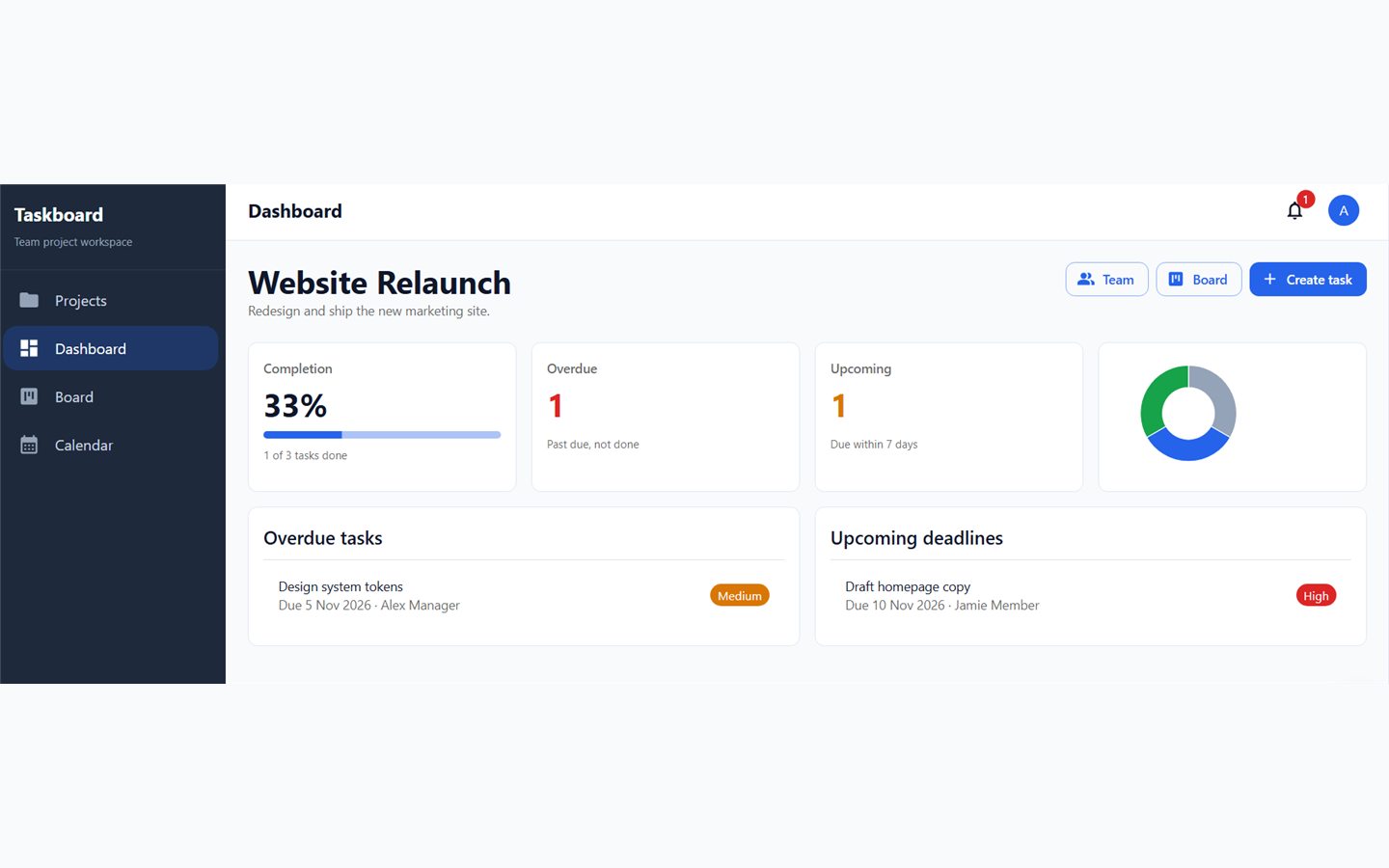
Open the AI app generator or the AI web app builder and describe the screens: booking calendar, guest register, room status, housekeeping checklist, payments, and a daily meal count.
Where a mobile app helps
A mobile app suits the host and housekeeper who need today’s arrivals, room status, a turnover checklist with photos, a quick meal count, and a way to message a guest from the garden or kitchen. Build it after your paper checklist works for a season. Start from the AI mobile app builder.
Where a logo and brand mark help
A clear name and mark appear on your gate sign, room keys, towels, menu cards, listing profile, and WhatsApp profile, so they should look good in small sizes and on dark and light backgrounds. A warm, simple mark that fits the house and region does more than a fancy one. Use the AI logo generator to explore marks, and test each on a gate sign and a key tag before you print.
A ninety-day plan if you are starting
- 1
Days 1 to 15
Stay or enquire at three nearby homestays, define your guest and setting, check registration and society or landlord permissions, and write your start-up and fixed-cost sheet.
- 2
Days 16 to 45
Complete registration and safety checks, refurbish the rooms to a written standard, write your house rules, rate sheet, and turnover checklist, and invite friends for a test stay.
- 3
Days 46 to 70
Take honest photos, build a simple website and Google profile, list on one or two platforms, and meet drivers, guides, and cafés nearby.
- 4
Days 71 to 90
Host your first paid guests, measure occupancy, ADR, and review comments, fix the three biggest gaps, and ask every guest for a review.
A ninety-day plan if you already operate
- 1
Days 1 to 15
Measure honestly: occupancy, ADR, RevPAR, direct share, review themes, turnover problems, and your own hours worked each week.
- 2
Days 16 to 45
Fix one leak: slow replies, calendar double-bookings, or one weak room. Clean up your guest list and your rate sheet.
- 3
Days 46 to 70
Contact past guests with next season’s dates, launch a direct-booking offer, and introduce automated pre-arrival and review messages.
- 4
Days 71 to 90
Lock the weekly scoreboard and plan the next two seasons. Only then consider adding rooms, experiences, or a second property.
Common failure patterns
- Budgeting for refurbishment but not for the off-season
- Listing rooms before registration and society or landlord permissions are in place
- Photos that oversell, leading to a review that sticks for years
- Skipping turnover standards, so one dirty bathroom defines the property
- Relying on one platform with no direct channel and paying large commissions for every booking
- Discounting on slow weeks until guests expect the low price
- Double-booking because calendars are updated by hand
- Replying to enquiries the next morning
- Adding rooms or a second property before the first runs without the host for a week
When you are ready to build with Nyravi
Use this guide to decide what the business needs. When the next step is a homestay website, a booking and room board, a housekeeping checklist app, or a brand mark for your gate and towels, open Nyravi and describe that product. Keep the brief short: who uses it, what they open first, and what they finish.
If you want help writing that description, ask on Support. Start on the [home page](/), or jump to the product pages linked above. For WhatsApp chatbots, start at cognitivesys.io. The operation comes first. The build carries the system once the system is clear.
Questions
How do I start a homestay in India?+
Start by defining your guest and setting, checking your state’s homestay registration and any society or landlord permissions, and building a start-up sheet that includes four slow months of working capital. Refurbish rooms to a written standard, write your house rules and rate sheet, take honest photos, and host a test stay before you open to paying guests. Confirm licences and safety norms with the authorities first.
How much does it cost to start a homestay?+
A four-room homestay can cost roughly ₹8 lakh to ₹25 lakh to start depending on the condition of the building and the standard you aim for, but your figure depends on the property and city. The worked example in this guide totals ₹14,50,000, including ₹6,00,000 of refurbishment and ₹4,40,000 of working capital. Always add the off-season to your plan.
How much profit does a homestay make?+
Profit depends on occupancy, ADR, and the direct-booking share, not on the number of rooms alone. In this guide’s example, a 4-room homestay at ₹3,200 ADR and 55% occupancy earns about ₹59,240 a month after ₹1,10,000 of fixed cost, while 30% occupancy produces a loss. Track occupancy, ADR, and contribution per room night every month.
How do I price a homestay room?+
Price each room from contribution per room night, your fixed cost divided by realistic occupancy, your season, and your quality. In this guide’s example, a ₹3,200 rate gives ₹2,340 contribution and breaks even at 47 room nights a month, or about 39% occupancy. Publish peak, shoulder, and off-season rates and avoid blanket discounts.
How do I market a homestay in India?+
Lead with honest proof: professional photos, a complete Google Business Profile, a clear host story, real reviews, and fast warm replies on WhatsApp. List on one or two platforms for first-time guests, build a direct-booking offer for past guests, partner with local drivers, guides, and cafés, and track which source brings each booking.
How can I improve my homestay bookings?+
Reply within the hour, improve your weakest room and your photos, and publish season-based rates with length-of-stay offers. Lift direct bookings with a website and WhatsApp, ask every guest for a review, contact past guests with next season’s dates, and review occupancy, ADR, and review themes every month.
Can a WhatsApp chatbot help a homestay?+
Yes, a WhatsApp chatbot can answer room, rate, meal, and location questions, collect dates and guest details, send quotes, directions, and payment reminders, and request reviews after checkout, while handing complaints and negotiations to the host. CognitiveSys, the parent company behind Nyravi, builds WhatsApp chatbots and shared inboxes. Start at cognitivesys.io.
Does a homestay need a website or a web app?+
A homestay benefits from a website for proof and direct bookings, and from a web app once bookings, room status, and payments come from several places and a spreadsheet stops being reliable. The website helps guests trust you and saves platform commission. The web app helps your team avoid double-bookings and missed turnovers. Start with the website, then add the app when the calendar becomes hard to trust.
Is a homestay different from a hotel or a PG?+
Yes, a homestay is a small hosted stay where the host is part of the product and guests pay per room night, while a hotel runs departments at scale and a PG rents beds monthly to residents. The staffing, the economics, and the compliance differ, so read the linked hotel and PG guides for those sides.
Can Nyravi help after I read this guide?+
Yes, Nyravi can help you build the digital side: a homestay website, a booking and room web app, a host mobile app, or a logo for your gate and key tags. Describe the product in plain language and ask on Support if you want help with the brief. For WhatsApp chatbots, start at cognitivesys.io. This guide covers business operations only, not legal, tax, or safety advice.