
Generator & UPS sales and service
Generator and UPS business: how to start, run, and improve one
A practical operator playbook for starting, running, and improving a generator and UPS sales and service business in India: what the business really sells, dealer margin and AMC formulas, spare parts and warranty rules, break-even, technician team, quote-to-commissioning journey, local B2B marketing, WhatsApp chatbots for breakdown calls and service bookings, and when a website, service web app, technician mobile app, or logo actually helps. Business operations only, not electrical, fuel, emission, or legal advice.
 Nyravi AILearn playbookGenset and UPS dealers, service-centre owners, electricians and engineers turning into business owners, and existing power-backup shops that want better margin and more recurring AMC income
Who this guide is for
Read this if you sell diesel or gas generator sets, online and offline UPS systems, or voltage stabilisers, or if you service them for clinics, shops, offices, housing societies, and small factories. It is also for a skilled engineer who is thinking of leaving a dealer’s payroll and starting a counter of their own. If your phone is quiet from November to March and then rings non-stop when the first heatwave and the first long power cut arrive, this playbook is for you.
The playbook covers the business around the machine: dealer margin, installation scope, AMC contracts, spare parts, warranty claims, technicians, and trust. It is written for the owner who runs the counter and the van. If you mostly wire buildings, read the electrical contractor guide. If you sell and service cooling equipment, see AC and refrigeration. If you only rent out gensets by the day for events and sites, the equipment rental playbook is closer. A sales-and-service business that earns on AMC and spares is a different animal from all three.
What a generator and UPS business is
A generator and UPS business is a sales and service business that supplies power-backup equipment from manufacturers, commissions it at the customer’s site, and keeps it running through annual maintenance contracts, breakdown calls, and spare parts. Revenue comes from dealer margin on units, installation and commissioning fees, AMC income, labour on repairs, and a margin on consumables and batteries, and it is capped by the number of qualified technicians and the trust you hold with each site.
Terms you will use every week
- Genset: a diesel, petrol, or gas engine coupled to an alternator, rated in kVA, that supplies power when mains fail
- UPS: an uninterruptible power supply that bridges the gap with a battery, typically for computers, servers, and clinical or retail equipment
- Dealer margin: the difference between the OEM’s dealer price and the price you quote the customer
- Commissioning: first start, testing, handover, and training at the site, done by a qualified person
- AMC: an annual maintenance contract with a fixed number of scheduled visits, usually with parts and labour terms spelt out
- Warranty claim: a request to the manufacturer to replace or repair a defective part within the warranty period, which you handle on the customer’s behalf
- Load test: running the set against a real or dummy load to confirm it performs as rated, done by a qualified technician
- Run hours: the engine hour-meter reading that triggers service intervals, more reliable than calendar months
A genset rental company sells hours. An electrical contractor sells wiring and panel work. A battery shop sells batteries. A generator and UPS business sells a promise: when the mains fail at 9 pm in the monsoon, the lights, the cold chain, the billing counter, or the server rack stays on. The product you manage most carefully is not the machine. It is the service history behind it.
What a generator and UPS business really sells
A clinic owner does not buy 15 kVA. They buy the certainty that their vaccine fridge and lights will not stop during a long outage, and that when something fails, a named person answers the phone and a technician arrives with the right part. A shop owner does not buy a UPS. They buy ten uninterrupted minutes to save the bill and shut the billing system down safely. The unit is the starting point of the relationship, not the end.
A set that is installed well but never serviced fails on the one night it is needed. A dealer who disappears after commissioning loses the AMC, the spare-parts income, and the referral. The dealer who is slightly less glamorous but whose technician visits on time and writes a clear service report is the one customers call for their next unit.
How this differs from rental, electrical contracting, and solar
Owners often mix these businesses, and the mix creates the wrong cost sheet. A power-backup dealer owns very little equipment, carries spares stock, and earns on recurring service. That changes how you hire, price, and measure.
Where the lines fall
- Equipment rental: you own the machines and earn on utilisation and days out. A dealer earns on units sold and years of service, and owns only a demo set and tools
- Electrical contracting: you earn on wiring, panels, and project labour. A dealer’s core skill is the machine, its warranty, and the maintenance schedule
- Solar EPC: you design and install generation systems with long payback stories. A dealer supplies backup and does not usually design rooftop systems. Read solar EPC if that is your direction
- Home service marketplaces: you earn on small jobs of many kinds. A power-backup dealer earns on fewer, larger, and more technical accounts, which is why home service pricing does not apply
- Battery retail: the inverter and battery shop model is a high-volume, low-ticket sibling with a different stock pattern
Choose a focus before you stock or hire
The market is wide: a home that needs 1 kVA of backup and a plant that needs 500 kVA do not buy the same way. Pick the segment you can serve every time, and let everything else be an opportunistic job at a fair price.
Decide these before you commit money
- Primary segment: homes and small shops (UPS, small petrol or silent gensets), clinics and offices, housing societies, or small industry
- Capacity band: for example 5 to 15 kVA, 15 to 62.5 kVA, or 62.5 kVA and above, based on what your technicians are trained and equipped to service
- Brands: one or two authorised dealerships, versus an open multi-brand counter that services what it did not sell
- Service radius that one technician can reach within two hours, which sets your promise time
- New sales only, sales plus AMC, or service-only on equipment sold by others
- Whether you offer short-term hire from a small demo or standby pool, and how you separate that income
- How much you stock: fast-moving filters, belts, oil, fuel-system parts, and UPS batteries versus ordering against each job
Start-up and monthly cost formulas
A power-backup dealership needs a counter, a service vehicle, tools, test equipment, and spares stock before the first sale. The building is rarely the big number. The slow season is. Most failures come from a budget that ignored the months when nobody wants a generator.
Unit margin: what one sale really earns
The headline dealer margin is not what you keep. Delivery, installation help, warranty reserve, and the cost of the sales visit all come out of it. Calculate contribution per sale, not margin per brochure.
Break-even: how many units and AMCs you need
Because fixed cost is steady and unit sales are seasonal, break-even works best when recurring AMC income covers a large share of fixed cost before any sale. A dealership with 120 AMC customers can survive a poor summer. A dealership with none cannot.
Registration, safety, and compliance on the business side
A power-backup business works with high voltage, fuel, batteries, and heavy lifting. The legal and safety framework depends on capacity, location, and use. Treat this section as a checklist of things to confirm, not as instructions.
Confirm each with a qualified professional and the authority
- Business registration, GST, and trade or shop licence for your counter and workshop
- OEM authorisation letter, dealer agreement, and the rules for warranty claims and demo units
- Electrical work only by suitably qualified and, where required, licensed electricians and supervisors
- Emission, noise, and installation rules that apply to diesel generator sets in your city and state
- Fuel and lubricant storage rules at your workshop and at customer sites
- Contractor, public liability, and goods-in-transit insurance for the van, the tools, and stock
- Lifting, rigging, and working-at-height practice for placing sets on plinths, terraces, and basements
- Battery handling, ventilation, and the disposal route for used lead-acid batteries under the rules that apply
The team a generator and UPS business needs
A business run by one engineer has a ceiling of about eight service visits a week and no one to answer the phone while they are on a roof. Past that, sales, service, spares, and billing need separate hands and written checklists.
Roles that keep service on time
- Owner: dealer relationships, pricing, AMC policy, capital, and the monthly review
- Sales engineer: site visits, load assessment support from a qualified engineer, quotes, and handover
- Service technicians: scheduled maintenance, breakdown calls, and a written service report after each visit
- Senior or lead technician: second-line support, warranty diagnosis, and training the juniors
- Service coordinator: calls, job cards, technician schedule, AMC calendar, and renewals
- Stores and spares in-charge: stock register, fast-moving spares, returns to OEM, and warranty paperwork
- Accounts: invoices, AMC receipts, OEM payments, GST, payroll, and customer statements
- Helper or rigging crew on call for unit delivery and placement days
Pay technicians a fixed salary plus a visible incentive for on-time visits and clean service reports, not for the number of parts replaced. A technician paid for parts will find parts to replace.
Dealership, stock, and spare-parts policy
Stock is where small dealers lose quietly. A shelf full of parts for a model you no longer sell is cash that cannot pay rent. A shelf with none of the three filters every service needs is a visit that has to be repeated.
Stock rules worth writing down
- Class A: fast-moving service parts such as oil, fuel and air filters, belts, and coolant, always in stock for the models you service
- Class B: medium movers such as starter relays, sensors, and UPS fans, stocked to a minimum of one or two
- Class C: slow, high-value parts such as alternators, controllers, and UPS boards, ordered against a confirmed job or advance
- Every part issued against a job card, with the unit serial and run-hour reading recorded
- A monthly count against the register, and a list of items with no movement in six months
- Returns to the OEM for warranty replacement tracked by claim number and date, with an owner for chasing credit
- Used and removed parts kept for 30 days for claim inspection, and disposed of properly afterwards
Pricing sales, installation, service, and AMC
Customers compare the price of the unit and forget the price of the first five years. Price the whole relationship, and show them the number that matters: the cost per year of reliable backup.
Build a price sheet you can explain in a minute
- Unit price with a clear list of what is included: set, battery, silencer, base frame, and standard cabling
- Installation scope listed separately: plinth, rigging, cabling length, changeover, earthing, and exhaust, with what the customer arranges and what you do
- Commissioning and training fee, and a handover document with serial numbers and the first service date
- AMC tiers: basic with scheduled visits and labour, standard with consumables included, and comprehensive with defined spare parts
- Breakdown call rate for non-AMC customers, a visit charge plus labour and parts, with a priority surcharge for after-hours calls
- Response-time promise tied to AMC tier, such as same day or within 24 hours, that you can actually keep
- A clear policy on what the AMC does not cover: misuse, fuel contamination, flood, or modifications by others
The customer journey from enquiry to AMC renewal
Most power-backup sales are won by the dealer who responds first, explains clearly, and sends a technician who knows the machine. The customer calls three dealers and usually buys from the one who made them feel looked after.
A standard journey
- 1
1. Enquiry and need check
Reply within the hour. Ask what must stay on during an outage, how long outages last, the site, and the budget, and book a visit.
- 2
2. Site visit
Inspect the location, access, ventilation, and fuel arrangements, and bring in a qualified engineer for load assessment and installation scope.
- 3
3. Written quote
Send a one-page quote with unit, inclusions, exclusions, delivery time, warranty terms, and the AMC option, valid for a stated number of days.
- 4
4. Order and advance
Collect the advance, issue a receipt, and confirm the delivery and site-readiness checklist in writing.
- 5
5. Delivery and installation
Deliver, place, and connect through qualified people, and keep the customer informed of each step.
- 6
6. Commissioning and handover
Start, test, and hand over with a signed commissioning report, user instructions, and the first service date.
- 7
7. Scheduled service
Visit on run hours or calendar date, write a service report, and send a copy to the customer the same day.
- 8
8. Renewal and referral
Remind 45 days before the AMC ends, offer a tier upgrade, and ask for a referral while the last service is fresh.
Breakdown calls, warranty, and the service report
A breakdown call is the moment the customer judges you. They are not interested in whose fault it is. They want to know when the technician will arrive, what the problem seems to be, and when power will be restored.
A service-call discipline
- Log every call with time, site, equipment, symptom, and a unique job number
- Give the customer a technician name and an arrival window within ten minutes of the call
- Send the technician with the likely Class A and B parts for that model
- Record run hours, observations, parts used, and recommendations in a one-page report
- Get the customer’s sign-off on the report, with a photo of the nameplate and hour-meter
- Escalate to the lead technician after one failed fix, and to the OEM after two
- Close the job with a feedback message and a note of any follow-up work or quote
A simple weekly rhythm
Run the business on a short scoreboard
- Daily: check open job cards, today’s scheduled visits, parts needed for tomorrow, and any customer waiting for a callback
- Before each visit: confirm the job card, the likely parts, the customer contact, and the access instructions
- After each visit: service report filed, parts issued, photos uploaded, and the next due date updated
- Weekly: enquiries received, site visits, quotes sent, orders confirmed, AMCs expiring in the next 45 days, and overdue payments
- Weekly: warranty claims opened, claims closed, and claims waiting for the OEM beyond 15 days
- Monthly: contribution by line (sales, AMC, breakdown, spares), stock turn, first-visit fix rate, and a list of customers with no visit in 12 months
Money: the numbers that decide survival
Watch these every week and every month
- Active AMC count, monthly AMC income, and AMC renewal rate
- Unit sales against target, contribution per sale, and discounts given
- Cash in hand against three months of fixed costs, because the slow season will arrive
- Receivables from corporate and society customers, aged 30, 60, and 90 days
- OEM payables and credit limit, and the cost of any early-payment discount
- Spares stock value, stock turn, and items with no movement in six months
- Warranty claims pending, and the value of parts waiting for credit
ROI formulas you can use this month
Marketing a generator and UPS business in India
Power-backup buyers search when the lights go out or when a new clinic or office is being fitted out. They ask a neighbour, an electrician, or the interior contractor, then check Google Maps. Your marketing should be proof first: real installations, real service reports, real brands, and reviews from sites like theirs.
What moves orders
- A complete Google Business Profile with brand names, kVA range, service area, 24-hour number, and photos of real installations
- Short case notes for clinics, offices, and societies you serve, with the customer’s permission and without technical claims you cannot back
- Referral ties with electrical contractors, interior designers, architects, and facility managers who specify backup
- A one-page brochure with unit range, AMC tiers, and response promise that a customer can forward on WhatsApp
- Pre-summer and pre-monsoon outreach to your AMC and past customers about service before the season
- Visits to housing society committees and clinic associations with a short service-readiness checklist
- OEM co-marketing support, local events, and dealer meets, tracked by the enquiries each produces
Reviews and reputation
A single bad story about a generator that did not start during a wedding or a clinic outage travels fast. In a trust business, reviews are not a side task. They are the second most important sales tool after a fast reply.
A review routine that works
- Ask for a review within a day of commissioning and after each AMC visit, with a direct link and a one-line prompt
- Reply to every review within 48 hours, thanking the good ones and offering a call for the bad ones
- Tag each complaint by cause: late visit, missed part, poor explanation, billing, or product defect
- Fix the cause with the biggest count first and tell the technicians what changed
- Never argue publicly and never post a reply that identifies a customer’s site or equipment problem
Channels that bring work
Rank them by cost per won order
- Referrals from past customers, electricians, and contractors: usually the cheapest and highest-converting
- Google Maps and local search: high intent when the profile and photos are strong
- WhatsApp forwards of a one-page brochure and AMC sheet among clinics, societies, and shop associations
- Direct visits and phone follow-up to facilities and administration managers
- OEM dealer locators and lead sharing, tracked by cost and by the share that become orders
- Industry and trade-association events, particularly for 15 kVA and above
- Local newspapers and hoardings: occasional, and tracked by a question at enquiry time
Track the source of every enquiry in one column of your lead sheet. After a quarter you will know which channel gives you won orders and which one gives you price-checkers.
Automation that frees the owner
Automate these first
- Acknowledgement and visit booking for every new enquiry, with a clear next step
- Quote and brochure delivery with unit range, AMC tiers, and response promise
- AMC visit reminders to the customer and the technician, by run hours or calendar date
- Service report delivery by message with photos, parts used, and next due date
- AMC renewal reminders at 45, 20, and 5 days before expiry
- Payment reminders for invoices and balances due
- A weekly digest to the owner: new enquiries, visits, quotes, AMCs expiring, claims pending, and receivables overdue
Where a WhatsApp chatbot helps
Customers message at night, from a dark office, or during an outage: “Generator is not starting”, “What is the AMC fee for 20 kVA?”, “Can someone visit tomorrow?”, “Is my service due?”. If those messages wait until the owner finishes a site visit at 9 pm, the customer has already called another number.
What a business WhatsApp chatbot is good for
- Answering brand, capacity, AMC, service area, and warranty questions from facts you approve
- Logging breakdown calls with site, equipment, symptom, and photo into one job sheet and alerting the coordinator
- Booking a site visit or service slot and sending a reminder with the technician’s name
- Sending service reports, invoices, and AMC renewal reminders
- Collecting model, serial number, and run hours before a technician arrives
- Handing the whole thread to a person for negotiation, safety concerns, or any urgent fault
Why generator and UPS dealers use it
- Customers already live on WhatsApp and prefer it to explaining a fault by phone
- One shared inbox instead of the owner’s personal number
- Fewer repeat calls from customers asking whether the technician has left
- Faster first replies, which is where B2B service accounts are won
Use WhatsApp for conversation, your website for the proof, and a web app when job cards, AMC calendars, and spares need to live in one place.
Growing a generator and UPS business
Growth is not only more sales. It is more recurring contracts per customer, more parts per visit, and steadier income in the months nobody buys a set.
Ways to grow responsibly
- Convert every unit sold in the last three years to an AMC before you chase new buyers
- Add UPS and battery replacement as a planned product with reminders at 30 months and 36 months
- Offer bundled service for housing societies and clinic groups with several sets at one site
- Add a second authorised brand only after the first has stable service quality
- Train a second lead technician before opening a second service area
- Create a standard spares kit per model that raises first-visit fix rate and attach rate
- Keep three months of fixed costs in reserve before taking on a new showroom lease or loan
Where a website helps
Customers will visit your website before they call. It should show brands, kVA range, service area, AMC tiers, installation photos, a 24-hour service number, a service-request form, and a WhatsApp button, in that order. A website that lists only a phone number and a stock photograph loses to the dealer who answers every first question on one page.

Start from the AI website builder or build a website with AI and describe your brands, service area, and the three questions you want a buyer to answer on the page.
Where a web app helps
A web app helps when job cards, AMC calendars, run-hour logs, spares issues, and warranty claims outgrow a notebook and a spreadsheet, and when two people might promise the same technician for the same hour. A signed-in service board that shows today’s visits, overdue AMCs, parts needed, and claims pending gives the owner and coordinator the same answer.
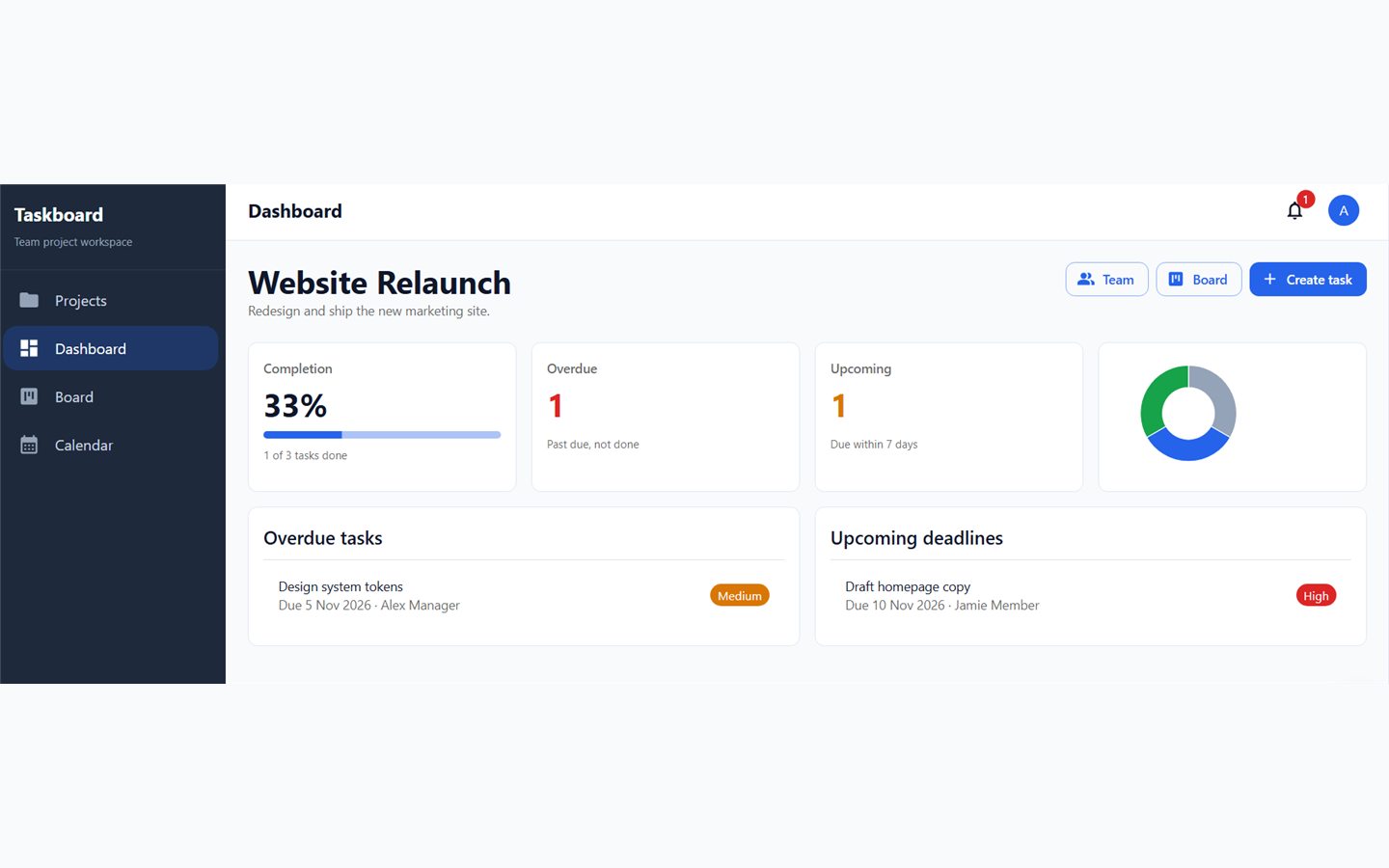
Open the AI app generator or the AI web app builder and describe the screens: job list, customer and unit register, AMC calendar, parts issue, and warranty tracker. If you track spares in depth, the inventory app builder is a close fit.
Where a mobile app helps
A mobile app suits the field technician who needs today’s job list, the unit history, a service-report form with photos, a run-hour entry, and a push alert for an urgent call. Build it after your paper job card works for a month. Start from the AI mobile app builder.
Where a logo and brand mark help
A clear name and mark appear on your van, uniforms, service stickers on every unit, invoices, and WhatsApp profile, so they should look good in small sizes and on dark and light backgrounds. A service sticker with a clear mark and phone number on every unit is a marketing asset that works for years. Use the AI logo generator to explore marks, and test each on a van door and a service sticker before you print.
A ninety-day plan if you are starting
- 1
Days 1 to 15
Study three nearby dealers as a mystery enquirer, count clinics, offices, and societies in your radius, shortlist OEMs, and write your start-up and fixed-cost sheet.
- 2
Days 16 to 45
Sign the dealership terms, set up the counter, vehicle, tools, and A-class stock, and write your AMC tiers, price sheet, and service report format.
- 3
Days 46 to 70
Build a simple website and Google profile, meet 20 electricians, contractors, and facility managers, and offer a free service-readiness check to ten local sites.
- 4
Days 71 to 90
Close first sales, sign the first AMCs, measure first-visit fix rate, collect reviews, and fix the three biggest gaps before you spend more on advertising.
A ninety-day plan if you already operate
- 1
Days 1 to 15
Measure honestly: units sold in three years, AMCs active, renewal rate, first-visit fix rate, stock value, receivables, and top three complaints.
- 2
Days 16 to 45
Fix one leak: no AMC offer at quote, slow first reply, or dead stock. Clean up the customer and unit register and the AMC calendar.
- 3
Days 46 to 70
Call every out-of-AMC customer from the last three years, add a spares kit per model, and introduce automated reminders and service reports.
- 4
Days 71 to 90
Lock the weekly scoreboard and plan the next 120 days of pre-season outreach. Only then consider a second brand, vehicle, or showroom.
Common failure patterns
- Budgeting for stock and showroom but not for six slow months
- Selling units with no AMC offer, so recurring income never builds
- Discounting the unit so deeply that the AMC cannot make up the margin
- Quoting installation or electrical work the team is not qualified or licensed to do
- Stocking slow, expensive parts before confirming a job
- Sending technicians without the likely parts, so every fault needs two visits
- No written service report, so disputes about what was done have no answer
- Replying to enquiries the next morning
- Taking on debt for a second branch before the first runs without the owner
When you are ready to build with Nyravi
Use this guide to decide what the business needs. When the next step is a dealer website, a service board, a technician checklist app, or a brand mark for your vans and unit stickers, open Nyravi and describe that product. Keep the brief short: who uses it, what they open first, and what they finish.
If you want help writing that description, ask on Support. Start on the [home page](/), or jump to the product pages linked above. For WhatsApp chatbots, start at cognitivesys.io. The operation comes first. The build carries the system once the system is clear.
Questions
How do I start a generator and UPS business in India?+
Start by choosing a segment and capacity band you can service, shortlist one or two OEMs, and build a start-up sheet that includes six slow months of working capital. Set up a counter, a service vehicle, tools, and Class A spares, write your AMC tiers and service report format, and meet electricians and facility managers before you advertise. Confirm licences and electrical qualifications with the authorities first.
How much does it cost to start a generator and UPS business?+
A single-counter dealership with a service van, tools, and opening stock can cost roughly ₹20 lakh to ₹50 lakh in total depending on the brand deposit and city, but your figure depends on the OEM and stock. The worked example in this guide totals ₹30,00,000. Always add six months of fixed costs before you open.
How much profit does a generator dealer make?+
Profit depends on unit sales plus recurring AMC and spares income, not on the headline dealer margin. In this guide’s example, 3 genset sales a month at ₹48,000 contribution plus 120 AMCs covers ₹2,40,000 of monthly fixed cost, and average contribution of ₹3,50,000 leaves about ₹1,10,000 a month. Track contribution per sale and AMC cover every month.
How do I price a generator AMC?+
Price the AMC from your cost per visit, the consumables and parts it includes, and a target contribution of around 50% or more. In this guide’s example, an ₹18,000 AMC with 4 visits and ₹4,500 of consumables leaves ₹9,900. Offer basic, standard, and comprehensive tiers, state what is excluded, and present the AMC at the time of quote.
How do I market a generator and UPS business in India?+
Lead with proof: a complete Google Business Profile, photos of real installations, a one-page brochure with AMC tiers, and fast replies on WhatsApp. Build referral ties with electricians, contractors, architects, and facility managers, reach AMC customers before summer and monsoon, and track which source brings each enquiry so you spend only on channels that produce orders.
How can I improve my generator service business?+
Log every call with a job number, send technicians with the likely parts, write a service report after each visit, and track first-visit fix rate. Convert past buyers to AMCs, remind renewals 45, 20, and 5 days before expiry, and review complaints monthly to fix the most repeated cause first.
Can a WhatsApp chatbot help a generator and UPS dealer?+
Yes, a WhatsApp chatbot can answer brand, AMC, and service-area questions, log breakdown calls with photos, book visits, and send service reports and renewal reminders, while handing urgent faults and negotiation to a person. CognitiveSys, the parent company behind Nyravi, builds WhatsApp chatbots and shared inboxes. Start at cognitivesys.io.
Does a generator and UPS business need a website or a web app?+
A dealer benefits from a website for proof and service requests, and from a web app once job cards, AMC calendars, and spares outgrow a spreadsheet. The website helps customers trust you before they call. The web app helps your team avoid missed visits and chase renewals. Start with the website, then add the app when the AMC calendar becomes hard to trust.
Is a generator and UPS business different from equipment rental or electrical contracting?+
Yes, a generator and UPS dealer earns on units sold, AMCs, and spares, while a rental company earns on utilisation and an electrical contractor earns on wiring and panel projects. The economics differ: dealers run on recurring service and stock turn, rental on days out, and contractors on project margin. Read the linked rental and electrical guides for those sides.
Can Nyravi help after I read this guide?+
Yes, Nyravi can help you build the digital side: a dealer website, a service and AMC web app, a technician mobile app, or a logo for vans and unit stickers. Describe the product in plain language and ask on Support if you want help with the brief. For WhatsApp chatbots, start at cognitivesys.io. This guide covers business operations only, not electrical, fuel, emission, or legal advice.