

Ice plant & ice manufacturing
Ice plant business: how to start, run, and improve one
A practical operator playbook for starting, running, and improving an ice plant in India that makes block and crushed ice for fish traders, meat shops, juice and sugarcane vendors, caterers, events, and cold-chain users: what the business really sells, tonnes-per-day capacity and utilisation, cost-per-tonne and break-even formulas with checked ₹ examples, edible versus industrial ice, ammonia and plant-safety systems, FSSAI and licence basics, a small plant and delivery team, seasonal pricing and credit, weekly scoreboards, WhatsApp chatbots for standing orders, and when a website, plant dashboard web app, driver mobile app, or logo actually helps. Business operations only, not engineering, refrigeration-safety, food-safety, or legal advice.
 Nyravi AILearn playbookFirst-time ice plant founders, fish and seafood traders integrating backward into ice, cold-chain and refrigeration technicians starting their own unit, fishing-cooperative and FPO members, owners of existing block-ice plants who want better utilisation and lower power cost per tonne, and operators adding crushed, tube, or cube ice for events and food service
Who this guide is for
Read this if you want to open or run an ice plant that freezes water into block ice, crushes it, and delivers it to fish landing centres, chicken and mutton shops, sugarcane and juice vendors, caterers, wedding and event planners, dairies, and transporters of perishables. It is also for a fish trader who spends ₹40,000 a month buying ice and wonders whether to make it, a refrigeration technician who knows compressors but not credit control, a cooperative committee looking at a shared plant, and an owner whose plant runs full in May and sits half idle in July. If your machines are fine but your utilisation, power cost, or collections are not, this playbook is for you.
The playbook covers the business around the machines: capacity and utilisation, power and water cost, edible-ice hygiene, buyers, seasons, cash cycle, safety, and growth. If you service the refrigeration equipment of other businesses, read the AC and refrigeration guide. If you hold other people’s produce at low temperature for a fee, see cold storage. If your main business is selling fish or meat across a counter, the fish and seafood shop and meat shop guides fit better. An ice plant is judged on tonnes sold per tonne of capacity, rupees of power per tonne, and whether a buyer can count on a block at five in the morning.
What an ice plant business is
An ice plant business is a small manufacturing business that freezes potable water into block ice in cans dipped in chilled brine, or into tube, flake, or cube ice in specialised machines, crushes or cuts it to order, stores it in an insulated room, and sells it by the block or tonne to food, fishing, event, and industrial buyers. Revenue comes from tonnes sold per month at a net price per tonne, and it is capped by plant capacity in tonnes per day, the share of days and capacity you actually fill, melt and handling loss, and how reliably you deliver in the hours when buyers need it.
Terms you will use every week
- TPD (tonnes per day): the rated ice output of the plant in 24 hours, such as 10, 20, or 30 TPD
- Block ice: ice frozen in metal cans in a brine tank, usually in 25 kg, 50 kg, or similar blocks pulled and dumped each day
- Crushed ice: block ice broken by a crusher into small pieces for fish boxes, displays, and drinks
- Brine tank: the insulated tank of chilled salt solution that surrounds the ice cans and carries away heat
- Edible ice: ice made from potable water under hygienic conditions and intended for use in or on food or drink
- Industrial ice: ice for cooling, concrete, or non-food use, often dyed or marked so it is not mistaken for edible ice
- Specific power consumption: kilowatt-hours of electricity used per tonne of ice made, the largest controllable cost
- Utilisation: tonnes actually made and sold as a share of rated capacity over a period
- Melt loss: the share of ice that melts between pulling, storage, loading, and delivery
An ice plant behaves like a power-to-ice converter with a short shelf life. The machines run whether orders come or not, the product cannot be kept for long, and demand follows weather and fish landings. The skill you manage most carefully is matching production to demand and keeping every kilowatt-hour working.
Ice plant at a glance: the worked example in this guide
Key figures, all illustrative and to be replaced with your own quotes and meter readings
- Scale: a 20 TPD block-ice plant, which is 400 blocks of 50 kg a day, with a crusher and a small insulated store
- Utilisation: 55% of capacity averaged across the year, with 4% melt and handling loss, which gives about 316.8 saleable tonnes a month
- Price: a blended net price near ₹4,800 a tonne, which is ₹4.80 a kilo or ₹240 for a 50 kg block, giving ₹15,20,640 of monthly sales
- Cost: about ₹1,320 of variable cost per saleable tonne, so about ₹3,480 of contribution per tonne
- Fixed cost: about ₹5,22,000 a month including a ₹50,000 owner draw and a ₹1,20,000 loan instalment
- Break-even: about 150 tonnes a month, which is 5 tonnes or 100 blocks a day, or about 26% utilisation
- Profit at 55% utilisation: about ₹5,80,464 a month, about ₹79,344 at 30%, and a loss of about ₹1,21,104 at 20%
- Start-up investment: about ₹1,12,00,000, which pays back in about 19 months at that profit once the plant reaches its average
Treat these as a template for your own sheet, not as a promise. Plant cost, power tariff, selling price, and utilisation vary widely by state, season, and buyer mix. The point is to see which three numbers move profit most: utilisation, power per tonne, and net price per tonne.
What an ice plant really sells
A buyer does not buy a tonne of frozen water. A fish trader buys the right to land a boat’s catch at five in the morning and keep it at the right temperature until the auction. A juice vendor buys clean ice that will not make a customer ill. An event planner buys a delivery that arrives before the guests do. The plant gets the first order on price. Reliability and cleanliness get the fiftieth.
A plant that tries to sell edible block ice, party cube ice, flake ice for fish, dry-ice substitutes, and bagged ice at once feels ambitious and runs badly. Every product needs its own machine, hygiene standard, and packing line. A plant that makes one or two products well, keeps a spare block in stock for the morning rush, and answers the phone at four-thirty is easier to run, easier to cost, and easier to defend against the next plant down the road. Dependable delivery at the hour a buyer needs it is the business model.
How an ice plant differs from cold storage, a refrigeration workshop, and a fish or meat shop
Owners often borrow numbers from a relative in cold storage or a fish shop and get the wrong cost sheet. An ice plant is a power-intensive, perishable-product manufacturing business with a daily delivery rhythm and a strongly seasonal order book. That changes the capital you need, the staff you hire, and the numbers you track.
Where the lines fall
- Cold storage: you rent space at a controlled temperature and the product is the customer’s. An ice plant manufactures a product that is gone in hours. See cold storage if you store, not make
- Refrigeration workshop: you earn from service and repair labour. An ice plant earns from output and carries the plant’s power bill. See AC and refrigeration for the service model
- Fish and meat shops: they are your best buyers and, if they make their own ice, your competitors. See fish and seafood shop and meat shop for how they plan ice demand
- Ice cream and juice businesses: they use ice as an ingredient or display aid and need food-grade hygiene. See ice cream parlour and juice bar
- General manufacturing: batch production, raw-material stock, and long lead times. Ice has almost no raw-material stock and almost no finished-goods stock. See manufacturing for the broader model
- Logistics: you sell and deliver in the same morning window. See logistics for route and fleet thinking you can borrow
Choose a plant size and product mix before you buy a machine
An ice plant can be a 2 TPD unit behind a fish market or a 50 TPD industrial plant, which is why new owners buy too much or too little. Size the plant to the volume you can sell within a short delivery radius in your weakest months, and plan to add capacity from profit.
Common choices and what they ask of you
- Block ice plant (can and brine tank): the usual first choice for fish, meat, and general trade. It is simple, tolerant, and well understood, but it is slow, needs a 24-hour freezing cycle, and needs a crusher for fine ice
- Tube ice machine: makes hollow cylinders of clean, uniform ice that suit juice, drinks, and food service. It costs more per tonne of capacity but needs less handling and floor space
- Flake ice machine: makes thin dry flakes that cool fish quickly without bruising. It suits processors and larger fish handling, with higher machine cost and tighter water and maintenance needs
- Cube and bagged ice line: suits hotels, retail, and events, with packing, labelling, and cold-store needs that add hygiene and weighing rules
- Plate ice and industrial ice: for non-food cooling and concrete work, usually sold in tonnes with different hygiene rules and clear marking
- Contract supply: a fixed monthly tonnage to one large buyer such as a processor or dairy, with price formulas and penalties written down
Decide these before you commit money
- Your peak and weakest month of demand within a 15 to 25 km radius, from a written list of buyers and their current ice spend
- Water source, quantity, hardness, and test results, and what treatment you need to make clear, edible ice
- Power availability, connection category, demand charge, tariff, outage pattern, and the cost of a generator or solar offset
- Land, access for trucks and three-wheelers, loading height, drainage, and the effluent and brine disposal plan
- Refrigerant and plant type, and whether a trained operator and an emergency plan will be available every shift
- Scale for the first year: 5 to 10 TPD to prove demand, 20 TPD as a mid-size plant, or a phased plant that adds cans and compressors later
How an ice plant works, from water to the buyer’s door
Every block-ice plant follows the same shape: treat water, fill cans, freeze them in chilled brine, pull and dump blocks, store or crush, load, deliver, and clean. Plant makes and layouts differ, so this is a map, not an engineering method.
A typical block-ice day
- 1
1. Treat and test water
Draw potable water, filter and treat it as your engineer and test reports advise, and keep a record of the source and the last test date.
- 2
2. Fill cans
Fill clean cans to the marked level, add the agitation or core-clearing step your design needs, and keep the filling area clean and drained.
- 3
3. Freeze in the brine tank
Hold the cans in chilled brine for the freezing cycle, watching brine temperature, density, and agitator operation.
- 4
4. Pull and dump
Lift cans with the hoist, thaw the surface in the dip tank for a short controlled time, and dump blocks onto a clean surface without dropping them.
- 5
5. Store or crush
Move blocks to the insulated store, or crush to order in a clean crusher, and keep edible and industrial ice physically separate.
- 6
6. Load
Load by order sheet into clean, insulated vehicles, count blocks, and record weights, with a covered, drained loading bay.
- 7
7. Deliver
Run fixed routes timed to each buyer’s need, hand over with a signed or photographed receipt, and note any melt complaint.
- 8
8. Clean and reset
Wash crushers, floors, dump area, and vehicles, check the plant log, and prepare cans for the next fill.
Start-up and monthly cost formulas
An ice plant needs a building, a refrigeration plant, tanks and cans, power and water systems, a store, vehicles, safety equipment, and cash for the months before demand fills the plant. The plant and the working capital are the two lines founders most often squeeze, and the safety and standby power lines are the two they most often regret cutting.
Ice economics: what one tonne earns
Capacity pays for itself only if each tonne is sold. Work out the variable cost of one saleable tonne, the net price you really realise, and the contribution left to cover the fixed cost, and run the plant from those numbers rather than from the brochure’s best-case power figure.
Break-even and profit: tonnes and blocks per month
Because rent, salaries, demand charges, and the loan instalment are paid whether you pull 200 blocks or 600, the number of tonnes you must sell each month is the most important number on the wall. Put it where the operator, the driver, and the owner can see it.
Registration, licences, and food-safety basics
An ice plant touches food-safety law, factory and boiler or pressure-vessel rules, electricity and building rules, pollution and effluent rules, weights and measures, labour law, and tax law. The framework differs by state, plant size, refrigerant, and product use. Treat this section as a checklist of things to confirm, not as instructions.
Confirm each with a qualified professional and the authority
- Udyam (MSME) registration, which often helps with bank credit and scheme eligibility
- FSSAI registration or licence for ice sold for edible use, and clarity on how your edible and industrial ice are treated, confirmed with the food authority
- The applicable BIS standard for edible ice and your water-quality requirements, and a recent water test from an accredited laboratory
- Factory licence and registration where your worker count and power load make the Factories Act and state factory rules apply
- Pressure-vessel and refrigerant rules for ammonia receivers, compressors, and piping, and periodic inspections by the competent authority or an approved person
- Hazardous-chemical storage and emergency-plan rules if the quantity of ammonia or other chemicals you hold crosses a threshold
- State pollution control board consent to establish and operate, where required, and rules for brine and wash-water disposal
- Electricity connection category, sanctioned load, earthing, and a safe, moisture-proof wiring plan certified by a licensed electrical contractor
- GST registration and the correct treatment of ice sales, confirmed with a chartered accountant
- Legal Metrology verification of weighing scales if you sell by weight, and honest block weights
- Insurance for the plant, stock, vehicles, workers, third-party liability, and a business-interruption cover where available
Edible ice, hygiene, and plant-safety systems
Two risks decide whether an ice plant lasts: contaminated ice that reaches food, and a refrigerant or electrical incident that hurts a worker. Both are managed by routine, written systems and trained people, not by posters.
Edible-ice hygiene systems worth writing down
- Tested potable water, with a test-report file and a retest schedule, and treatment equipment serviced on a calendar
- Clean cans, dump area, crusher, scoops, and storage, washed on a schedule with only cleaning agents your adviser approves for food-contact surfaces
- Edible and industrial ice made, stored, crushed, and loaded in separate areas with clear signs and, for industrial ice, a marking method
- Ice never handled by bare hands or dragged on the floor, with clean tools and gloves at every step
- Clean, covered, drained, and labelled vehicles and bags or crates, with no ice carried alongside chemicals or waste
- A daily log of water source, brine checks, cleaning, and who handled the product, with batch dates on bagged ice
- Pest control and drainage that keep the plant, store, and yard clean
- A complaint log that records the date, buyer, and cause of each hygiene complaint so a pattern shows up in a week
Plant and worker-safety basics to confirm with a qualified engineer and adviser
- Ammonia, if used, is toxic and needs trained operators, leak detectors, ventilation, eyewash and shower, protective gear, and a written emergency plan that has been drilled
- Pressure parts, safety valves, and gauges need periodic testing and records, and nobody should adjust a safety device without authority
- Brine is conductive and corrosive, so keep electrics sealed, earthed, and protected by suitable breakers, and keep wet-area wiring checked by a licensed electrician
- Hoists, chains, and can-lifting gear need inspection, safe working loads, and guards, and nobody should stand under a lifted can
- Cold burns, slips, and falls need non-slip footwear, gloves, drainage, and clear walkways around tanks and the dump area
- Tank rooms and sumps can be confined spaces, so allow entry only under a permit with a watcher and a rescue plan
- Lifting 50 kg blocks needs hooks, trolleys, and team lifts rather than bare backs
- Loading bays need driver and pedestrian separation, reversing aids, and wheel chocks
- A first-aid kit, fire extinguishers, an emergency contact list, and a shutdown procedure posted at the plant door
The team an ice plant needs
An ice plant works when each person owns a shift and a checklist, not when everyone does everything. Hire for care and routine, train each new person on one step before the next, and never leave the plant with an untrained operator alone.
Roles that keep the machines running and the blocks moving
- Owner or plant manager: capacity plan, buyers, price, power tariff, cash, and the weekly review
- Plant operator: compressor, brine, and safety checks, readings, and shutdown decisions, ideally trained and certified for your refrigerant
- Plant helpers: can filling, pulling, dumping, crushing, and stacking to a standard routine
- Loading and dispatch lead: order sheet, loading, counting, and route sequence
- Drivers and delivery staff: early-morning runs, buyer receipts, and complaint capture
- Maintenance owner: preventive servicing, spares, and the electrician and refrigeration engineer on call
- Accounts: daily cash and credit tracking, power bills, GST, and payroll, usually a part-time accountant
Pay the operator a base plus a visible bonus for low power per tonne and zero safety incidents. A bonus on tonnes alone teaches people to skip a safety check to chase output.
Pricing, season, and channel mix
Ice is a commodity sold by weight, so price is set by the nearest competing plant, the buyer’s cold chain, and your delivery reliability. A plant that sells only to one fish market takes that market’s price and its slow season. A plant that spreads sales across fish, meat, food service, events, and industrial buyers keeps more of each tonne.
Pricing habits worth keeping
- Publish a rate card by product and channel, and let only the owner or manager approve a discount
- Offer a lower standing rate for committed monthly tonnage and a higher spot rate for last-minute orders
- Charge a modest summer peak rate, and use off-season offers to fill capacity from a known buyer list rather than cutting the headline price
- Price crushed ice and event deliveries on value, because the buyer is paying for timing and cleanliness
- Set a delivery charge or minimum order for far or small drops so a 10-block run does not cost more than it earns
- Carry only as much credit as your cash can bear, and set a hard stop for buyers who pay late
- Keep a written price list for each channel so staff do not quote from memory
The buyer journey from the first sample to the standing order
Most fish traders, meat shops, and caterers do not switch ice suppliers for a rupee a block. They switch when a supplier fails them at the wrong hour. The journey from a first trial to a standing order is where a small plant becomes a dependable one.
A standard journey
- 1
1. Find and qualify
List fish markets, meat shops, juice vendors, caterers, event planners, and transporters within your delivery radius and learn what they pay and from whom.
- 2
2. Trial
Deliver a few clean blocks on trial with a card showing weight, make date, and price, and ask about timing and size.
- 3
3. Trial week
Offer a one-week trial, deliver on time every day, and call after the first delivery to ask what they would change.
- 4
4. Standing order
Agree days, quantity, rate, billing cycle, and payment terms in writing, and give the buyer a single number to message if a delivery is short.
- 5
5. Deliver
Pack by buyer, record block count, deliver on the promised hour, and take a signed or photographed receipt.
- 6
6. Handle problems
Replace melted or dirty ice the same day if the complaint is fair, record the cause, and trace it to the batch and vehicle.
- 7
7. Invoice and collect
Invoice weekly or on delivery, follow up on the due date, and pause supply politely if payment keeps slipping.
- 8
8. Review and expand
Meet each large buyer monthly, ask about their season and volumes, and offer crushed, tube, or bagged ice or a seasonal contract.
A simple weekly rhythm
Run the plant on a short scoreboard
- Daily start: brine temperature and density, compressor and condenser readings, water test status, and a safety walk-through before the helpers enter
- Daily production: blocks filled, pulled, crushed, and loaded, and electricity units used since the last reading
- Daily close: blocks sold by buyer, cash and credit entries, melt and breakage count, and a photo of the plant room and dump area
- Weekly: tonnes made against rated capacity, utilisation, units per tonne, and breakdown hours
- Weekly: tonnes sold by channel, net price by channel, receivables by buyer, and complaints by cause
- Weekly: a five-minute team huddle on one thing, such as a safety slip or a late route
- Monthly: power bill per tonne, preventive maintenance, safety-device tests, water test, licence calendar, and a buyer review
Money: the numbers that decide survival
Watch these every week and every month
- Tonnes made, utilisation, and melt loss by week, compared with last year’s same week
- Units of electricity per tonne, and power cost as a share of sales
- Net price by channel, and contribution per tonne after delivery
- Receivables from traders, caterers, and institutions, and days outstanding by buyer
- Cash in hand against three months of fixed cost and loan instalments, because a poor season or a breakdown can hit any month
- Maintenance spend and breakdown hours, and spares in stock for the parts that fail most
- Delivery cost per tonne and per drop, and returns or complaints as a share of tonnes sold
ROI formulas you can use this month
Marketing an ice plant in India
Ice is sold to people who already need it at a fixed hour, so marketing is mostly proof and reliability. Show the plant, show the water test, and be the supplier who is easy to order from at four in the morning. A short video of a clean dump area and a loaded vehicle does more than an advertisement.
What moves orders
- A complete Google Business Profile with location, plant photos, hours, phone, and a WhatsApp number that is answered
- A visit offer for fish traders, caterers, and hotel kitchens to see the plant and the water test report
- A morning price and availability message sent on WhatsApp to a broadcast list of opted-in buyers in the peak season
- Event-season offers for wedding planners, caterers, and tent houses with pre-booked slots
- Clear, honest labels that say edible or industrial, with the make date
- Referral partnerships with fish markets, meat associations, and refrigerated-transport owners
- Honest claims, with no guarantee of food safety or shelf life that depends on the buyer’s handling
Reviews, relationships, and reputation
An ice plant is judged by a few traders, kitchens, and event planners who talk to each other. One missed morning from a plant that was reliable for a year is remembered. One call that says “a replacement is on its way” is remembered too.
A routine that works
- Call each large buyer every month and ask what they would change in timing, size, or billing
- Tag every complaint by cause: late, melted, dirty, short count, wrong product, or billing
- Fix the cause with the biggest count first, tell the team, and measure the same complaint again next week
- Ask satisfied buyers for a Google review or a referral, never as a condition of a discount
- Reply to every public review within 48 hours, thank the good ones, and offer a call to fix the bad ones
- Never argue publicly, and never post a buyer’s name, volumes, or rates without permission
Channels that bring orders
Rank them by contribution per tonne and by reliability, not by volume alone
- Fish traders and landing centres: large, steady volume in season at a competitive price, in exchange for early delivery. See fish and seafood shop buyers for how they plan
- Meat and poultry shops: daily small drops with good loyalty. See meat shop for their rhythm
- Juice, sugarcane, and ice cream vendors: price-tolerant buyers who value clean ice. See juice bar and ice cream parlour
- Caterers, weddings, and events: high-value, pre-booked orders that suit crushed ice and delivery timing. See catering, event management, and tent house
- Dairies, chilling centres, and processors: planned volumes under contract at lower rates
- Vegetable, fruit, and flower transporters: seasonal demand for block and flake ice in long hauls
- Industrial and construction buyers: tonnage orders of marked industrial ice with different hygiene rules
Log the source of every order. After a quarter you will know which channel gives profit and which one gives volume that leaves you with nothing.
Automation that frees the owner
Automate these first
- A daily order and delivery sheet that totals blocks by buyer and route and prints a loading list
- Plant readings, safety checks, and maintenance reminders with an alert when a reading is missed or out of range
- A weekly power-per-tonne and breakdown-hours report that flags a drift before it becomes a failure
- Spares and consumables reorder alerts for seals, belts, filters, and salt
- Buyer invoices, delivery challans, and payment reminders sent on a fixed schedule
- A morning availability and rate message to your buyer list, sent from a template you approve
- A weekly digest to the owner: tonnes, utilisation, power per tonne, price by channel, receivables, and complaints
Where a WhatsApp chatbot helps
Traders, caterers, and kitchen managers message at four in the morning and late at night: “Need 40 blocks by 5,” “What is today’s rate?”, “Can you deliver to the jetty?”, “Where is my vehicle?” If those messages wait until you are at the compressor, the buyer has already called another plant.
What a business WhatsApp chatbot is good for
- Answering rate, product, delivery area, hours, and minimum-order questions from facts you approve
- Taking repeat and standing orders from known buyers and sending the list to the dispatch sheet
- Collecting new enquiries from vendors, caterers, and event planners with quantity, location, and date, then alerting a person
- Sending delivery windows, vehicle updates, and invoice copies
- Sending a morning availability message to opted-in buyers in the peak season
- Asking for feedback after a delivery and routing complaints to the owner
- Handing the whole thread to a person for quality disputes, credit, and anything about food safety, illness, or an incident
Why ice plants use it
- Buyers already live on WhatsApp and prefer it to calling at dawn
- One shared inbox instead of the owner’s personal number
- Written orders reduce disputes about count and hour
- Faster first replies, which is where new standing buyers are won

Use WhatsApp for conversation, your website for proof and a rate card, and a web app when blocks, readings, and buyers need to live in one place.
Growing an ice plant
Growth is not only more compressors. It is higher utilisation, lower power per tonne, a better product and channel mix, and a cash cycle that lets you add capacity from profit rather than from debt.
Ways to grow responsibly
- Raise utilisation and cut power per tonne before you add capacity, because both lift profit without new capital
- Fill the slow season with contract buyers such as dairies, processors, and transporters before you discount the headline rate
- Add crushed, tube, or bagged ice for food service and events, under proper FSSAI and weighing rules
- Add a small insulated store and a second vehicle so more orders arrive on time
- Offer refrigerated delivery and cold-chain add-ons, as in a cold storage partnership
- Add solar or a power-purchase arrangement for part of the load after reading your own tariff, as in solar EPC
- Consider a second plant near a different fish or produce cluster, only after the first has held target utilisation and safety for six months, including two weeks with the owner away
Where a website helps
Traders, caterers, and event planners search “ice supplier near me”, “block ice delivery”, or “crushed ice for wedding” before they ring. Your website should show products and block sizes with photographs, a rate card or range, delivery areas and hours, whether the ice is edible or industrial, the FSSAI details where they apply, a buyer enquiry form, and a WhatsApp button, in that order. A site that shows only a logo and a phone number loses to the plant that answers the first three questions on one page. Add clear headings and structured data for a local business so search engines and AI assistants can quote your location, products, and contact details correctly.

Start from the AI website builder or build a website with AI and describe your products, delivery routes, hours, and the three questions you want a buyer to answer on the page.
Where a web app helps
A web app helps when plant readings, daily production, buyer orders, routes, and invoices outgrow a notebook and a spreadsheet, and when a second plant or a larger crew makes one person’s memory unreliable. A signed-in board that shows tonnes by day, units per tonne by week, orders by route, and receivables by due date gives the owner, the operator, and the dispatch lead the same answer.
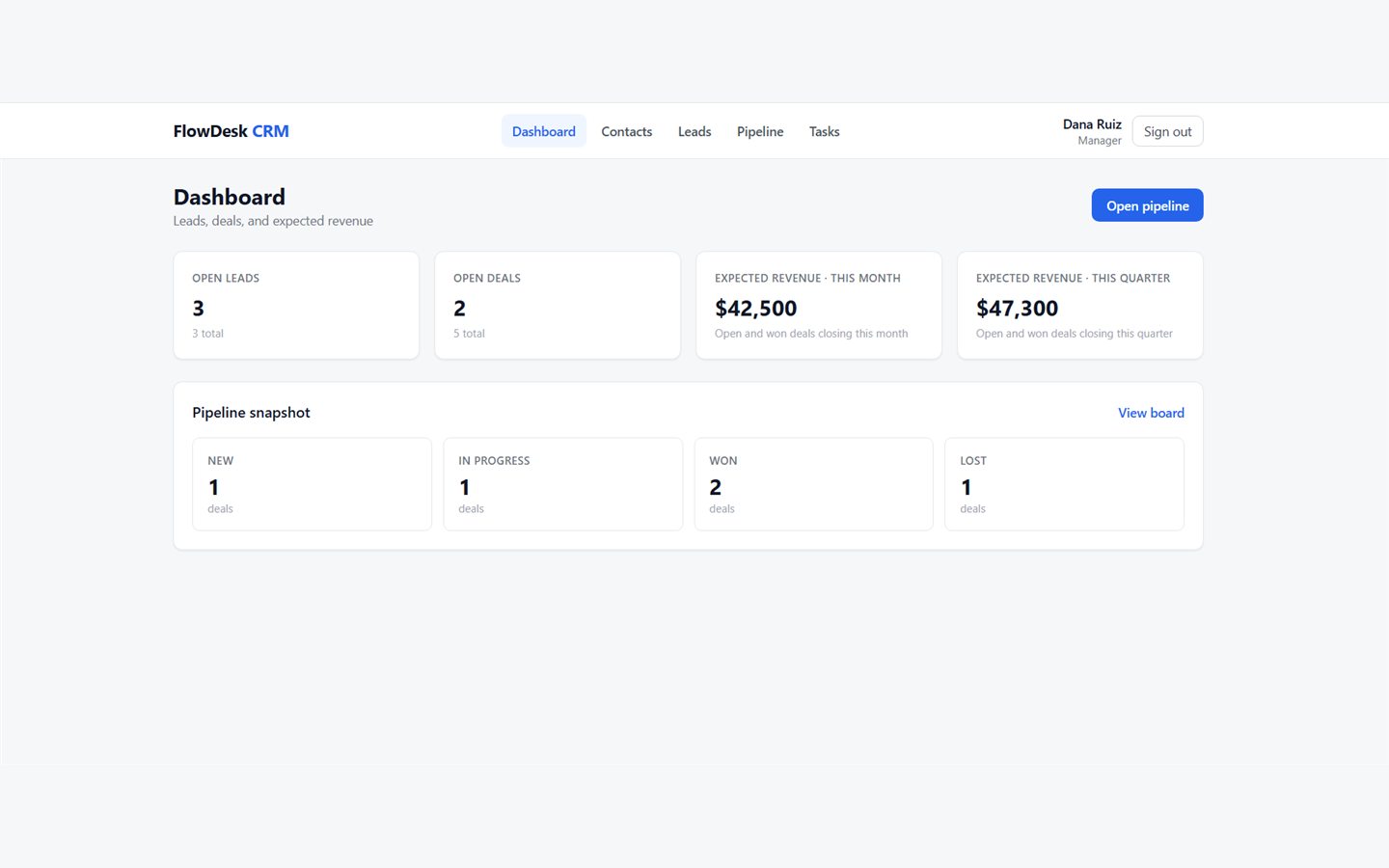
Open the AI app generator or the AI web app builder and describe the screens: plant log and safety checklist, daily production and stock, buyer orders and routes, and an invoice and receivables tracker.
Where a mobile app helps
A mobile app suits the operator and the delivery team who need a readings checklist, a safety walk-through with photos, a block count at loading, a delivery proof with a photo, and a complaint note, all from a phone near a wet, cold plant floor. Build it after your paper checklist has worked for three months. A consumer app is rarely worth it for a single plant. Start from the AI mobile app builder.
Where a logo and brand mark help
An ice plant mark appears on a bag label, a vehicle door, a delivery receipt, an invoice, a WhatsApp profile, and a gate sign, so it should read from a distance and in one colour. Pick a short name that is easy to say on a phone, a simple mark that suggests cold and clean without copying a famous brand, and a label that states edible or industrial at a glance. Use the AI logo generator to explore marks, and test each on a bag label and a small circle before you print.

A ninety-day plan if you are starting
- 1
Days 1 to 15
Visit two working plants, list your first ten buyers and their ice spend, test your water, and get written quotes for plant, power, and building.
- 2
Days 16 to 45
Secure the site, apply for registrations, finalise the engineer and the plant, arrange the power connection and standby, and hire the operator early so he is trained on commissioning.
- 3
Days 46 to 70
Commission under the engineer’s supervision, run safety drills, complete test runs and water tests, hire helpers and drivers, and sign letters of intent with buyers.
- 4
Days 71 to 90
Begin regular deliveries, measure utilisation, units per tonne, melt loss, and complaints weekly, and fix the three biggest gaps before you add a product or capacity.
A ninety-day plan if you already run a plant
- 1
Days 1 to 15
Measure honestly: utilisation by week, units per tonne, melt loss, price by channel, receivables, and your top three buyer complaints.
- 2
Days 16 to 45
Fix one leak: a condenser or brine problem that raises power, a route that costs more than it earns, or a buyer who always pays late. Rewrite the safety checklist and the plant log.
- 3
Days 46 to 70
Shift volume to better channels, set standing orders and written rates, add a slow-season contract, and cut melt with covered loading and shorter hold times.
- 4
Days 71 to 90
Lock the weekly scoreboard and plan the next two seasons. Only then consider a new product, more capacity, or a second plant.
Common failure patterns
- Buying a plant before signing buyers, then running half-empty in the slow season
- Ignoring power per tonne until the electricity bill is the largest cost line
- Skipping standby power, so one outage in peak week loses a day of ice and a buyer
- Selling industrial ice for food or drink, or failing to separate the two
- Letting an untrained operator run an ammonia plant alone at night
- Skipping inspections and safety-device tests because the plant is running fine
- Letting credit to large buyers grow until cash for power and salaries runs out
- Discounting the headline rate in every slow week instead of finding contract buyers
- Running the plant, the vehicles, and the accounts from the owner’s memory
- Opening a second plant before the first runs clean without the owner on the floor
When you are ready to build with Nyravi
Use this guide to decide what the plant needs. When the next step is a plant website with a buyer enquiry form, a production and buyer dashboard, an operator checklist app, or a brand mark for your bags and vehicles, open Nyravi and describe that product. Keep the brief short: who uses it, what they open first, and what they finish.
If you want help writing that description, ask on Support. Start on the [home page](/), or jump to the product pages linked above. For WhatsApp chatbots, start at cognitivesys.io. The operation comes first. The build carries the system once the system is clear.
Questions
What is an ice plant business?+
An ice plant business is a small manufacturing business that freezes potable water into block, tube, flake, or cube ice, stores or crushes it, and sells it by the block or tonne to fish traders, meat shops, juice vendors, caterers, event planners, and industrial buyers. It earns the margin between the variable cost per saleable tonne and the net price per tonne, and it is limited by rated capacity, utilisation, power cost per tonne, melt loss, and delivery reliability.
How do I start an ice plant business in India?+
Start by listing your first ten buyers and their current ice spend, testing your water, and getting written quotes for the plant, power, and building from at least three engineers or suppliers. Secure the site, apply for Udyam, FSSAI, factory, pollution, and electricity approvals as they apply, hire a trained operator early, commission under an engineer’s supervision, and begin deliveries only after safety drills and water tests are complete.
How much does it cost to start an ice plant in India?+
A small 2 to 5 TPD ice unit can start from tens of lakhs of rupees, while a 20 TPD block-ice plant can cost roughly ₹80 lakh to ₹1.5 crore depending on plant type, building, and region. The worked example in this guide totals ₹1,12,00,000, including ₹42,00,000 of refrigeration plant, ₹22,00,000 of civil work, ₹9,00,000 of electrical and standby power, and ₹4,00,000 of working capital.
How much profit can an ice plant make?+
Profit depends on utilisation, power per tonne, and net price per tonne, not on capacity alone. In this guide’s example, a ₹3,480 contribution per tonne and ₹5,22,000 of monthly fixed cost break even at about 150 tonnes a month, or 26% utilisation, and earn about ₹5,80,464 a month at 55% utilisation after the owner’s draw and loan instalment. At 20% utilisation the same plant loses about ₹1,21,104 a month.
What licences do I need for an ice plant in India?+
Most ice plants need Udyam registration, GST, local trade permissions, an electricity connection, and often FSSAI registration or a licence for edible ice, while factory, pressure-vessel, refrigerant, hazardous-chemical, and pollution-board approvals depend on your plant size, refrigerant, and state. Legal Metrology rules apply if you sell by weight. Rules vary by state and change over time, so confirm each with the authority and a qualified adviser.
What is the difference between edible ice and industrial ice?+
Edible ice is made from potable water under hygienic conditions and may be used in or on food and drink, while industrial ice is made for cooling or construction use and is often dyed or marked so it is not eaten. Keep them in separate areas, label them clearly, never sell industrial ice for food, and confirm your edible-ice standard, water testing, and FSSAI obligations with the food authority.
How do I find buyers for ice and reduce seasonal slumps?+
Sell to a mix of fish and meat traders, juice and sugarcane vendors, caterers and event planners, dairies and processors, and transporters. Offer a one-week trial, agree days, quantity, rate, and payment terms in writing, and answer WhatsApp fast. Fill the slow season with contract buyers and crushed-ice event orders rather than cutting the headline rate, and track net price and receivables by channel.
How can I reduce the power cost of an ice plant?+
Track units of electricity per tonne every week, keep condensers and brine clean, maintain the plant on a calendar, run at the right load, and fix drift before it becomes a failure. In this guide’s example, cutting use from 80 to 72 kWh a tonne saves about ₹22,810 a month, while a fouled condenser at 88 kWh costs about the same extra. Have a refrigeration engineer review your specific plant.
Can a WhatsApp chatbot help an ice plant?+
Yes, a WhatsApp chatbot can answer rate, product, and delivery questions, take repeat and standing orders, collect new buyer enquiries, send delivery updates and morning availability, and ask for feedback, while handing quality disputes, credit, and any food-safety or incident question to a person. CognitiveSys, the parent company behind Nyravi, builds WhatsApp chatbots and shared inboxes. Start at cognitivesys.io.
Does an ice plant need a website, an app, or Nyravi?+
An ice plant benefits most from a simple website with products, block sizes, rates, delivery areas, and a buyer enquiry form, then from a web app once readings, production, orders, and receivables outgrow a spreadsheet. An operator mobile app helps after the paper checklist works. Nyravi can build the website, dashboard, operator app, or logo from a plain-language description. For WhatsApp chatbots, start at cognitivesys.io. This guide covers business operations only, not engineering, refrigeration-safety, or legal advice.