
Meditation & mindfulness centre
Meditation centre business: how to start, run, and improve one
A practical operator playbook for starting, running, and improving a meditation and mindfulness centre in India: what the business really sells, membership, course, retreat and workshop contribution formulas, break-even and member-retention maths, registration and teaching-standard rules on the business side, a teacher-led team, programme and pricing design, the member journey from first sit to long-term practice, retreat operations, local and corporate marketing, WhatsApp chatbots for session bookings and reminders, and when a website, booking web app, member mobile app, or logo actually helps. Business operations only. Not medical, psychological, or therapy advice, and no outcome or cure is promised.
 Nyravi AILearn playbookFirst-time meditation centre founders, trained meditation and mindfulness teachers starting their own space, yoga and wellness professionals adding a stillness practice, and existing centres that want steadier membership, fuller courses, and calmer, better-run retreats
Who this guide is for
Read this if you want to open a space for guided meditation, mindfulness courses, breathing and stillness practice, silent days, weekend retreats, or corporate and school mindfulness sessions, whether your tradition is secular mindfulness, Vipassana-inspired, Zen, Vedic, devotional, or a blend you teach honestly. It is also for a trained teacher who runs sessions in a rented hall or living room and wants a proper, sustainable centre. If your best sessions have eight people one week and three the next, and the room feels calm only because you hold it together, this playbook is for you.
The playbook covers the business around the practice: membership and course economics, retention, retreats, teacher standards, and trust. If your main offering is physical postures and flow classes, read the yoga studio guide. If you sell massages, treatments, and packages in a relaxation setting, see spa and wellness. If you plan retreats in a rented property, the homestay guide may help with venue partners. A meditation centre sells a quiet practice and a community around it, and the product is stillness, not treatment.
What a meditation centre business is
A meditation centre business is a teaching and community space that offers guided meditation, mindfulness courses, retreats, and workshops to individuals and organisations, priced as memberships, drop-in sessions, course fees, and retreat fees. Revenue comes from monthly memberships, course cohorts, retreats, corporate and school sessions, and small retail, and it is capped by the number of teachers, the capacity of the room, and the trust a community places in the people who guide it.
Terms you will use every week
- Drop-in session: a single guided sit that a person pays for on the day, usually the entry point to the centre
- Membership: a monthly fee for a defined set of group sessions, which gives the centre predictable income
- Course cohort: a fixed group that attends a structured programme together, such as an 8-week mindfulness course
- Retreat: a residential or day-long programme with extended practice, often including silence, with a venue, food, and facilitators
- Class fill rate: attendees divided by room capacity for a session
- Churn: the share of members who leave in a month
- Member lifetime: the average number of months a member stays, which is one divided by monthly churn
- Teaching lineage or method: the tradition or training behind what you teach, which you must describe honestly
A yoga studio sells postures and flow in a studio. A spa sells treatments performed on the body. A meditation centre sells a practice done mostly seated and still, and the room, the teacher’s presence, and the community do most of the work. The product you manage most carefully is not the cushion. It is the quality of silence and the safety of the container.
What a meditation centre really sells
A member does not buy forty-five minutes of sitting. They buy a place in the week where nobody asks anything of them, a teacher who explains a practice clearly, other people who are also trying, and the feeling of having done something kind for themselves. A corporate buyer does not buy a workshop. They buy a short, respectful break for a tired team.
A centre that promises miracle results, hints at curing anxiety or illness, or builds dependence on one charismatic teacher may fill a room for a season and lose trust the first time someone is harmed. The centre that is honest about what meditation can and cannot do, keeps teaching standards high, and treats every participant as an adult is the one that is still there ten years later.
How this differs from yoga studios, spas, and wellness clubs
Owners often borrow models from nearby wellness businesses, and the borrowing creates the wrong cost sheet. A meditation centre needs quiet, teacher presence, and community more than equipment or treatment rooms. That changes how you design, price, and measure.
Where the lines fall
- Yoga studio: you teach postures, flow, and breath in classes that are often higher-energy and larger. A meditation centre teaches stillness and attention, often in smaller groups. See yoga studio for that model
- Spa and wellness: you deliver treatments by trained therapists with rooms, products, and a retail element. A meditation centre sells no treatments. Read spa and wellness
- Gym and fitness: you sell equipment access and training for physical goals. A meditation centre sells attention training and community. See gym for contrast
- Counselling and therapy: those are clinical or advisory services with their own qualifications. A meditation centre must never present itself as a treatment and must refer people who need help
- Retreat venues and homestays: they provide rooms and food. A centre may rent a homestay or a quiet property for retreats and bring its own teachers and programme
Choose a focus before you build the room
Meditation is a broad word that covers many methods, traditions, and audiences. A centre that offers everything from mantra chanting to corporate mindfulness to trauma-sensitive practice with the same two teachers does none of it well. Pick the method, the audience, and the promise you can deliver every time.
Decide these before you commit money
- Method and tradition: secular mindfulness, breath-based, mantra, Vipassana-inspired, Zen, Vedic, devotional, or a clearly labelled blend, and the training behind it
- Audience: working adults, seniors, students, corporate teams, parents, or beginners with no experience
- Programme mix: drop-in sits, memberships, structured courses, silent days, residential retreats, and corporate sessions
- Room size and format: a small quiet hall for 15 to 25, a studio shared with other uses, or a rented space for specific hours
- Language: the language or languages you teach in and the tone, formal, warm, or simple
- Pricing stance: fixed fees, sliding scale, or donation-based, and how that fits your legal structure
- What you will never offer, such as medical claims, supervised withdrawal from medication, or practices beyond your teachers’ training
Start-up and monthly cost formulas
A meditation centre needs less equipment than a gym, but it needs the right room: quiet, ventilated, comfortably lit, and free of street noise. The deposit and fit-out are the visible cost. The slow months before membership builds are the invisible one.
Programme economics: what members, courses, and retreats earn
The headline fee is not what you keep. Payment fees, supplies, teacher fees, and venue costs come out of it. Calculate contribution per member, per course cohort, per retreat, and per workshop, not income per brochure.
Break-even: members and the programme mix
Memberships give the centre its steady income, and courses, retreats, and workshops add the margin. Because fixed cost is steady and interest rises and falls with the calendar, break-even works best as a mix you can check every month.
Registration, licences, and compliance on the business side
A meditation centre touches business law, tax, building and fire norms, music and content licences, consumer protection, and advertising rules. The framework depends on your structure and what you offer. Treat this section as a checklist of things to confirm, not as instructions.
Confirm each with a qualified professional and the authority
- Your legal structure, such as proprietorship, partnership, company, trust, or society, and how it affects fees, donations, and tax
- GST position on memberships, courses, and retreats, and any threshold or exemption that applies to your structure
- Shop and establishment registration and any local body trade licence for your premises
- Landlord and society permission for use as a meditation or teaching space, including limits on hours, noise, and footfall
- Fire safety, ventilation, and occupancy norms for the room size and the number of people you host
- Licences for any recorded music or content you play in sessions, or a policy of using only licensed or original material
- Food registration if you serve tea, meals, or snacks at the centre or on retreats, and safe handling practice
- Public liability and participant-accident insurance suited to group sessions and retreats, with exclusions read and understood
The team a meditation centre needs
A centre run by one teacher has a ceiling of about fifteen sessions a week and no relief if that teacher is unwell or on retreat. Past that, teaching, front desk, community care, and accounts need separate hands, written standards, and time for the teachers to practise themselves.
Roles that keep the practice steady
- Founder or lead teacher: method, teaching standards, programme design, partnerships, and the monthly review
- Teachers: guided sessions, courses, and retreats, each with training in the method they teach and a clear code of conduct
- Front desk and community manager: bookings, welcome, payments, member follow-up, and care for the room
- Retreat coordinator: venue, food, schedule, safety, and communication with participants before and after
- Corporate and school liaison: workshops, proposals, and follow-up with HR and teachers
- Accounts: invoices, memberships, refunds, GST, payroll, and the monthly profit sheet
- A mental-health professional or medical adviser on a referral basis, so you know where to send someone who needs more than a practice
Pay teachers a fixed fee or retainer plus a visible bonus for member retention and feedback, never for recruiting participants into higher-priced retreats or private sessions. A teacher paid for upsells will find reasons to upsell.
Space, tradition, and teaching standards
The room and the teacher together are the product. People return to a place that feels safe, quiet, and honest, and leave one that feels staged, crowded, or evasive about what it teaches. Written standards turn a good teacher into a reliable centre.
Standards worth writing down
- Room standard: low noise, comfortable temperature, soft lighting, clean floor, seating for all levels including chairs, and a clear entrance routine for shoes and phones
- Teacher standard: a stated training and lineage, ongoing practice and supervision, and a duty to teach only what they have been trained to teach
- Session structure: a clear opening, guided practice, closing, and time for questions, repeated so newcomers feel safe
- Language standard: plain, secular or clearly labelled, free of claims about health outcomes and free of pressure to adopt a belief
- Code of conduct: respect for personal boundaries, no sexual or financial relationships with participants, no coercion, and a clear route to raise a concern
- Accessibility: options for people who cannot sit on the floor, who need to move, or who have hearing or mobility limits
- Privacy: no recording or photography without consent, and confidential handling of any personal information shared in sessions
Programmes and pricing without dependence or pressure
Participants compare the fee on a flyer and rarely compare what is behind it. A low price that depends on large, rushed sessions or upselling harms the practice. A fair price that is explained clearly protects both the teacher and the participant.
Build a programme and price sheet you can explain in a minute
- Drop-in sessions at a fixed price, with a first-session offer that lets a newcomer try the room
- Monthly memberships with a clear number of sessions, pause and cancel terms, and guest passes
- Structured courses with a start date, a fixed number of weeks, a maximum group size, and a defined outline
- Silent days and half-day sits for those who want a longer practice without a residential commitment
- Residential or weekend retreats with a clear schedule, inclusions, participant screening, and a refund policy
- Corporate and school sessions priced from facilitator cost, travel, and group size, with a clear scope and no health claims
- Concessions or sliding-scale options for students and seniors, decided in advance and applied consistently
The member journey from first sit to regular practice
Most people try meditation once and never return. The centres that keep members are the ones that make the first visit gentle, the second visit easy, and the third visit feel like belonging. The journey is the business.
A standard journey
- 1
1. Enquiry and welcome
Reply within the hour. Ask what they are curious about, their experience, and any health or comfort needs, and invite them to a first session.
- 2
2. First session
Greet them, show the room, explain what will happen, and make sure they have a comfortable seat and know they can adjust or leave at any time.
- 3
3. Follow-up
Send a warm message the same evening with a short note about the practice and the next session, with no pressure.
- 4
4. Course or membership offer
After two or three visits, explain the options, including a course for beginners, and let the person choose.
- 5
5. Onboarding
Collect a simple intake with contact, emergency contact, and a health and comfort note, and confirm the cancellation and pause terms.
- 6
6. Regular practice
Keep sessions consistent, learn names, and give members a simple home practice that fits into their week.
- 7
7. Check-in and retention
Contact members who have missed two weeks with a kind message and an easy way back, with no guilt.
- 8
8. Depth and referral
Offer a retreat or longer course to those who want it, and invite members to bring a friend to a guest session.
Retreats, silent days, and residential programmes
Retreats raise income and depth, and they also raise risk. A weekend away with long silent periods can bring up strong emotions for some participants. Running retreats well means more screening, more staffing, and more preparation than a weekly class.
A retreat discipline
- Screen participants with a simple form and a short call, and ask about health, medication, mental-health history, and any past difficult experiences with intensive practice
- Tell anyone who reports a serious condition to speak to their doctor or a qualified professional before joining, and be willing to decline a booking
- Set a maximum group size and a minimum teacher-to-participant ratio, with at least one trained person available to talk privately at all times
- Write and share a schedule, silence guidelines, and an opt-out rule so participants can rest, speak, or leave the practice at any point
- Choose a venue with safe access, clean food, a quiet setting, and a plan for emergencies, with the nearest hospital and transport arranged in advance
- Collect emergency contacts and keep them with the lead facilitator, with a clear procedure for contacting family and services
- Hold a follow-up call or session after the retreat, because integration is part of the programme
Safety, wellbeing, and what meditation is not
Meditation can be calming and meaningful, and it can also be hard. A centre that is honest about this is safer and more trusted. Clear boundaries protect participants and the people who teach them.
Boundaries worth writing down
- Meditation and mindfulness are practices. They are not medical or psychological treatment, and the centre does not diagnose, treat, or promise to cure any condition
- Participants taking medication or receiving treatment should not change it because of anything taught at the centre, and should speak to their own doctor
- If someone mentions self-harm, severe distress, or a medical emergency, the teacher stops the session for them, stays with them, shares the numbers of emergency services and a recognised helpline, and involves a qualified professional
- Teachers do not give therapy, advice on medication, or interpretations of trauma, and refer people on kindly
- No participant is pressured to continue a practice, to speak, to disclose, or to buy a further programme
- Teachers hold their own practice, supervision, and boundaries, and the centre protects them from being treated as gurus beyond their role
- Participant information is stored securely and never shared without consent
A simple weekly rhythm
Run the centre on a short scoreboard
- Daily: reply to every message, open the room early, check the temperature, cushions, and sound, and greet people by name
- Before each session: confirm the teacher, the numbers booked, any new participants with comfort needs, and the room set-up
- After each session: record attendance, note anyone who seemed unwell or left early, and send a thank-you message
- Weekly: enquiries received, first-time visitors, drop-ins converted, members added, members who missed two weeks, and payments due
- Weekly: upcoming course and retreat bookings, teacher schedule and rest, and any concern raised under the code of conduct
- Monthly: contribution by programme, class fill rate, churn, retention, corporate pipeline, and a list of past participants not contacted in six months
Money: the numbers that decide survival
Watch these every week and every month
- Active members, new members, and members lost each month
- Class fill rate by session, and the sessions that run below five people
- Contribution by programme: membership, drop-in, course, retreat, and corporate
- Cash in hand against three months of fixed costs, because the quiet months will arrive
- Advances held for retreats and courses, and refunds pending
- Receivables from corporate customers, aged 15, 30, and 60 days
- Feedback score and complaint count, including any concern about conduct
Retention and member lifetime
In a membership centre, keeping a member for another six months is worth more than finding a new one. Retention is also a sign of quality: people stay where the practice is working for them and the community feels kind.
Retention habits worth building
- Welcome every new member personally and introduce them to one or two regulars
- Contact anyone who misses two weeks with a kind message and an easy way back
- Offer a pause option instead of a cancel option for people who travel or fall ill
- Introduce a simple home practice and a short monthly theme so members have a reason to come back
- Ask members for feedback twice a year and tell them what you changed
- Run a monthly community event, such as a silent hour or a tea gathering, that is not a sales opportunity
ROI formulas you can use this month
Marketing a meditation centre in India
People choose a meditation centre through trust, recommendation, and the feeling that the space is calm and the teacher is genuine. Your marketing should be proof first: honest descriptions, a real photograph of the room, the teacher’s training, simple prices, and the quiet voice of an organisation that is not trying to impress.
What moves enrolments
- A complete Google Business Profile with sessions, photos of the room, teacher profiles, and a number that is answered
- A clear first-visit page that explains what happens in a session, what to wear, and what you do not claim
- Short, useful content such as a five-minute guided audio or a how-to-begin guide, shared on your site and in local groups
- Free introductory sessions in parks, offices, libraries, and community halls, with a clear next step for those who want one
- Corporate and school workshops that leave HR teams and teachers with a useful summary and no exaggerated claims
- Partnerships with yoga studios, wellness cafés, bookshops, and clinics that refer people without making health claims
- Pre-season outreach to past participants with course and retreat dates
Reviews and reputation
A meditation centre lives on trust that spreads quietly. One story about a pushy teacher, a hard-sell retreat, or a promised cure can undo years of calm. Reviews are not a side task. They are the second most important sales tool after a kind and clear reply.
A review routine that works
- Ask for a review after a course or retreat, and after a member’s third month, with a direct link and a gentle prompt
- Reply to every review within 48 hours, thanking the good ones and offering a private conversation for the critical ones
- Tag each complaint by cause: room comfort, noise, teacher conduct, pricing, pressure, or expectation mismatch
- Fix the cause with the biggest count first and tell the team what changed
- Never argue publicly and never post a reply that discloses a participant’s attendance or personal details
Channels that bring participants
Rank them by cost per joined member
- Referrals from members and from friends they bring to guest sessions: usually the cheapest and highest-converting
- Google Maps and local search: high intent when the profile and photos are strong
- Free introductory sessions in community spaces and workplaces
- Corporate and school workshops with a clear and ethical follow-up offer
- WhatsApp forwards of a short guided audio or a session schedule within friend groups and communities
- Partnerships with yoga studios, wellness cafés, and bookshops, with clear and honest language
- Social posts and short video of the room and the practice, tracked by first-session bookings, not likes
Track the source of every first visit in one column of your member sheet. After a quarter you will know which channel gives you members and which one gives you one-time visitors.
Automation that frees the teachers
Automate these first
- Acknowledgement of every enquiry, with the schedule, a first-visit guide, and a booking link
- Session reminders 1 day and 2 hours before, with a note on what to bring and how to arrive
- Waitlist and cancellation handling for courses and retreats
- Payment links, membership renewals, and receipts, with a gentle reminder instead of a penalty tone
- A kind check-in message to members who have missed two weeks
- Post-course and post-retreat feedback requests and a follow-up session invitation
- A weekly digest to the owner: enquiries, first visits, members added and lost, class fill, and payments due
Where a WhatsApp chatbot helps
People message late in the evening and at the start of the week: “What time is the beginner session?”, “Do I need to bring a mat?”, “How much is the 8-week course?”, “Can I pause my membership?” If those messages wait until the teacher finishes a session, the person has often lost the courage to ask again.
What a business WhatsApp chatbot is good for
- Answering schedule, price, course, retreat, and what-to-expect questions from facts you approve
- Booking first sessions and courses, and sending reminders with the teacher’s name and a map
- Collecting a simple health and comfort note and emergency contact through a form before a retreat
- Sending membership renewals, pause confirmations, and payment receipts
- Sending a kind check-in to members who have missed sessions, with an easy way to rebook
- Handing the whole thread to a person for health questions, distress, complaints, refunds, and anything urgent
Why meditation centres use it
- People already live on WhatsApp and prefer a short message to a phone call
- One shared inbox instead of the teacher’s personal number, which protects the teacher’s own practice and privacy
- Fewer repeat questions about timings, fees, and what to bring
- Faster first replies, which is where first visits are won
Use WhatsApp for conversation, your website for the proof, and a web app when members, sessions, and payments need to live in one place.
Growing a meditation centre
Growth is not only more members. It is better retention, fuller courses, well-run retreats, a corporate pipeline, and teachers who stay, all without losing the quiet that made people come.
Ways to grow responsibly
- Improve retention first, because every member kept is cheaper than a member found
- Fill existing sessions to at least 60% before adding new session times
- Build a beginner course that feeds members, and an advanced course that deepens them
- Add retreats only after a course runs well and you have a trained retreat team and a safe venue
- Create a corporate and school pipeline with annual calendars and repeat sessions
- Train and supervise a second and third teacher before opening a second room or branch
- Keep three months of fixed costs in reserve before taking a larger lease or a loan for expansion
Where a website helps
People will visit your website before they walk in. It should show the room, the schedule, what happens in a first session, teacher profiles and training, the method, courses and retreats with dates, simple prices, a clear statement of what meditation is not, reviews with consent, and a WhatsApp and booking button, in that order. A website with only a phone number and a stock photograph of a sunset loses to the centre that answers every first question on one calm page.

Start from the AI website builder or build a website with AI and describe your method, schedule, and the three questions you want a newcomer to see answered on the page.
Where a web app helps
A web app helps when memberships, session bookings, course cohorts, retreat sign-ups, and payments outgrow a spreadsheet, and when two people might promise the last seat to two participants. A signed-in board that shows today’s sessions, members, attendance, waitlists, and balances due gives the owner, teachers, and front desk the same answer.
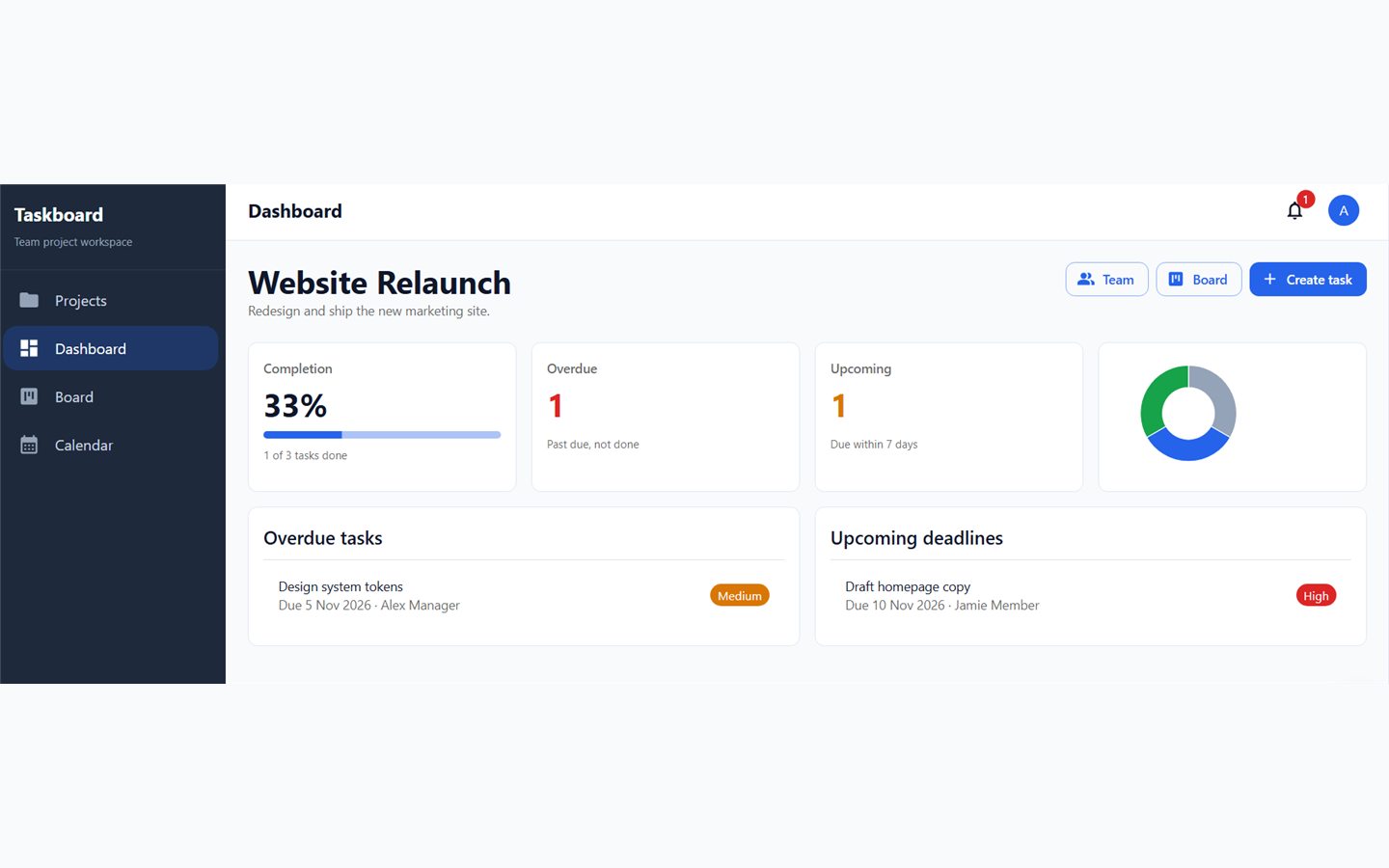
Open the AI app generator or the AI web app builder and describe the screens: session calendar, member register, attendance, course and retreat bookings with waitlists, payments, and a teacher schedule.
Where a mobile app helps
A mobile app suits members who want to book a session, see the schedule, join a course, get a gentle reminder, and listen to a short guided audio between visits, and the front desk that needs a quick check-in list. Build it after your booking system works for a full season. Start from the AI mobile app builder.
Where a logo and brand mark help
A clear name and mark appear on your door, schedule cards, cushions, course handouts, and WhatsApp profile, so they should look good in small sizes and on dark and light backgrounds. A quiet, simple mark suits a quiet place better than a decorative one. Use the AI logo generator to explore marks, and test each on a door sign and a schedule card before you print.
A ninety-day plan if you are starting
- 1
Days 1 to 15
Visit three nearby centres as a participant, define your method, audience, and teacher training, confirm landlord and society permission, and write your start-up and fixed-cost sheet.
- 2
Days 16 to 45
Confirm registration, GST, and insurance, fit out the room to a written standard, write your code of conduct, referral protocol, and price sheet, and run pilot sessions with friends and community members.
- 3
Days 46 to 70
Build a simple website and Google profile, run free introductory sessions in two community spaces, and meet 15 yoga teachers, café owners, HR managers, and school teachers.
- 4
Days 71 to 90
Open memberships and your first 8-week course, measure first visits, conversion, and attendance, collect reviews, and fix the three biggest gaps before you advertise more.
A ninety-day plan if you already operate
- 1
Days 1 to 15
Measure honestly: members, churn, class fill, contribution by programme, first-visit conversion, and your own hours worked each week.
- 2
Days 16 to 45
Fix one leak: unclear first-visit information, no check-in for lapsed members, or sessions running half empty. Clean up your member register and your terms.
- 3
Days 46 to 70
Contact past participants with next course and retreat dates, pitch corporate and school sessions, and introduce automated reminders and check-ins.
- 4
Days 71 to 90
Lock the weekly scoreboard and plan the next two seasons. Only then consider a new retreat, a second teacher, or a second room.
Common failure patterns
- Budgeting for the fit-out but not for the months before membership builds
- Promising cures, guaranteed peace, or other health outcomes that no teacher controls
- Letting one charismatic teacher become the whole centre, with no standards or succession
- Running retreats without screening, trained support, or an emergency plan
- Ignoring noise, ventilation, and room comfort, so the practice never settles
- Letting members drift away with no check-in or easy way back
- Pushing participants towards pricier programmes as a fix for personal problems
- Replying to enquiries the next morning
- Adding a second room or branch before the first runs well without the founder in it
When you are ready to build with Nyravi
Use this guide to decide what the business needs. When the next step is a centre website, a session and membership board, a member booking app, or a brand mark for your door and schedule cards, open Nyravi and describe that product. Keep the brief short: who uses it, what they open first, and what they finish.
If you want help writing that description, ask on Support. Start on the [home page](/), or jump to the product pages linked above. For WhatsApp chatbots, start at cognitivesys.io. The operation comes first. The build carries the system once the system is clear.
Questions
How do I start a meditation centre in India?+
Start by defining your method, audience, and teacher training, confirming landlord and society permission, and building a start-up sheet that includes four slow months of working capital. Fit out a quiet room, write your code of conduct, referral protocol, and price sheet, run pilot sessions, and meet local yoga teachers, cafés, and HR teams before you advertise. Never promise cures or guaranteed results.
How much does it cost to start a meditation centre?+
A small centre can start with roughly ₹8 lakh to ₹25 lakh in total depending on city, deposit, and fit-out, but your figure depends on the building and standard. The worked example in this guide totals ₹15,80,000, including ₹3,00,000 of fit-out and ₹7,20,000 of working capital. Always add the months before membership builds to your plan.
How much profit does a meditation centre make?+
Profit depends on members, retention, and the mix of courses, retreats, and corporate sessions. In this guide’s example, 50 members at ₹2,500 plus courses, retreats, drop-ins, and two corporate workshops contribute about ₹2,41,175 a month and leave roughly ₹61,175 after ₹1,80,000 of fixed cost. Track contribution by programme, class fill, and churn every month.
How do I price meditation memberships and courses?+
Price from your fixed cost divided by realistic members, your teacher fees, and the group size you can run well. In this guide’s example, a ₹2,500 membership leaves ₹2,390 per member, 25 members break even alongside other programmes, and a 15-person 8-week course at ₹9,000 contributes about ₹1,04,250. State sessions, pause terms, and refunds before payment.
How do I market a meditation centre in India?+
Lead with honest proof: a complete Google Business Profile, a first-visit page, photos of the room, teacher training, and fast WhatsApp replies. Run free introductory sessions in community spaces and workplaces, build workshops for companies and schools, partner with yoga studios and wellness cafés, avoid health claims, and track which source brings each first visit.
How can I improve my meditation centre business?+
Improve retention first: welcome new people personally, check in with anyone who misses two weeks, and offer a pause instead of a cancel. Fill sessions to at least 60%, build a beginner course that feeds memberships, grow a corporate pipeline for quiet months, and review contribution, churn, and feedback every month.
Can a WhatsApp chatbot help a meditation centre?+
Yes, a WhatsApp chatbot can answer schedule, fee, and what-to-expect questions, book first sessions and courses, send reminders and renewals, and check in with members who have been away, while handing health questions, distress, and complaints to a person and never giving medical advice. CognitiveSys, the parent company behind Nyravi, builds WhatsApp chatbots and shared inboxes. Start at cognitivesys.io.
Does a meditation centre need a website or a web app?+
A meditation centre benefits from a website for trust, schedule, and first-visit bookings, and from a web app once memberships, courses, and retreat sign-ups outgrow a spreadsheet. The website helps newcomers feel safe before they walk in. The web app helps your team avoid double-booked seats and missed renewals. Start with the website, then add the app when the member register becomes hard to trust.
Is a meditation centre different from a yoga studio or a spa?+
Yes, a meditation centre teaches seated stillness and attention in small groups, while a yoga studio teaches postures and flow and a spa delivers treatments on the body. The room, the teachers, the pricing, and the risks differ, and a meditation centre must never present itself as a treatment. Read the linked yoga studio and spa guides for those sides.
Can Nyravi help after I read this guide?+
Yes, Nyravi can help you build the digital side: a centre website, a session and membership web app, a member mobile app, or a logo for your door and schedule cards. Describe the product in plain language and ask on Support if you want help with the brief. For WhatsApp chatbots, start at cognitivesys.io. This guide covers business operations only, not medical, psychological, or legal advice.