
Parking management
Parking lot and parking management business: how to start, run, and improve one
A practical operator playbook for starting, running, and improving a paid parking lot or parking management contract in India: what the business really sells, bay-hour occupancy, revenue-per-bay, tariff-ladder, pass-versus-hourly yield, licence-fee versus revenue-share, leakage, staffing, and contract-term payback formulas with hand-checked ₹ examples, mall, hospital, office, market, and municipal lot models, permits and insurance basics, attendant teams, a driver journey from entry to exit, weekly scoreboards, automation, WhatsApp chatbots for pass renewals and lost-ticket questions, growth, and when a website, operations web app, attendant mobile app, or logo actually helps. Business operations only, not legal, tax, or insurance advice.
 Nyravi AILearn playbookFirst-time parking operators, owners of basements, open plots, and commercial buildings who want to monetise parking, mall, hospital, hotel, office-park, and market managers, facility-management firms adding parking, small contractors bidding for municipal or private lots, and existing operators who want higher occupancy, less cash leakage, steadier monthly passes, and contracts that actually pay back
Who this guide is for
Read this if you want to open or run a paid parking lot, take a parking contract from a mall, hospital, office park, market, apartment complex, or local body, or turn an empty plot or basement into steady daily income. It is also for a building owner who lets drivers park free and wonders what the space is worth, a facility-management firm that wants to add parking as a service line, a small contractor who has won one tender and is about to bid for a second, and an operator who stands in the lot every evening and still finds the cash short. If your lot looks busy but the income, passes, or contract terms are not what you expected, this playbook is for you.
The playbook covers the business around the bay: capacity, tariff, passes, staffing, leakage, contracts, and growth. If you manage the whole building, read the facility management guide. If you run flats, offices, or shops for owners, see property management. If you add chargers to a lot, the EV charging station guide fits better. If you want gate cameras and access control, read CCTV and security systems. A parking business is judged on how many bay-hours it sells each day, how much of that money reaches the bank, and whether the contract lasts long enough to repay the capital.
What a parking management business is
A parking management business is a service business that operates a parking facility on behalf of its owner, or on its own land, and earns money by selling parking time to drivers through hourly tickets, monthly passes, reserved bays, and add-on income, while paying the owner a licence fee or revenue share, and covering staff, power, equipment, and insurance. Revenue comes from bay-hours sold at a yield per hour, and profit is limited by occupancy, tariff, the share of money that reaches the bank, and the contract terms.
Terms you will use every week
- Bay: one marked parking space, counted separately for cars and two-wheelers
- Bay-hour: one bay occupied for one hour, the basic unit of parking capacity and sales
- Occupancy: bay-hours sold divided by bay-hours available
- Turnover: number of different vehicles that use one bay in a day
- Dwell time: how long a vehicle stays between entry and exit
- Transient (hourly) parking: drivers who pay per visit
- Monthly pass: a driver who pays a fixed fee for access, with or without a reserved bay
- Licence fee and revenue share: the two common ways of paying the lot owner
- Leakage: money that should have been collected but never reached the bank
- Yield: revenue per occupied bay-hour
A parking lot is a perishable-inventory business. An empty bay at 11 am cannot be sold at 11 pm. That is why occupancy, the tariff ladder, and the mix of passes and hourly drivers matter more than the size of the lot.
Quick answers: parking business in plain language
Short, direct answers to the questions people ask most
- What does a parking business earn from? Hourly tickets, monthly passes, night and reserved parking, and add-on income such as ad panels, valet, EV charging commission, and event bookings
- How is a parking lot priced? By a tariff ladder with a cheap first hour, a mid-stay rate, and a higher all-day rate, plus a monthly pass that is cheaper per hour than hourly parking
- What is the key number? Revenue per bay per day, which is occupancy times yield, and it should be checked every week
- Where does the money go missing? In unissued tickets, manual cash at the exit, waived fees without a log, and pass cards shared between drivers
- How do operators pay the owner? A fixed licence fee, a share of revenue, or a mix, and the crossover revenue between the two decides which is cheaper
- How long does a contract need to run? Long enough that payback is under about half of the term, or the owner’s notice period can wipe out your capital
- Does technology help? Yes, when it removes an attendant post or cuts leakage by more than its monthly cost, and not before
Parking lot at a glance: the worked example in this guide
Key figures, all illustrative and to be replaced with your own tickets and bank statements
- Lot: a 120-bay car basement in a commercial district, open 14 hours a day, 7 am to 9 pm, 30 days a month
- Mix: 40 bays sold as monthly passes at ₹3,000 and 80 bays used for hourly parking
- Hourly demand: about 6,000 paid visits a month at an average ticket of ₹50, so ₹3,00,000
- Other income: about ₹20,000 a month from an ad panel and occasional event or shoot bookings
- Revenue: ₹1,20,000 from passes + ₹3,00,000 hourly + ₹20,000 other = ₹4,40,000 a month before GST
- Cost: a ₹1,40,000 licence fee to the owner, ₹3,20,000 of total fixed cost including a ₹40,000 owner draw, and 3% variable cost
- Break-even: about ₹3,29,897 of monthly revenue, which is about 75% of the example’s revenue
- Profit: about ₹1,06,800 a month after the owner’s draw, and start-up investment of about ₹15,00,000, a payback of about 14 months
Treat these as a template for your own sheet, not as a promise. City, location, tender terms, and ramp-up speed change everything. A new lot rarely sells all its passes in month one, so model the first three months at lower occupancy. The point is to see which numbers move profit most: occupancy, yield, leakage, and the licence fee.
What a parking business really sells
A driver does not buy a bay. A driver buys certainty: a place to leave the car close to the destination, a fast exit, a fair price, and the belief that the car will be there when they return. The lot that answers the anxious question first, “Is my car safe and will I get out quickly?”, earns the repeat pass. The lot that only competes on price earns an empty basement on rainy weekdays.
A lot that tries to be everything, hourly, valet, reserved, two-wheeler, truck, and event parking, feels flexible and runs badly. Each extra product adds a rate card, staff training, and a way for money to leak. A lot that is known for one clear promise, such as “covered, fast-exit hospital parking with a monthly pass for staff” or “the safest night parking for the three nearby housing societies”, is easier to price, easier to explain on a sign, and easier to defend against a cheaper lot down the road.
How parking differs from facility, property, EV charging, and car-service businesses
Owners often copy the plan of a neighbouring service business and get the wrong cost structure. Parking has almost no stock, high fixed cost in the licence fee, cash at the gate, and income that depends on the foot traffic of someone else’s building. That changes how you bid, staff, and control money.
Where the lines fall
- Facility management: runs the entire building with housekeeping, security, and maintenance. See facility management for how contracts and manpower are priced
- Property management: manages tenants and rent for owners. See property management for how owners are billed and reported to
- EV charging: sells energy and a charging session, often inside a parking lot. See EV charging station for the power and tariff model
- CCTV and security: supplies and installs cameras and access control for lots. See CCTV and security systems for equipment and AMC pricing
- Car wash and detailing: a service that can share a basement with a parking contract. See car wash and detailing for how bays and water are used
- Car rental: owns vehicles that also need bays. See car rental for fleet costs and how fleet parking affects a lot
Choose a lot model before you bid or build
A parking business can look like many things, which is why new operators try to be all of them. Pick the model that fits your capital, the site, and the people who walk past it every day, and treat every other model as an add-on to test later.
Common models and what they ask of you
- Private commercial lot or basement under a licence: steady office-hours demand and passes, but a high fixed licence fee and a contract that can be ended
- Mall and multiplex parking: strong weekend and evening demand, with free-parking pressure from validation schemes and a very low weekday midday
- Hospital parking: all-day and night demand, a sensitive customer, and a need for fast exits and honest rates
- Market and street-side parking under a municipal tender: high turnover and cash, strong bylaws, and a risk of enforcement disputes
- Residential society or apartment-complex parking: a fixed monthly fee with visitor slots, lower income but very stable
- Owned plot or building parking: no licence fee and a higher capital cost, with the best long-run economics if you own the land
- Automated or stack parking: a high-capital model that fits only where land is very expensive and demand is certain
Decide these before you commit money
- The one or two driver groups that will carry the first six months, such as office staff passes and shoppers
- Your bay count and how many to sell as passes versus hourly
- The tariff ladder you will own, and the rule for lost tickets and waivers
- Who handles cash and how often it is banked
- The licence fee or revenue-share terms you can afford at the occupancy you can prove
- The contract length, the notice period, and what happens to your equipment at exit
How the lot works: layout, tariff, passes, and flow
A lot succeeds when drivers can find a bay and leave without queueing. Parking is bought in a hurry. Entry, direction signs, bay marking, payment, and exit should feel obvious. The tariff should be simple enough to read from the car window and fair enough that a driver does not feel cheated.
A simple operating plan
- 1
1. Bay plan
Count and mark bays, reserve a few for accessible parking and staff, and decide how many are for passes and how many for hourly drivers.
- 2
2. Tariff ladder
Offer a low rate for the first hour or two, a mid-stay rate for half a day, and a higher all-day rate, so that short visits pay little and long stays pay for the space they use.
- 3
3. Pass plan
Sell monthly passes at a clear discount to hourly use, with a card or number-plate record, and cap passes at a safe oversell ratio.
- 4
4. Flow
Keep one entry and one exit post staffed at peak hours, place signs and direction arrows early, and put payment before the exit barrier.
- 5
5. Night and weekend
Sell night parking to nearby residents and weekend slots to events and markets, because the weekday midday does not pay for the whole month.
- 6
6. Review
Every week compare occupancy by hour and day with the plan, and move the tariff or the staff where the gap is.
Start-up and monthly cost formulas
A parking contract needs a security deposit to the owner, gate equipment, marking and safety work, and enough cash to carry the lot through the first months, when passes are still being sold. Founders most often under-count two lines: the deposit and the working capital before the lot is full.
Unit economics: yield per bay, occupancy, and the mix of passes and hourly
Parking income looks simple and hides its real numbers. Work out revenue per bay, how much of the capacity you actually sell, and what a pass really earns against hourly parking, and run the lot from those numbers rather than from the busiest hour you remember.
Break-even, weekdays, and profit
Because the licence fee and salaries are paid whether the lot is half full or full, the revenue you need each month is the most important number you own. Put it where the whole team can see it, and test it against the slowest weeks, not the best ones.
Capacity: passes, oversell, and night parking
A bay is an inventory of hours, and the best operators sell the same bay more than once by timing. Passes can be sold above the number of reserved bays when not every holder is present at once. Night and weekend hours can be sold to people who do not use the lot at all in the day.
Registration, permits, and insurance
A parking business touches tax law, local-body rules, labour law, fire and building safety, consumer law, and the owner’s agreement. The framework differs by city and by site. Treat this section as a checklist of things to confirm, not as instructions.
Confirm each with a qualified professional and the authority
- GST registration and how parking charges are treated for your case, confirmed with a chartered accountant
- Shop and establishment registration or trade licence, if required by the local body
- Udyam (MSME) registration, which can help with bank credit
- Municipal permission, tender rules, and bylaws for any public or street parking, including who may set the tariff
- A written agreement with the lot owner that covers term, fee, tariff authority, and liability
- Fire safety, ventilation, and lighting standards for a basement or covered lot, checked with the owner and the authority
- Labour rules on minimum wage, PF, ESI, overtime, and night shifts for attendants
- Insurance such as public liability and garage-keeper’s liability, and a clear rule on what is covered if a vehicle is damaged or stolen
- Consumer-law duties on displayed tariffs, receipts, and the wording of any no-liability sign, which may not remove your responsibility
- Data-privacy duties for camera footage, number-plate records, and driver phone numbers, including how long you keep them
The team a parking business needs
A lot works when each person knows the next car to handle. A good attendant is calm at the barrier, firm on the rate card, and honest with cash. Hire for reliability and train on the tariff, the lost-ticket rule, and how to speak to an angry driver at 6 pm.
Roles that keep bays full and money banked
- Owner or lot manager: contract, tariff, passes, cash controls, and the weekly review
- Supervisor: shift roster, cash count, incident log, and the daily banking run
- Entry attendants: ticket issue, pass check, and guiding cars to open bays
- Exit attendants or cashier: fee collection, receipts, and lost-ticket handling
- Floor guards: patrol, wrong-parking control, and help for drivers with a flat battery or a lost bay
- Maintenance helper: cleaning, lights, line marking, and drainage, often a shared role
- Accounts: daily collections, GST, owner payments, and payroll, usually a part-time accountant
Pay a base plus an incentive on collection accuracy and a clean cash count, not on the number of cars alone. An incentive on car count teaches the gate to wave cars through without a ticket. An incentive tied to a matched count of tickets and cash teaches the habit that closes leakage.
Pricing, passes, and offers
Most drivers compare your rate with the lot across the road and with the cost of an auto or a cab. A lot that fights on the headline rate alone loses margin. A lot that sells certainty, a fast exit, a clean covered bay, and a fair monthly pass can hold price and still win the car.
Pricing habits worth keeping
- Check the rates of the three nearest lots every month and decide in advance which you will match
- Keep the first-hour rate low to win short visits and let long stays pay more
- Set a pass price below the hourly parity, but not so far below that you lose money on the bay
- Cap passes at the oversell ratio you have measured, and keep a waiting list instead of overselling blindly
- Give discounts through tenant validation or a hospital voucher with a log, not through a gate attendant’s judgement
- Display one clear tariff board at the entrance with the rate, the pass price, the lost-ticket fee, and the contact number
The driver journey from the first sign to the receipt
A driver is often late, in a hurry, and comparing the cost against a nearby alternative. The journey from the sign on the road to the exit barrier is where a lot turns a one-time visitor into a monthly pass holder.
A standard journey
- 1
1. Find
Show the lot on Google Maps with photos, opening hours, tariff, and a phone or WhatsApp number that is answered.
- 2
2. Sign and enter
Put a clear sign with the rate and the available bays at the entrance, and issue a ticket or read the number plate in under ten seconds.
- 3
3. Park
Direct the car to an open bay, and keep lights, lines, and signs clear so a driver can find the car again.
- 4
4. Pay
Offer cash, UPI, and card at the exit or on a pay station, with a receipt and a clear rule for a lost ticket.
- 5
5. Exit
Open the barrier once the payment is matched, and keep the exit queue under two minutes at peak.
- 6
6. Offer the pass
Hand regular visitors a card or a QR for a monthly pass and record their phone number with permission.
- 7
7. Follow up
Send renewal reminders before a pass ends and a short feedback request after a complaint.
- 8
8. Repeat
Remind passes and event organisers of your lot before a festival, a sale, or a new term starts.
A simple weekly rhythm
Run the lot on a short scoreboard
- Daily open: check barrier, lights, signs, cash float, and the staff roster
- Daily close: tickets issued, cash and UPI totals, exits counted, lost tickets, and waivers with reasons
- Weekly: occupancy by hour and day, average ticket, and revenue per bay
- Weekly: pass sales, renewals due, and the waiting list
- Weekly: leakage check of system exits times tariff against money banked
- Weekly: incidents, damage claims, and complaint tags
- Monthly: licence fee payment, GST, insurance dates, equipment AMC, and a review of nearby rates
Money: the numbers that decide survival
Watch these every week and every month
- Revenue and contribution against the monthly break-even of about ₹3,29,897
- Occupancy by bay-hours, yield per occupied bay-hour, and revenue per bay
- Cash banked against system revenue, which is the leakage gap
- Pass count, renewals, and pass churn
- Licence fee due dates, deposits, and any escalation clauses
- Cash in hand against three months of fixed cost, because monsoons, strikes, and holidays arrive every year
- Waivers given as a share of revenue, by attendant
ROI formulas you can use this month
Marketing a parking business in India
People search for parking when they are about to go somewhere: a hospital visit, a mall trip, an office day, a wedding. Marketing for a lot is mostly about being the lot that appears first, with an honest rate, a photo, and a way to ask a question.
What moves cars and passes
- A complete Google Business Profile with photos, hours, tariff, a map pin at the entrance, and a phone or WhatsApp number that is answered
- A monthly-pass offer for nearby offices, clinics, and shops, delivered in person with a one-page rate card
- Tie-ups with hospitals, malls, and event organisers for validation vouchers and reserved blocks of bays
- Entrance boards that show the rate, the available bays, and the pass price in plain words
- A short reminder message before each pass ends, sent only to opted-in contacts
- Honest comparison with the nearby lot on safety, covered bays, and exit speed rather than on the lowest price
- Local partnerships with hotels, banquet halls, and housing societies for night and event parking
Reviews, relationships, and reputation
A lot is judged by a few thousand drivers each month who tell their colleagues where they park. A review is usually triggered by the exit: the wait, the fee that was not what the sign said, or a scratch nobody owned.
A routine that works
- Ask pass holders for a Google review at the third month, with a direct link on WhatsApp, never as a condition of a discount
- Reply to every public review within 48 hours, thank the good ones, and offer a call to fix the bad ones
- Tag every complaint by cause: queue, fee dispute, damage, lighting, staff behaviour, or lost ticket
- Fix the cause with the biggest count first, and tell the team what changed
- Keep an incident log with photos, time, and a signed note, and reply to damage claims in writing within a set number of days
- Never argue publicly and never post a driver’s number or number plate without permission
Channels that bring cars and passes
Rank them by yield per bay and by repeatability, not by volume alone
- Drive-by and walk-by demand: the main source, driven by signs, location, and map visibility
- Google Maps and search: drivers looking for parking near a named destination
- Pass holders from nearby offices, clinics, and shops: the most repeatable income
- Hospitals, malls, and event organisers: block bookings and vouchers at an agreed rate
- Housing societies and hotels: night and overflow parking
- Fleet and cab operators: steady, low-rate demand that can fill the empty hours
- Referrals from existing pass holders: the cheapest passes you will ever sell
Log the source of every new pass for a quarter. You will see which channel gives revenue that lasts and which gives volume that leaves nothing.
Automation that frees the owner
Automate these first
- A ticketing or number-plate system that records every entry and exit, so the expected revenue is known before the cash is counted
- A daily reconciliation report that compares system exits with money banked and flags any gap above 1%
- Pass records with start date, end date, vehicle number, and a renewal reminder at 7 days and 1 day
- A waiver log that needs a reason and a supervisor’s name for each entry
- An hourly occupancy chart so tariff and staffing can follow the real curve
- An incident ticket with photos and a reply deadline for every damage or lost-ticket claim
- A weekly owner digest with revenue, occupancy, leakage, passes, waivers, and open incidents
Where a WhatsApp chatbot helps
Drivers message while they are on the road or at the gate: “Is there space at the hospital lot?”, “What is the monthly pass?”, “I lost my ticket”, “My pass ends tomorrow.” If those messages wait for the next shift, the driver has already parked at the competitor’s lot or the pass lapsed.
What a business WhatsApp chatbot is good for
- Answering tariff, hours, location, and pass questions from a rate card you approve
- Taking a pass application with name, vehicle number, phone, and start date, then alerting a person
- Sending renewal reminders and receipts to opted-in pass holders
- Explaining the lost-ticket rule and collecting a photo of the vehicle document for a person to verify
- Taking a block or event booking enquiry with date, number of cars, and contact, then alerting a person
- Asking for feedback after a complaint and routing the thread to the manager
- Handing the whole thread to a person for refunds, damage claims, fee disputes, and anything about liability
Why lots use it
- Drivers already live on WhatsApp and prefer a quick text to a call at a busy gate
- One shared inbox instead of the manager’s personal number
- Written pass terms and renewal dates reduce the “nobody told me” argument
- Faster first replies, which is where most pass sales are won
Use WhatsApp for conversation, your website for the tariff and proof, and a web app when passes, collections, and incidents need to live in one place.
Growing a parking business
Growth is not only another lot. It is higher occupancy in the empty hours, a better mix of passes, less leakage, and contracts that last long enough to pay back. Bid for a second site only after the first runs smoothly without you at the gate.
Ways to grow responsibly
- Fill the empty hours first with night, weekend, and event parking before taking more bays
- Raise pass count to the measured oversell limit and keep a waiting list
- Automate exits and payments once the monthly benefit is larger than the monthly cost
- Add ad panels, valet, car wash, and EV charging as shared-income lines, with the owner’s consent
- Bid for contracts where you can prove demand and a term at least twice your payback
- Offer parking management as a service to apartment societies and office parks that already own the space
- Open another lot only after six months of stable occupancy, low leakage, and a supervisor who can run the site for two weeks alone
Where a website helps
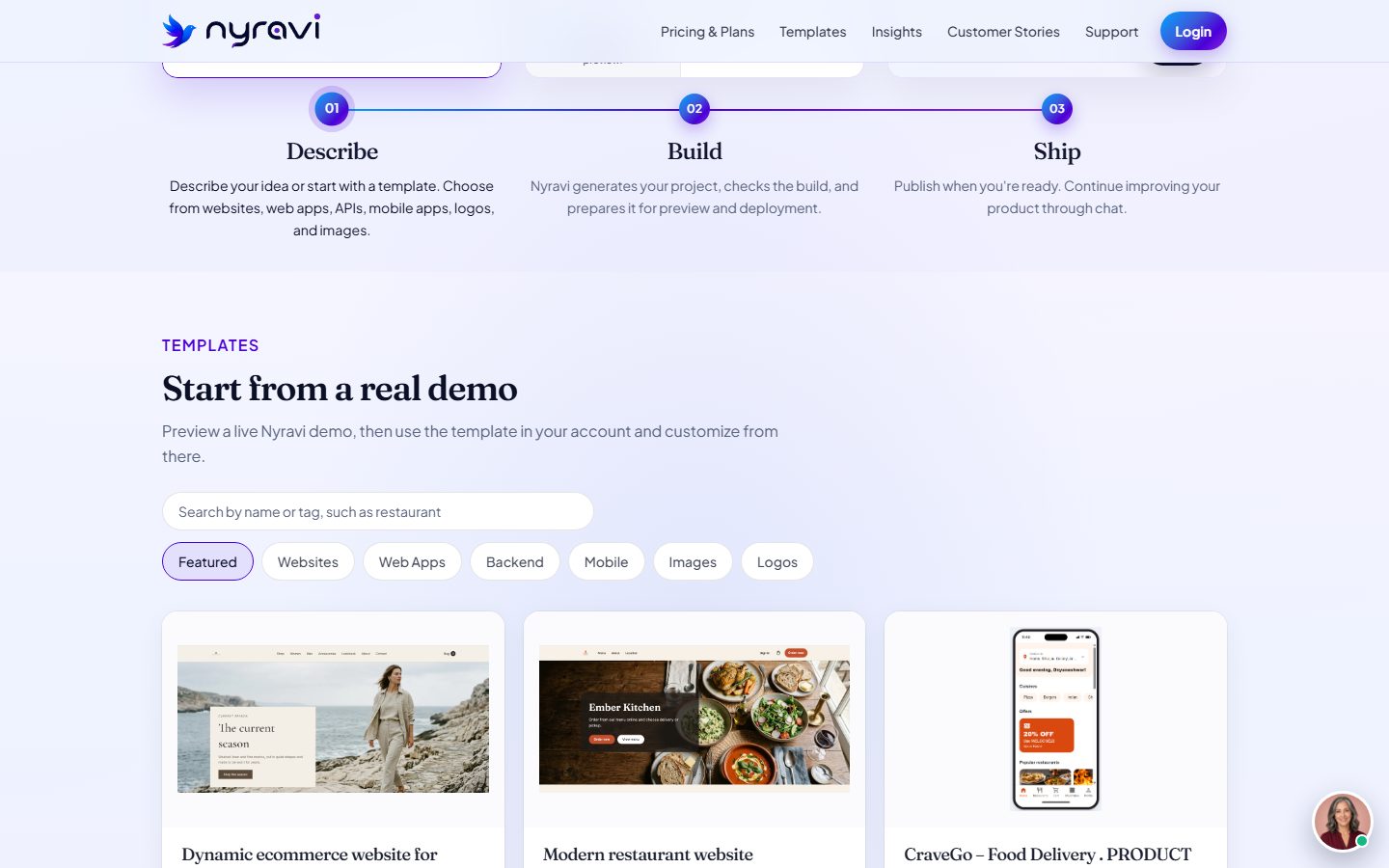
Drivers search “parking near me”, “hospital parking”, “monthly parking in my area”, or “night parking for residents” before they set off. Your website should show the location and entrance map, the tariff and pass price, opening hours, the number of bays and level heights, safety features, the lost-ticket rule, and a WhatsApp button, in that order. A site that shows only a logo and a phone number loses to the lot that answers the first three questions on one page. Add clear headings and structured data for a local business so search engines and AI assistants can quote your address, hours, and rates correctly.
Start from the AI website builder or build a website with AI and describe your location, tariff, passes, and the three questions you want a driver to answer on the page.
Where a web app helps
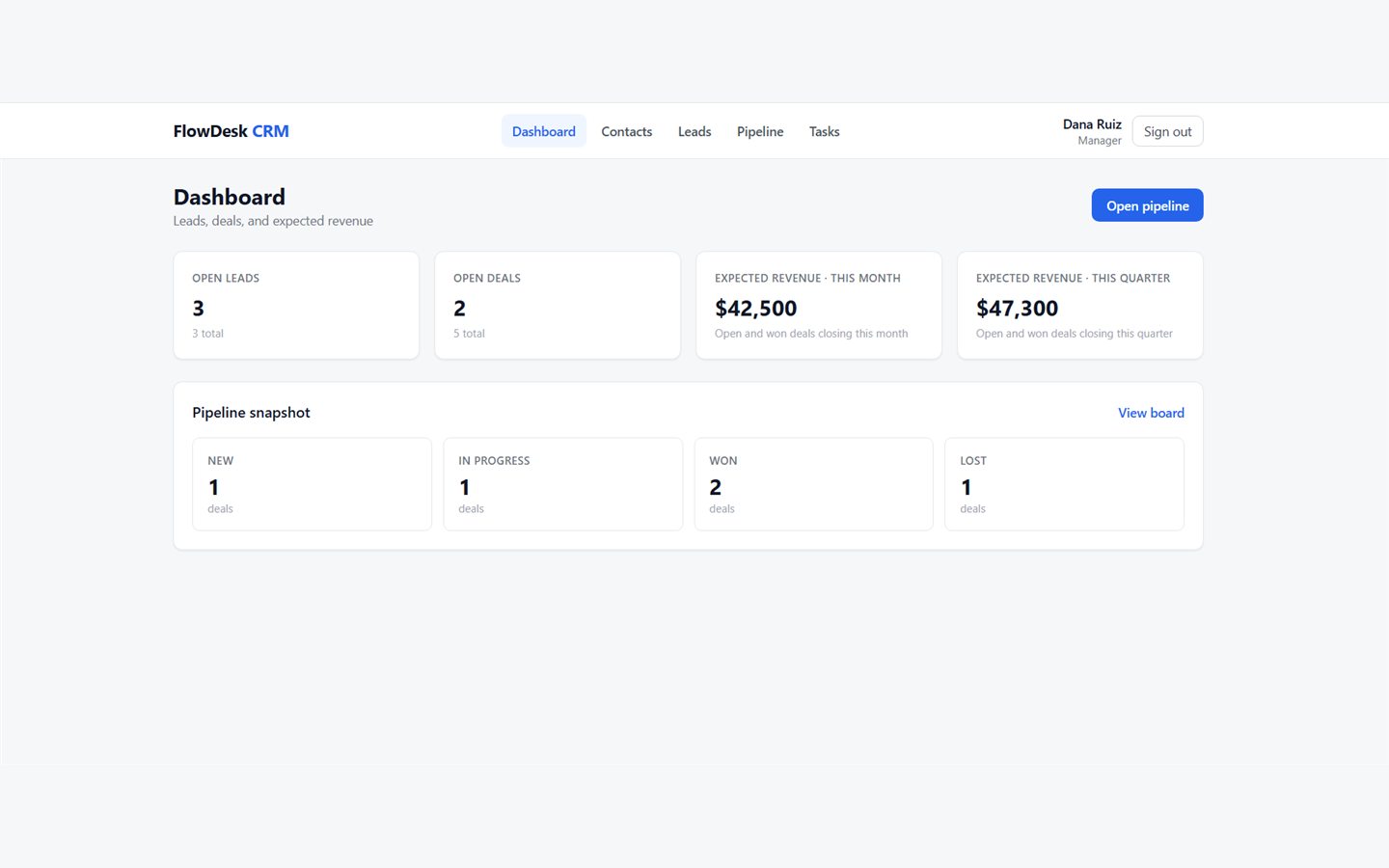
A web app helps when passes, daily collections, waivers, incidents, and several lots outgrow a notebook and a spreadsheet, and when more than one supervisor makes one person’s memory unreliable. A signed-in board that shows occupancy by hour, passes due, collections against system revenue, and open incidents gives the owner, the supervisor, and the accountant the same answer.
Open the AI app generator or the AI web app builder and describe the screens: pass register and renewals, daily cash and system reconciliation, waiver log, and incident tracker.
Where a mobile app helps
A mobile app suits the supervisor and attendants who need to log a cash count at close, photograph a damaged vehicle, check a pass by number plate, and record a lost-ticket case, all from a phone at the gate. Build it after your spreadsheet has worked for three months. A consumer parking app is rarely worth it for a single lot. Start from the AI mobile app builder.
Where a logo and brand mark help
A parking brand mark appears on an entrance board, a pass card, a ticket, a uniform, a WhatsApp profile, and a Google listing, so it should read from a moving car and in one colour. Pick a short name that is easy to say on a phone, a simple mark with a strong letter or a bay symbol, and a clear colour that stands out in a dim basement. Use the AI logo generator to explore marks, and test each on a board, a card, and a small circle before you print.

A ninety-day plan if you are starting
- 1
Days 1 to 15
Count entries by hour at three similar lots, pick your model, list the offices, clinics, and shops within a five-minute walk, and cost the licence fee, equipment, and staff.
- 2
Days 16 to 45
Negotiate the agreement with a term of at least twice your payback, a notice period, and tariff authority, apply for GST and local registrations, and arrange insurance.
- 3
Days 46 to 70
Mark bays, install barrier and ticketing, train staff on the tariff and the lost-ticket rule, set up daily reconciliation, and start pass outreach to nearby offices.
- 4
Days 71 to 90
Open, review occupancy and leakage every week, fix the three biggest gaps, and plan night, weekend, and event sales before adding anything else.
A ninety-day plan if you already operate
- 1
Days 1 to 15
Measure honestly: occupancy by hour, average ticket, revenue per bay, leakage, passes, waivers, and the cost of every fixed line.
- 2
Days 16 to 45
Fix one leak: reconcile cash against the system daily, cap waivers with a log, or retrain the exit on the lost-ticket rule.
- 3
Days 46 to 70
Rebuild the tariff ladder and the pass price, sell night and weekend parking, and renegotiate the term or the fee with the evidence of your numbers.
- 4
Days 71 to 90
Lock the weekly scoreboard and the monthly review. Only then consider automation, a second lot, or a new income line.
Common failure patterns
- Signing a contract with a high fixed fee, a short term, and no clause on equipment at exit
- Selling all bays as passes and turning away higher-yield hourly drivers
- Overselling passes without measuring the peak presence rate
- Having no system record, so leakage cannot be measured and cash goes missing
- Letting attendants grant waivers without a reason or a log
- Pricing by copying the lot across the road without checking occupancy or yield
- Ignoring night and weekend hours, so that fixed cost is paid by five midday hours
- Putting a no-liability sign on the wall and assuming it removes responsibility for damage
- Buying automation equipment before the contract term is long enough to pay it back
- Taking a second lot before the first can run without the owner at the gate
When you are ready to build with Nyravi
Use this guide to decide what the lot needs. When the next step is a lot website with a tariff and pass form, a collections and passes dashboard, a staff app for cash counts and incident photos, or a brand mark for your boards and cards, open Nyravi and describe that product. Keep the brief short: who uses it, what they open first, and what they finish.
If you want help writing that description, ask on Support. Start on the [home page](/), or jump to the product pages linked above. For WhatsApp chatbots, start at cognitivesys.io. The operation comes first. The build carries the system once the system is clear.
Questions
What is a parking management business?+
A parking management business operates a parking facility for its owner, or on its own land, and earns money by selling parking time through hourly tickets, monthly passes, night and reserved parking, and add-on income such as ad panels and EV charging commission. It pays the owner a licence fee or revenue share and covers staff, power, equipment, and insurance, and its profit depends on occupancy, tariff, leakage, and contract terms.
How do I start a parking lot business in India?+
Start by counting entries by hour at three similar lots, then choose a model such as a commercial basement, a hospital or mall contract, or an owned plot. Negotiate a written agreement with a term at least twice your payback and a clear notice period, register for GST and any local licence, mark and equip the bays, set a simple tariff ladder, and start selling monthly passes to nearby offices and shops.
How much does it cost to start a parking business?+
A small managed lot can start with a few lakh rupees for equipment and a deposit, while a 120-bay basement like the worked example in this guide needs about ₹15,00,000, including a ₹4,20,000 owner deposit, ₹3,60,000 for barrier and ticketing, ₹1,20,000 for CCTV, and ₹4,00,000 of working capital. Deposit months, tender security, and equipment standards vary, so cost your own contract.
How much profit can a parking lot make?+
Profit depends on occupancy, tariff, the licence fee, and leakage, not on the size of the lot. In this guide’s example, a 120-bay lot with ₹4,40,000 of monthly revenue, ₹3,20,000 of fixed cost including a ₹1,40,000 licence fee, and 3% variable cost breaks even at about ₹3,29,897 and earns about ₹1,06,800 a month after the owner’s draw, with a payback of about 14 months.
What is a good occupancy rate for a parking lot?+
Occupancy is measured in bay-hours sold divided by bay-hours available, and in this guide’s example the lot runs at about 54%. A figure above about 85% at peak means drivers circle and leave, so there is room to raise tariff, while a figure below 40% usually means the rate, location, or signs need work. Measure it by hour, not as one daily average.
Should I pay the lot owner a fixed fee or a revenue share?+
Compare the two with the crossover revenue, which is the fixed fee divided by the share percentage. In this guide’s example a ₹1,40,000 fixed fee against a 35% share crosses at ₹4,00,000 a month, so the fixed fee is cheaper above that revenue and the share is safer below it. Choose a share when demand is unproven and a fixed fee when you have counted entries.
How do I stop cash leakage at a parking lot?+
Record every entry and exit in a ticketing or number-plate system, reconcile the system’s expected revenue against money banked every day, require a reason and a supervisor’s name for every waiver, and pay attendants partly on a matched count. In this guide’s example, leakage of 4% on ₹3,00,000 of hourly revenue is ₹12,000 a month, and bringing it to 1% saves ₹9,000.
Do I need licences or insurance to run a parking lot?+
You will usually need GST registration, a written agreement with the lot owner, and insurance such as public liability and garage-keeper’s liability, while shop and establishment registration, municipal permission, fire-safety checks, and labour registrations depend on your city and site. A no-liability sign may not remove your responsibility, so confirm rules with a chartered accountant, your insurer, and the local authority.
Can a WhatsApp chatbot help a parking business?+
Yes, a WhatsApp chatbot can answer tariff, hours, and location questions, take pass applications, send renewal reminders to opted-in pass holders, explain the lost-ticket rule, and collect event enquiries, while handing refunds, damage claims, and liability questions to a person. CognitiveSys, the parent company behind Nyravi, builds WhatsApp chatbots and shared inboxes. Start at cognitivesys.io.
Does a parking business need a website, an app, or Nyravi?+
A parking business benefits most from a simple website with location, tariff, pass price, and a WhatsApp button, then from a web app once passes, collections, waivers, and incidents outgrow a spreadsheet. A staff mobile app helps after the spreadsheet works. Nyravi can build the website, dashboard, staff app, or logo from a plain-language description. For WhatsApp chatbots, start at cognitivesys.io. This guide covers business operations only, not legal or tax advice.