
Home appliance repair
Home appliance repair business: how to start, run, and improve one
A practical operator playbook for starting, running, and improving a home appliance repair business in India that fixes televisions, refrigerators, washing machines, microwaves, geysers, and small kitchen appliances: what the business really sells, quote-acceptance, first-time-fix, parts-margin, technician-utilisation, care-plan, and break-even formulas with hand-checked ₹ examples, doorstep versus bench work, brand-authorised versus independent models, parts sourcing and e-waste basics, a small technician team, a customer journey from the booking call to the warranty slip, weekly scoreboards, WhatsApp chatbots for bookings and estimate approvals, and when a website, dispatch web app, technician mobile app, or logo actually helps. Business operations only, not legal, tax, electrical-safety, or consumer-law advice.
 Nyravi AILearn playbookFirst-time appliance repair founders, experienced technicians who want to run their own shop, owners of electronics and appliance dealerships adding service, mobile-repair and electrician shops adding home appliances, small service-centre owners, and existing repair businesses that want a higher quote-acceptance rate, fewer repeat visits, better parts margin, and steadier monthly income
Who this guide is for
Read this if you want to open or run a business that repairs televisions, refrigerators, washing machines, microwaves, water heaters, mixers, and other household appliances at the customer’s home or on your bench. It is also for a skilled technician who works for a service centre and wants a shop of his own, an electronics dealer who sells appliances and wants to keep the after-sales income, a mobile-repair or electrician shop that is asked about a fridge or a washing machine every week, and an owner whose technicians are busy but whose month-end money is thin. If your phone rings but the bills, repeat visits, or parts stock are not under control, this playbook is for you.
The playbook covers the business around the repair: booking, diagnosis, estimate, parts, warranty, and growth. If you focus on air conditioners and cold rooms, read the AC and refrigeration guide. If you repair phones and tablets, see mobile repair. If you sell new appliances, the electronics retail guide fits better. If you service RO systems on a contract, read water purifier service. An appliance repair business is judged on whether the machine works when the technician leaves, whether the customer approved the price before the work began, and whether the same fault comes back in thirty days.
What a home appliance repair business is
A home appliance repair business is a service business that diagnoses and repairs household appliances, at the customer’s home or on a workshop bench, and earns money from visit fees, labour, and parts sold at a margin, along with annual care plans and, in some cases, brand-authorised service work. Revenue comes from completed visits at an average bill, and profit is limited by the share of customers who approve the quote, the first-time-fix rate, the parts margin, and how many productive jobs each technician completes in a day.
Terms you will use every week
- Visit fee: a fixed charge for the technician’s trip and diagnosis, often adjusted against the repair
- Quote-acceptance rate: the share of visits where the customer approves the estimate
- First-time-fix rate: jobs finished on the first visit without a return trip
- Revisit: a second trip for the same fault, for a missing part or a poor first repair
- Parts margin: selling price of a part minus its cost, divided by selling price
- Job card: the written record of the complaint, diagnosis, estimate, parts, labour, and warranty
- Technician utilisation: the share of the day spent on paid work rather than travel and waiting
- Care plan or AMC: an annual fee for scheduled service and priority visits
- Authorised service partner (ASP): a repairer who works under a brand’s written agreement
- Repair-versus-replace ratio: repair cost divided by the cost of a comparable new appliance
Appliance repair is a trust business in a customer’s kitchen. The customer rarely knows what is wrong, so the technician’s honesty is the product. The skill you manage most carefully is the estimate: clear, approved before work, and never changed without a call.
Quick answers: appliance repair in plain language
Short, direct answers to the questions people ask most
- What does an appliance repair business earn from? Visit fees, labour, parts sold at a margin, bench repairs, and annual care plans
- Which number matters most? The average bill per visit, which is driven by quote-acceptance and the repair mix
- How should a repair be priced? A visit fee, a fixed price for common faults, and a written estimate approved by the customer before parts are fitted
- How do I stop repeat visits? Carry the fast-moving parts, test the appliance with the customer, and record every fix on a job card
- Should I fix everything? No, advise replacement when the repair cost passes about half of a comparable new appliance, and the customer will return and refer
- Is a brand tie-up necessary? Not at the start, but an authorised service partner agreement can bring steady jobs at fixed rates, so read the terms carefully
- Does technology help? Yes, for booking, dispatch, estimates, and job cards, once the daily routine is clear
Appliance repair at a glance: the worked example in this guide
Key figures, all illustrative and to be replaced with your own job cards
- Team: four field technicians, one bench technician, and a counter coordinator, with a small shop and bench
- Field work: about 520 visits a month, where 80% approve a repair at an average ₹1,050 and 20% pay a ₹300 visit fee, so an average bill of ₹900 and ₹4,68,000 of revenue
- Bench work: about 100 carry-in jobs a month at ₹1,500, which is ₹1,50,000
- Care plans: about 840 active plans at ₹600 a year, which is ₹42,000 a month
- Revenue: ₹4,68,000 + ₹1,50,000 + ₹42,000 = ₹6,60,000 a month, with parts about 45% of revenue sold at a 30% margin
- Margin: a blended gross margin of 68.5% and variable costs of 11%, so a 57.5% contribution
- Fixed cost: about ₹2,20,000 a month including a ₹40,000 owner draw
- Profit: about ₹1,59,500 a month in a mature month, break-even near ₹3,82,609, start-up investment of about ₹9,15,000, with a ramp of several months
Treat these as a template for your own sheet, not as a promise. Trust takes time to build, and a new shop rarely reaches five completed visits per technician per day in month one. The point is to see which numbers move profit most: acceptance, first-time fix, parts margin, and technician utilisation.
What an appliance repair business really sells
A customer does not buy a repair. A customer buys the return of a normal evening: the fridge cooling again before the food spoils, the washing machine draining before the school uniforms pile up, the television working before the match. The business that answers the anxious question first, “How much will it cost and when will it work?”, wins the job. The business that only offers the lowest visit fee wins the call and loses the margin.
A shop that says it repairs every brand and every appliance sounds generous and runs badly. Each extra category needs tools, parts, and a technician who has done it fifty times. A shop that is known for one clear promise, such as “front-load and top-load washing machine repair with same-day visits” or “refrigerator and microwave experts in this area, with a 90-day warranty”, is easier to staff, easier to stock, and easier to explain on a phone.
How appliance repair differs from AC, mobile, electronics retail, and water-purifier businesses
Owners often copy the plan of a neighbouring repair business and get the wrong cost structure. Appliance repair mixes doorstep and bench work, has a wide range of faults, relies on parts you may not have on the van, and depends on a customer’s trust in an unknown technician. That changes how you stock, price, and train.
Where the lines fall
- AC and refrigeration: gas, compressors, and installation, with strong seasonal peaks. See AC and refrigeration for gas, tools, and contract pricing
- Mobile repair: small devices, a walk-in counter, and screen and battery margins. See mobile repair for how parts and turnaround are managed
- Electronics retail: sells new appliances and often provides installation. See electronics retail for margin by category
- Water purifier service: recurring filter and AMC revenue. See water purifier service for how contracts and consumables are run
- Chimney and hood service: a narrow category with cleaning and repair. See chimney and hood service for how a single-category shop prices
- Electrical contractor: wiring and panel work, not appliance diagnosis. See electrical contractor for how licensed electrical work is separated from repair
Choose a business model before you buy tools
An appliance repair business can look like many things, which is why new owners try to be all of them. Pick the model that fits your skills, capital, and the neighbourhoods you can reach in thirty minutes, and treat every other model as an add-on to test later.
Common models and what they ask of you
- Doorstep-only service: low rent and high fuel, strong on convenience, and weak on board-level repair
- Shop and bench with doorstep service: the most common model, where complex repairs return to the bench and simple ones are finished at home
- Brand-authorised service partner: steady jobs and parts access at fixed rates, but brand rules, reporting duties, and thin margins
- Category specialist, such as washing machines or televisions: deeper skill, better first-time fix, and a narrower market
- Dealer-linked service: jobs from an electronics shop, with referral fees and a risk of dependence on one partner
- Contract service for hostels, hotels, PGs, and housing societies: lower price per visit and steady volume
- Refurbish and resell: buying faulty appliances, repairing, and selling at a margin, which adds inventory and warranty risk
Decide these before you commit money
- The two or three appliance categories that will carry the first six months
- Which brands you can repair well and where you can buy parts the same day
- Whether you will take brand-authorised work or stay independent
- The area and pin codes you can reach within thirty minutes, and the visit-fee zones
- The warranty you will offer on parts and labour, and for how many days
- Who handles estimates, parts approvals, and customer disputes
How the business works: booking, dispatch, estimate, and warranty
An appliance repair business succeeds when the right technician arrives with the right parts in a promised window and the customer knows the price before work begins. Repair is bought in a hurry, so the booking should be easy, the arrival predictable, and the estimate clear.
A simple operating plan
- 1
1. Capture the complaint
Take the brand, model, age, fault, address, and a photo of the model plate, and note any earlier repairs.
- 2
2. Dispatch by area and skill
Assign the nearest technician who has repaired this category, with a one- or two-hour arrival window.
- 3
3. Diagnose with the customer
Show the fault, explain the options, and quote parts and labour in writing before touching the appliance.
- 4
4. Approve and repair
Fit the part only after approval, keep the old part for the customer to see, and test the appliance for a full cycle.
- 5
5. Bill and warranty
Give a bill with parts, labour, and a dated warranty slip, and record the job card with photos.
- 6
6. Follow up and learn
Call after three days, ask for a review, log any revisit, and add the fault to the parts plan.
Start-up and monthly cost formulas
An appliance repair shop needs a deposit, a bench and testers, an opening stock of fast-moving parts, a way to move technicians, and enough cash to carry the first months, when the phone rings less than the team can handle. Founders most often under-count two lines: the parts stock and the working capital before the reputation builds.
Unit economics: parts margin, job profit, and contribution
Repair margins look generous on a single part and shrink after fuel, incentives, and rework. Work out the margin on each part, the contribution on a typical job, and what a revisit really costs, and run the shop from those numbers rather than from the biggest bill of the month.
Break-even, seasons, and profit
Because rent and salaries are paid whether you complete 300 jobs or 600, the revenue you need each month is the most important number in the shop. Put it where the whole team can see it, and test it against your slowest month, not your best.
Parts, tools, and stock control
Parts are the second-largest cost and the biggest source of repeat visits. A technician who must go back for a ₹90 capacitor has lost a slot, a customer’s patience, and a bit of margin. Stock the fast-moving parts, source the rest the same day, and refuse to hold anything that has not moved in a season.
A van and bench kit that prevents repeat trips
- The ten most common parts per category, such as capacitors, relays, belts, drain pumps, door locks, thermostats, and timers
- A tester for boards, a multimeter, a clamp meter, and a set of insulated tools in every van
- Labelled bins, a parts log with cost and date, and a weekly count
- Two trusted parts suppliers within an hour so that rare parts arrive the same day
- A separate shelf for customer parts and old parts held for show
Repair or replace: honest advice that builds repeat business
Not every appliance should be repaired. A customer who is told the truth about a seven-year-old television with a failed panel will remember the advice and call you for the next washing machine. A customer who is sold a repair that fails in a month will tell ten people.
Habits that earn trust
- Show the failed part and explain it in plain words
- Offer a fixed price for common faults and a written estimate for the rest
- Say when a part is genuine, compatible, or refurbished, and price it accordingly
- Tell the customer the warranty period and what it covers before the repair, not after
- Never fit a part that was not approved, and never hold an appliance for an unpaid disputed charge without a written reason
Registration, brand terms, and safety
An appliance repair business touches tax law, local trade rules, electrical safety, e-waste rules, consumer law, brand terms, and labour law. The framework differs by state, brand, and turnover. Treat this section as a checklist of things to confirm, not as instructions.
Confirm each with a qualified professional and the authority
- GST registration and how repair services and parts are treated for your case, confirmed with a chartered accountant
- Shop and establishment registration or trade licence, if required by the local body
- Udyam (MSME) registration, which can help with bank credit
- A written agreement for any brand-authorised service work, covering territory, rates, parts supply, reporting, and exit
- E-waste duties for old boards, batteries, panels, and appliances you take away, including who may collect them
- Refrigerant and gas handling, which needs trained and, where required, certified staff, so see the AC and refrigeration guide
- Electrical safety for live-appliance work, earthing checks, and protective equipment for every technician
- Consumer-law duties on honest estimates, written warranties, and the return of replaced parts on request
- Technician identity cards, background checks, and a rule on entering customers’ homes
- Insurance for tools and transit, and third-party cover for damage to a customer’s appliance or property
- Customer data duties for phone numbers, addresses, and photos, including how long you keep them
The team an appliance repair business needs
A repair business works when each technician is trusted to enter a home and finish the job. A good technician explains before he opens the machine, tests with the customer, and cleans up. Hire for honesty and patience, and train for the categories you sell, not for every machine on the market.
Roles that keep jobs moving and customers happy
- Owner or service manager: pricing, parts, brand and dealer relations, complaints, and the weekly review
- Field technicians: doorstep diagnosis and repair, estimate approval, and job cards with photos
- Bench technician: board-level repair, carry-in jobs, testing, and training the field team
- Coordinator or dispatcher: bookings, windows, reminders, and follow-up calls
- Parts runner or storekeeper: parts purchase, bin stock, and returns, often a shared role
- Accounts: daily cash, GST, supplier payments, and payroll, usually a part-time accountant
- Apprentices: a ladder for new technicians, with a clear skill list for each step
Pay a base plus an incentive on first-time fix, customer rating, and low revisit rates, not on the parts bill. An incentive on parts sold teaches the team to replace what could be repaired. An incentive on first-time fix and ratings teaches the habit that builds referrals.
Pricing, estimates, and care plans
Most customers compare your visit fee with another call from the phone and with the price of a new appliance. A shop that competes on the visit fee alone loses the margin that pays for its parts. A shop that sells a clear estimate, a fair warranty, and a punctual technician can hold price and still win the job.
Pricing habits worth keeping
- Publish a visit fee and a price guide for the ten most common faults, with a note that actual cost depends on the model
- Adjust the visit fee against the repair if the customer approves, which raises acceptance
- Quote parts and labour separately and in writing before work starts
- Set a rule for the maximum discount a technician may give without the manager, and keep a log
- Offer a care plan at the end of a good visit, not at the door
- Do not give a price over the phone for a fault you cannot see, and give a range instead
The customer journey from the booking call to the warranty slip
A customer is often anxious, in a hurry, and unsure whom to trust. The journey from the first call to the follow-up message is where a shop turns a one-off repair into a household that keeps your number.
A standard journey
- 1
1. Answer fast
Reply within minutes by phone or WhatsApp, ask for the brand, model, fault, and a photo of the model plate.
- 2
2. Give a window
Offer a one- or two-hour slot, the visit fee, and how it is adjusted, and send a confirmation.
- 3
3. Arrive as promised
Send a message when the technician is on the way with his name and a photo, and call if he is delayed.
- 4
4. Diagnose and quote
Show the fault, explain the choices, and share the written estimate for approval.
- 5
5. Repair and test
Repair after approval, run a full test with the customer, and clean the area.
- 6
6. Bill and warranty
Share a bill with parts, labour, and the warranty period, and take payment by UPI, card, or cash.
- 7
7. Follow up
Call or message after three days to check the repair, and ask for a review if the customer is happy.
- 8
8. Remind
Offer a care plan and a seasonal reminder, such as a pre-summer fridge check or a pre-monsoon washing machine check, to opted-in customers.
A simple weekly rhythm
Run the shop on a short scoreboard
- Daily open: next-day bookings, technician windows, van kits checked, and the unanswered message list
- Daily close: jobs completed, estimates approved or declined, cash and UPI totals, and open parts orders
- Weekly: visits, acceptance %, average bill, and visits per technician per day
- Weekly: first-time-fix rate, revisits within 30 days, and warranty claims
- Weekly: parts margin, parts used against the log, and dead stock
- Weekly: customer ratings, complaint tags, and time to first visit
- Monthly: care-plan sales and renewals, rent and fixed-cost review, and a look at the next season’s demand
Money: the numbers that decide survival
Watch these every week and every month
- Revenue and contribution against the monthly break-even of about ₹3,82,609
- Quote-acceptance rate, average bill, and revenue per technician per day
- First-time-fix rate and revisit cost
- Parts margin, parts stock at cost, and the share older than 90 days
- Care-plan count, renewals, and claims per plan
- Cash in hand against three months of fixed cost, because a slow July arrives every year
- Technician incentive paid as a share of revenue
ROI formulas you can use this month
Marketing an appliance repair business in India
People search for repair when something has just broken: “washing machine not draining near me”, “fridge not cooling”, “TV repair at home”. Marketing for a repair business is mostly about being the number they find and trust within a minute, with a price range, a review, and a clear promise.
What moves bookings
- A complete Google Business Profile with photos of the team and the bench, service areas, hours, a phone number, and a WhatsApp number that is answered
- Pages or posts for each appliance and common fault, with a price range and a plain explanation
- Short videos of a real repair with the old part shown, which build trust more than a stock photo
- Tie-ups with housing societies, resident associations, builders, and landlords for a listed service partner arrangement
- Referral arrangements with local dealers who do not offer service
- Seasonal messages to opted-in customers before summer, the monsoon, and winter
- Honest comparison with brand service wait times and a clear warranty statement
Reviews, relationships, and reputation
A repair business is judged by a few hundred households each year who tell their neighbours and WhatsApp groups. A review is usually triggered by the moment of the estimate and the moment of the second visit: whether the price was fair and whether the problem came back.
A routine that works
- Ask each happy customer for a Google review three days after the repair, with a direct link on WhatsApp, never as a condition of a discount
- Reply to every public review within 48 hours, thank the good ones, and offer a call to fix the bad ones
- Tag every complaint by cause: late arrival, price change, repeat fault, behaviour, or part quality
- Fix the cause with the biggest count first, and tell the team what changed
- Return to every revisit within 24 hours at no charge when the fault is covered by your warranty
- Never argue publicly and never post a customer’s name, address, or number without permission
Channels that bring jobs
Rank them by contribution per job and by repeatability, not by volume alone
- Google Maps and search: the main source, driven by reviews, photos, and answered calls
- Repeat and referral customers: the cheapest jobs you will ever win, driven by warranty and reminders
- Housing societies and landlords: steady volume and a trusted-vendor listing
- Dealers and showrooms without service: referrals for out-of-warranty appliances
- Brand and ASP work: steady jobs at fixed rates, with thin margins and reporting duties
- Hostels, PGs, offices, and small hotels: contract visits at a lower price and steady volume
- Local service marketplaces: leads at a cost, with price comparison pressure
Log the source of every job for a quarter. You will see which channel gives profit and which gives volume that leaves you with nothing.
Automation that frees the owner
Automate these first
- A booking form or WhatsApp flow that captures brand, model, fault, address, and a photo of the model plate
- A dispatch board that assigns by area, skill, and time window and sends the customer a confirmation
- A job card with parts, labour, photos, estimate approval, and a warranty date
- An estimate link that the customer can approve on the phone before parts are fitted
- A parts log with a reorder alert for the fast-moving items and an ageing report
- An automatic thank-you message, follow-up call task, and review request after each job
- A weekly owner digest with visits, acceptance, average bill, first-time fix, revisits, and parts margin
Where a WhatsApp chatbot helps
Customers message when the fridge stops at night, the washing machine floods the bathroom, or the TV goes blank before a match: “Can someone come today?”, “What is the visit fee?”, “Is my repair covered?” If those messages wait until morning, the customer has already booked another shop.
What a business WhatsApp chatbot is good for
- Answering visit fee, service area, hours, and common-fault questions from a price guide you approve
- Taking a booking with brand, model, fault, address, photo of the model plate, and a preferred window, then alerting a person
- Sending appointment confirmations, a technician-on-the-way message, and a job summary
- Sharing a written estimate and collecting approval before a part is fitted
- Recording a warranty claim with the bill and a photo, then alerting a person
- Sending seasonal reminders and care-plan renewals to opted-in customers
- Handing the whole thread to a person for price disputes, damage complaints, refunds, and anything about safety or liability
Why repair shops use it
- Customers already live on WhatsApp and prefer to send a photo of the fault
- One shared inbox instead of the owner’s personal number
- Written estimates and approvals reduce the “you never told me” argument
- Faster first replies, which is where most bookings are won
Use WhatsApp for conversation, your website for prices and proof, and a web app when bookings, job cards, parts, and warranties need to live in one place.
Growing an appliance repair business
Growth is not only another van. It is a higher acceptance rate, a better first-time fix, a care-plan base, and trusted partners who send you work. Open a second area only after the first runs smoothly without you answering every call.
Ways to grow responsibly
- Raise acceptance and first-time fix before adding technicians, because both lift profit without new salary
- Build a care-plan base with clear coverage and reminders
- Sign housing-society, landlord, hostel, and small-business service arrangements with a simple rate card
- Partner with dealers and showrooms for out-of-warranty referrals
- Add one category at a time, only after a technician has repaired fifty units of it with a good first-time fix
- Consider a brand-authorised service partner agreement only after reading the rate, reporting, and exit terms
- Open another area only after six months of stable acceptance, low revisits, and a coordinator who can run dispatch for two weeks alone
Where a website helps
Customers search “washing machine repair near me”, “fridge repair at home in my area”, “TV repair visit charge”, or “same-day appliance repair” before they call. Your website should show the appliances and brands you repair, service areas, the visit fee and a price guide, the warranty, reviews, and a WhatsApp button, in that order. A site that shows only a logo and a phone number loses to the shop that answers the first three questions on one page. Add clear headings and structured data for a local business so search engines and AI assistants can quote your areas, hours, and contact details correctly.
Start from the AI website builder or build a website with AI and describe your appliances, areas, visit fee, warranty, and the three questions you want a customer to answer on the page.
Where a web app helps
A web app helps when bookings, dispatch, job cards, parts, and care plans outgrow a notebook and a spreadsheet, and when more than three technicians make one person’s memory unreliable. A signed-in board that shows today’s jobs by technician, estimates waiting for approval, revisits, parts below the reorder level, and care plans due gives the owner, the coordinator, and the technicians the same answer.
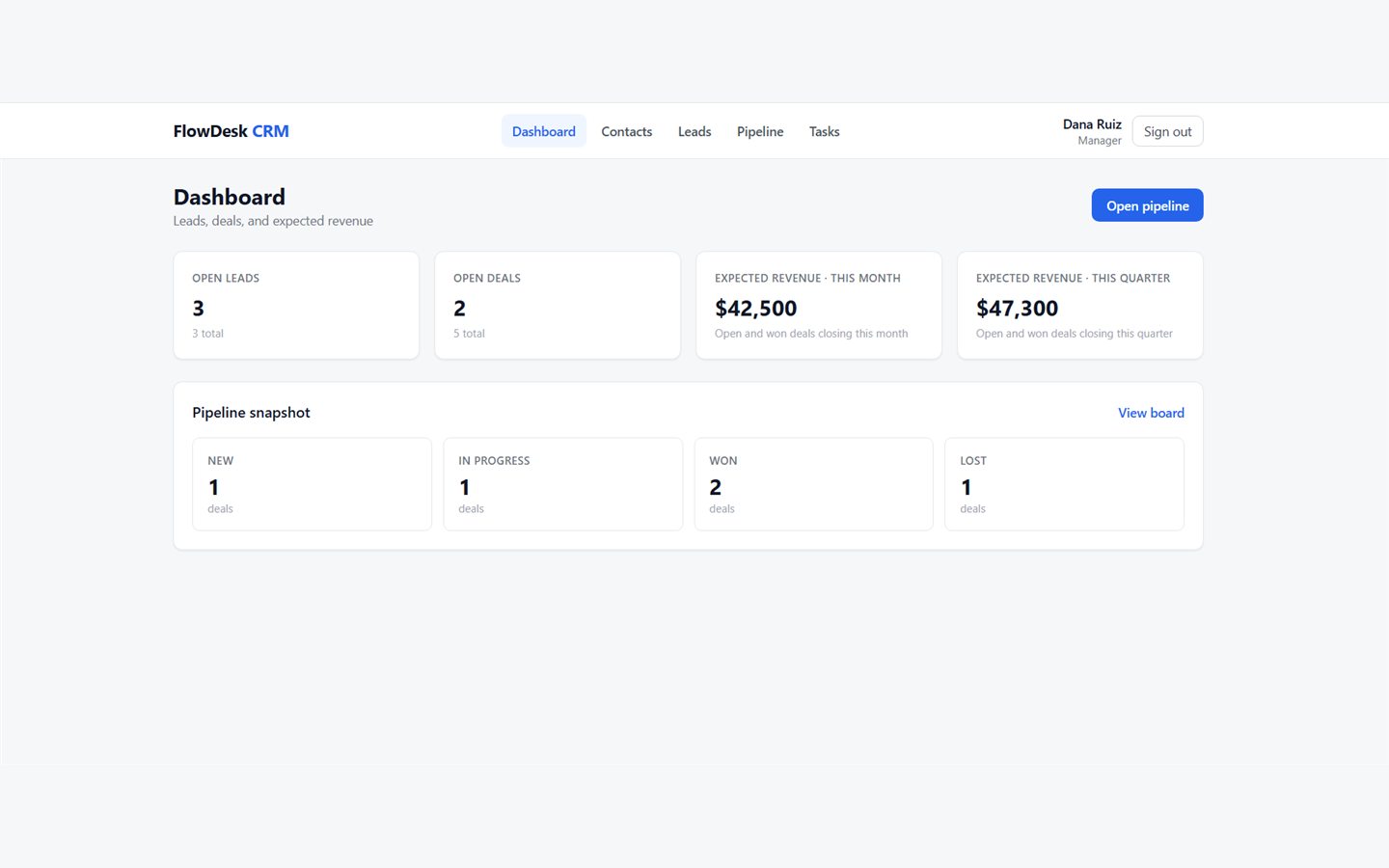
Open the AI app generator or the AI web app builder and describe the screens: booking intake, dispatch board, job card with estimate approval, parts log, and care-plan tracker.
Where a mobile app helps
A mobile app suits the technicians who need today’s job list with addresses, a job card with photos of the fault and the model plate, an estimate the customer can approve on the spot, a payment link, and a warranty slip, all from a phone in the customer’s home. Build it after your spreadsheet has worked for three months. A consumer booking app is rarely worth it for a single shop. Start from the AI mobile app builder.
Where a logo and brand mark help
A repair brand mark appears on a van, a uniform, a technician ID, a job card, a warranty slip, a WhatsApp profile, and a Google listing, so it should read on a small badge and in one colour. Pick a short, trustworthy name that is easy to say on a phone, a simple mark that suggests a tool or a home without copying a famous brand, and a uniform and ID card that make a customer comfortable opening the door. Use the AI logo generator to explore marks, and test each on a badge and a small circle before you print.

A ninety-day plan if you are starting
- 1
Days 1 to 15
Spend a fortnight with a good technician or dealer, pick your two or three categories, map the pin codes you can reach in thirty minutes, and cost rent, tools, parts, and staff.
- 2
Days 16 to 45
Secure the shop, register for GST and local licences, arrange insurance, buy the bench kit and the van kit, and build a price guide and a job-card format.
- 3
Days 46 to 70
Hire and train, set up booking and WhatsApp, fill the Google profile, and begin outreach to housing societies, landlords, and dealers.
- 4
Days 71 to 90
Open, review acceptance, first-time fix, and revisits every week, fix the three biggest gaps, and plan the next season’s parts before the current one ends.
A ninety-day plan if you already operate
- 1
Days 1 to 15
Measure honestly: visits, acceptance, average bill, first-time fix, revisits, parts margin, dead stock, and revenue per technician.
- 2
Days 16 to 45
Fix one leak: introduce written estimates and approval, cut revisits with a better van kit, or set a maximum discount rule with a log.
- 3
Days 46 to 70
Rebuild the price guide, cluster routes by area, launch a care plan, and start two housing-society or dealer relationships.
- 4
Days 71 to 90
Lock the weekly scoreboard and plan the next two seasons. Only then consider a new category, a second area, or a brand tie-up.
Common failure patterns
- Quoting a low visit fee and recovering it with surprise charges, which ends in public complaints
- Fitting parts before the customer approves, and then arguing about the bill
- Repairing everything and advising replacement never, until a repeat failure costs a reputation
- Carrying too many unmoving parts and still missing the ones needed on the day
- Paying incentives on parts sold, so technicians replace what could be repaired
- Taking on categories that nobody on the team has repaired fifty times
- Keeping no job cards, so warranty disputes cannot be settled
- Ignoring e-waste rules for removed boards, batteries, and panels
- Claiming an authorised-partner status without a written agreement
- Opening a second area before the first can run without the owner on every call
When you are ready to build with Nyravi
Use this guide to decide what the shop needs. When the next step is a repair website with a price guide and booking form, a dispatch and job-card dashboard, a technician app for photos and estimates, or a brand mark for your van and uniforms, open Nyravi and describe that product. Keep the brief short: who uses it, what they open first, and what they finish.
If you want help writing that description, ask on Support. Start on the [home page](/), or jump to the product pages linked above. For WhatsApp chatbots, start at cognitivesys.io. The operation comes first. The build carries the system once the system is clear.
Questions
What is a home appliance repair business?+
A home appliance repair business diagnoses and repairs household appliances such as televisions, refrigerators, washing machines, microwaves, and geysers, at the customer’s home or on a workshop bench. It earns money from visit fees, labour, parts sold at a margin, and annual care plans, and its profit depends on quote-acceptance, first-time-fix rate, parts margin, and technician utilisation.
How do I start an appliance repair business in India?+
Start by spending a fortnight with a good technician or dealer to learn the top faults, then choose two or three categories and the pin codes you can reach within thirty minutes. Secure a small shop with a bench, register for GST and any local licence, buy testers and a van kit, stock the fast-moving parts, build a price guide and job-card format, and start with a Google profile, WhatsApp, and housing-society outreach.
How much does it cost to start an appliance repair business?+
A single technician can start with a few lakh rupees for tools, a scooter, and stock, while a shop with four field technicians and a bench like the worked example in this guide needs about ₹9,15,000, including ₹1,20,000 of tools, ₹1,50,000 of parts stock, a ₹90,000 deposit, and ₹2,50,000 of working capital. Category, area, and deposit terms change the total, so cost your own plan.
How much profit can an appliance repair business make?+
Profit depends on acceptance, first-time fix, parts margin, and technician utilisation, not only on the number of calls. In this guide’s example, ₹6,60,000 of monthly revenue, a 57.5% contribution, and ₹2,20,000 of fixed cost give about ₹1,59,500 a month after the owner’s draw, with break-even near ₹3,82,609, but a new shop needs several months of ramp and a cash buffer of at least ₹79,475 in the example.
How should I price appliance repairs?+
Charge a visit fee that is adjusted against the repair, publish a price guide for the ten most common faults, and give a written estimate for parts and labour that the customer approves before work begins. In this guide’s example, 80% acceptance at a ₹1,050 repair and a ₹300 visit fee gives an average bill of ₹900, and lifting acceptance to 85% adds ₹37.50 per visit.
Should I repair or replace an old appliance?+
Compare the repair cost with the price of a comparable new appliance, and advise replacement when the ratio passes about 50% for an older appliance, while letting age, parts availability, and the customer’s budget guide the call. In this guide’s example, a ₹4,200 washing machine board repair on an ₹18,000 machine is 23%, so repair, while a ₹9,000 panel repair on a ₹14,000 television is 64%, so replace.
Do I need a licence or a brand tie-up to repair appliances?+
You will usually need GST registration and a shop and establishment registration or trade licence, while Udyam registration is optional but can help with credit. A brand-authorised service partner agreement is not required, but if you claim that status you must hold the written agreement. E-waste duties, gas-handling certification, and safety rules depend on the appliance, so confirm with a chartered accountant and the authority.
How can I reduce repeat visits and warranty claims?+
Carry the ten fastest-moving parts per category, test the appliance for a full cycle with the customer, record every fix on a job card with photos, and review each revisit for its cause. In this guide’s example, a revisit costs about ₹552.50, and cutting the revisit rate from 8% to 4% saves about ₹11,492 a month.
Can a WhatsApp chatbot help an appliance repair business?+
Yes, a WhatsApp chatbot can answer visit fee and service-area questions, take bookings with a photo of the model plate, send appointment and technician-on-the-way messages, share estimates for approval, and record warranty claims, while handing price disputes, damage complaints, and safety questions to a person. CognitiveSys, the parent company behind Nyravi, builds WhatsApp chatbots and shared inboxes. Start at cognitivesys.io.
Does an appliance repair business need a website, an app, or Nyravi?+
An appliance repair business benefits most from a simple website with appliances, areas, visit fee, warranty, and a WhatsApp button, then from a web app once bookings, job cards, parts, and care plans outgrow a spreadsheet. A technician mobile app helps after the spreadsheet works. Nyravi can build the website, dashboard, technician app, or logo from a plain-language description. For WhatsApp chatbots, start at cognitivesys.io. This guide covers business operations only, not legal or tax advice.