
Bike rental
Bike rental business: how to start, run, and improve a scooter and motorcycle rental for tourists and locals
A practical operator playbook for starting, running, and improving a bike and scooter rental business in India for tourists, students, and local riders: what the business really sells (a safe, clean, ready bike and a fair, clear price), fleet mix, utilisation, average daily rate, damage-reserve, break-even and payback formulas with checked ₹ examples for a 40-bike fleet, seasonal pricing and monthly-rental tactics, rental permit, insurance, helmet, licence-check and rider-safety requirements to confirm with your RTO and insurer, handover and damage systems, weekly scoreboards, WhatsApp chatbots for availability and booking enquiries, and when a website, booking web app, counter mobile app, or logo actually helps. Business operations only, not legal, safety, or regulatory advice.
 Nyravi AILearn playbookFirst-time bike and scooter rental founders in tourist towns and college cities, garage and showroom owners adding a rental line, homestay and hostel owners who want a second income, travel desks adding self-ride rentals, local riders and gig workers who rent monthly, and existing rental shops that want fuller bikes, fewer damage disputes, and steadier off-season income
Who this guide is for
Read this if you want to open or run a bike and scooter rental business that hires two-wheelers to tourists by the day, to students and local riders by the week or month, and sometimes to delivery riders on longer plans. It is also for a garage or showroom owner who wants to add rentals, a homestay or hostel owner with a few bikes, a traveller-turned-founder in a hill or beach town, and a rental shop owner whose bikes are booked solid in December and idle in July. If your bikes are fine but your utilisation, damage recovery, or off-season income are not, this playbook is for you.
The playbook covers the business around the bikes: fleet mix, pricing, utilisation, handover, damage and fines, compliance, cash cycle, and growth. If you rent cars, read the car rental guide. If you run cabs with drivers, see taxi fleet. If you repair bikes, the bike service center guide fits better, and a cycle and EV showroom guide covers sales. If you rent tools and gear, read equipment rental. A bike rental is judged on how many days each bike is actually out, what it costs to keep it ready, and how many rides end without a dispute.
What a bike rental business is
A bike rental business owns or leases scooters, motorcycles, and sometimes e-bikes, registers them as the rules require, and rents them out for hours, days, weeks, or months to riders who hold a valid licence, against a deposit and an agreement. Revenue comes from bikes multiplied by the days they are rented, multiplied by the rate per day, plus add-ons such as helmets, phone mounts, and delivery. Cost comes from the bikes themselves, servicing, damage, insurance, staff, and the shop. The business earns when bikes are out most days, come back in good condition, and every rider is checked, briefed, and covered.
Terms you will use every week
- Fleet mix: the split between scooters, commuter and cruiser motorcycles, and premium or adventure bikes
- Utilisation: rented bike-days divided by available bike-days in the month
- Average daily rate (ADR): rental revenue divided by rented bike-days
- Revenue per available bike-day (RevPAB): total revenue divided by available bike-days, a blend of rate and utilisation
- Deposit: a refundable amount held against damage, fines, and late return
- Kilometre limit: the free km per day, with a per-km charge above it
- Fuel policy: usually return with the same level you took, or pay the difference
- Challan: a traffic penalty that must be traced to a rider and recovered
- Peak, shoulder, and lean: the three rhythms of a tourist town’s year
- Damage reserve: money set aside from every rented day to pay for scratches, repairs, and the occasional write-off
A bike rental is a fleet business wrapped in a hospitality counter. The bike costs the same whether it is rented 10 days or 25 days. The skill that matters most is filling the calendar, in every season, with riders who return the bike intact.
Bike rental at a glance: the worked example in this guide
Key figures, all illustrative and to be replaced with your own quotes and booking data
- Fleet: 40 bikes, made up of 24 scooters at ₹450 a day, 12 cruiser motorcycles at ₹1,100, and 4 premium bikes at ₹1,800, an average daily rate of ₹780
- Utilisation: 55% across the year, which is 660 rented bike-days in a 30-day month of 1,200 available bike-days
- Revenue: ₹5,14,800 of rentals plus ₹26,400 of add-ons, ₹5,41,200 in total
- Variable cost: about ₹95 per rented day for servicing, cleaning, and a damage reserve, plus 2% payment fees
- Fixed cost: about ₹2,74,000 a month including a fleet-cost reserve of about ₹1,07,000 and a ₹30,000 owner draw
- Contribution: about ₹708.60 per rented day, or ₹4,67,676 a month
- Break-even: about 387 rented bike-days a month, which is about 32% utilisation, against a plan of 55%
- Profit: about ₹1,93,676 a month at 55%, about ₹4,06,256 in a peak month at 80%, and a loss of about ₹18,904 in a lean month at 30%
- Start-up investment: about ₹75,74,000, which pays back in about 25 months on cash generated
Treat these as a template for your own sheet, not as a promise. Rates, bike prices, season length, and utilisation vary by town, season, and fleet mix. The point is to see which three numbers move profit most: utilisation, average daily rate, and damage you fail to recover.
What a bike rental really sells
A rider does not buy a bike for a day. A rider buys a trouble-free trip: a clean bike that starts, a helmet that fits, a price with no surprises, a person who answers when the tyre goes flat on a hill road, and a return that takes five minutes. The renter who handles a puncture well, and says clearly what a scratch costs, gets the next booking and the five-star review.
A shop that rents anything to anyone for the lowest daily price runs into three problems: damage disputes, unsafe rides, and a fleet worn out in one season. A shop with a clear fleet, a licence-check routine, a handover checklist, honest pricing, and a visible safety briefing earns more per bike, loses fewer bikes, and builds a reputation that fills the lean season. Trust and tidy process are the product.
How a bike rental differs from car rental, a taxi fleet, a service center, and equipment rental
Owners often borrow numbers from a car rental or a garage and get the wrong sheet. A bike rental is a many-small-assets, short-hire, high-turnover business where the rider is exposed and the counter experience matters. That changes the licence you hold, the checks you run, and the numbers you track.
Where the lines fall
- Car rental: fewer, costlier vehicles with longer bookings and bigger deposits. See car rental for that model
- Taxi fleet: commercial cabs with drivers or driver-partners and steady daily lease. See taxi fleet for fleet economics
- Bike service center: you repair customers’ bikes and earn from labour and parts. See bike service center for that model, and a possible in-house partner for your own fleet
- Cycle and EV showroom: you sell new bikes and e-bikes. See cycle and EV showroom for retail economics
- Equipment rental: tools, machines, and gear rented to trades and events. See equipment rental for that model
- Adventure tourism: guided activities where a rental is part of a package. See adventure tourism for that customer
Choose a fleet mix and a rental model before you buy a bike
A bike rental can be built many ways, and the mix decides your capital, your damage risk, and your season. Pick the mix that matches your town’s riders, and treat everything else as a later step.
Common choices and what each asks of you
- Scooters (110 to 125 cc): the volume line. Low cost per bike, easy for most riders, and the first thing a tourist asks for. They are also the bikes most often scratched and dropped
- Commuter motorcycles: a steady middle line for students and locals, with cheaper servicing than premium bikes
- Cruiser and touring motorcycles: higher rate per day, a strong tourist draw, and higher damage and accident cost per event
- Premium and adventure bikes: a small, high-rate line that needs experienced riders, bigger deposits, and tighter checks
- E-scooters and e-bikes: lower running cost and good for short city hires, with charging and battery care as new tasks
- Monthly and long-term rentals to students, local workers, and delivery riders: steady lean-season income at a lower daily rate
- Pick-up and delivery to hotels and stations: a convenience fee that costs staff time and needs a rider on the road
Decide these before you commit money
- Your town’s seasons and the weeks that bring the first and last tourists, so the plan covers the lean months
- The rental licence or permit your state requires, the number of bikes it allows or requires, and the plate and registration category
- New or pre-owned bikes, financed or owned, and the age and condition you will accept
- Deposit and document policy for each class, and whether you will accept foreign riders and the permits they need
- Where your workshop will be, who services bikes, and how fast a bike returns from repair
- Scale for the first year: ten bikes to learn the work, 40 bikes to build a base, or a multi-counter operation
How a bike rental works, from the booking to the return
A bike rental follows the same loop every day: confirm availability, check the rider, take a deposit and agreement, hand over a bike with a recorded condition, let it ride, inspect on return, and settle. Details differ by shop and town, so this is a map, not a rulebook.
A typical rental flow
- 1
1. Enquire and quote
The rider asks about a bike, dates, and price, and gets a clear quote that states the daily rate, km limit, fuel policy, deposit, and extras.
- 2
2. Verify the rider
Check a valid licence for the vehicle class, age, and photo identity, and for foreign riders the permit or licence your rules require, and decline politely if anything does not match.
- 3
3. Agree and pay
The rider signs the rental agreement, pays the rental and deposit, and receives the price sheet, the helmet, and the emergency contact.
- 4
4. Hand over
Photograph the bike on all sides, record the odometer and fuel level, test the lights, brakes, and horn, fit the helmet, and run a short briefing on local roads, rules, and conditions.
- 5
5. Ride and support
The rider has a WhatsApp number for breakdowns and a plan for a puncture, a flat battery, or a fall, and you log every call.
- 6
6. Return and inspect
Photograph the bike again, compare with the handover photos, check the odometer and fuel, and agree any damage in front of the rider.
- 7
7. Settle
Refund the deposit less agreed damage, extra km, late fees, or fines, and give a receipt and a thank-you message.
- 8
8. Prepare
Clean, fuel-check, and service the bike on schedule, log the wear, and mark it ready on the fleet board.
Start-up and monthly cost formulas
A bike rental needs bikes, helmets and accessories, trackers and locks, a shop and workshop corner, licences and insurance, a booking system, and a cash buffer for the lean months. The bikes are the large line. The helmets, trackers, and the lean-season buffer are the lines founders most often cut, and the ones they most often regret.
Bike economics: what a rented day earns
A bike pays for itself only if each rented day earns more than it costs to keep the bike ready, clean, and covered. Work out the revenue of a rented day, the servicing and damage cost it brings, and what is left to cover the fixed cost, and run the shop from those numbers rather than from a peak week’s sales.
Break-even and profit: bike-days, seasons, and the lean month
Because rent, staff, insurance, and the fleet reserve are paid whether 300 or 900 bike-days are rented, the number of rented bike-days you need each month is the most important number in the shop. Put it on the wall where the counter staff can see it every morning.
Licences, permits, insurance, and rider-safety requirements to confirm
A bike rental touches motor vehicle law, rental scheme rules, insurance, tourism and local-authority rules, traffic law, consumer law, and tax law. The framework differs by state and town. Treat this section as a checklist of things to confirm with the authority, not as instructions.
Confirm each with the RTO, the local authority, your insurer, and a qualified adviser
- Rental-vehicle registration and permit category, plates and markings, and any minimum or maximum fleet size under the Rent a Motorcycle Scheme or your state’s equivalent
- Shop and establishment, trade licence, GST registration, Udyam registration, and any tourism-department registration your town asks of rental shops
- Fitness, pollution-under-control, road tax, and insurance for each bike, and a calendar for every renewal
- Commercial or rental insurance that covers third-party liability, theft, and damage, and the exact exclusions, such as riding without a licence or under the influence
- Helmet rules for rider and pillion, and the standard and number of helmets you must supply
- Licence-check rules for each vehicle class, minimum rider age, and what you must collect or record, including for foreign riders
- Local area restrictions, such as banned zones, night riding, or hill-road conditions, and what you must tell the rider
- A written rental agreement, reviewed by a lawyer, covering deposit, damage, fines, accidents, theft, late return, and termination
- Rules on holding original identity documents, which many places discourage, and a safer alternative such as a digital copy plus a deposit
- Data-protection practice for licence and ID copies, with consent, limited access, and deletion after a set period
Safety, handover, and damage systems
Safety and damage control in a rental shop are routines, not slogans. The routine is a documented handover with photographs, a short briefing, a clear price list for damage, a dependable breakdown plan, and a record of every incident. Write it down and audit it.
Systems worth writing down
- A handover checklist with photographs on all sides, odometer, fuel, and existing marks, signed by the rider on a phone or paper
- A return checklist that compares the same photographs, with the rider present, and a rule that damage is agreed on the spot
- A published damage price list for common items such as mirrors, levers, panels, and tyres, so a charge is never a surprise
- A pre-ride briefing on traffic rules, local road and weather conditions, speed, parking, and what to do after a fall or a breakdown
- A rule that a rider who appears unwell, intoxicated, or inexperienced for the class is refused politely and refunded
- A service schedule by km and date, a weekly tyre and brake check, and a rule that any bike with a safety defect is pulled from the fleet
- A tracker or immobiliser policy for theft prevention, with a plan for what to do if a bike does not return
- An incident register for falls, breakdowns, thefts, and police contacts, with the cause, the cost, and the fix, read by the owner every week
- A breakdown plan with a rescue rider or a pick-up vehicle, a target response time, and a rule on who pays when the cause is wear or misuse
The team a bike rental needs
A bike rental works when each person owns a task and a checklist. Hire for patience and attention to detail, train every new person on the handover and the briefing, and keep one person accountable for the fleet being ready every morning.
Roles that keep the bikes out and the riders happy
- Owner or manager: fleet mix, pricing, compliance, cash, and the weekly review
- Counter and booking executive: enquiries, licence checks, agreements, handovers, and returns
- Mechanic: preventive service, quick repairs, tyres, brakes, and the bike-ready board
- Helper and delivery rider: cleaning, fuelling, hotel delivery, pick-up of broken-down bikes, and returns
- Seasonal staff: extra counter and helper hands in peak months, trained before they meet a customer
- Accounts: daily cash, deposits, GST, insurance renewals, and payroll, often a part-time accountant
Pay staff a base plus a visible bonus for clean returns, low unrecovered damage, and positive reviews. A bonus on bookings alone teaches people to skip checks, which costs far more than the extra booking earns.
Pricing, packages, and the rider journey
A rider compares your price with the next shop and with the cost of a taxi or a tour. They pay for the shop that is clear, fair, and available. Show the daily rate, the km limit, the fuel policy, the deposit, and the late and damage charges in one place before the rider asks.
A standard rider journey
- 1
1. Discover
The rider finds you on Google Maps, a hotel desk, or social media and sees clear photos, a price sheet, and reviews.
- 2
2. Ask
The rider messages on WhatsApp for dates and bikes, and gets a quick, accurate reply.
- 3
3. Book
The rider confirms the bike, pays an advance, and receives a checklist of what to bring.
- 4
4. Collect
Licence check, agreement, photographs, helmet, briefing, and a clear plan for help.
- 5
5. Ride
The rider rides with your number saved and a rescue plan in mind.
- 6
6. Return
A five-minute check, an agreed settlement, and a prompt deposit refund.
- 7
7. Review
A short thank-you message and a polite request for feedback and a review.
- 8
8. Return again
A repeat or referral offer for the next trip, or a monthly plan for locals.
A simple weekly rhythm
Run the shop on a short scoreboard
- Daily morning: the fleet board, with each bike marked ready, rented, in service, or blocked, plus a fuel and helmet check
- Daily handovers: licence checked, photographs taken, agreement signed, and briefing done for every rental
- Daily close: cash and deposit reconciliation, returns inspected, damage logged, and tomorrow’s bookings and deliveries
- Weekly: utilisation and ADR by bike class, RevPAB, damage events and amounts recovered, and breakdown calls
- Weekly: reviews, complaints by cause, challans matched to riders, and deposits held
- Weekly: a five-minute team huddle on one thing, such as the briefing script or the return photos
- Monthly: service and renewal calendar, cost per rented day, lean-season plan, and a price review by class
Money: the numbers that decide survival
Watch these every week and every month
- Utilisation, ADR, and RevPAB by bike class and by month
- Damage events, amount charged, and amount actually recovered, by class and by staff member
- Deposits held against deposits due back, so refunds are never a surprise
- Cost per rented day and repair spend per bike
- Cash in hand against three months of fixed cost, because a slow season or a bad monsoon can hit any month
- Insurance, permit, and renewal costs in the next 90 days
- Advance bookings in hand for the next 30 days, which is the best predictor of cash
ROI formulas you can use this month
Marketing a bike rental in India
Riders choose a rental shop on proof: clear photos, honest prices, fresh reviews, and a quick reply. Marketing is mostly making those four things easy to see. A short video of the handover and a clear damage list does more than a discount.
What moves bookings
- A complete Google Business Profile with the shop address, photos of each bike class, a price list, and a phone and WhatsApp number that are answered
- A simple price sheet with daily rate, km limit, fuel policy, deposit, and late fees, shown in the shop, on the website, and on WhatsApp
- Partnerships with hotels, hostels, homestays, cafes, and tour operators that refer guests, with a clear referral arrangement
- A monthly plan for students and locals, advertised at colleges, co-working spaces, and notice boards
- Short videos of the handover, the briefing, and safe-riding tips, always with helmets and without risky riding
- Route guides and local tips on your website and profile, which also help search and AI assistants quote you
- Honest claims only, with no promises about weather, roads, or ‘no problems’, and no use of any rider’s photograph without consent
Reviews, relationships, and reputation
A rental shop is judged by a few hundred reviews and by the hotel desks that recommend it. One fair, calm handling of a damage claim is remembered. One surprise charge is remembered too.
A routine that works
- Ask every rider for feedback at return, and ask happy riders for a Google review after they are home, never as a condition of the deposit refund
- Tag every complaint by cause: bike condition, price surprise, damage dispute, breakdown response, or staff behaviour
- Fix the cause with the highest count first, tell the staff, and measure the same complaint again next week
- Reply to every public review within 48 hours, thank the good ones, and offer a call to fix the bad ones
- Never argue publicly, and never post a rider’s name, photo, or damage details without permission
- Visit each referring hotel or hostel desk monthly with a thank-you, a price update, and a fresh brochure
- Keep a short list of riders who damaged a bike through misuse and decline them politely in future
Channels that bring bookings
Rank them by contribution per rented day and by reliability, not by volume alone
- Walk-in at the shop and on the street: the highest margin when your location and signage are good
- Google Maps and search: the biggest source for planned trips and the cheapest to keep up with fresh photos and reviews
- Hotels, hostels, and homestays: referrals and delivery requests, in exchange for a clear, steady service
- Travel agents and tour operators: bundled rentals with agreed rates and payment terms. See travel agency and homestay partners for how they book
- Marketplaces and rental apps: reach at a commission, with price comparison and review pressure
- WhatsApp and Instagram: quick quotes, repeat riders, and referral from past guests
- Monthly rentals for students, locals, and delivery riders: steady lean-season income at a lower daily rate
Log the source of every booking. After a season you will know which channel gives profit and which one gives bookings that leave you with nothing after commission.
Automation that frees the owner
Automate these first
- A live fleet board showing each bike as ready, rented, in service, or blocked, with the next booking
- A booking calendar that prevents double bookings and sends a confirmation and a documents checklist
- Digital agreement and handover photographs stored against the booking and the bike
- Service reminders by km or date, and renewal reminders for insurance, permit, PUC, and tax, 60, 30, and 7 days ahead
- A return reminder and a late-return alert, with a clear late-fee policy
- A challan log that matches each notice to the rider on that date
- A weekly digest to the owner: utilisation, ADR, RevPAB, damage recovered, deposits held, and bookings for the next 30 days
Where a WhatsApp chatbot helps
Riders message at all hours: “Do you have a scooter for Saturday?”, “What is the deposit?”, “Can you deliver to my hotel?”, “My bike will not start.” If those messages wait until the counter is free, the rider has already booked somewhere else. A well-built chatbot answers routine questions fast and hands the rest to a person.
What a business WhatsApp chatbot is good for
- Answering price, km limit, fuel policy, deposit, documents needed, and opening hours from facts you approve
- Checking availability for dates and bike class from your fleet board, and taking a booking request
- Collecting an enquiry with dates, class, pick-up or delivery location, and a contact, then alerting the counter
- Sending a booking confirmation, a documents checklist, a handover time, and a return reminder
- Sharing a rescue contact and a simple checklist when a rider reports a flat tyre or a non-start, then alerting a person
- Sending a monthly-rental offer to past riders who opted in
- Asking for feedback after a return and routing complaints to a person
What it must never do
- Say a rider does not need a licence, helmet, or briefing, or suggest a bike is safe for a rider’s skill, road, or weather
- Waive a deposit, a fee, or a damage charge that the owner has not approved
- Handle an accident, an injury, a theft, or a police matter, which go straight to a person on a phone call
- Share another rider’s details, documents, or a bike’s live location with an unverified number
- Give legal, insurance, or fine-dispute advice, which go to a person

Use WhatsApp for conversation, your website for proof and a price page, and a web app when bikes, bookings, deposits, and renewals need to live in one place.
Growing a bike rental business
Growth is not only more bikes. It is higher utilisation across all seasons, better damage recovery, a stronger partner network, and a cash cycle that lets you refresh and add bikes from profit rather than from debt.
Ways to grow responsibly
- Lift utilisation and recover damage before you add a bike, because both raise profit without new capital
- Build a monthly rental line for students, locals, and delivery riders to cover the lean months
- Add hotel and hostel tie-ups, with a clear, tracked referral arrangement
- Add delivery and pick-up as a paid service where staff time allows
- Introduce e-scooters on a trial basis where charging and local demand support it
- Rotate the oldest bikes out before repair cost per bike climbs above the fleet average
- Add a second counter in a busy cluster only after the first has held target utilisation and damage recovery for two seasons
- Offer guided or self-guided route packs through partners, keeping safety instructions clear and approved
Where a website helps
Riders search “scooter rental near me”, “bike on rent in [town]”, or “monthly scooter rental” before they message. Your website should show your bikes with photographs, daily and monthly rates, the km limit, fuel policy, deposit, documents needed, the shop address and hours, an availability or enquiry form, and a WhatsApp button, in that order. A site with only a logo and a phone number loses to the shop that answers the first three questions on one page. Add clear headings and structured data for a local business so search engines and AI assistants can quote your location, hours, and prices correctly.

Start from the AI website builder or build a website with AI and describe your bikes, rates, documents, shop location, and the three questions you want a rider to answer on the page.
Where a web app helps
A web app helps when bikes, bookings, deposits, damage records, services, and renewals outgrow a notebook and a spreadsheet, and when a second counter or a seasonal team makes one person’s memory unreliable. A signed-in board that shows each bike’s status, the next booking, the last service, damage history, and renewal dates gives the owner, the counter, and the mechanic the same answer. A rider view can show the booking, the agreement, the deposit, and the return time, with security and permissions built in.
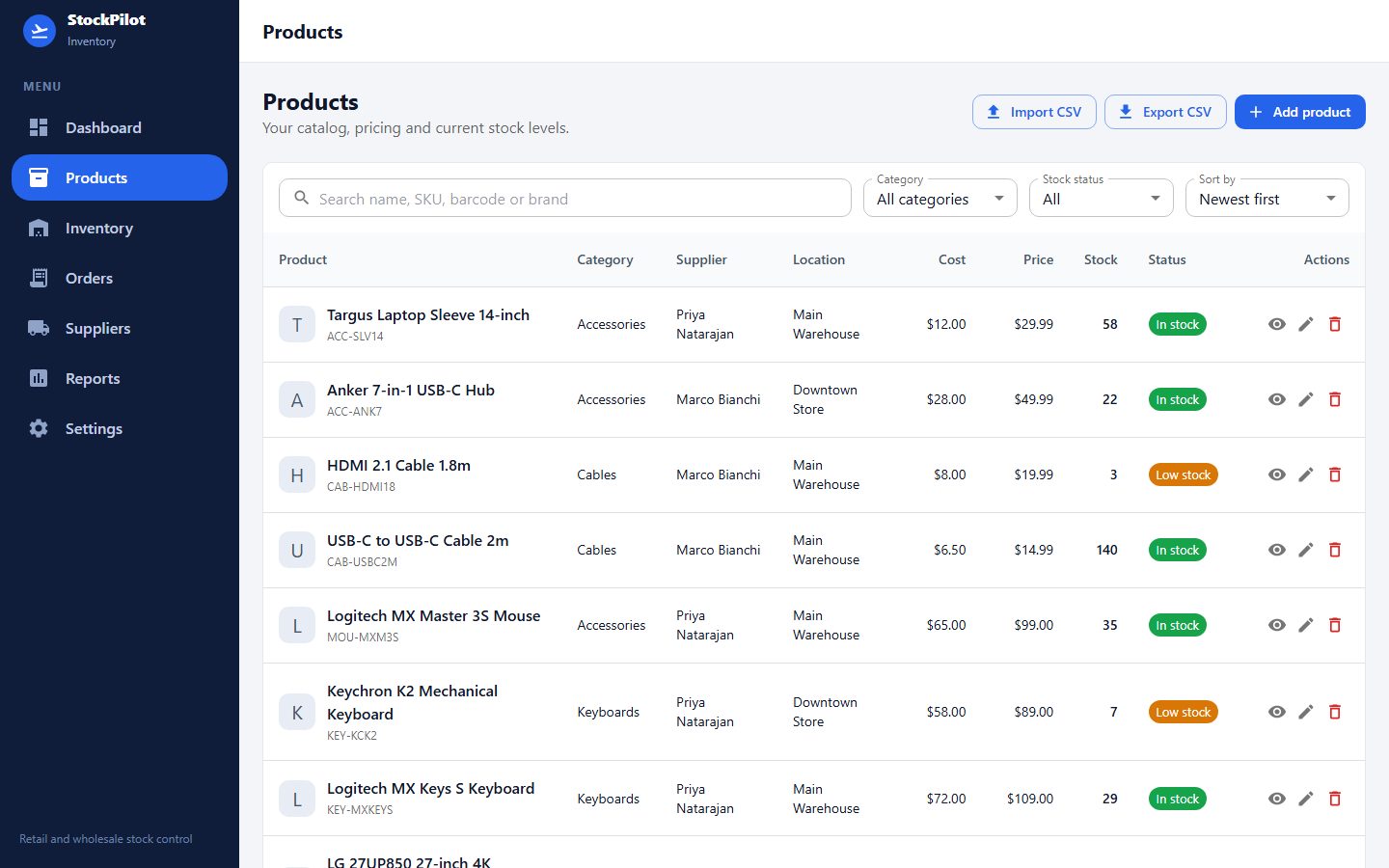
Open the AI app generator or the AI web app builder and describe the screens: bike register with documents and renewals, booking calendar with availability, handover and return checklist with photographs, deposit and damage ledger, and a service and challan tracker.
Where a mobile app helps
A mobile app suits the counter staff and the rescue rider who need a handover and return checklist with photographs, a licence capture with consent, a deposit entry, a service-due list, and a breakdown log, all from a phone at the kerb. Build it after your paper checklist and spreadsheet have worked for a full season. A rider app is rarely worth it for one shop, and a booking page with WhatsApp usually does the job. Start from the AI mobile app builder.
Where a logo and brand mark help
A rental mark appears on a shop sign, a helmet sticker, a bike number-plate frame, a rental agreement, a key tag, a price sheet, and a WhatsApp profile, so it should read at a distance and in one colour. Pick a short name that is easy to say on a phone, a simple mark that suggests ease and freedom without copying a famous brand, and a sticker design that stays readable on a helmet. Use the AI logo generator to explore marks, and test each on a sign, a small sticker, and a phone profile before you print.

A ninety-day plan if you are starting
- 1
Days 1 to 15
Speak with the RTO, an insurer, and two local rental shops, learn the licence, registration, and insurance rules, pick your fleet mix and location, and cost 10 to 15 bikes.
- 2
Days 16 to 45
Secure the shop, apply for the rental licence and registrations, buy the first bikes, helmets, trackers, and tools, draft the agreement with a lawyer, and set up a partner workshop or a mechanic.
- 3
Days 46 to 70
Write the handover and return checklists, the damage price list, and the briefing, train the counter staff, list on Google Maps, and sign your first hotel and hostel partners.
- 4
Days 71 to 90
Open for bookings, measure utilisation, damage recovered, and reviews every week, fix the three biggest gaps, and decide on bike number 16 only after a clean first season month.
A ninety-day plan if you already run a rental shop
- 1
Days 1 to 15
Measure honestly: utilisation, ADR, and RevPAB by class, damage events and recovery, idle days, bookings by channel, and your top three complaints.
- 2
Days 16 to 45
Fix one leak: unrecovered damage, an idle class, or a slow WhatsApp reply. Rewrite the handover checklist and publish the damage price list.
- 3
Days 46 to 70
Launch a monthly plan for the lean season, formalise hotel tie-ups with tracked referrals, and move bookings, deposits, and renewals to a system.
- 4
Days 71 to 90
Lock the weekly scoreboard and plan the next two seasons. Only then consider more bikes, a new class, or a second counter.
Common failure patterns
- Buying a large fleet for peak season and carrying it through months of empty counters
- Renting without checking the licence, age, or documents, then facing an uninsured claim
- Skipping handover photographs and losing every damage dispute
- Pricing on the neighbour’s rate without checking your own cost per rented day
- Treating the fleet reserve as profit and having no money to replace worn bikes
- Holding original identity documents or deposits in ways the rules do not allow
- Ignoring the lean season until the bank balance is empty
- Letting an expired permit, insurance, or PUC slide because the bike is booked
- Promising outcomes on weather, roads, or safety that nobody can guarantee
- Opening a second counter before the first runs without the owner at the desk
When you are ready to build with Nyravi
Use this guide to decide what the shop needs. When the next step is a rental website with a price sheet and an availability form, a bike, booking, and deposit dashboard, a counter handover app, or a brand mark for your bikes and helmets, open Nyravi and describe that product. Keep the brief short: who uses it, what they open first, and what they finish.
If you want help writing that description, ask on Support. Start on the [home page](/), or jump to the product pages linked above. For WhatsApp chatbots, start at cognitivesys.io. The operation comes first. The build carries the system once the system is clear.
Questions
What is a bike rental business?+
A bike rental business owns or leases scooters, motorcycles, and sometimes e-bikes, registers them under the rules for rental vehicles, and rents them to licensed riders by the hour, day, week, or month against a deposit and an agreement. It earns the margin between the rental and add-on revenue per bike and the cost of servicing, damage, insurance, staff, and the shop, and it depends on utilisation across all seasons.
How do I start a bike rental business in India?+
Start by learning your state’s rental licence, registration, insurance, and helmet and licence-check rules with the RTO and an insurer, pick one town and fleet mix, and cost 10 to 15 bikes. Buy bikes, helmets, and trackers, draft a lawyer-reviewed rental agreement, write handover and return checklists, list on Google Maps, and run one full season before you add more bikes.
How much does it cost to start a bike rental business?+
A pilot of 10 to 15 scooters and motorcycles can start with a few lakh to about ₹20 lakh depending on bike types, while a 40-bike shop is much more. The worked example in this guide totals ₹75,74,000, including a ₹64,40,000 fleet, ₹64,000 of helmets, ₹1,00,000 of trackers and locks, ₹1,20,000 of licences and permits, and ₹4,00,000 of working capital. Prices and rules vary by town.
How much profit can a bike rental business make?+
Profit depends on utilisation, average daily rate, damage recovery, and fixed cost including a fleet reserve. In this guide’s example, 40 bikes at 55% utilisation and a ₹780 average daily rate earn about ₹1,93,676 a month after a ₹30,000 owner draw and a ₹1,07,000 fleet reserve, break even at about 387 rented bike-days, make about ₹4,06,256 in a peak month, and lose about ₹18,904 in a lean month.
How much should I charge for bike rental per day?+
Price by bike class, season, and demand, and check that your blended rate leaves a contribution above your cost per rented day. In the worked example scooters are ₹450, cruisers ₹1,100, and premium bikes ₹1,800 a day, a blended ₹780, with a variable cost of about ₹95 a rented day. Show the km limit, fuel policy, deposit, and late and damage charges in one price sheet. Rates vary widely by town and season.
What licence and insurance do I need to rent out bikes?+
Requirements usually include a rental-vehicle registration and permit under the Rent a Motorcycle Scheme or your state’s equivalent, shop and trade licences, GST, commercial or rental insurance with the right exclusions understood, and helmet and rider licence-check rules. Fleet-size conditions and plate rules differ by state and change over time, so confirm with your RTO, local authority, and insurer. This guide does not replace them.
How do I handle damage and challans on rental bikes?+
Photograph every bike at handover and return, publish a damage price list, agree damage with the rider at the counter, hold a fair deposit, and keep a challan log that matches each notice to the rider on that date. In this guide’s example, cutting unrecovered damage from 40% to 15% saves about ₹5,250 a month, and better challan recovery adds about ₹50,400 a year.
How do I earn in the off-season with a bike rental?+
Offer monthly rentals to students, local workers, and delivery riders, build hotel and hostel tie-ups, adjust daily rates where demand is soft, and keep a cash buffer for the lean months. In the worked example, a flat ₹7,500 monthly scooter plan earns about ₹1,755 more per scooter than a lean 30% daily-rental month, which is about ₹17,550 across 10 scooters.
Can a WhatsApp chatbot help a bike rental business?+
Yes, a WhatsApp chatbot can answer price, deposit, and document questions, check availability, collect booking requests, send confirmations and return reminders, and share a rescue contact, while handing accidents, theft, safety, deposit disputes, and fine questions to a person. CognitiveSys, the parent company behind Nyravi, builds WhatsApp chatbots and shared inboxes. Start at cognitivesys.io.
Does a bike rental business need a website, an app, or Nyravi?+
A bike rental benefits most from a simple website with bike classes, prices, documents needed, shop location, and an enquiry form, then from a web app once bikes, bookings, deposits, and renewals outgrow a spreadsheet. A counter mobile app helps after the paper checklist works. Nyravi can build the website, dashboard, counter app, or logo from a plain-language description. For WhatsApp chatbots, start at cognitivesys.io. This guide covers business operations only, not legal or safety advice.