
Lift & elevator maintenance & AMC
Elevator maintenance business: how to start, run, and improve one
A practical operator playbook for starting, running, and improving a lift and elevator maintenance business in India: what the business really sells, comprehensive versus non-comprehensive AMC (annual maintenance contract) economics with checked ₹ examples, lifts-per-technician and workload formulas, break-even in lifts under contract, modernisation and spare-part lines, apartment, commercial, hospital, and institutional channels, breakdown and entrapment response, shaft, electrical, and lockout safety systems, state lift-law, inspection, and insurance basics, a licensed technician and dispatch team, retention and renewal pricing, weekly scoreboards, WhatsApp chatbots for breakdown reports and visit schedules, and when a website, service dashboard web app, technician mobile app, or logo actually helps. Business operations only, not engineering, lift-safety, rescue, or legal advice.
 Nyravi AILearn playbookFirst-time lift service founders, experienced lift technicians and supervisors leaving an OEM to start their own company, electrical and facility-management firms adding lift AMC, builders and housing-society committees choosing a maintenance partner, property managers responsible for dozens of lifts, and existing lift companies that want fewer repeat breakdowns, better renewals, and healthier margins per lift
Who this guide is for
Read this if you want to open or run a company that maintains passenger, goods, and hospital lifts, and sometimes modernises them, for housing societies, offices, hospitals, hotels, malls, factories, and institutions under annual maintenance contracts. It is also for a senior technician who has kept eighty lifts running for a big brand and wants his own company, an electrical or facility-management firm whose clients keep asking who will service their lifts, a building committee comparing three AMC quotes, and an owner whose contract count is flat and whose best technician just resigned. If your lifts are running but your margin per lift, callbacks, or renewals are not, this playbook is for you.
The playbook covers the business around the machines: contract types, technician capacity, spare-part exposure, response time, safety, renewals, and growth. If you manage whole buildings, read the facility management guide. If you run property for owners, see property management. If your core work is wiring and panels, the electrical contractor guide fits better. If you service fire systems, read fire safety systems. A lift maintenance company is judged on lifts under contract per technician, repeat breakdowns per lift, response time when someone is stuck, and whether a committee renews without calling a competitor.
What an elevator maintenance business is
An elevator maintenance business is a recurring-service business that inspects, lubricates, adjusts, repairs, and replaces parts on passenger, goods, hospital, and home lifts under annual maintenance contracts, responds to breakdowns and entrapments around the clock, modernises ageing equipment, and sells spare parts, earning a monthly fee per lift. Revenue comes from lifts under contract at a net monthly fee, and it is capped by the number of lifts each technician can safely look after, the spare-part and repair cost each contract carries, how many repeat breakdowns you have, and how many customers renew.
Terms you will use every week
- AMC (annual maintenance contract): a written agreement to service a lift on a schedule for a fixed fee, usually for one or more years
- Comprehensive AMC: a contract in which the company also supplies defined spare parts and repairs within the fee, subject to written exclusions
- Non-comprehensive AMC: a labour-and-lubrication contract in which parts and major repairs are charged separately
- Breakdown call: a customer report that a lift is not working, to be attended within the response time in the contract
- Entrapment: a person stuck inside a lift, which is an emergency with the highest response priority and a rescue only by trained persons
- Modernisation: replacing major components such as the controller, drive, door operator, or ropes to extend life and improve reliability
- Competent person or licensed contractor: the trained, authorised person or firm that state law or the manufacturer requires for lift work
- Lifts per technician: how many lifts one technician looks after, the main driver of both margin and safety
- Repeat breakdown: a second call for the same fault within a short window, the clearest sign of poor diagnosis
A lift company sells peace of mind that is invisible when it works. The contract renews when nobody notices the lift, and it is lost on the day someone is stuck for an hour. The skill you manage most carefully is response and diagnosis, not selling.
Lift maintenance at a glance: the worked example in this guide
Key figures, all illustrative and to be replaced with your own contracts and costings
- Portfolio: 260 lifts under AMC, 60% non-comprehensive at about ₹2,400 a month and 40% comprehensive at about ₹4,400, a blended fee near ₹3,200
- Variable cost: about ₹450 per non-comprehensive lift and ₹1,450 per comprehensive lift, a blend of about ₹850, so about ₹2,350 of contribution per lift a month
- AMC contribution: about ₹6,11,000 a month, plus about ₹1,08,000 from two modernisation or major repair jobs and about ₹36,000 from chargeable parts and repairs, for ₹7,55,000 in all
- Fixed cost: about ₹6,51,000 a month including a ₹70,000 owner draw and a ₹30,000 loan instalment
- Break-even: about 216 lifts under AMC with the side lines included, or about 277 with AMC alone
- Profit: about ₹1,04,000 a month at 260 lifts, about ₹42,900 if 26 lifts leave, and about ₹10,000 if 40 leave
- Start-up investment: about ₹34,00,000, which pays back in about 33 months at that profit, and a lift portfolio is built over years, not months
- Capacity: about 32.5 lifts per technician across 8 technicians, which must be checked against your visit schedule, building types, and local rules
Treat these as a template for your own sheet, not as a promise. Fees, parts exposure, and technician pay vary by city, brand mix, lift age, and building type. The point is to see which three numbers move profit most: lifts under contract, repeat breakdowns, and renewal rate.
What a lift company really sells
A committee does not buy greased guide rails and a visit sheet. It buys the end of complaints at the evening meeting, a lift that works on the day a senior citizen needs the hospital, and a company that picks up the phone at two in the morning. A hospital buys uptime. A mall buys a lift that never makes the news. The company wins the first contract on price. Response and honesty win the renewals.
A company that services every brand, every age, every type, and every city at once feels capable and runs badly. Every brand has its own controllers, parts, and diagnostic tools. A company that focuses on a few brands and building types, keeps the right spares, and refuses lifts it cannot service safely is easier to staff, easier to cost, and easier to defend. A lift that runs, a technician who arrives, and a bill that matches the contract are the business model.
How a lift company differs from facility management, an electrical contractor, and a fire-safety firm
Owners often borrow numbers from a facility-management or electrical business and get the wrong cost sheet. A lift company is a regulated, safety-critical, technician-intensive recurring-service business with a 24-hour emergency duty and long-lived equipment. That changes the people you hire, the training you fund, and the numbers you track.
Where the lines fall
- Facility management: broad services across a building with many suppliers. You are one of those suppliers, or a specialist partner. See facility management for the wider model
- Property management: you serve owners and tenants, and committees choose the lift vendor. See property management to understand how decisions are made
- Electrical contractor: wiring, panels, and installation, with project billing. Lift work needs lift-specific competence and authorisation. See electrical contractor
- Fire safety: fire lifts, alarms, and sprinklers have their own inspection regime. See fire safety systems if your core is fire
- Generator and UPS: backup power that affects lift behaviour in an outage. See generator and UPS for that service
- Industrial automation: drives and controls. See industrial automation for the adjacent skill set
Choose contract types and a lift range before you sign a contract
A lift company can service many things, which is exactly why new owners take contracts they cannot serve safely. Pick the lift types, brands, building types, and contract structures you can serve well, and say no to the rest.
Common choices and what they ask of you
- Non-comprehensive AMC: lower fee and lower risk, where parts and major repairs are quoted separately. It suits smaller companies and older buildings
- Comprehensive AMC: higher fee with parts and defined repairs included, which gives the customer certainty and gives you parts exposure that must be priced and capped by exclusions
- Semi-comprehensive or tiered AMC: a defined list of included parts with a cap per year, a middle path that many committees prefer
- Passenger lifts in apartments and offices: the volume segment, with committee decisions and sensitivity to fee and response time
- Hospital, hotel, and mall lifts: higher fees and stricter uptime, with penalties and audits
- Goods, hydraulic, and home lifts: different mechanisms and spares, usually a specialist add-on
- Modernisation and spare parts: higher-ticket jobs that come from your own contract base
Decide these before you commit money
- The lift types, brands, and ages you will contract, and the ones you will refuse until your technicians are trained
- Your contract template, exclusion list, response-time commitments, and the cap you will place on parts for comprehensive contracts
- Your spare-parts stock, supplier relationships, and lead times for the parts that fail most
- Your 24-hour emergency rota, who is on call, how they travel, and how the customer reaches them
- Your technician training, authorisation, and supervision plan, and the lifts-per-technician limit you will not exceed
- Scale for the first year: 40 to 80 lifts in a dense area with 2 to 3 technicians, and a clear plan to add technicians before lifts
How a lift AMC works, from survey to renewal
Every AMC follows the same shape: survey, quote, contract, onboarding, scheduled visits, breakdown response, reporting, and renewal. Procedures differ by lift type and manufacturer, so this is a business map, not a maintenance method.
A typical annual cycle for one lift
- 1
1. Survey
A competent person inspects the lift, records brand, type, age, condition, and any missing or bypassed safety features, and lists recommended repairs.
- 2
2. Quote and contract
Send a written quote and contract with scope, schedule, exclusions, response times, parts policy, and fee, and agree the start date.
- 3
3. Onboard
Record each lift’s details, give the committee an emergency number and a complaint route, and put QR labels or log cards in the machine room.
- 4
4. Scheduled visits
Visit on the agreed schedule, carry out the manufacturer’s and competent person’s checks, record readings and findings, and have the customer sign.
- 5
5. Breakdown response
Receive calls on one number, triage by severity, send the nearest authorised technician, and keep the customer informed until the lift is back.
- 6
6. Report
Send a short monthly or quarterly report of visits, calls, parts used, and recommended repairs, with photographs.
- 7
7. Statutory inspection support
Prepare the lift and records for the periodic inspection and licence renewal that state rules require, and track the due dates for each lift.
- 8
8. Renew and upgrade
Start renewal talks well before expiry, review the year’s calls with the committee, and propose modernisation where reliability or safety needs it.
Start-up and monthly cost formulas
A lift company needs a small office and spare-parts store, tools and test equipment, rescue and safety gear, vehicles, trained technicians, insurance, certified training, and cash to carry slow-paying institutional customers and parts stock. The training and the parts stock are the two lines founders most often cut, and the two they most often regret.
Contract economics: what one lift earns
A lift under contract earns every month, but a comprehensive contract can lose a year’s margin in one repair. Work out the fee, the variable cost, and the contribution for each contract type, and run the company from those numbers rather than from the headline fee.
Break-even and profit: lifts under contract
Because rent, technician salaries, and loan instalments are paid whether you hold 200 lifts or 300, the number of lifts under contract is the most important number on the wall. Put it where the operations head, the sales executive, and the owner can see it.
Registration, state lift laws, inspection, and insurance basics
A lift company touches state lift and escalator laws and rules, periodic inspection and licensing of each lift, contractor and competent-person requirements, building and fire codes, labour and safety rules, consumer law, and tax law. The framework differs by state and changes over time. Treat this section as a checklist of things to confirm, not as instructions.
Confirm each with a qualified professional and the authority
- State lift or lift and escalator laws, where they exist, such as the Maharashtra Lifts and Escalators Act, 2017 and similar state laws, and what they require of owners, contractors, and competent persons
- Registration, licence, or authorisation of your company as a lift contractor or maintenance agency where the state requires it
- Qualifications, training, and authorisation required for the technicians and supervisors who work on lifts
- Periodic inspection, certification, and licence renewal of each lift by the competent authority or inspector, and who is responsible for each step
- Applicable Indian standards and the National Building Code provisions for lifts and accessibility, as they apply to the lifts you maintain
- Fire-lift and emergency-power requirements in the buildings you serve, and coordination with fire inspections
- Udyam (MSME) registration, which often helps with bank credit and tender eligibility
- GST registration and the correct treatment of AMC fees, parts, and modernisation jobs, confirmed with a chartered accountant
- Labour registration and contributions under the applicable rules, contract-labour compliance, and written agreements
- Insurance: workmen’s compensation, public and third-party liability, professional indemnity where available, and vehicle and tools cover
- Consumer-law and written-contract obligations, including response times, exclusions, and what happens when a lift is declared unsafe
Shaft, rescue, electrical, and technician-safety systems
Lift maintenance is among the most hazardous trades in the building. Four risks decide whether a lift company deserves trust: falls into shafts, crushing between car and shaft, electrical shock, and unsafe entrapment rescue. Each is managed by training, written procedures, and refusing shortcuts, not by speed.
Customer-safety practices worth writing into every contract
- Tell residents in writing never to force doors, climb out, or use a lift marked out of service, and to call the emergency number instead
- Provide a clear, working emergency intercom or alarm and a posted emergency number in every car, tested on each visit
- Agree and publish response-time targets for entrapment and for ordinary breakdowns, and record each response
- Put the lift out of service and tell the owner when a safety issue is found, with a written record of the decision
- Keep machine rooms locked, clean, ventilated, and free of storage, and keep landing-door keys controlled by authorised persons only
- Brief building staff on what to do and not do in an entrapment, as the contract and local rules allow
Technician-safety basics to confirm with a qualified adviser and the manufacturer’s procedures
- Only trained, authorised technicians work in shafts, pits, machine rooms, or on car tops, and never alone where a procedure requires two people
- Isolate and lock out power, with a personal lock and tag, and verify isolation before work, and never rely on a switch someone else can turn on
- Never bypass or jumper a door interlock, landing-door lock, or safety circuit, and treat any found bypass as a reportable hazard
- Use a harness, fall protection, and safe access when working near an open shaft, and keep landing doors closed or guarded
- Entrapment rescue and opening of landing doors must follow the manufacturer’s and competent person’s procedure, because opening a landing door without the car present can expose an open shaft
- Keep machine rooms and pits dry, lit, and free from oil, and use proper footwear and ventilation in hot machine rooms
- Treat live panels, drives, and capacitors as dangerous even after switching off, and use insulated tools and test equipment that is calibrated
- Handle hydraulic oil, solvents, and lubricants with labels, gloves, and spill kits, and dispose of waste properly
- Plan heavy lifts and part replacements with rated slings, hoists, and clear exclusion zones
- Provide a first-aid kit, a fire extinguisher, an emergency contact list, and an incident log in every vehicle and in the office
The team a lift company needs
A lift company works when each person owns a route, a checklist, and a safety rule, not when the owner climbs every car top. Hire for care and discipline, train each new person under a senior before they work alone, and never exceed the lifts-per-technician limit to win a contract.
Roles that keep the lifts moving and the customers calm
- Owner or general manager: contract types, pricing, key accounts, cash, safety culture, and the weekly review
- Operations head or senior supervisor: technician training, authorisation, diagnosis support, and quality audits
- Technicians: scheduled visits, breakdown response, records, and customer updates, each with a defined lift list
- Helpers and trainees: assist under supervision and are never left alone on a lift
- Dispatch and coordination: call intake, triage, rota, and customer updates, covering nights and holidays
- Sales and account manager: surveys, quotes, committee meetings, renewals, and modernisation proposals
- Billing and collections: invoices, reminders, GST, and the receivables follow-up that keeps cash flowing
Pay technicians a base plus a visible bonus for low repeat breakdowns, complete records, and zero safety incidents. A bonus on visits per day alone teaches people to hurry a visit and miss the early sign of a failure.
Pricing, contract terms, and channel mix
Lift AMC is bought on trust and compared on price, so the lowest quote often hides parts exclusions and slow response. A company that competes only on fee cuts visits. A company that shows scope, response time, and reporting in the quote keeps more of each contract.
Pricing habits worth keeping
- Quote from a survey, and price comprehensive contracts with a written parts list, a cap, and exclusions for vandalism, misuse, flooding, and power surges
- Offer two or three tiers so the committee chooses among your options rather than comparing you with a stranger
- Put response times in the contract only if your rota can meet them every night and holiday
- Escalate fees annually by a stated rule, and tie the increase to a written report of the year’s service
- Bill quarterly or yearly in advance where customers accept it, and set a clear policy for late payment
- Charge for modernisation and non-contract repairs on written quotes approved before work
- Keep a written price list and contract template so staff do not improvise terms
The customer journey from the first survey to the renewal
Most committees and managers do not switch lift companies for a small saving. They switch when a company ignores a stuck-lift call, blames the committee for old equipment, or sends a surprise bill. The journey from survey to renewal is where a small company becomes a trusted one.
A standard journey
- 1
1. Enquire
Reply to the first message the same day, ask for the building, number and type of lifts, brand, age, and current contract, and offer a free survey.
- 2
2. Survey and report
Inspect each lift, record condition and risks, and give the committee a plain written report of what is safe and what needs repair.
- 3
3. Quote
Send a written quote with scope, exclusions, tiers, response times, and escalation, and follow up in two days.
- 4
4. Contract and onboard
Sign the contract, set up the lift records, give the emergency number and complaint route, and brief building staff.
- 5
5. Service
Visit on schedule, sign the log, report findings, and fix small issues on the same visit.
- 6
6. Respond
Answer every breakdown within the stated time, keep the customer informed, and record the root cause.
- 7
7. Report and review
Send a quarterly summary of visits, calls, response times, parts used, and recommended work, and meet the committee once a year.
- 8
8. Renew and refer
Start renewal three months before expiry, offer tiers and upgrades, and ask for an introduction to neighbouring buildings.
A simple weekly rhythm
Run the company on a short scoreboard
- Daily start: visit list by technician, on-call technician and backup, vehicles and parts loaded, and open breakdowns from overnight
- Daily during the day: calls received, response times, calls closed, and repeat calls flagged for senior review
- Daily close: visit logs signed and uploaded, parts used recorded, and tonight’s on-call confirmed
- Weekly: visits done against planned, breakdowns by lift and cause, repeat breakdowns, and average response time
- Weekly: parts used against parts reserve for comprehensive contracts, and stock below reorder level
- Weekly: enquiries, surveys, quotes, and wins, with the reason for every loss and every cancellation
- Monthly: lifts under contract, lifts added and lost, contribution per lift, receivables, inspection and licence due dates, training log, and a customer review
Money: the numbers that decide survival
Watch these every week and every month
- Lifts under contract, lifts per technician, and the technician count needed for the next ten lifts you plan to add
- Breakdown calls per lift per month, repeat breakdowns, and average and worst response times
- Parts cost per comprehensive lift against reserve, and the parts bills still waiting for approval
- Contribution per lift by contract type and by building, and the lifts that lose money
- Receivables from societies, institutions, and government clients, and days outstanding by customer
- Cash in hand against three months of fixed cost, because losing a large account or a heavy parts month can hit any month
- Renewal rate, notice periods, and contracts expiring in the next 90 days
ROI formulas you can use this month
Marketing a lift company in India
A lift contract is bought by a few committee members and managers who are tired of complaints, so marketing is mostly proof and responsiveness. Show your response record, show your technicians, and be the company that answers at night. A one-page service report that shows visits, calls, and response times does more than an advertisement.
What moves orders
- A complete Google Business Profile with location, team photos, service areas, phone, and a WhatsApp number that is answered
- A free safety and condition survey for buildings, with a plain-language report committees can discuss
- Presentations to housing-society committees and apartment federations on what a good AMC includes and what to ask a vendor
- Referral partnerships with builders, architects, property managers, and facility-management firms
- Case studies of buildings where repeat breakdowns fell, shown with permission
- A response-time promise you actually keep, published and measured
- Clear, honest claims, with no promise of zero breakdowns, guaranteed uptime, or compliance on someone else’s behalf
Reviews, relationships, and reputation
A lift company is judged by committee members, managers, and residents who talk to each other in the lobby. One stuck-lift night with no answer is remembered. One call that says “my technician is in the lift now” is remembered too.
A routine that works
- Call each committee contact every quarter and ask what residents have said about the lifts
- Tag every complaint by cause: slow response, repeat fault, door problem, noise, billing, or behaviour
- Fix the cause with the biggest count first, tell the team, and measure the same complaint again next quarter
- Ask satisfied committees for a Google review or an introduction to another society, never as a condition of a discount
- Reply to every public review within 48 hours, thank the good ones, and offer a call to fix the bad ones
- Never argue publicly, and never post a building’s name, residents’ details, or incident photos without permission
Channels that bring orders
Rank them by contribution per lift and by renewal rate, not by number of lifts alone
- Housing societies and apartment federations: the volume segment, with committee decisions, annual meetings, and fee sensitivity. See property management for how committees work
- Builders and developers: new lifts handed over for maintenance after the warranty, with relationships that refer contracts. See builder and contractor
- Offices, malls, and hotels: higher fees and stricter response expectations. See facility management partners who bundle lift AMC
- Hospitals and institutions: very high uptime needs, audits, and slower payment
- Factories and warehouses: goods lifts and hoists with different mechanisms and spares
- Electrical and fire-safety firms: partners who refer lift work. See electrical contractor and fire safety systems
- Portfolio transfers: taking over contracts from a competitor or a retiring technician, after a survey of every lift
Log the source of every enquiry. After a quarter you will know which channel gives profit and which one gives lifts that leave you with a loss.
Automation that frees the owner
Automate these first
- A lift register that holds each lift’s brand, type, building, contacts, contract type, inspection due date, and service history
- A daily visit and on-call sheet that shows each technician’s lifts, with maps, keys, and notes
- Breakdown ticketing that logs time received, time dispatched, time arrived, time closed, and cause, with an alert when a target is missed
- Repeat-fault detection that flags a lift with two calls for the same fault within a set window
- Inspection, licence, and contract-renewal reminders sent to the owner and the customer well before the due date
- Invoices, advance-billing notices, and payment reminders sent on a fixed schedule
- A weekly digest to the owner: lifts under contract, calls, response times, repeat faults, parts against reserve, receivables, and renewals due
Where a WhatsApp chatbot helps
Residents, security guards, and committee members message at all hours: “Lift not working in Tower B”, “When is the next service?”, “Can you send the last report?”, “What is your AMC price?” If those messages wait until the office opens, the committee has already called another company, and in an entrapment, minutes matter.
What a business WhatsApp chatbot is good for
- Taking breakdown reports with building, tower, lift number, and photos, logging the ticket, and alerting dispatch at once
- Showing the emergency phone number first for any message that mentions someone stuck, hurt, smoke, or water, and handing the thread to a person immediately
- Answering questions about visit schedules, contract type, response targets, and service areas from facts you approve
- Collecting new AMC enquiries with building, lift count, brand, and age, then booking a survey and alerting a person
- Sending visit reminders, technician arrival windows, and service-report copies
- Sending invoices, payment reminders, and renewal notices
- Handing the whole thread to a person for every entrapment, injury, safety concern, contract dispute, and anything about legal or inspection status
Why lift companies use it
- Residents and guards already live on WhatsApp and prefer a photo to a phone call
- One shared inbox instead of the owner’s or technician’s personal number
- Written reports give a timestamped record of when a call was received and answered
- Faster first replies, which is where new contracts are won and old ones kept

Use WhatsApp for conversation, your website for proof and a contract summary, and a web app when lifts, tickets, and customers need to live in one place.
Growing a lift company
Growth is not only more lifts. It is fewer repeat breakdowns, a higher contribution per lift, a technician team trained ahead of the portfolio, and a cash cycle that lets you add capacity from profit rather than from debt.
Ways to grow responsibly
- Cut repeat breakdowns and raise renewals before you add a new area, because both lift profit without new capital
- Add technicians and train them ahead of new lifts, never after, and keep lifts per technician within your safe limit
- Offer tiered and semi-comprehensive contracts so more committees can choose a fit
- Sell modernisation from your own call data, with written proposals and honest reasons
- Partner with facility management, property management, and electrical contractor firms who need a reliable lift partner
- Add related safety services such as fire safety systems coordination or generator and UPS checks, through partners or trained staff
- Open a second city only after the first has held target response times and retention for six months, including two weeks with the owner away
Where a website helps
Committees, managers, and builders search “lift AMC near me”, “elevator maintenance company”, or “lift service in my city” before they ring. Your website should show the lift types and brands you service, AMC tiers with what each includes, response-time commitments, service areas, inspection and licence support, sample report pages, a quote and survey request form, an emergency number, and a WhatsApp button, in that order. A site that shows only a logo and a phone number loses to the company that answers the first three questions on one page. Add clear headings and structured data for a local business so search engines and AI assistants can quote your location, services, and contact details correctly.

Start from the AI website builder or build a website with AI and describe your lift types, AMC tiers, service areas, and the three questions you want a committee to answer on the page.
Where a web app helps
A web app helps when lifts, visits, tickets, parts, contracts, and invoices outgrow a notebook and a spreadsheet, and when a second branch or a larger team makes one person’s memory unreliable. A signed-in board that shows each lift’s history, each technician’s route and open tickets, response times against target, inspection due dates, and receivables gives the owner, the operations head, and the dispatcher the same answer.
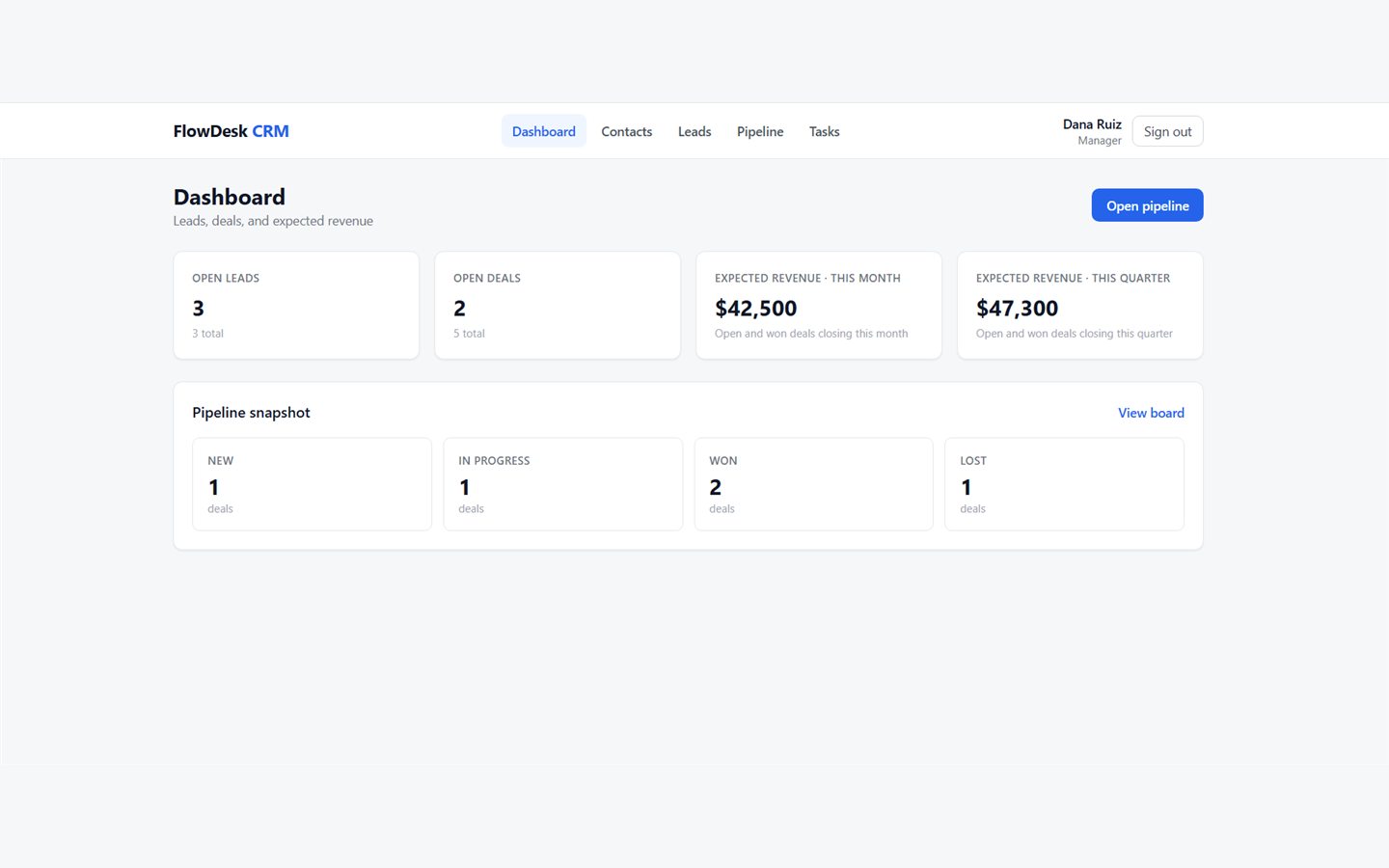
Open the AI app generator or the AI web app builder and describe the screens: lift register with inspection due dates, visit and on-call schedule, breakdown ticket log with response times, and a contract, invoice, and renewal tracker.
Where a mobile app helps
A mobile app suits the technician who needs a lift list, a visit checklist, a photo of each finding, a parts-used entry, a customer signature, and a breakdown ticket with arrival and closing times, all from a phone in a machine room or a stairwell. Build it after your paper checklist has worked for three months. A consumer app is rarely worth it for a single company. Start from the AI mobile app builder.
Where a logo and brand mark help
A lift company mark appears on a vehicle door, a uniform, a machine-room label, a QR log card, a service report, an invoice, a WhatsApp profile, and a car-top sticker, so it should read from a distance and in one colour. Pick a short name that is easy to say on a phone, a simple mark that suggests reliability and upward movement without copying a famous brand, and a label that works on a small sticker with the emergency number. Use the AI logo generator to explore marks, and test each on a uniform patch and a small circle before you print.

A ninety-day plan if you are starting
- 1
Days 1 to 15
Confirm your state’s lift law and your authorisation, pick the brands and building types you will serve, find qualified technicians and a supervisor, and cost your first fifty lifts from surveys.
- 2
Days 16 to 45
Register the company, arrange insurance, set up the store and the emergency line, train and authorise technicians, and write the contract template and exclusion list.
- 3
Days 46 to 70
Survey and quote your first buildings, sign your first contracts with tiered options, set the on-call rota, and run the first rescue and lockout drill.
- 4
Days 71 to 90
Run the first full month of service, measure response times, repeat calls, and parts against reserve weekly, and fix the three biggest gaps before you add more lifts or technicians.
A ninety-day plan if you already operate
- 1
Days 1 to 15
Measure honestly: contribution per lift by contract type, calls and repeat calls per lift, response times, parts against reserve, receivables, renewal rate, and your top three customer complaints.
- 2
Days 16 to 45
Fix one leak: ten lifts that generate half your calls, a comprehensive contract that loses money, or a customer who always pays late. Rewrite the exclusion list and the response commitments.
- 3
Days 46 to 70
Shift effort to higher-margin contracts, add tiers, set an annual price rule, build a modernisation proposal from call data, and tighten advance billing.
- 4
Days 71 to 90
Lock the weekly scoreboard and plan the next two years of technician hiring. Only then consider a new area, a new brand, or a portfolio acquisition.
Common failure patterns
- Signing lifts without a survey and absorbing every hidden defect and missing safety device
- Selling comprehensive contracts at non-comprehensive prices and losing a year’s margin on one repair
- Loading technicians beyond a safe number of lifts to win one more contract
- Letting untrained helpers work alone in shafts or on car tops
- Bypassing a door interlock or safety circuit to clear a complaint quickly
- Having no night and holiday rota, so a stuck-lift call waits until morning
- Never finding the root cause of repeat breakdowns and losing the contract to a competitor
- Letting credit to institutional customers grow until cash for salaries and parts runs out
- Promising zero breakdowns, guaranteed uptime, or compliance you cannot control
- Opening a second city before the first runs clean without the owner on call
When you are ready to build with Nyravi
Use this guide to decide what the company needs. When the next step is a company website with a survey request form, a lift register and ticket dashboard, a technician checklist app, or a brand mark for your vehicles and uniforms, open Nyravi and describe that product. Keep the brief short: who uses it, what they open first, and what they finish.
If you want help writing that description, ask on Support. Start on the [home page](/), or jump to the product pages linked above. For WhatsApp chatbots, start at cognitivesys.io. The operation comes first. The build carries the system once the system is clear.
Questions
What is an elevator maintenance business?+
An elevator maintenance business is a recurring-service business that inspects, lubricates, adjusts, repairs, and replaces parts on passenger, goods, hospital, and home lifts under annual maintenance contracts, responds to breakdowns and entrapments, and sells modernisation and spare parts. It earns a monthly fee per lift, and it is limited by lifts per technician, parts exposure, repeat breakdowns, response time, and customer renewals.
How do I start a lift maintenance business in India?+
Start by confirming your state’s lift law and the authorisation your company and technicians need, then pick the brands and building types you can serve safely, hire qualified technicians and a supervisor, and survey your first fifty lifts before you quote. Register the company, arrange workmen’s, public-liability, and vehicle insurance, set up a 24-hour emergency line and rota, and write a contract with tiers, exclusions, and response times.
How much does it cost to start a lift maintenance business in India?+
A small lift service team can start with a few lakh rupees for tools, a vehicle, and training, while a company with a parts store, several technicians, and working capital can cost roughly ₹20 lakh to ₹50 lakh to set up. The worked example in this guide totals ₹34,00,000, including ₹8,00,000 of spare-parts stock, ₹6,00,000 of vehicles, and ₹10,00,000 of working capital.
How much profit can a lift AMC company make?+
Profit depends on lifts under contract, repeat breakdowns, parts exposure, and renewals, not on the headline fee alone. In this guide’s example, about ₹2,350 of contribution per lift, ₹1,44,000 from side lines, and ₹6,51,000 of monthly fixed cost break even at about 216 lifts and earn about ₹1,04,000 a month at 260 lifts, but only about ₹10,000 if 40 lifts leave.
What is the difference between comprehensive and non-comprehensive lift AMC?+
A comprehensive lift AMC includes defined spare parts and repairs in the monthly fee, subject to written exclusions, while a non-comprehensive AMC covers labour and lubrication and charges parts and major repairs separately. Comprehensive contracts cost more and carry parts risk, since one ₹1,20,000 controller failure can erase about 40 months of a lift’s contribution, so write the parts list, annual cap, and exclusions into the contract.
What licences and insurance does a lift company need in India?+
Requirements depend on the state, and many states have lift or lift and escalator laws, such as the Maharashtra Lifts and Escalators Act, 2017, that govern contractor authorisation, technician competence, and periodic inspection and licensing of each lift. Most companies also need Udyam registration, GST, labour compliance, and insurance such as workmen’s compensation and public liability. Rules change, so confirm each with the authority and a qualified adviser.
How do I win lift AMC contracts and keep customers?+
Offer a free condition survey with a plain written report, send a quote with tiers, exclusions, response times, and escalation, and follow up within two days. Keep a night and holiday rota, answer every breakdown within the stated time, send a quarterly service report, and start renewals three months early. In this guide’s example, cutting churn from 12% to 6% adds about ₹37,600 a month after a year.
How many lifts can one technician maintain safely?+
There is no single legal number, because it depends on lift type, usage, building, manufacturer instructions, and local rules, so use your own visit and breakdown records. This guide’s example uses about 32.5 lifts per technician across 8 technicians, based on 1,274 workload hours against 163.8 productive hours each, and flags that a 2.9% buffer is too thin. Add technicians ahead of lifts, never after.
Can a WhatsApp chatbot help a lift company?+
Yes, a WhatsApp chatbot can take breakdown reports with photos and alert dispatch, show the emergency number first for any message about someone stuck or hurt, answer visit and contract questions, collect new AMC enquiries, and send reminders, invoices, and renewal notices, while handing every entrapment, injury, and safety concern to a person immediately. CognitiveSys, the parent company behind Nyravi, builds WhatsApp chatbots and shared inboxes. Start at cognitivesys.io.
Does a lift company need a website, an app, or Nyravi?+
A lift company benefits most from a simple website with lift types, AMC tiers, response commitments, service areas, and a survey request form, then from a web app once lifts, tickets, and renewals outgrow a spreadsheet. A technician mobile app helps after the paper checklist works. Nyravi can build the website, dashboard, technician app, or logo from a plain-language description. For WhatsApp chatbots, start at cognitivesys.io. This guide covers business operations only, not engineering, lift-safety, or legal advice.